Understanding Muscle Cramps During Physical Intimacy
Muscle cramps, commonly referred to as a charley horse, represent an involuntary and often painful tightening of muscle fibers that can occur during various physical activities, including intimate moments between partners. A charley horse is a sudden, unexpected contraction of one or more muscles that typically causes acute discomfort and can range from brief episodes lasting seconds to prolonged episodes lasting several minutes. The experience can be particularly disruptive during intimate activity, as it interrupts the natural flow and comfort of the moment. Understanding the underlying physiological mechanisms that trigger these cramps can empower individuals to take preventive measures and respond effectively when cramping occurs.
The Physiology Behind Exercise-Related Muscle Contractions
During physical exertion, including intimate activity, muscles undergo significant metabolic demands. The body requires sustained energy production, proper oxygen delivery, and careful regulation of electrolytes to maintain smooth muscle function. When any of these physiological requirements are compromised, muscles become susceptible to involuntary contractions. The intensity of physical activity during intimate moments can be equivalent to moderate exercise, triggering the same muscular stress responses seen in athletic activities. This sustained muscular effort, combined with the specific positioning and angles involved, can create conditions ripe for muscle cramping in the legs, thighs, and lower back regions.
Primary Contributing Factors to Cramping
Several interconnected factors contribute to the development of muscle cramps during intimate activity:
Dehydration and Electrolyte Depletion
One of the most significant contributors to muscle cramping is inadequate hydration. During physical exertion, the body perspires to regulate temperature, which results in fluid loss. When fluid intake does not match fluid loss, dehydration occurs, compromising the body’s ability to maintain proper electrolyte balance. Electrolytes—including potassium, calcium, and magnesium—are essential minerals that facilitate muscle contraction and relaxation. An imbalance in these electrolytes directly impairs muscle function and increases cramping susceptibility. Many individuals do not consume adequate fluids before or during physical activity, making dehydration a common underlying cause of unexpected muscle contractions.
Muscle Fatigue and Overexertion
Sustained muscular activity depletes energy stores within muscle cells. When muscles become fatigued from prolonged contraction, they lose their ability to relax and contract smoothly. This exhaustion makes muscles more prone to involuntary spasms and cramping. The specific positioning required during certain intimate activities places particular muscle groups under sustained tension, which can accelerate fatigue in those regions compared to other activities.
Inadequate Blood Flow
Proper blood circulation is crucial for delivering oxygen and nutrients to working muscles while simultaneously removing metabolic waste products. Certain positions during intimate activity can restrict blood flow to specific muscle groups, creating localized oxygen deficiency. When muscles do not receive sufficient oxygen and nutrient-rich blood, they are more likely to experience cramping. Additionally, tight positioning that compresses arteries supplying the legs can result in arterial narrowing, further compromising blood delivery to leg muscles.
Nerve Compression
The lumbar spine, located in the lower back, houses nerve roots that extend throughout the legs. Certain positions can compress these nerves, triggering referred pain and muscle cramps in the legs and feet. This type of cramping may feel particularly severe and may persist even after the physical activity ceases, as nerve compression requires time to resolve.
Prolonged Static Positioning
Maintaining the same body position for extended periods without movement or positional variation restricts circulation and prevents muscles from cycling through different contraction patterns. Muscles held in a single position for prolonged duration become rigid and are more susceptible to sudden cramping when they must contract more forcefully or change function unexpectedly.
Secondary Contributing Conditions
Beyond the immediate physical factors, certain underlying health conditions and medications can increase muscle cramping susceptibility:
- Diabetes: Affects blood sugar regulation and can impair muscle function
- Chronic kidney disease: Disrupts electrolyte balance
- Cirrhosis: Impairs the liver’s ability to maintain proper mineral balance
- Medications: Diuretics prescribed for high blood pressure deplete potassium, calcium, and magnesium
- Beta-blockers and statins: Can contribute to muscle cramping as side effects
Recognizing the Symptoms
Muscle cramps typically present with distinctive characteristics that make them easy to identify. The primary symptom is a sudden, severe, and involuntary muscle contraction that produces sharp, intense pain. The affected muscle visibly tightens and may appear to twitch or spasm involuntarily. These contractions can last from a few seconds to several minutes. Following the resolution of the cramp, the affected area typically remains tender and sore for a period of time, making pressure on the muscle uncomfortable.
Immediate Relief Strategies
When a muscle cramp occurs during intimate activity, several immediate interventions can provide relief:
Stretching the Affected Muscle
Gentle stretching is the most effective immediate intervention for muscle cramps. For calf muscle cramps, flexing the foot upward by pulling the toes toward the front of the leg can help relieve the contraction. For thigh cramps, extending the leg fully can help release the tension. Holding the stretched position for several seconds allows the muscle to gradually relax.
Massage and Heat Application
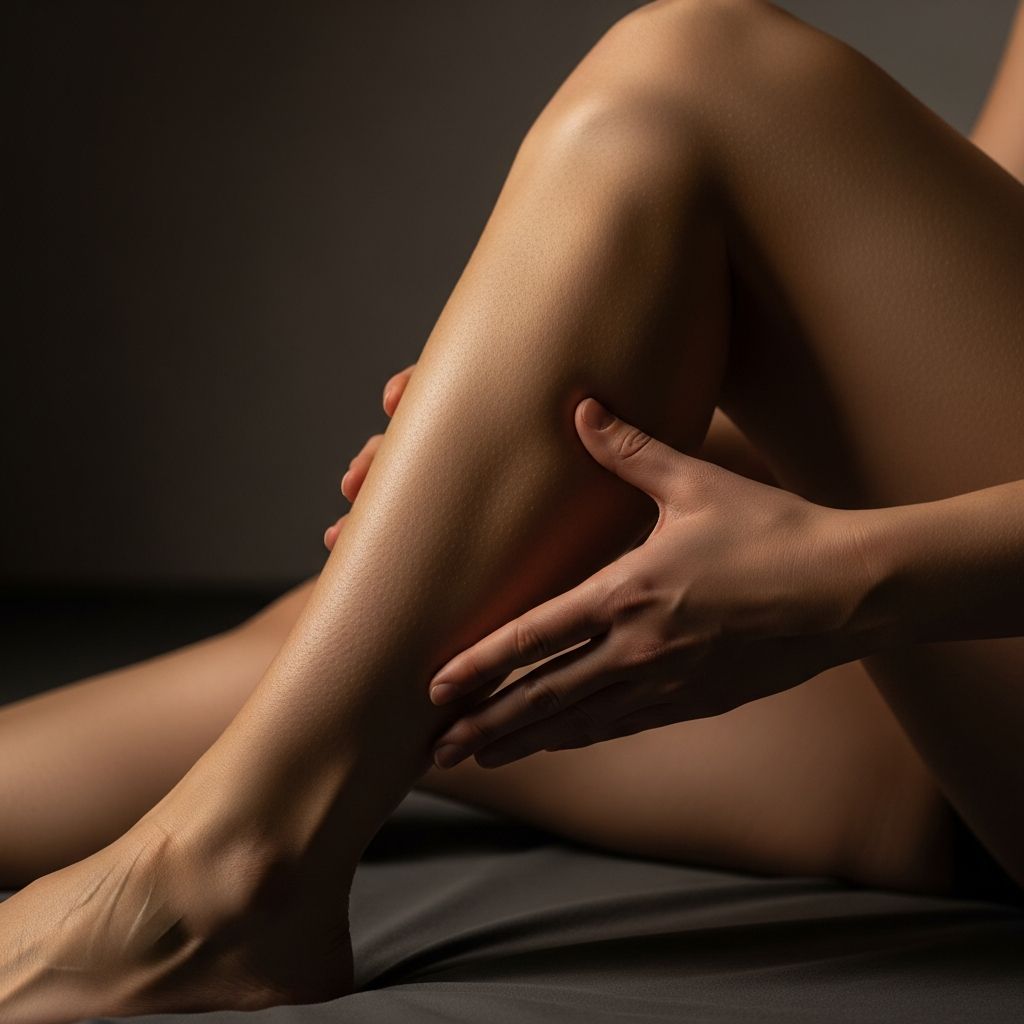
Firmly but gently massaging the cramped muscle helps improve circulation and promotes relaxation. Applying heat through a heating pad or warm bath with Epsom salts can further ease muscle tension and improve blood flow to the affected area. The combination of massage and heat is particularly effective for stubborn cramps.
Pain Management
Over-the-counter pain relievers such as ibuprofen or naproxen can help reduce pain and inflammation if the cramping is severe. These should be used according to package directions and only if there are no contraindications based on personal health history. Some individuals find ice packs beneficial after the acute cramping has subsided to reduce lingering soreness.
Prevention: Building a Sustainable Approach
Rather than waiting to address cramping after it occurs, proactive prevention strategies significantly reduce the likelihood of experiencing muscle cramps:
Hydration Protocol
Maintaining consistent hydration throughout the day, not just during physical activity, establishes a foundation for proper muscle function. Consuming water regularly and increasing intake before and after intimate activity ensures adequate fluid availability for muscle operations. For extended periods of activity, sports drinks containing electrolytes can help maintain mineral balance while providing hydration.
Nutritional Support
Consuming foods rich in potassium, magnesium, and calcium supports the electrolyte balance necessary for smooth muscle function. Dietary sources including bananas, leafy greens, nuts, and dairy products provide essential minerals. Maintaining consistent nutrition throughout the day prevents the mineral depletion that contributes to cramping.
Preparation and Warm-Up
Gentle stretching before intimate activity prepares muscles for the physical demands ahead. A thorough warm-up, similar to preparation before exercise, increases blood flow to muscles and improves their readiness for sustained activity. Avoiding prolonged sitting or lying down before activity also helps prevent the muscle stiffness that increases cramping risk.
Positional Awareness
Being mindful of body positioning and making adjustments to prevent sustained compression of nerves or restriction of blood flow can significantly reduce cramping risk. Varying positions throughout intimate activity prevents any single muscle group from sustaining excessive tension for prolonged periods. Taking brief breaks to reposition the body helps restore circulation and prevent muscle fatigue from accumulating.
Lifestyle Factors
Regular physical activity and consistent exercise improve overall muscle function and increase the threshold for cramping. Avoiding excessive caffeine and stimulants, which can interfere with muscle relaxation, helps maintain proper muscular control. Adequate sleep supports muscle recovery and reduces susceptibility to cramping.
When to Seek Medical Evaluation
While occasional muscle cramps are normal and typically not concerning, certain patterns warrant professional medical evaluation. If muscle cramps occur frequently—more than once per week—without an obvious triggering cause, consulting with a healthcare provider is advisable. Persistent pain that does not resolve shortly after the cramping episode subsides may indicate underlying nerve compression or other structural issues requiring professional assessment.
A healthcare provider will typically review medical history and perform a physical examination that may include palpation of the affected area to identify points of muscular tension or nerve compression. In cases of recurrent cramping, blood tests may be recommended to identify electrolyte imbalances or mineral deficiencies contributing to the problem. Depending on findings, additional diagnostics such as nerve imaging or assessment may be warranted.
Medication Considerations
Certain medications can increase muscle cramping susceptibility as a side effect. Diuretics used to manage high blood pressure deplete the very minerals—potassium, calcium, and magnesium—necessary for proper muscle function. Individuals taking such medications should discuss cramping symptoms with their healthcare provider to determine whether medication adjustment or supplementation strategies might help.
Frequently Asked Questions
Q: Is it normal to experience muscle cramps during intimate activity?
A: Yes, muscle cramps during physical activity, including intimate moments, are relatively common, especially when hydration is inadequate or muscles are fatigued. Most episodes resolve quickly with stretching and are not indicative of serious health concerns.
Q: How long do muscle cramps typically last?
A: Most muscle cramps last from a few seconds to several minutes and typically resolve without medical intervention. However, soreness in the affected area may persist for hours or even days following the episode.
Q: Can certain positions be more likely to cause cramping?
A: Yes, positions that sustain tension in particular muscle groups or restrict blood flow to specific areas are more likely to trigger cramping. Varying positions throughout activity helps prevent this complication.
Q: What is the fastest way to stop an active muscle cramp?
A: Gentle stretching of the affected muscle is typically the fastest way to relieve an active cramp. For leg cramps, pulling the toes toward the front of the leg or extending the leg fully provides immediate relief.
Q: Should I be concerned if cramping becomes more frequent?
A: If you experience muscle cramps more than once per week, this may indicate an underlying issue such as electrolyte imbalance or dehydration that warrants evaluation by a healthcare professional.
Q: Can dehydration really cause muscle cramps during intimate activity?
A: Absolutely. Dehydration and electrolyte imbalance are among the most common triggers for muscle cramps during physical exertion. Ensuring adequate hydration before, during, and after activity significantly reduces cramping risk.
Moving Forward: Integration Into Daily Life
Understanding the mechanisms behind muscle cramping and implementing preventive strategies transforms this common discomfort from an inevitable nuisance into a manageable condition. By maintaining consistent hydration, ensuring adequate nutritional intake, preparing muscles through stretching, and being mindful of positioning, individuals can substantially reduce their cramping frequency. When cramping does occur, knowing immediate relief techniques allows quick resolution without prolonged discomfort or interruption. For those experiencing frequent or persistent cramping, professional medical evaluation provides clarity on underlying contributors and personalized treatment recommendations. The combination of lifestyle optimization and professional guidance when needed enables individuals to enjoy intimate activities comfortably and without anticipatory anxiety about potential muscle cramping.
References
- What Causes a Charley Horse? — Jacksonville Orthopaedic Institute. Accessed February 2026. https://www.joionline.net/library/charley-horse/
- What Do You Need to Know About a Charley Horse? — UofL Health. Accessed February 2026. https://uoflhealth.org/articles/what-do-you-need-to-know-about-a-charley-horse/
- Charley Horse: Causes, Treatment, Prevention, and More — Healthline. Accessed February 2026. https://www.healthline.com/health/charley-horse
- Charley Horse: Causes, Prevention, and Pain Relief — Medical News Today. Accessed February 2026. https://www.medicalnewstoday.com/articles/312241
- Muscle Cramps — American Academy of Orthopaedic Surgeons (OrthoInfo). Accessed February 2026. https://orthoinfo.aaos.org/en/diseases–conditions/muscle-cramps
- Muscle Cramp — Symptoms and Causes — Mayo Clinic. Accessed February 2026. https://www.mayoclinic.org/diseases-conditions/muscle-cramp/symptoms-causes/syc-20350820