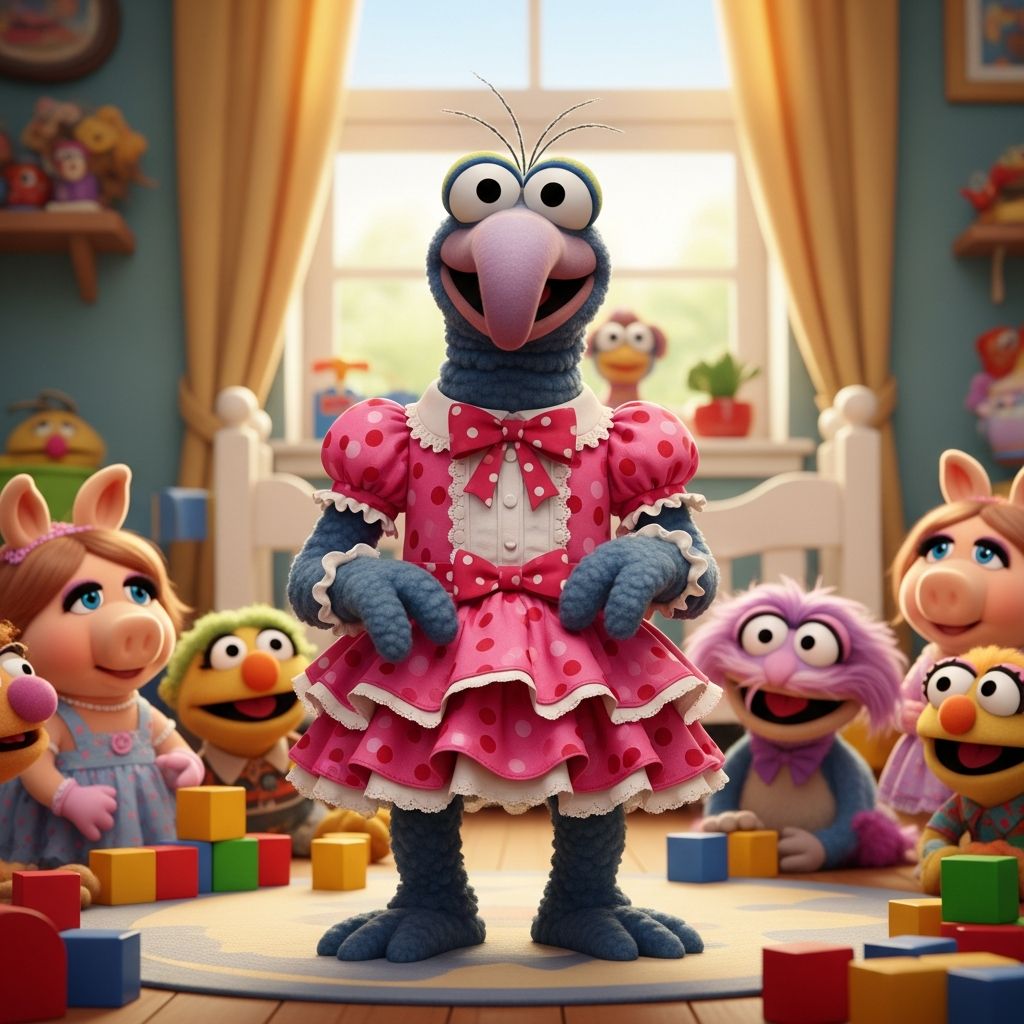
A beloved children’s show reimagines a classic fairy tale, placing a quirky blue character in a sparkling gown and igniting a firestorm of opinions among parents, media critics, and cultural commentators. This episode of Muppet Babies didn’t just entertain toddlers—it thrust preschool programming into the heart of ongoing conversations about identity, self-expression, and societal expectations.
The Episode That Started It All: A Cinderella Twist
In this animated adventure, the young Muppets prepare for a grand royal ball, drawing inspiration from timeless stories of enchantment and transformation. The plot kicks off with excitement building around costumes: elegant gowns for some, shining armor for others. But one character stands out with a bold desire that defies the script. This daring Muppet yearns to shimmer in a princess dress, sparking a chain of events that leads to magical intervention and heartfelt revelations.
The fairy-tale helper arrives not as a traditional godmother but in a whimsical rodent form, granting the wish with a wave of enchantment. A beautiful blue gown, a mysterious mask, and delicate glass slippers complete the look. At the ball, the disguised figure dazzles everyone, dancing through the night until the clock strikes midnight, leaving behind a single slipper as a clue. The next day, the truth emerges in a moment of vulnerability, leading to apologies, understanding, and a promise to rewrite the rules for future celebrations.
This narrative arc, while playful, carries deeper layers. It questions rigid guidelines outlined in an imaginary ‘royal handbook’ that dictates attire based on traditional roles. By the end, the group embraces a new ethos: attire should reflect personal joy, not prescribed categories. The episode closes on a note of unity, with friends affirming their bond regardless of appearances.
Public Backlash: Accusations of Hidden Agendas
News outlets quickly picked up the story, framing it as more than innocent fun. A prominent cable news program labeled the content as overly progressive, suggesting it pushed boundaries too far for young viewers. Hosts expressed concern that such depictions could confuse children about established norms, pointing to the male character’s gown as evidence of an intentional shift in storytelling.
Conservative media amplified these views, with headlines decrying the promotion of fluid identities in programming aimed at ages two and up. Groups advocating for family values launched campaigns urging parents to reconsider subscriptions to the network, arguing that the message normalizes behaviors they view as inappropriate for preschoolers. One watchdog organization called it a clear push toward specific ideologies, demanding accountability from the studio.
- Calls for boycotts echoed across social media and faith-based platforms.
- Critics highlighted the apology scene as pressuring conformity to individual whims over group standards.
- Past instances of similar content warnings on older episodes fueled narratives of a long-term pattern.
These reactions positioned the episode within broader cultural battles, where children’s entertainment becomes a battleground for adult ideologies.
Supporters’ Defense: Celebrating Individuality
Not all feedback was critical. Many parents and educators praised the show for fostering empathy and breaking down outdated barriers. They argued that allowing characters to explore freely teaches valuable lessons in kindness and acceptance, mirroring real-life diversity among children.
Advocates noted that the story emphasizes friendship over appearance, with the resolution focusing on love and support. “This is about being true to yourself,” one commenter shared, echoing the character’s poignant line about rejecting ‘the way things have always been.’ The magical elements kept it lighthearted, ensuring it remained suitable for its audience while subtly encouraging open-mindedness.
| Perspective | Key Argument | Examples from Episode |
|---|---|---|
| Critics | Undermines traditional roles | ‘Royal handbook’ rule-breaking |
| Supporters | Promotes self-expression | Apologies and new handbook |
| Neutral Observers | Simple fun with life lessons | Fairy tale parody |
Parenting in the Spotlight: Navigating Media Choices
For families tuning in, the episode raises practical questions. Should preschool shows tackle complex themes? How do parents discuss such stories with curious toddlers? Many suggest using these moments as teachable opportunities, explaining that clothing choices don’t define worth or friendship.
Discussions on parenting forums reveal a split: some see it as harmless fantasy akin to past episodes where characters swapped roles playfully, while others worry about repeated exposure shaping young minds. Experts recommend co-viewing and debriefing, turning potential conflicts into dialogues about respect and personal boundaries.
Consider these tips for parents:
- Watch together: Pause to ask what your child notices about the characters’ feelings.
- Relate to real life: Share examples of friends expressing themselves uniquely.
- Set family values: Affirm your household’s views without dismissing the story’s intent.
Historical Context: Muppets’ Legacy of Defiance
The Muppets have long thrived on eccentricity, from a frog dating a pig to a bear’s bad jokes. This franchise, spanning decades, consistently challenges conventions through humor and heart. The original Muppet Babies from the 1980s featured imaginative play without today’s scrutiny, yet it too pushed creative freedoms.
Today’s reboot arrives in an era of heightened sensitivity, where every plot point invites analysis. Comparing eras shows evolution: what was once quirky is now politicized. Yet, the core remains—entertaining while subtly teaching that differences strengthen communities.
Broader Implications for Children’s Programming
This incident highlights shifting tides in kids’ TV. Networks balance fun with representation, incorporating diverse stories to reflect modern families. Studies on media influence suggest early exposure to inclusive narratives can build tolerance, though debates persist on age-appropriateness.
Future episodes may continue this trend, prompting creators to navigate feedback carefully. For viewers, it underscores media literacy: not every gown signals an agenda; sometimes, it’s just a daredevil in disguise chasing joy.
Frequently Asked Questions (FAQs)
What happens in the Muppet Babies ‘Gonzo-rella’ episode?
The Muppets plan a royal ball with strict dress codes, but Gonzo wishes for a princess gown. A magical helper transforms him, he attends incognito, reveals himself, and friends embrace his choice, updating their rules.
Why did critics target this episode?
They argued it promotes gender fluidity to very young children, viewing the dress-wearing and apologies as endorsing non-traditional norms over tradition.
Is Muppet Babies suitable for all families?
It depends on comfort with themes of self-expression. Many find it wholesome; others prefer programming without such elements. Parental discretion is key.
How did the show handle the resolution?
Through apologies and a commitment to inclusivity, emphasizing friendship above appearances, with a new handbook allowing free dress choices.
Has this affected the show’s popularity?
The series remains popular, with Emmy nods, though controversies have heightened visibility without clear evidence of declining viewership.
Expert Insights on Gender in Early Childhood Media
Child psychologists note that play, including dress-up, is a natural way kids explore identities. This episode aligns with developmental stages where imagination blurs lines, helping build emotional intelligence. However, parents should align content with their values.
Long-term, such stories may normalize variety, reducing bullying over non-conformity. Critics counter that it risks premature concepts, advocating for delayed introductions.
Alternatives and Similar Shows
Families seeking different vibes might explore classics like Sesame Street for foundational lessons or Bluey for family dynamics. Each offers unique takes on growth and play.
In conclusion, Gonzo’s gown moment encapsulates media’s power to provoke thought. Whether celebrated or contested, it reminds us that even puppets can challenge us to see beyond the surface.
References
- Fox News Attacks ‘Woke’ Muppet Babies Over Gonzo’s Princess Dress — CBR. 2021-08-02. https://www.cbr.com/fox-news-muppet-babies-gonzo-princess-dress-attack/
- Disney Uses ‘Muppet Babies’ Show to Promote Transgender Ideology — Daily Citizen (Focus on the Family). 2021-08-00. https://dailycitizen.focusonthefamily.com/disney-uses-muppet-babies-show-to-promote-transgender-ideology/
- Critics Furious About Cross-Dressing Muppet on Children’s Show — The Monastery. 2021-08-00. https://www.themonastery.org/blog/critics-furious-about-cross-dressing-muppet-on-childrens-show
- Disney’s Muppet Babies Puts Gonzo in a Dress, Promotes Trans Ideology — Crosswalk. 2021-08-02. https://www.crosswalk.com/headlines/contributors/michael-foust/disneys-muppet-babies-puts-gonzo-in-a-dress-promotes-trans-ideology-i-want-to-be-me.html
- Disney Junior’s ‘Muppet Babies’ features cross-dressing Gonzo — Texan Online. 2021-08-00. https://www.texanonline.net/articles/movie-reviews/disney-juniors-muppet-babies-features-cross-dressing-gonzo/