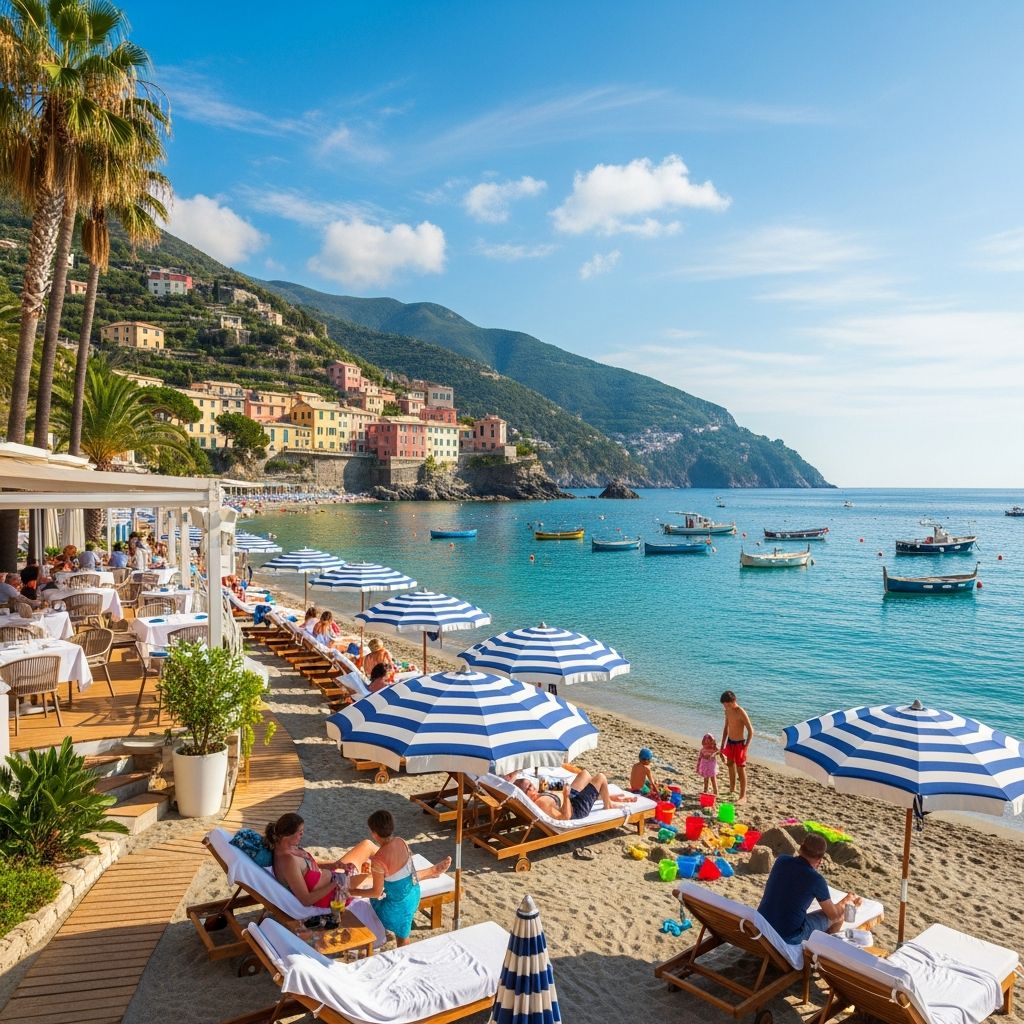
Understanding Multigenerational Travel Dynamics
Traveling with multiple generations presents unique opportunities and challenges that require thoughtful planning and flexibility. When grandparents, parents, and children journey together, each age group brings different expectations, physical capabilities, and travel preferences to the table. Unlike traditional family trips where everyone shares similar interests and energy levels, multigenerational adventures must accommodate varying mobility needs, dietary requirements, and activity preferences. The key to success lies in recognizing these differences not as obstacles, but as opportunities to create inclusive experiences that strengthen family bonds across generations.
Modern family structures have evolved beyond the nuclear family model, with more people choosing to travel as extended family units. This shift reflects changing attitudes about togetherness and shared experiences, particularly as remote work capabilities and flexible scheduling make extended family vacations more feasible. Understanding the dynamics at play—from energy levels and health considerations to communication styles and entertainment preferences—provides the foundation for planning trips where everyone feels valued and included.
Establishing Clear Family Travel Objectives
The planning process must begin with honest conversations about what each family member hopes to gain from the vacation. Before selecting destinations or booking accommodations, hold a comprehensive family discussion that explores individual expectations and priorities. Some travelers may crave relaxation and quiet time, while others seek adventure and exploration. Younger family members might envision theme parks and active pursuits, while older relatives may prefer cultural experiences and leisurely exploration. These conversations should happen early and involve all age groups, even young children who can express preferences in simple terms.
Creating a shared vision requires compromise and creativity. Document each person’s travel goals—whether relaxation, cultural immersion, adventure, quality family time, or educational experiences—and identify overlapping interests. A cooking class might appeal to multiple generations, for instance, while nature walks at a gentle pace can accommodate varying fitness levels. When family members understand that their preferences have been heard and incorporated into the plan, they become invested in the vacation’s success rather than viewing it as something imposed upon them.
Crafting Balanced and Flexible Itineraries
The most successful multigenerational itineraries balance structured group time with flexibility for independent exploration and rest. Rather than overloading the schedule with activities, aim for one major group experience daily and leave open time slots for naps, quiet reflection, or spontaneous discoveries. This rhythm prevents fatigue among older travelers while maintaining engagement for younger family members who need activity and stimulation.
Consider these structural elements when building your itinerary:
- Schedule group activities during times when energy levels are naturally high across age groups, typically late morning or early afternoon
- Include intergenerational activities where all ages can participate meaningfully, such as local market visits, cultural performances, or nature-based experiences
- Build buffer days between major travel and activity days to allow for rest and adjustment
- Plan separate experiences for different age groups that allow teens to explore independently while younger children enjoy age-appropriate entertainment
- Incorporate downtime that doesn’t require structured planning—café visits, people-watching, reading, or simply relaxing at your accommodation
The beauty of flexible itineraries lies in their responsiveness to real-time conditions. Weather changes, fatigue levels, or unexpected local opportunities can prompt itinerary adjustments without derailing the entire vacation. Communicate these changes positively, framing adaptations as exciting discoveries rather than disappointments.
Selecting Accommodations That Support All Ages
Housing arrangements directly impact your multigenerational vacation’s success. Ideal accommodations offer enough space for family members to enjoy private time while remaining close enough for easy connection and group meals. Consider properties that provide multiple bedrooms or suite-style arrangements rather than cramping multiple age groups into a single hotel room.
Prioritize these accommodation features:
- Ground-floor units or accessible elevator access for older travelers or those with mobility challenges
- Spacious kitchens or kitchenette facilities for preparing snacks, special meals, or dietary-specific foods
- Multiple bathrooms to reduce morning congestion and accommodate varying schedules
- Separate living areas where different age groups can pursue independent activities while remaining together
- Proximity to local restaurants, markets, and attractions to minimize travel time
- Climate-controlled spaces with comfortable seating areas for rest periods
- Outdoor spaces like patios or gardens that accommodate various mobility levels
Rental homes offer advantages over traditional hotel stays for multigenerational groups, providing kitchen facilities that reduce dining costs and allow flexibility in meal scheduling. Hotel properties with multiple adjacent rooms offer different benefits, including daily housekeeping, front desk assistance, and on-site amenities.
Managing Transportation Across Age Groups
Transportation represents one of the most complex logistics challenges in multigenerational travel. Coordinating flights for multiple generations requires attention to booking policies, accessibility needs, and special requirements. When booking air travel, request accessible seating, pre-boarding privileges, and clear information about accommodations for car seats, strollers, or mobility aids.
Strategic flight selection simplifies ground logistics:
- Minimize connections and layovers, particularly on flights with elderly passengers or young children
- Book direct routes when available, even if flights cost slightly more—the reduction in stress justifies the expense
- Schedule flights at times that align with your family’s sleep schedule when possible
- Select airlines with family-friendly reputations and clear policies on special needs and accommodations
- Consider travel insurance that covers multigenerational groups and provides medical support
Ground transportation requires equally thoughtful planning. Larger vehicles such as vans or minibuses often make more sense than renting multiple compact cars, reducing coordination challenges and keeping the group together. Train travel offers advantages for older travelers and families with young children, providing space to move around and rest more comfortably than in vehicles.
Navigating Meals and Food Logistics
Food experiences reveal cultural differences and personal preferences more vividly than almost any other aspect of travel. Successful multigenerational dining acknowledges diverse dietary needs, preferences, and eating schedules while maintaining opportunities for shared meals that foster connection.
Develop a flexible meal strategy that includes:
- Accommodation options near diverse dining establishments accommodating all dietary preferences and restrictions
- Mix of group meals and independent eating to respect different schedules, particularly for teenagers with late-night appetites
- Family-style or shared platter dining that encourages conversation and connection without forcing everyone to order identical meals
- Accommodations for specific dietary needs—low-sodium options for seniors, gluten-free foods, or accommodations for picky eaters
- Grocery shopping during your trip to prepare simple breakfasts or snacks, reducing costs and accommodating schedule flexibility
Meal times provide natural opportunities for family bonding and storytelling. Rather than viewing meals purely as fuel, consider them essential family moments where everyone shares experiences from the day and connects across generational boundaries.
Addressing Health, Mobility, and Safety Considerations
Comprehensive health and safety planning protects all family members while allowing everyone to participate fully in vacation experiences. Begin by reviewing travel insurance coverage for all ages, particularly ensuring adequate protection for older family members who may have pre-existing conditions.
Essential health and safety measures include:
- Inventory all medications for every family member and ensure sufficient quantities for the entire trip duration, plus extras
- Obtain copies of important medical records, prescriptions, and lists of allergies or health conditions
- Identify local medical facilities at your destination and establish protocols for emergency situations
- Pack comprehensive first-aid supplies including items specifically needed for your family’s health conditions
- Ensure mobility aids such as hearing aids, canes, walkers, or wheelchairs are transported and remain functional
- Plan adequate rest breaks, particularly on arrival and departure days, avoiding ambitious activities during travel transitions
- Maintain strong mobile connectivity so family members can reach each other and access emergency services
Safety planning extends beyond health considerations. Establish clear protocols for staying together in crowded areas, use of universal adapters and charging stations for electronics, and identification systems for young children when visiting busy attractions.
Choosing Activities That Span Generations
Activities form the backbone of vacation experiences, yet finding pursuits that genuinely appeal across age groups requires thoughtful selection. Rather than seeking activities everyone finds equally exciting, choose experiences that offer multiple levels of engagement where different age groups can participate meaningfully in their own ways.
Excellent multigenerational activities include:
- Culinary experiences: Cooking classes, farmers markets, or food tours where multiple skill levels can contribute and learn together
- Nature-based activities: Gentle hiking, beach time, or wildlife observation allowing flexible participation and pacing
- Cultural experiences: Museums with interactive exhibits, local theater performances, or historical site visits accommodating various mobility levels
- Community engagement: Visiting local artisan studios, family-owned businesses, or cultural centers supporting local economies
- Relaxed exploration: Walking tours at conversational pace, café time, or shopping excursions allowing organic discovery
The most successful vacation moments often emerge from unstructured time rather than planned activities. Allow space for spontaneous discoveries, whether stumbling upon a local festival, finding an unexpected café, or simply sitting together and observing daily life in your destination.
Embracing Sustainable and Mindful Travel Practices
Multigenerational travel provides opportunities to model and discuss responsible tourism practices, teaching younger generations about environmental stewardship and cultural respect. Choosing accommodations and activities aligned with local community values demonstrates that travel connects us to places and people, not just tourist attractions.
Implement sustainable practices including:
- Supporting local businesses, family-run restaurants, and artisan operations rather than international chains
- Selecting accommodations with environmental certifications and respectful local engagement practices
- Participating in low-impact activities such as guided nature walks with local experts or community-based craft workshops
- Teaching younger family members about reducing waste, respecting wildlife, and honoring cultural traditions
- Using travel time intentionally to strengthen internal family relationships rather than merely consuming external experiences
Practical Packing and Preparation Strategies
Thorough preparation reduces stress and enables everyone to enjoy their vacation. Create a comprehensive packing checklist addressing specific needs of multiple age groups, from medications and mobility aids to entertainment options and comfort items.
Essential preparation items include:
- Universal power adapters and portable charging devices serving the entire family
- Comprehensive first-aid kits with items specific to individual family members’ needs
- Entertainment and comfort items for different age groups—books, games, comfort items for children, reading materials for adults
- Documentation including travel insurance papers, medical records, and emergency contact information
- Currency exchange information and banking access strategies for different family members’ needs
- Copies of important documents stored separately from originals
Frequently Asked Questions
Q: How do I balance activities for children and older adults traveling together?
A: Plan one major group activity daily with flexible timing. Include some experiences appealing across age groups—nature walks, cultural sites, or shared meals—while allowing separate activities when interests diverge. Build in substantial downtime where no structured activities occur, letting everyone rest or pursue individual interests.
Q: What’s the best timing for multigenerational vacations?
A: Shoulder seasons (between peak and off-peak travel times) typically offer advantages including smaller crowds, better prices, and pleasant weather. Avoid peak holiday periods when destinations become overcrowded. Consider school schedules if traveling with children and work flexibility for adults.
Q: How far in advance should multigenerational trips be planned?
A: Begin planning 6 to 12 months in advance for popular destinations, peak travel seasons, or complex multi-destination itineraries. This timeline ensures optimal availability for accommodations, activities, and group-rate bookings while allowing adequate preparation time.
Q: How can I manage different dietary needs and preferences?
A: Choose accommodations with kitchen facilities allowing meal preparation. Mix group dining with flexibility for independent meals. Communicate specific dietary needs to restaurants in advance and identify local markets where you can purchase ingredients for any special requirements.
Q: What travel insurance coverage do multigenerational groups need?
A: Select comprehensive travel insurance covering all age groups, including pre-existing medical conditions for older travelers. Ensure coverage includes medical emergencies, evacuation, trip cancellation, and specific needs for very young children or seniors with health considerations.
References
- Family Adventures: Smart Tips for Every Generation — Voye Global. 2026. https://voyeglobal.com/family-adventures-2026/
- 5 Things to Keep in Mind While Planning Your 2026 Family Travel — Bébé Voyage. 2026. https://bebevoyage.com/5-things-to-keep-in-mind-while-planning-your-2026-family-travel/
- Best Family Vacation Packages for 2026 Travel Planning Guide — Kung Fu Journeys. 2026. https://www.kungfujourneys.com/blog/best-family-vacation-packages-2026-travel-guide/
- Top 10 Family Vacation Destinations for 2026 — Journeys Inc. 2026. https://journeysinc.com/blog/top-10-family-vacation-destinations-for-2026/
- Expanded, Playful Family Vacations: 2026 Hilton Trends Report — Hilton Stories. 2026. https://stories.hilton.com/2026-trends/generation-permutations-the-expanded-and-playful-family-vacation