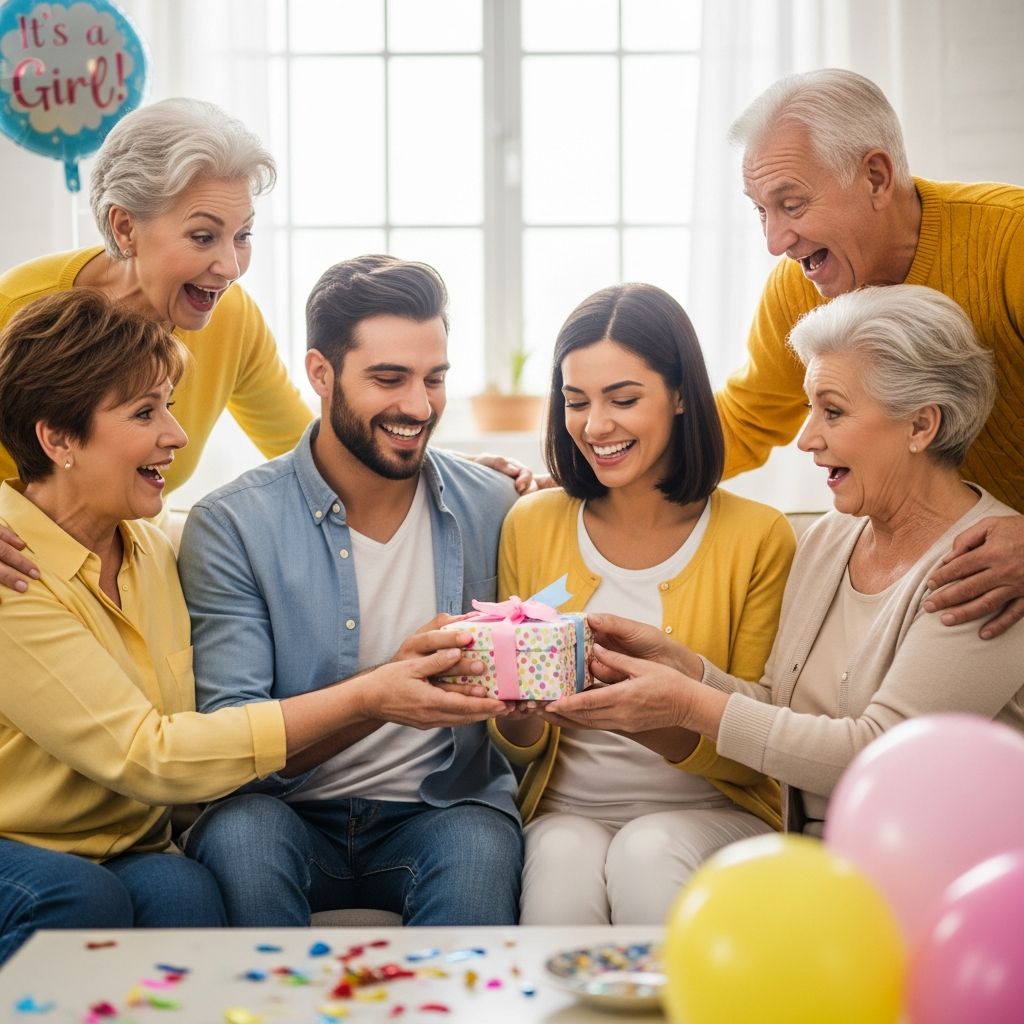
Decoding Modern Family Structures Through Generational Lenses
Family dynamics have undergone significant transformations over the past century, shaped largely by the historical events, technological advancements, and cultural shifts that define each generational cohort. Understanding which generation you belong to and how that influences your parenting approach has become increasingly important for contemporary families navigating multi-generational households. The concept of generational identity extends beyond simple age categories; it encompasses shared values, communication styles, parenting philosophies, and approaches to work-life balance that distinguish one age group from another.
Today’s families often span multiple generations living under one roof or maintaining close proximity, creating both enriching relationships and potential points of conflict. Grandparents, parents, and children bring different perspectives shaped by the world they grew up in, which can lead to disagreements about discipline, boundaries, technology use, and emotional expression. By understanding the characteristics and values of each generation, families can bridge these gaps with greater empathy and appreciation for why each group approaches parenting and child-rearing differently.
The Silent Generation: Builders of Tradition
The Silent Generation, born between 1928 and 1945, earned their name by embodying qualities of restraint, discipline, and quiet resilience during economically challenging and socially conservative times. This cohort came of age during the Great Depression and witnessed World War II, experiences that instilled deep values around financial responsibility, hard work, and respect for authority. These formative experiences directly shaped their parenting approaches, which typically emphasized obedience, structured discipline, and clear hierarchical family roles.
Silent Generation parents valued education as a pathway to stability and success, often prioritizing academic achievement over emotional expression. Parenting during this era reflected the broader cultural norms of the time, with less emphasis on understanding children’s feelings and more focus on teaching them to accept responsibility and follow rules without question. While this parenting style equipped their children with resilience and work ethic, it sometimes came at the cost of open emotional communication within families.
Baby Boomers: The Optimistic Revolutionaries
Born between 1946 and 1964, Baby Boomers represented a dramatic departure from their Silent Generation parents. This massive cohort arrived during a post-war economic boom, and their sheer numbers created a youth-centered culture that previous generations had never experienced. Boomers grew up during a period of unprecedented prosperity, social upheaval, and technological innovation that fundamentally altered how they viewed parenting and family life.
Baby Boomer parents made conscious efforts to understand their children’s perspectives and emotions, a significant shift from the authoritarian parenting of their own childhoods. They prioritized their children’s happiness and potential, viewing parenting as an opportunity to nurture individual talents and aspirations. This generation introduced more permissive and engaged parenting styles, though they maintained a clear adult authority structure. Boomers valued college education as the ultimate achievement and often made substantial sacrifices to ensure their children had educational opportunities they may not have had.
The parenting philosophy of this generation reflected their belief in personal growth and self-improvement. They wanted their children to have better lives than they did, which sometimes manifested as overindulgence or difficulty setting boundaries. However, their willingness to reconsider traditional parenting norms and adapt their approaches based on their children’s needs represented genuine progress in family relationships and emotional awareness.
Generation X: The Independent Pragmatists
Generation X encompasses individuals born between 1965 and 1980, making them the smallest generational cohort of the modern era. Often called the “forgotten generation,” Gen Xers grew up during significant social and economic transitions, including the rise of divorce rates, the emergence of dual-income households, and the advent of personal computers. Many were latchkey kids who developed independence and self-reliance out of necessity rather than philosophical choice.
This generation approaches parenting with a pragmatic mindset that balances engagement with autonomy. Gen X parents actively learn about child development and parenting strategies, demonstrating commitment to being intentional about their parenting choices. They emphasize work-life balance more than previous generations and tend to support their children’s individual choices and diverse lifestyles. Generation X values individualism and recognizes that different children thrive with different approaches, leading them to customize parenting strategies based on their specific child’s needs and personality.
Gen X parents are significantly involved in their children’s development and activities while also fostering independence and problem-solving skills. They volunteer extensively in schools and communities, contributing their time and expertise to support not just their own children but the broader youth population. This generation learned from their latchkey kid experiences that children need both structure and freedom, and they deliberately seek to provide both in appropriate measures.
Millennials: The Connected Innovators
Millennials, born between 1981 and 1996, came of age during the digital revolution and represent the first generation to grow up with widespread internet access, personal computers, and eventually smartphones. This cohort witnessed rapid technological transformation and the rise of social media, which fundamentally shaped their communication styles, social connections, and approaches to parenting. Many Millennials were raised by Baby Boomer parents who emphasized their special qualities and potential, contributing to both their confidence and sometimes unrealistic expectations.
As parents, Millennials have introduced distinctly different approaches compared to previous generations. Research indicates that nearly three-quarters of Millennial parents practice gentle parenting, a style characterized by open communication, emotional intelligence, and collaborative problem-solving rather than punishment-based discipline. Gentle parenting emphasizes helping children understand the reasoning behind rules and decisions, fostering their decision-making capabilities, and validating their emotions while maintaining appropriate boundaries.
Millennial parents are deeply influenced by mental health awareness and emotional literacy, seeking to break negative intergenerational cycles they may have experienced in their own childhoods. This generation prioritizes open dialogue about feelings, encourages creativity and play-based learning, and often rejects rigid discipline methods in favor of natural consequences and understanding. They are also significantly impacted by social media, with many reporting that digital platforms create unrealistic expectations about parenting performance and family life. Despite these pressures, Millennials demonstrate commitment to spending quality time with their children and remaining actively involved in their development and education.
Generation Z: The Digital Natives
Generation Z includes individuals born between 1997 and 2012, making them true digital natives who have never known a world without the internet, smartphones, or social media. This generation grew up with unprecedented access to information and global connectivity, shaping their worldviews, communication preferences, and values around inclusivity and social justice. As Generation Z enters parenthood, their approaches to raising children will be fundamentally shaped by their digital upbringing and experiences navigating an increasingly complex technological landscape.
Though still early in their parenting journey, Generation Z parents are likely to continue emphasizing mental health awareness, emotional expression, and digital literacy. They will probably take a more intentional and cautious approach to technology use with their children, having experienced both the benefits and challenges of growing up constantly connected. This generation values authenticity, diversity, and social consciousness, values they will likely transmit to their children through conscious parenting choices that emphasize global awareness and ethical decision-making.
Generation Alpha: The Emerging Generation
Generation Alpha comprises children born from 2013 onward, making them the youngest generational cohort currently being raised by Millennials and older Generation Z parents. These children are growing up in an era of ubiquitous technology, artificial intelligence, and unprecedented access to information. They represent the first generation to have digital footprints before they were born, with many having social media presence created by their parents beginning in infancy.
Generation Alpha will inherit a world dramatically different from previous generations, with implications for education, work, climate, and technology that we are only beginning to understand. Their parents are consciously shaping how they interact with technology, attempting to foster critical thinking about digital media while leveraging technology’s educational benefits. This generation will likely require parenting approaches that help them navigate digital environments responsibly while developing strong offline relationships and skills.
Cross-Generational Parenting Trends and Shifts
Research examining parenting practices across three generations reveals fascinating patterns in how family dynamics have evolved. One significant finding shows that parental warmth and emotional support have increased substantially across generations. Parents in more recent generations use more affection, reasoning, and encouragement compared to earlier cohorts, while simultaneously using less harsh discipline, verbal scolding, and physical punishment. This trend reflects broader cultural shifts toward understanding child development and recognizing the importance of emotional security in healthy development.
Interestingly, while parenting practices have shifted dramatically, the relationship between parenting styles and children’s long-term psychological adjustment shows consistent patterns across generations. Research indicates that parenting characterized by warmth and support correlates with better outcomes for children’s self-concept and well-being, regardless of generational era. This finding suggests that while the specific methods change, the fundamental human need for connection, validation, and guidance remains constant across time periods.
Sources of Intergenerational Conflict in Modern Families
When multiple generations live together or maintain close family relationships, disagreements about parenting often emerge. These conflicts typically center on discipline approaches, with grandparents frequently concerned that parents are too permissive, while parents may feel that grandparents are either too strict or, paradoxically, too lenient in different situations. Disagreements also surface around manners, respect, money management, and how much authority and power children should have in family decision-making.
Beyond discipline, generational conflicts often stem from differing priorities regarding technology use, educational approaches, and the appropriate balance between structured activities and free play. Baby Boomer and Silent Generation grandparents may worry about excessive screen time and the impact of social media, while Millennial parents and Gen X parents often take more pragmatic approaches to technology as an inevitable part of modern childhood. Understanding that these disagreements reflect different life experiences and values, rather than inherent right or wrong approaches, can help families navigate conflicts with greater compassion.
The Role of Socioeconomic Factors and Cultural Context
While generational identity shapes parenting approaches, it is important to recognize that socioeconomic status, cultural background, immigration history, and access to resources significantly influence how families approach child-rearing. First and second-generation immigrant families may experience heightened intergenerational tensions around maintaining cultural traditions while adapting to new societal expectations. Economic circumstances also determine access to parenting resources, educational opportunities, and whether extended family members can provide childcare support, all of which influence real-world parenting practices.
Bridging Generational Parenting Gaps
Creating harmony across generations requires intentional communication, mutual respect, and willingness to learn from different perspectives. When grandparents and parents approach child-rearing differently, explicit conversations about values, boundaries, and non-negotiable parenting principles can prevent ongoing conflict. Recognizing that each generation’s parenting approach was shaped by their unique historical and cultural context can foster empathy and reduce judgment. Many families benefit from family therapy or parenting counseling that helps articulate underlying values and find compromises that respect both traditional wisdom and contemporary understanding of child development.
Frequently Asked Questions
Q: What defines a generational cohort?
A: A generational cohort is a group of people born within a specific time period, typically 15-20 years, who share similar historical experiences, cultural events, and technological contexts that shape their values, attitudes, and behaviors throughout their lives.
Q: How do generational parenting styles differ most dramatically?
A: The most dramatic differences appear in discipline approaches and emotional expression. Earlier generations emphasized obedience and structured authority, while more recent generations prioritize emotional intelligence, open communication, and collaborative problem-solving with their children.
Q: Can parenting styles from different generations coexist in one household?
A: Yes, with intentional communication and mutual respect. When grandparents and parents hold different parenting philosophies, establishing clear boundaries about primary parenting decisions while allowing flexibility in less critical areas can reduce conflict while honoring both perspectives.
Q: Is one generational parenting approach superior to others?
A: Research suggests that parenting characterized by warmth, support, and open communication produces better psychological outcomes across all generations. However, the specific methods and practices continue to evolve as society changes and our understanding of child development improves.
Q: How does technology influence parenting across generations?
A: Earlier generations did not have to navigate technology’s impact on childhood, while Millennial and Gen Z parents actively manage screen time, social media exposure, and digital literacy. This represents a fundamentally new parenting challenge that each generation approaches based on their own technology familiarity.
References
- Parenting Warmth and Strictness across Three Generations — National Institutes of Health, National Center for Biotechnology Information. 2020. https://www.ncbi.nlm.nih.gov/pmc/articles/PMC7602436/
- Raising Kids Now: Millennial Parenting Styles — Lurie Children’s Hospital of Chicago. 2024. https://www.luriechildrens.org/en/blog/millennial-parenting-statistics/
- Why Millennial Parents are Butting Heads with Boomers — Today’s Parent. 2024. https://www.todaysparent.com/family/parenting/why-millennial-parents-are-butting-heads-with-boomers/
- A Look at the Different Generations and How They Parent — Family Education. 2024. https://www.familyeducation.com/family-life/relationships/history-genealogy/a-look-at-the-different-generations-and-how-they-parent
- Parenting Wars: Boomer Grandparents v Millennial Parents — Dr. Eliza Filby. 2024. https://drelizafilby.substack.com/p/11482152_forget-the-workplace-parenting-is-where-the-generation-gap-is-most-profound