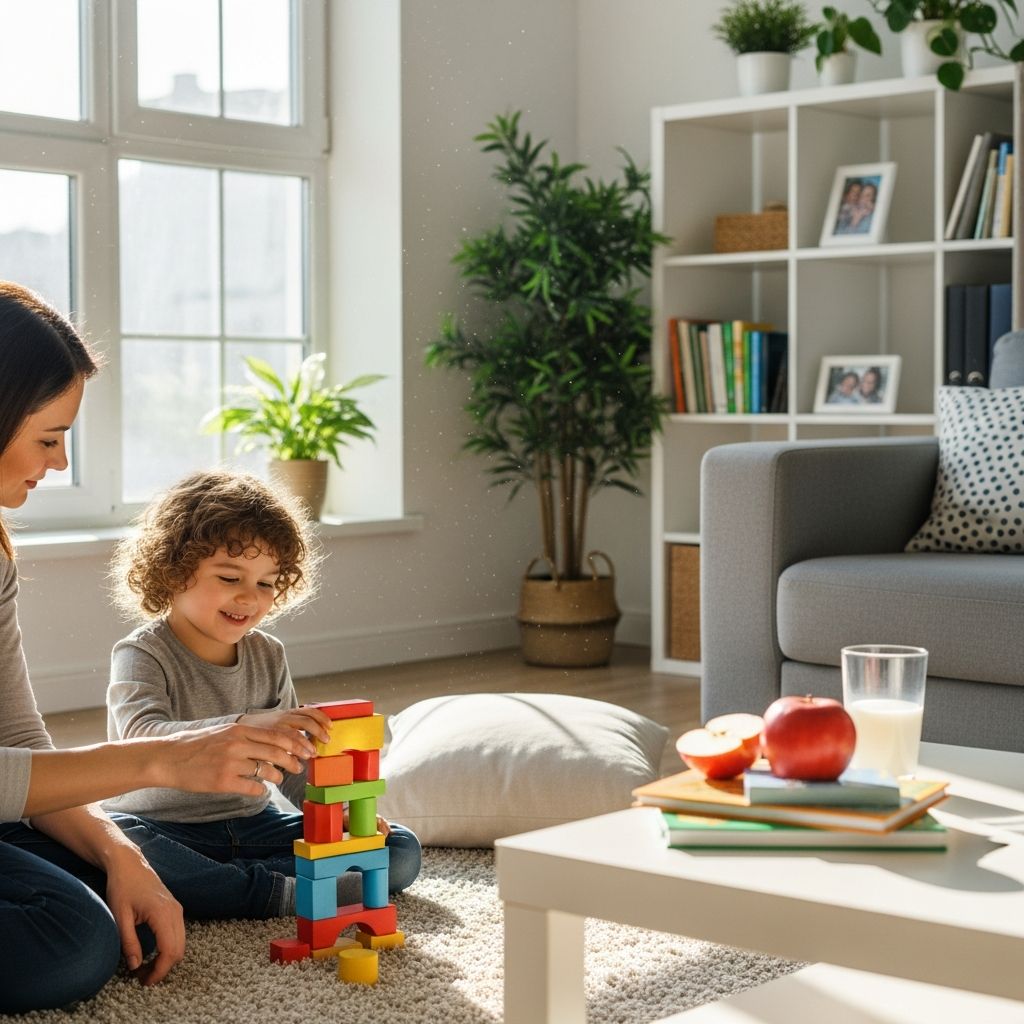
Motherhood transforms lives through acts of daily giving, creating profound emotional rewards and stronger family connections that outlast initial challenges.
The Heart of Maternal Dedication
Becoming a mother often begins with physical changes during pregnancy, where women adapt their bodies, diets, and routines to nurture new life. This foundational commitment extends into sleepless nights and constant caregiving post-birth, reshaping daily existence around a child’s needs. Yet, these efforts cultivate a unique bond, fostering resilience in both parent and child.
Daily routines highlight this dedication: preparing meals with one hand while holding a child, forgoing personal errands for school runs, or pausing career ambitions to attend milestones. Such moments, though demanding, instill values of empathy and patience that ripple through family dynamics.
Emotional Rewards of Parenting Commitment
Amid the demands, mothers report heightened joy from witnessing children’s growth. Simple achievements—like a first step or academic success—bring fulfillment surpassing pre-parenthood pursuits. Research from child development experts underscores how these interactions enhance emotional intelligence in families.
- Shared laughter during playtime builds lasting memories.
- Guiding through challenges strengthens trust and security.
- Celebrating small victories reinforces parental pride.
These rewards create a cycle of positivity, where initial sacrifices yield long-term happiness and purpose.
Societal Views on Parental Roles
Cultural narratives often frame motherhood as the pinnacle of selflessness, rooted in historical gender norms that position women as primary nurturers. Media portrayals reinforce this, showing mothers juggling careers and home life with apparent ease, while overlooking shared responsibilities.
Patriarchal structures contribute, expecting women to prioritize family over personal goals. However, modern shifts toward equality highlight fathers’ increasing involvement, challenging outdated ideals. Working mothers face scrutiny for balancing professional and domestic duties, yet data shows dual-income families thrive with equitable division.
| Traditional View | Modern Perspective |
|---|---|
| Mother as sole caregiver | Shared parenting roles |
| Sacrifice glorified | Balance encouraged |
| Domestic focus | Career-family integration |
Navigating the Balance of Giving and Self-Preservation
The notion that self-care undermines good parenting is a common misconception. Prioritizing rest or hobbies actually enhances parenting quality, as refreshed mothers respond with more patience and creativity. Experts advocate for boundaries to prevent burnout, emphasizing that a fulfilled parent models healthy habits for children.
Practical strategies include:
- Delegating household tasks to partners or older kids.
- Scheduling short personal breaks, like a daily walk.
- Seeking community support through parent groups.
This approach counters the ‘self-sacrifice fallacy,’ proving that personal well-being directly benefits family harmony.
Long-Term Impacts on Family and Society
Motherhood’s investments shape future generations, promoting societal values like compassion and perseverance. Children raised in nurturing environments often excel academically and socially, contributing positively to communities. Economically, supported mothers boost workforce participation, driving growth.
Statistics reveal that families with involved parents experience lower stress levels and higher cohesion. Over decades, these dynamics build resilient societies, where the seeds of sacrifice bloom into collective progress.
Spiritual and Philosophical Dimensions of Parenting
Many find deeper meaning in motherhood through lenses of faith or philosophy, viewing sacrifices as pathways to growth. Biblical references to selfless service parallel parental love, inspiring endurance amid trials. This perspective reframes challenges as opportunities for character building.
Philosophically, motherhood embodies existential purpose—creating and sustaining life amid uncertainty. It teaches acceptance of imperfection, fostering gratitude for fleeting moments of connection.
Practical Tools for Sustainable Motherhood
To thrive, mothers can adopt routines that integrate self-care seamlessly. Morning rituals for personal reflection set positive tones, while evening wind-downs ensure rest. Technology aids with apps for meal planning and virtual support networks.
Building a village—through family, friends, or professionals—distributes loads effectively. Therapy addresses mental health proactively, ensuring emotional reserves for family demands.
Frequently Asked Questions
How can new mothers handle sleep deprivation?
Alternate night shifts with partners, nap when possible, and prioritize short rests to maintain energy.
Is it selfish for moms to pursue hobbies?
No—hobbies recharge energy, improving parenting effectiveness and modeling balance for children.
What role do fathers play in reducing maternal burden?
Active participation in chores, emotional support, and childcare creates equitable partnerships.
How does culture affect views on motherhood?
Stereotypes emphasize sacrifice, but evolving norms promote shared responsibilities and self-care.
Can working motherhood harm family bonds?
Not when balanced; quality time and involvement matter more than quantity.
Real Stories of Maternal Triumph
Mothers worldwide share tales of transformation: one regained career momentum post-maternity, crediting partner support; another found purpose in homeschooling amid career pauses. These narratives illustrate that flexibility turns sacrifices into strengths.
Community forums buzz with tips—batch-cooking meals, co-op childcare—proving collective wisdom eases paths. Resilience shines in overcoming postpartum challenges, emerging with deeper family ties.
Future Outlook for Parenting Evolution
Emerging policies like paid leave and flexible work signal progress, easing maternal strains. Technological aids, from smart monitors to telehealth, streamline care. Advocacy for mental health resources promises holistic support.
As generations progress, expect normalized shared parenting, diminishing sacrifice glorification. Empowered mothers will lead healthier families, perpetuating cycles of fulfillment.
References
- Women and Employment — U.S. Bureau of Labor Statistics. 2023-01-19. https://www.bls.gov/opub/reports/womens-earnings/2022/
- Maternal Mental Health — World Health Organization. 2022-09-06. https://www.who.int/teams/mental-health-and-substance-use/promotion-prevention/maternal-mental-health
- Parenting and Child Development — American Psychological Association. 2024-03-15. https://www.apa.org/topics/parenting
- Family Dynamics and Well-Being — Centers for Disease Control and Prevention. 2023-07-12. https://www.cdc.gov/violenceprevention/childabuseandneglect/fastfact.html
- Work-Life Balance for Parents — Pew Research Center. 2023-11-20. https://www.pewresearch.org/social-trends/2023/11/20/parenting-in-america-today/