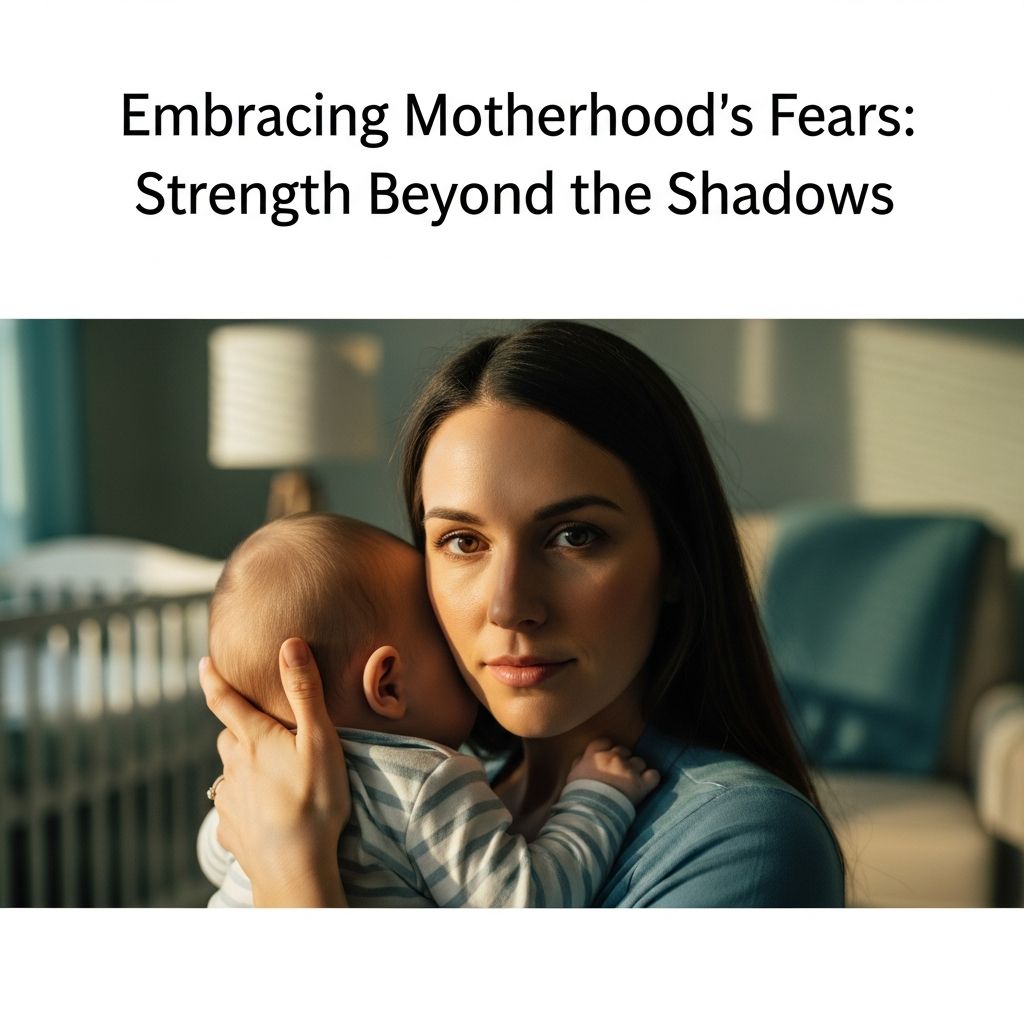
Motherhood transforms lives in profound ways, blending immense joy with unexpected emotional hurdles. Many new parents encounter intense fears that can feel overwhelming, from vivid intrusive thoughts to relentless worries about their child’s safety. These experiences are far more common than often acknowledged, affecting countless mothers regardless of background.
Understanding the Hidden Anxieties of New Parenthood
The transition to motherhood frequently amplifies underlying anxieties. Expecting mothers often grapple with uncertainties about their capacity to nurture, bond with their baby, and handle daily demands. Studies reveal that pregnant women commonly fear failing to meet their infant’s needs, such as breastfeeding successfully or fostering an emotional connection. One qualitative survey highlighted concerns like “whether the feelings of love will awake for the child” among primipara mothers.
These fears extend beyond pregnancy into early parenthood. Health-related worries spike, particularly post-pandemic, with parents fixating on illnesses ranging from common infections to severe conditions. Intrusive thoughts—unwanted, distressing mental images—manifest as “what if” scenarios, disrupting peace and fostering isolation.
- Common intrusive themes: Imagining accidents, illnesses, or even harm to the child, which feel horrifying yet involuntary.
- Impact on daily life: These thoughts interrupt routines, heighten vigilance, and strain relationships.
Such mental patterns are symptoms of anxiety, especially prevalent in those with prior mental health histories or conditions like OCD. Recognizing them as common normalizes the experience, reducing shame.
Navigating Sleep Deprivation and Its Lasting Toll
Sleep loss stands as one of motherhood’s most grueling realities. New mothers endure fragmented nights, leading to chronic exhaustion that exacerbates emotional vulnerabilities. Research links prolonged sleep deprivation to increased risks of depression, anxiety, panic attacks, and impaired decision-making.
Unlike pre-baby life, where rest was negotiable, motherhood demands constant responsiveness. Mothers report fears of perpetual insomnia, with quotes like “I’m afraid I’ll never get a good night’s sleep again.” This fatigue compounds other stressors, creating a cycle of irritability and self-doubt.
| Challenge | Short-Term Effects | Long-Term Risks |
|---|---|---|
| Sleep Deprivation | Restlessness, poor focus | Depression, anxiety disorders |
| Constant Night Wakings | Physical exhaustion | Weakened immune system |
| Lack of Recovery Time | Emotional volatility | Burnout, strained partnerships |
To mitigate this, prioritize micro-rests, delegate nighttime duties when possible, and consult healthcare providers for sustainable sleep strategies.
The Weight of Mom Guilt and Societal Pressures
Mom guilt permeates modern parenting, starting in pregnancy and persisting through childhood. Societal ideals dictate “perfect” motherhood—exclusive breastfeeding, organic meals, elite preschools—fueling self-criticism for any deviation.
This guilt manifests as regret over perceived shortcomings: not spending enough quality time or over-involvement blamed for a child’s flaws. Single mothers face amplified pressures, juggling financial instability, stigma, and solo responsibilities, often leading to poverty-linked mental health strains.
Gender roles exacerbate this; women shoulder disproportionate childcare and household loads, resulting in higher depression and exhaustion rates. Body image struggles compound the issue, with media portrayals of flawless post-baby figures breeding comparison and self-loathing.
- Strategies to combat guilt: Reframe expectations, practice self-compassion, and seek affirming communities.
Postpartum Mental Health: Anxiety and Depression Realities
Postpartum anxiety (PPA) and depression (PPD) affect about 1 in 7 women, yet remain under-discussed. PPA symptoms include excessive worry, racing thoughts, physical unease like nausea or hot flashes, and sleep issues beyond newborn demands.
The “expectation vs. reality” gap intensifies these conditions. Idealized depictions of blissful motherhood clash with tantrums, defiance, and work-life imbalances, fostering inadequacy. Pre-birth anxiety correlates with negative motherhood attitudes and adjustment difficulties.
Single parenting adds layers: economic hardship, co-parenting conflicts, and isolation heighten vulnerability. Yet, awareness is growing, with calls for better mental health support in maternal care.
Dark Intrusive Thoughts: When Fears Turn Violent or Catastrophic
Among the most distressing are intrusive thoughts involving violence or abuse. Mothers may envision harming their child intentionally or scenarios of trusted adults doing so—these feel alien and terrifying.
Health anxieties dominate too: fears of fatal illnesses or accidents grip parents, amplified by global events like pandemics. These “scary thoughts” are motherhood’s shadow side, where love’s depth breeds proportional dread of loss.
Importantly, these thoughts do not predict actions; they signal anxiety needing management, not judgment. Professional support distinguishes normal worries from clinical concerns.
Building Resilience: Practical Tools for Fearful Moms
Confronting motherhood’s fears requires proactive steps. Start with grounding techniques: mindfulness, deep breathing, or journaling to externalize thoughts.
- Seek professional help: Therapy for intrusive thoughts or PPA; medication if recommended.
- Build support networks: Connect with other moms via groups or online forums to normalize experiences.
- Reframe narratives: Challenge guilt by celebrating small wins and adjusting “perfect” standards.
- Prioritize self-care: Short walks, hobbies, or partner-shared duties restore balance.
- Educate on symptoms: Early recognition of PPD/PPA enables timely intervention.
Physical health bolsters mental: nutrition, exercise, and sleep hygiene counteract deprivation’s toll.
Relationship Dynamics Under Motherhood Stress
Fears strain partnerships. Sleep-deprived arguments, resentment over uneven loads, or emotional distance from constant baby focus erode bonds. Pregnant parents worry about partner compatibility in crises or helplessness during birth.
Communication is key: Schedule check-ins, express needs vulnerably, and redistribute tasks equitably. For single moms, community resources like parenting classes or financial aid provide vital backups.
Long-Term Perspectives: Fears Fade, Strength Endures
As children grow, fears evolve—from SIDS to teen risks—but so does parental confidence. Motherhood’s challenges forge resilience, turning vulnerability into empowerment. Many report that facing fears head-on deepens joy and gratitude.
Ultimately, acknowledging fears demystifies them. You’re not alone; your strength surpasses the shadows.
Frequently Asked Questions (FAQs)
Are intrusive thoughts in motherhood normal?
Yes, they are common, especially anxiety-related, and do not reflect intent. They affect many parents and respond well to therapy.
How can I manage postpartum anxiety symptoms?
Track symptoms, practice mindfulness, build support, and consult professionals. Early intervention prevents escalation.
What causes mom guilt and how to overcome it?
Societal pressures fuel it; counter with self-compassion, realistic goals, and peer validation.
Is sleep deprivation dangerous for mental health?
Absolutely—it heightens depression and anxiety risks. Prioritize rest strategies and seek help if persistent.
Do all new moms experience these fears?
Most do to varying degrees; prenatal worries about bonding and coping are widespread.
References
- Scary Thoughts in Motherhood | Imagining The Worst Case Scenario — Perinatal Collective. Accessed 2026. https://perinatalcollective.com/scary-thoughts-in-motherhood/
- Top 10 Challenges of the Modern Mom — Peachey Counselling. 2021. https://www.peacheycounselling.ca/blog/2021/top-ten-challenges-of-the-modern-mom
- Parenting Fears and Concerns during Pregnancy: A Qualitative Survey — PMC (National Library of Medicine). 2021-12-21. https://pmc.ncbi.nlm.nih.gov/articles/PMC8715455/
- Being a Mom is Hard: Overcoming the Challenges — Talkspace. Accessed 2026. https://www.talkspace.com/blog/challenges-of-motherhood/