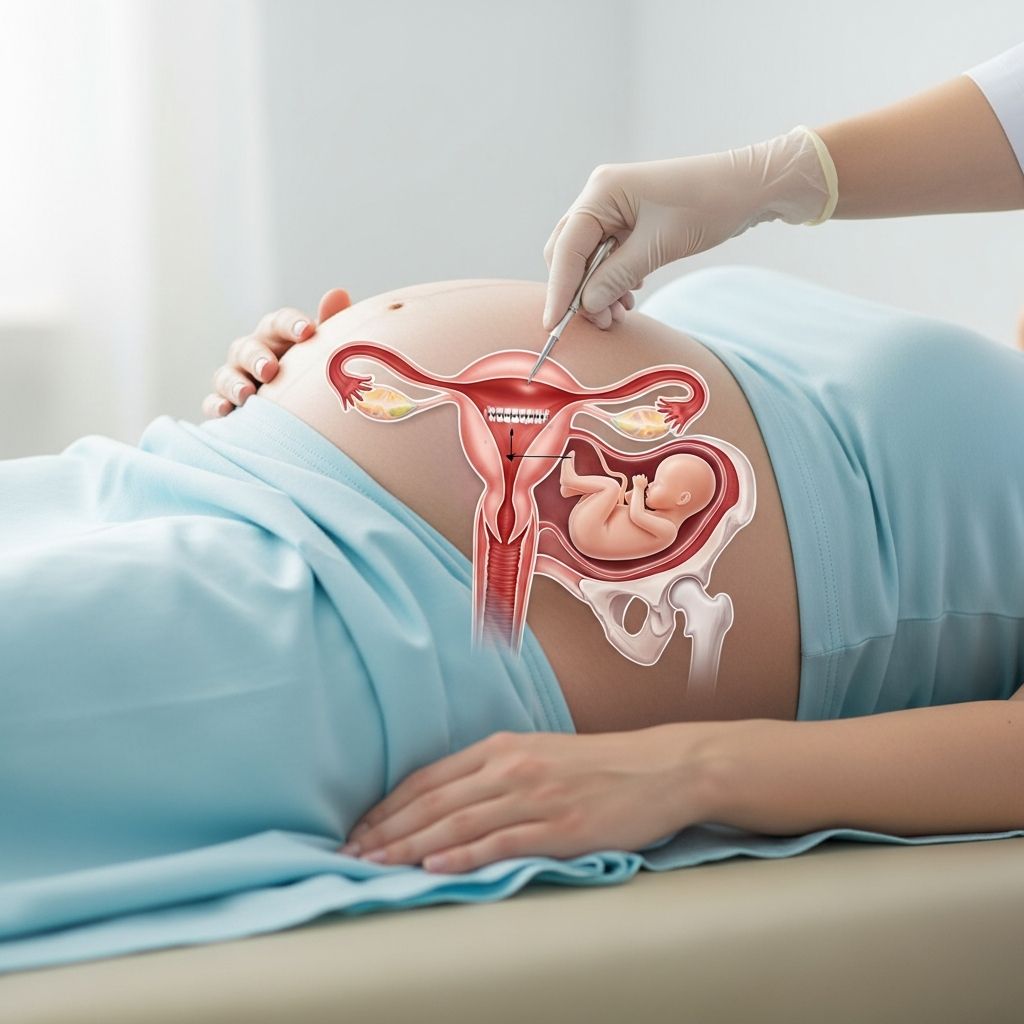
Viewing motherhood through the lens of privilege transforms how we approach parenting, emphasizing joy, growth, and empowerment over mere obligation. This perspective counters long-standing narratives of sacrifice, highlighting the unique opportunities and profound rewards of raising children.
Understanding Motherhood Beyond Sacrifice
Historically, motherhood has been framed as a selfless act where women give up personal ambitions, career trajectories, and even bodily autonomy for their children. This view positions mothers as martyrs, reinforcing stereotypes that undervalue their contributions. Yet, reframing it as a privilege acknowledges the choice and fulfillment inherent in nurturing new life.
Society often perpetuates this sacrifice myth through media and cultural expectations, suggesting that true motherhood demands total devotion at the expense of self. In reality, embracing motherhood as a privilege allows women to reclaim agency, seeing it as a selfishly rewarding pursuit that enriches life in unexpected ways.
The Essential Gift of Parental Time
One of the greatest privileges of motherhood is the undivided time spent with young children, fostering deep emotional bonds and developmental milestones. Research and personal accounts emphasize that newborns and toddlers thrive most with consistent parental presence, countering the modern obsession with early independence.
During the early years, this time investment shapes a child’s sense of security and cognitive growth. Parents who prioritize presence over external validations like paid work report higher family satisfaction, challenging the cultural fetishization of career as the sole measure of worth.
- Emotional bonding: Daily interactions build trust and empathy.
- Cognitive development: Responsive caregiving enhances language and problem-solving skills.
- Long-term outcomes: Children with ample parental time show better social adjustment.
Contemporary Ideals of Modern Mothering
Today’s mothers navigate a complex web of norms that define ‘good’ parenting. Studies over two decades identify key expectations: constant attentiveness, future-oriented planning, work-life integration, public composure, and personal contentment. These ideals create diverse mother archetypes, from the ever-present caregiver to the balanced professional.
| Mother Type | Core Norm | Challenges |
|---|---|---|
| Present Mother | Attentiveness | Balancing daily demands |
| Future-Oriented Mother | Success preparation | Pressure for achievements |
| Working Mother | Employment integration | Career-family tension |
| Public Mother | Control and poise | Social judgment |
| Happy Mother | Contentment | Suppressing struggles |
These norms, while aspirational, often exacerbate inequalities, particularly under neoliberal pressures that demand perpetual productivity.
Family Structures and the Two-Parent Advantage
The privilege of stable family structures cannot be overstated. Children in two-parent households generally experience greater stability, with dual incomes reducing financial precarity and complementary parenting styles enhancing childrearing effectiveness.
Historical reports, like the 1965 Moynihan analysis, highlighted risks of single-parent homes, a point still relevant today despite resistance from some ideological circles. Promoting two-parent ideals supports child welfare without blaming individuals.
Personal Fulfillment in the Mothering Role
Motherhood offers unparalleled personal growth, positioning it as a noble calling rather than a secondary pursuit. Investing in a child’s development mirrors life’s creative essence, yielding rewards that surpass professional accolades.
Mothers often describe this role as transcendent, where witnessing a child’s progress evokes deep purpose. This fulfillment transcends societal devaluations, affirming motherhood’s honor.
Societal Pressures and the Myth of Perfect Timing
Women frequently delay motherhood seeking the ‘ideal’ moment, influenced by gender inequalities in support systems. This pursuit of perfection stems from lacking privileges like flexible work or robust childcare, turning autonomy into a barrier.
Society idealizes specific motherhood types—flawless, joyful, career-compatible—pressuring women to conform. Recognizing these as constructs helps dismantle unrealistic standards.
Intersectional Dimensions of Maternal Privilege
Privilege in motherhood intersects with race, class, and geography. For instance, media coverage of maternal crises often privileges certain narratives, marginalizing others. Critical approaches reveal how power dynamics shape motherhood experiences across diverse groups.
White, affluent mothers may access more resources, while others face compounded barriers. Acknowledging this fosters equitable support.
Empowering Strategies for Privileged Motherhood
To fully embrace motherhood’s privileges:
- Prioritize self-care to sustain energy for family.
- Seek community support networks.
- Advocate for policies like paid leave and affordable childcare.
- Reframe internal dialogues from sacrifice to opportunity.
These steps enhance fulfillment and model resilience for children.
Frequently Asked Questions (FAQs)
Is motherhood more sacrifice or privilege?
It’s both, but emphasizing privilege empowers mothers, shifting focus from loss to gain and fostering joy in the role.
How does parental time impact child development?
Consistent presence in early years builds secure attachments and supports holistic growth, outperforming rushed interactions.
What are modern motherhood norms?
Key norms include attentiveness, future-planning, work integration, control, and happiness, varying by individual context.
Why is two-parent structure beneficial?
It provides stability, shared responsibilities, and complementary support, improving outcomes for children.
Can motherhood coexist with career ambitions?
Yes, through intentional boundaries, support systems, and societal policy changes like flexible work.
Building Supportive Ecosystems for Mothers
Systemic changes amplify motherhood’s privileges. Governments and employers must expand paid family leave, subsidize childcare, and normalize part-time options. Maternal feminism advocates for valuing home-based care without penalizing career returns.
Communities thrive when mothers feel supported, reducing isolation and enhancing collective well-being. Education campaigns can reframe public discourse, celebrating motherhood’s multifaceted rewards.
In essence, motherhood’s privilege lies in its transformative power—shaping lives while enriching the mother’s own. By challenging outdated narratives, we unlock its full potential for individuals and society.
References
- The Privilege of Time: A Review of Motherhood — Literary Mama. 2025-03-01. https://literarymama.com/articles/departments/2025/03/the-privilege-of-time-a-review-of-motherhood
- Motherhood – sacrifice or privilege? — Baby Butterflies and Coffee. 2018-03-04. https://babybutterfliesandcoffee.com/2018/03/04/motherhood-sacrifice-or-privilege/
- What makes a good mother? Two decades of research reflecting contemporary norms of motherhood — PMC (PubMed Central). 2024-01-01. https://pmc.ncbi.nlm.nih.gov/articles/PMC10947397/
- The Two-Parent Privilege — Glenn Loury, Substack. 2023-01-01. https://glennloury.substack.com/p/the-two-parent-privilege
- The Incredible Privilege of Motherhood — FamilyLife. 2020-01-01. https://www.familylife.com/articles/topics/parenting/essentials/mothers/what-about-a-mothers-personal-fulfillment/
- Should I have children? Why society’s idealisation of motherhood… — Loughborough University. 2024-01-01. https://www.lboro.ac.uk/schools/social-sciences-humanities/news/2024/societys-idealisation-of-motherhood/