Parenting is a transformative journey that reshapes women into resilient forces of nature. Rather than challenges fading away, they evolve, demanding constant adaptation and growth. This process uncovers hidden reserves of power, turning ordinary moments into milestones of personal fortitude.
The Myth of ‘It Gets Easier’
Many new parents hear the reassuring phrase ‘it gets easier,’ but reality paints a different picture. Each phase of child-rearing brings unique hurdles: sleepless nights with infants give way to toddler tantrums, school pressures, and adolescent independence struggles. The core truth is that motherhood hones your abilities, making you more equipped to handle whatever comes next.
Consider the physical and emotional toll. Early days involve round-the-clock care, where exhaustion becomes a constant companion. As children grow, demands shift to emotional support, logistical mastery, and boundary-setting. This progression doesn’t lighten the load; it builds capacity, like training for an endless marathon.
Physical Resilience: From Survival to Mastery
Mothers often discover astonishing physical capabilities they never knew existed. Carrying a child, managing household chores, and juggling errands while fatigued becomes second nature.
- Multitasking prowess: Balancing a baby on one hip, cooking dinner, and helping with homework sharpens coordination and stamina.
- Endurance building: Late-night fevers or early-morning school runs train the body to push limits repeatedly.
- Adaptive strength: Navigating strollers up stairs or chasing energetic toddlers enhances agility and core power.
These experiences mirror athletic training, where repeated stress leads to muscle adaptation and greater output. Mothers emerge not just surviving, but thriving under pressure.
Emotional Fortitude in the Face of Chaos
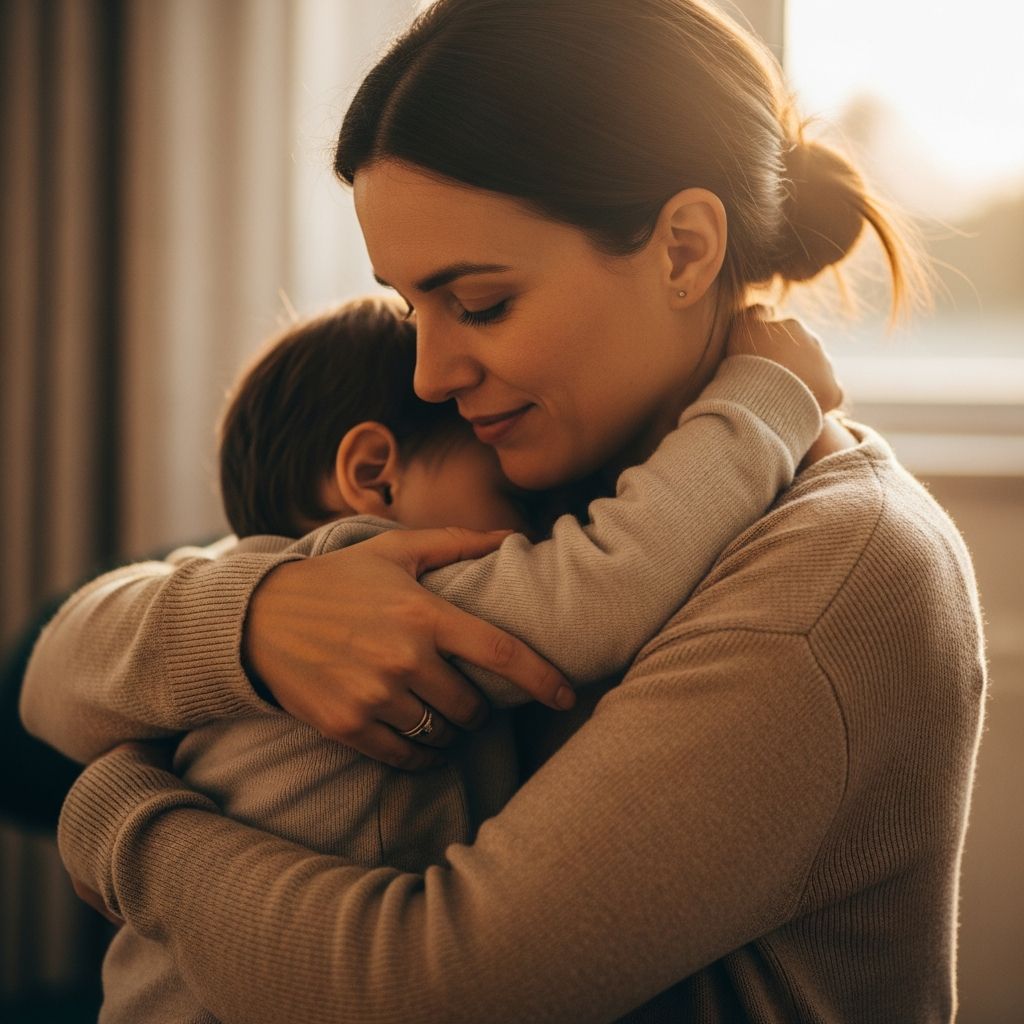
Emotionally, parenting is a forge for the soul. Heartbreak from a child’s first fall, joy from their triumphs, and frustration from defiance all temper emotional resilience.
| Challenge | Emotional Growth | Example |
|---|---|---|
| Newborn cries | Patience and empathy | Soothing without frustration builds calm under stress |
| Toddler ‘no’ phases | Boundary enforcement | Consistent responses foster self-control |
| Teen conflicts | Empathetic detachment | Guiding without controlling strengthens wisdom |
This table illustrates how specific trials cultivate targeted emotional skills, creating a well-rounded emotional toolkit.
Mental Sharpness: The Mom Brain Advantage
Often dismissed as ‘mom brain,’ cognitive shifts in motherhood actually enhance mental acuity. The need to remember appointments, allergies, and emotional cues hones memory and foresight.
- Strategic planning: Anticipating needs days ahead, like packing for outings or prepping meals.
- Crisis management: Quick thinking during spills, illnesses, or meltdowns.
- Creative problem-solving: Inventing games from household items or negotiating peace among siblings.
Research from child development experts underscores how these demands boost neural pathways associated with executive function, making mothers exceptionally adept at high-stakes decision-making.
Social Superpowers: Building Networks and Advocacy
Motherhood expands social skills, from playground diplomacy to advocating in schools. Women learn to navigate groups, assert needs, and form supportive communities.
These interactions build confidence in voicing concerns, whether negotiating with doctors or teachers. Over time, this translates to broader life empowerment, as moms become natural leaders in their circles.
Evolving Challenges Across Parenting Stages
Infancy: The Endurance Foundation
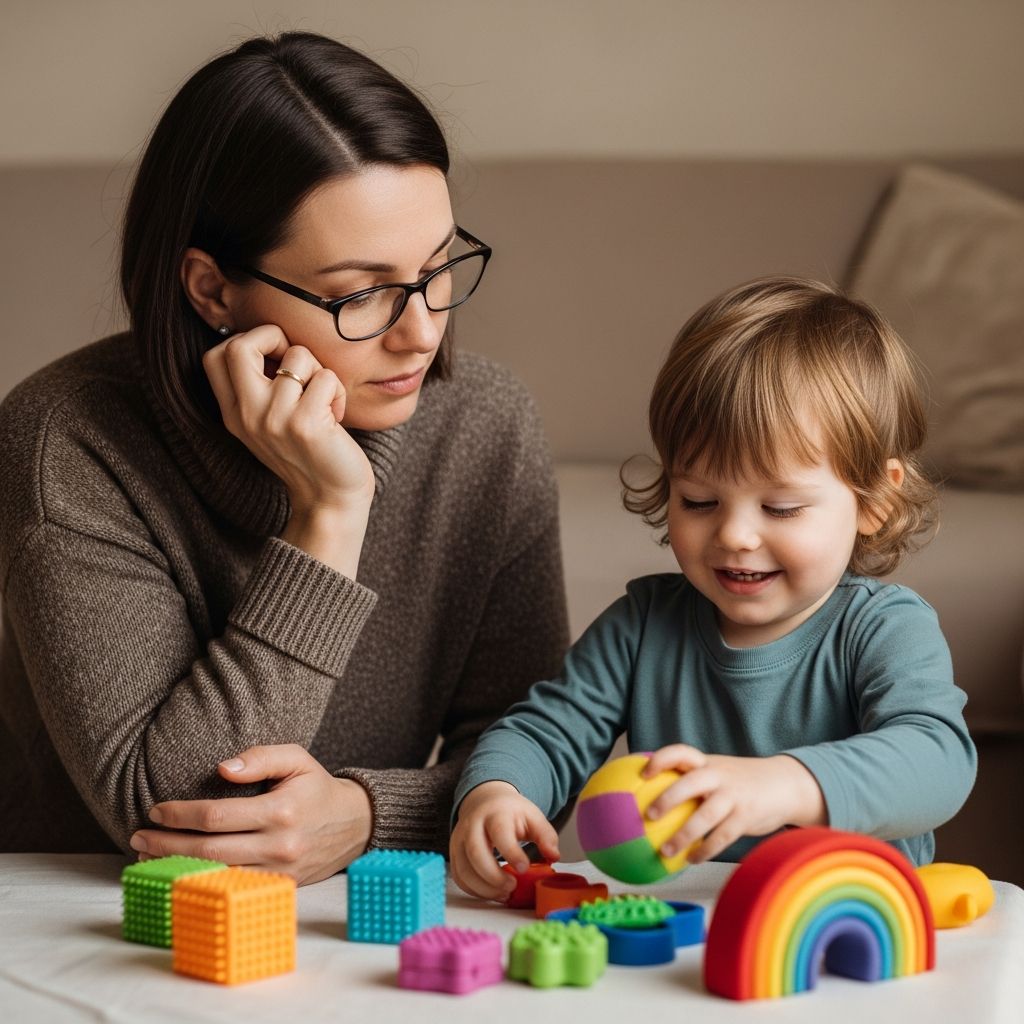
The newborn phase tests sleep deprivation tolerance and intuitive caregiving. Surviving it lays the groundwork for all future resilience.
Toddlerhood: Patience Under Fire
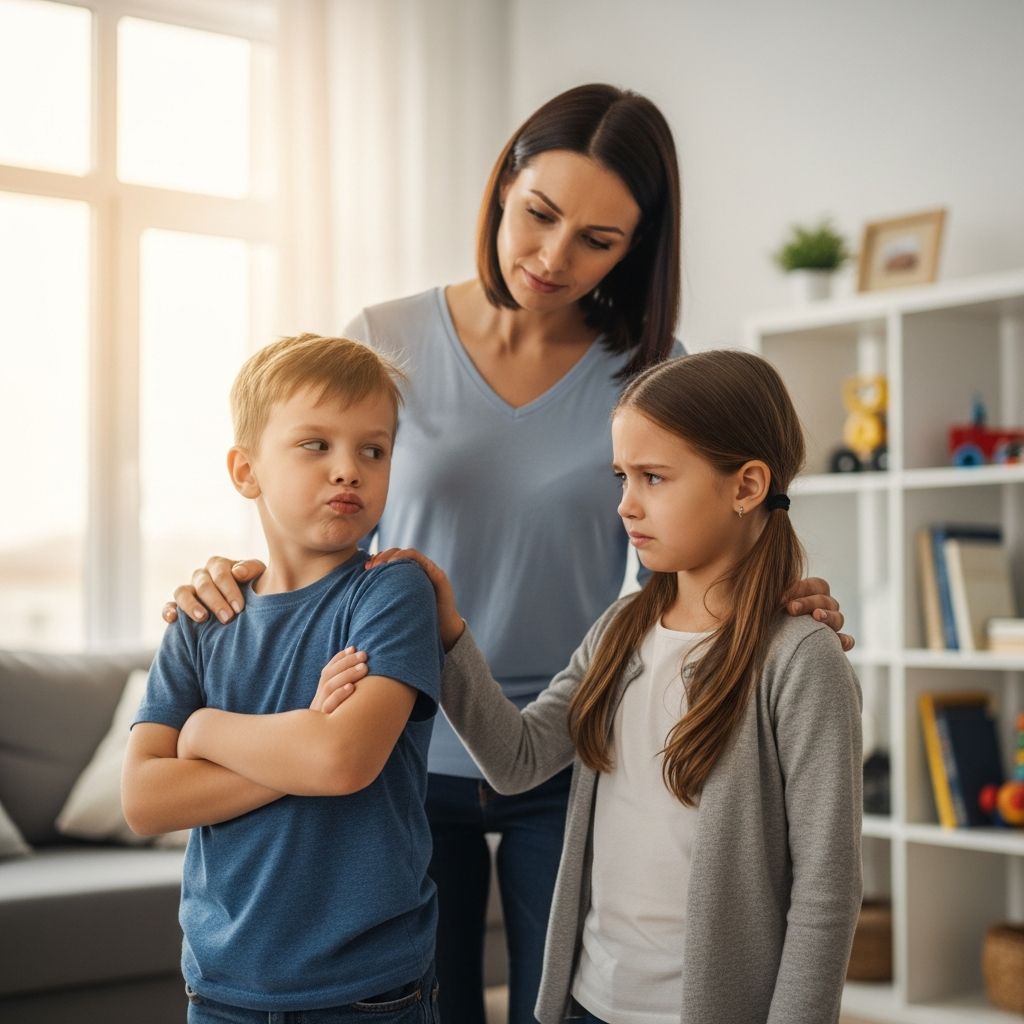
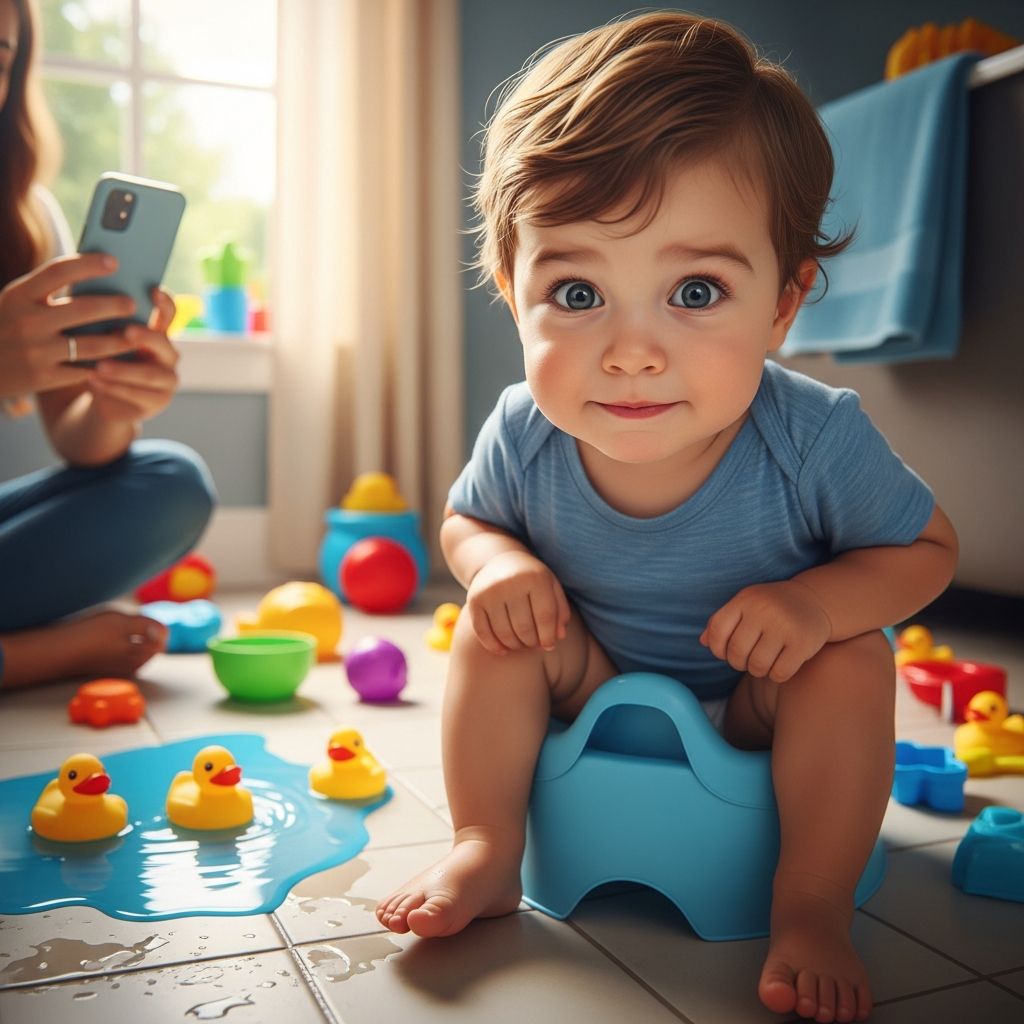
Boundary battles and endless energy demands teach unyielding consistency and humor in adversity.
School Age: Logistical Wizardry
Homework, activities, and social dynamics require orchestration skills rivaling project managers.
Adolescence: The Ultimate Trust Test
Letting go while staying connected demands profound emotional intelligence and faith in your guidance.
Each stage swaps one difficulty for another, but accumulated wisdom makes navigation smoother.
Self-Care: Fueling the Strength Engine
Sustaining this growth requires intentional replenishment. Neglect self-care, and burnout looms.
- Micro-breaks: Five-minute meditations or walks recharge instantly.
- Community support: Sharing loads with partners or friends prevents isolation.
- Boundary setting: Saying no protects energy for what matters most.
Prioritizing these sustains the momentum of personal evolution.
Real Stories of Maternal Transformation
Countless women echo this journey. One mother recounts hauling groceries uphill with a toddler in tow, a feat unimaginable pre-kids. Another describes emerging from postpartum fog with sharpened instincts that guide her career.
These anecdotes reveal a universal pattern: motherhood strips away fragility, revealing a core of steel.
Long-Term Gains: Beyond the Nest
The strengths forged in parenting extend lifelong. Enhanced empathy aids relationships, resilience buffers career setbacks, and patience enriches all interactions.
As children launch, mothers carry forward a legacy of capability, ready for new chapters with proven grit.
Frequently Asked Questions
When does motherhood start feeling manageable?
It evolves rather than simplifies. Skills grow with experience, making challenges feel surmountable.
Is it normal to feel overwhelmed at every stage?
Absolutely. Each phase has peaks; resilience builds through them.
How can I build strength faster?
Practice self-compassion, seek support, and celebrate small wins daily.
Does fatherhood build similar strength?
Yes, parenting universally cultivates resilience, though experiences vary.
What if I don’t feel stronger?
Strength is often invisible amid chaos. Reflect on past hurdles you’ve overcome.
Embracing the Power Within
Motherhood is an ongoing sculpting process, chiseling away doubt to reveal enduring power. Celebrate this alchemy, for in its trials lies your greatest evolution.
References
- Physical Activity Guidelines for Americans — U.S. Department of Health and Human Services. 2018-10-07. https://health.gov/sites/default/files/2019-09/Physical_Activity_Guidelines_2nd_edition.pdf
- Maternal Mental Health Leadership Alliance Guidelines — Postpartum Support International. 2023-05-15. https://postpartum.net/wp-content/uploads/2023/05/PSIL-Maternal-Mental-Health-Guidelines-2023.pdf
- Executive Function in the Toddler Years — American Psychological Association. 2024-02-12. https://www.apa.org/pubs/journals/releases/dev-dev0001234.pdf
- Resilience in Parenting: A Longitudinal Study — Journal of Family Psychology (APA). 2022-11-01. https://doi.org/10.1037/fam0000987
- WHO Guidelines on Maternal and Child Health — World Health Organization. 2025-01-20. https://www.who.int/publications/i/item/9789240086743