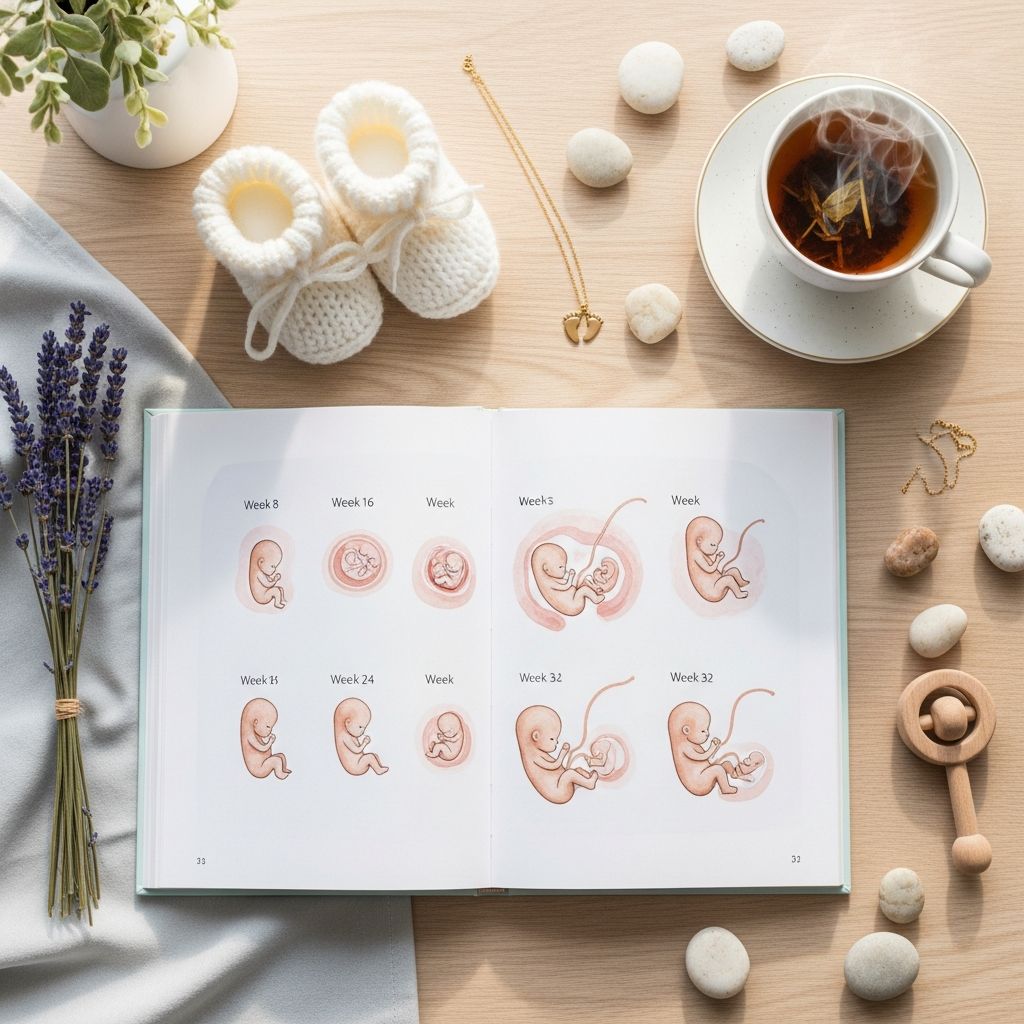
The journey into motherhood represents one of life’s most profound transformations, reshaping identities, priorities, and worldviews in ways that echo through generations. For many women, embracing this role becomes the pinnacle of personal fulfillment, a sacred commitment to guide, protect, and love unconditionally. This exploration uncovers the multifaceted essence of motherhood, drawing on psychological insights to illuminate its rewards and hurdles, particularly within mother-daughter connections.
The Transformative Power of Becoming a Mother
Entering motherhood ignites a cascade of emotional and physiological changes, forging an indelible bond between parent and child. This connection often begins in pregnancy, intensifying through birth and early caregiving, where instincts drive selfless devotion. Research highlights how these early interactions lay the foundation for a child’s emotional security, influencing their future relationships and self-perception.
Mothers frequently describe an overwhelming sense of purpose, where daily routines—feeding, soothing, playing—evolve into milestones of shared growth. This phase demands resilience amid sleep deprivation and uncertainty, yet it yields unparalleled intimacy. As children develop, mothers adapt, balancing provision with encouragement of independence, fostering environments where curiosity thrives.
- Emotional Resilience: Motherhood cultivates patience and empathy, turning challenges into sources of strength.
- Personal Growth: It prompts self-reflection, often leading to healed past wounds and redefined ambitions.
- Lasting Legacy: Actions today shape family narratives for decades.
Navigating the Mother-Daughter Bond Across Lifespans
The mother-daughter relationship stands as a cornerstone of familial dynamics, evolving from infancy’s dependency to adulthood’s mutual companionship. Early years feature nurturing care, where responsiveness to a daughter’s needs builds secure attachment, correlating with lower depressive symptoms and higher self-esteem in later life.
As daughters reach adolescence, tensions may arise from identity formation and boundary-setting. Mothers must navigate the shift from protector to supporter, allowing space for autonomy while maintaining emotional availability. Studies indicate that childhood attachment styles—such as avoidance or anxiety—persistently impact adult well-being, modulated by current relational quality. For single daughters or those with children, early bonds remain pivotal, while childless married daughters benefit more from ongoing closeness.
| Life Stage | Key Dynamics | Psychological Impact |
|---|---|---|
| Infancy/Childhood | Caregiving and attachment formation | Builds self-esteem, reduces anxiety |
| Adolescence | Independence vs. support | Potential conflicts; fosters identity |
| Adulthood | Mutual respect and companionship | Enhances well-being if egalitarian |
Challenges in Mother-Daughter Interactions
Despite its beauty, the mother-daughter bond encounters obstacles rooted in generational patterns and societal pressures. Cultural expectations often position women as perpetual caregivers, sidelining their needs and perpetuating cycles of emotional silencing. Daughters may internalize unvoiced maternal expectations, leading to role reversal where children parent their parents, breeding resentment and codependency.
Toxic patterns emerge when unresolved maternal trauma manifests as criticism, rejection, or over-involvement. Research links perceived maternal hostility to diminished decision-making agency and heightened anxiety. Societal gender roles exacerbate this, creating ‘either-or’ dynamics where only one party’s needs are validated, fueling conflict. Daughters of unavailable mothers often grapple with shame, low self-worth, and relational fears, while mothers feel unappreciated.
- Role Reversal: Daughters assume caregiving too early, fearing abandonment.
- Emotional Manipulation: Mind-reading unexpressed needs leads to exhaustion.
- Intergenerational Trauma: Unresolved issues pass down, affecting attachment.
Strategies for Cultivating Healthy Connections
Healing and strengthening these bonds requires intentional effort. Prioritizing open communication breaks silence cycles, allowing both parties to voice needs honestly. Active listening and empathy bridge gaps, transforming misunderstandings into deeper understanding.
Quality shared experiences—walks, hobbies, heartfelt talks—rebuild closeness without pressure. Respecting individuality honors unique paths, reducing clashes over choices. Professional therapy proves invaluable, unpacking dynamics like patriarchal silencing and fostering egalitarian ties. Even unilateral changes, such as a daughter’s boundary-setting, can shift the relationship positively.
- Schedule regular, device-free time together.
- Practice ‘I’ statements to express feelings.
- Seek counseling for entrenched patterns.
- Celebrate each other’s achievements independently.
The Enduring Rewards of Maternal Love
Beyond challenges, motherhood’s joys compound over time. Witnessing a daughter’s triumphs—graduations, careers, families—affirms the investment. Adult relationships often blossom into friendships, enriched by shared wisdom and laughter. This evolution underscores motherhood’s privilege: not just raising a child, but co-creating a resilient human.
Psychological well-being flourishes in supportive bonds, with closeness buffering life’s stresses. Mothers gain companionship, daughters inherit empowerment, perpetuating positive cycles. In vulnerability, strength emerges, proving love’s capacity to mend and elevate.
Frequently Asked Questions
What role does early attachment play in adult mother-daughter relationships?
Early attachment significantly influences psychological well-being; secure bonds reduce depression and boost self-esteem into adulthood.
How can mothers support daughters during adolescence?
By granting independence while offering consistent emotional support, mothers aid healthy identity development.
Is therapy effective for strained mother-daughter ties?
Yes, even if one party participates, therapy can alter dynamics through behavioral changes and insight.
What are signs of toxic patterns in these relationships?
Constant criticism, role reversal, emotional manipulation, and rejection indicate toxicity.
Can mother-daughter bonds improve in adulthood?
Absolutely, through mutual respect, communication, and shared activities, evolving into egalitarian companionship.
This comprehensive view of motherhood reveals its depth: a tapestry of sacrifice, joy, growth, and unbreakable love. By addressing challenges head-on, families forge legacies of emotional richness.
References
- Adult mother-daughter relationships and psychological well-being — PubMed. 2008-07-26. https://pubmed.ncbi.nlm.nih.gov/18678061/
- Exploring the Complexities of Mother-Daughter Relationships — LifesJourneyKY. 2023 (approx., recent post). https://www.lifesjourneyky.com/post/exploring-the-complexities-of-mother-daughter-relationships-navigating-love-boundaries-and-commu
- Uncovering the root cause of mother-daughter conflict — American Counseling Association. 2023 (approx.). https://www.counseling.org/publications/counseling-today-magazine/article-archive/article/legacy/uncovering-the-root-cause-of-mother-daughter-conflict
- Understanding 7 Mother Types and Their Emotional Influence — Terri Cole. 2023 (approx.). https://www.terricole.com/7-mother-types-emotional-impact/