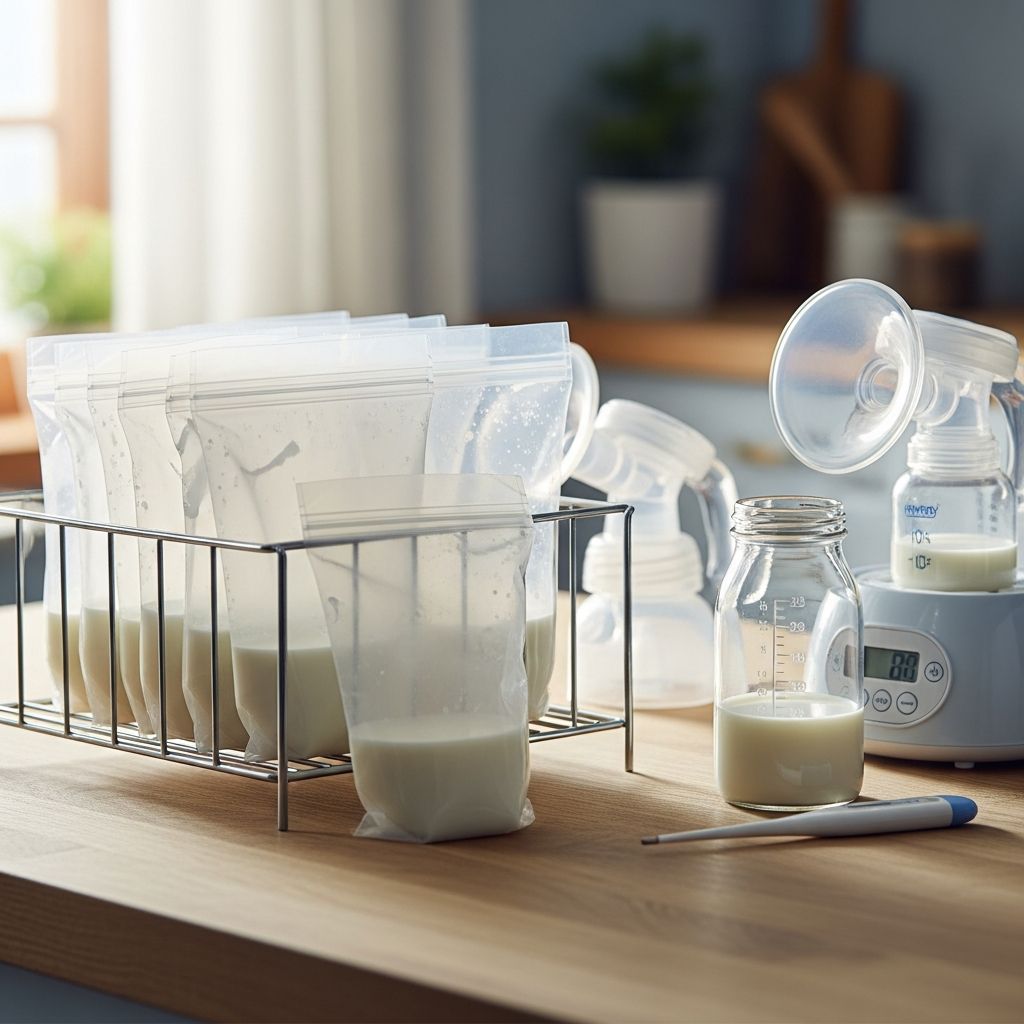
Preserving breast milk through freezing allows parents to maintain a flexible feeding routine while ensuring their baby receives vital nutrients. Proper techniques safeguard the milk’s antibodies, vitamins, and fats, which support infant immunity and growth. This guide draws from authoritative health organizations to outline best practices for every stage.
Why Freeze Breast Milk?
Freezing breast milk extends its usability beyond fresh expression, ideal for working parents, travel, or building a supply. Fresh milk retains optimal bacteria-fighting properties and higher antioxidant levels, but frozen reserves prevent waste and provide backup during low-production periods. Studies show frozen milk, when handled correctly, retains most immunological benefits, making it a reliable option for full-term, healthy infants.
Building a freezer stash requires planning. Start with small batches matching your baby’s typical intake—usually 2-4 ounces per feed—to minimize thawing excess. Label each container with the expression date to follow the ‘first in, first out’ principle, ensuring freshest use.
Choosing the Right Storage Containers
Select containers designed for breast milk to avoid contamination and nutrient loss. Opt for BPA-free plastic bottles, glass jars with tight lids, or specialized breast milk storage bags. These materials withstand freezing without leaching chemicals; avoid regular plastic bags or disposable liners, which may leak or rupture.
Key features for containers:
- Tight-sealing lids: Prevent air exposure and freezer burn.
- Expansion space: Leave 1-2 inches at the top, as milk expands up to 10% when frozen.
- Label-friendly: Use permanent markers or printed labels for date, time, and volume.
- Stackable design: Bags flatten for efficient freezer organization.
Glass offers reusability but requires careful handling to prevent breakage. Bags are disposable and space-saving, perfect for deep freezers. Always sterilize before first use and ensure cleanliness during pumping.
Storage Duration Guidelines by Location
Storage times vary by temperature and milk type. Place containers in the coldest spots—back of refrigerator or freezer shelves, away from doors—to minimize fluctuations. Below is a comprehensive table based on consensus from health authorities for healthy, full-term infants.
| Type of Milk | Room Temperature (≤77°F/25°C) | Refrigerator (≤40°F/4°C) | Freezer (0°F/-18°C) | Deep Freezer (≤-4°F/-20°C) |
|---|---|---|---|---|
| Freshly Expressed | Up to 4 hours | Up to 4 days | 6 months best; 12 months OK | Up to 12 months |
| Thawed Previously Frozen | 1-2 hours | Up to 24 hours | Do not refreeze | Do not refreeze |
These guidelines prioritize safety; for preterm or hospitalized infants, consult pediatric guidelines, which may be stricter. Refrigerate fresh milk promptly if not using immediately, as chilling preserves more live cells than room temperature storage.
Step-by-Step Freezing Process
Follow these steps to freeze milk hygienically:
- Pump cleanly: Use sterilized pump parts and wash hands thoroughly.
- Chill first: Refrigerate pumped milk for 30-60 minutes before freezing to avoid warming adjacent frozen stock.
- Portion wisely: Divide into 2-4 oz amounts; avoid large volumes that lead to waste.
- Fill partially: Leave headspace for expansion; lay bags flat for faster freezing.
- Label precisely: Note date, time, and ounces (e.g., “10/15/2025 2pm – 3oz”).
- Position in freezer: Back of unit, not door, for stable -18°C/-0°F temps.
Frozen milk may separate, with cream rising; this is normal and doesn’t indicate spoilage. Gently swirl to recombine before serving—never shake vigorously, as it can degrade proteins.
Safe Thawing Techniques
Thaw gradually to retain nutrients and avoid bacterial growth. Preferred method: Transfer to refrigerator 12-24 hours before needed; milk fully thaws overnight without quality loss. For quicker thawing:
- Submerge sealed container in a bowl of warm (not hot) water, swapping water every few minutes.
- Hold under lukewarm running water (≤99°F/37°C), agitating gently.
Critical warnings: Never microwave— it creates hot spots that burn baby’s mouth and destroys antibodies. Avoid stove boiling or direct hot water, which denatures beneficial components. Once thawed, use within 24 refrigerator hours or 1-2 hours at room temp; discard leftovers.
Recognizing Quality and Spoilage
Frozen-thawed milk may smell soapy or sour due to natural lipase enzyme breaking down fats—this doesn’t always mean it’s spoiled but warrants taste test. If it tastes rancid (like spoiled milk), discard. Visual cues: Off-colors (yellowish, pinkish) or excessive lumps post-mixing signal bacterial issues; err on discarding.
Swirled milk should feel cool-to-warm (body temp max) for feeding. Babies may reject strongly lipase-affected milk; pump, mix with fresh, and freeze in smaller batches next time.
Practical Organization and Transport
Maintain an inventory sheet tracking dates and amounts. Use freezer bins to group by date. For transport, insulated coolers with ice packs keep milk cold up to 24 hours. At daycare, provide labeled, pre-portioned bags with usage instructions.
Pro tip: Freeze in ice cube trays for 1-oz portions, then transfer to bags for custom mixing. This accommodates growth spurts or combining milk types.
Common Mistakes to Avoid
Steer clear of these pitfalls:
- Overfilling containers, causing cracks.
- Storing in freezer doors, exposing to thaws.
- Refreezing thawed milk, risking bacteria.
- Forgetting labels, leading to forgotten old stock.
- Using hot water initially, degrading nutrients.
Regular freezer temp checks (thermometer ideal) ensure compliance.
Frequently Asked Questions
Can I mix fresh and frozen milk?
Chill fresh milk first, then combine with thawed in a container; use within 24 hours refrigerated. Don’t add fresh to already-warm thawed milk.
How do I know if thawed milk is bad?
Taste a small amount: Sour or off-flavor means discard. Smell for rancidity post-thaw.
Is it safe to freeze milk multiple times?
No—thaw once only. Refreezing promotes bacterial growth.
What’s the best freezer for long-term storage?
Deep chest freezers (-4°F/-20°C) hold up to 12 months; self-defrosting uprights are less ideal due to temp swings.
Can I thaw milk in the fridge and then warm it?
Yes—thaw overnight, then warm in warm water bath. Use within 24 hours total.
Enhancing Your Breast Milk Supply Routine
Integrate freezing into a broader strategy: Pump consistently to boost supply, hydrate well, and eat nutrient-dense foods. Track intake to adjust storage needs as baby grows. Consult lactation experts for personalized advice, especially with low supply or medications.
By mastering these methods, parents empower breastfeeding success, providing tailored nutrition anytime. Safe handling ensures every drop nourishes effectively.
References
- How to store, freeze and thaw breast milk — Medela. 2023. https://www.medela.com/en/breastfeeding-pumping/articles/pumping-tips/how-to-store-freeze-and-thaw-breast-milk
- Breast milk storage: Do’s and don’ts — Mayo Clinic. 2024-05-15. https://www.mayoclinic.org/healthy-lifestyle/infant-and-toddler-health/in-depth/breast-milk-storage/art-20046350
- Tips for Freezing & Refrigerating Breast Milk — American Academy of Pediatrics (HealthyChildren.org). 2024. https://www.healthychildren.org/English/ages-stages/baby/breastfeeding/Pages/Storing-and-Preparing-Expressed-Breast-Milk.aspx
- Storage and Preparation of Breast Milk — CDC. 2023. https://www.cdc.gov/breastfeeding/pdf/preparation-of-breast-milk_h.pdf
- Breast Milk Storage and Preparation — CDC. 2025-01-10. https://www.cdc.gov/breastfeeding/breast-milk-preparation-and-storage/handling-breastmilk.html
- Storing and Thawing Breast Milk — USDA WIC Breastfeeding Support. 2024. https://wicbreastfeeding.fns.usda.gov/storing-and-thawing-breast-milk