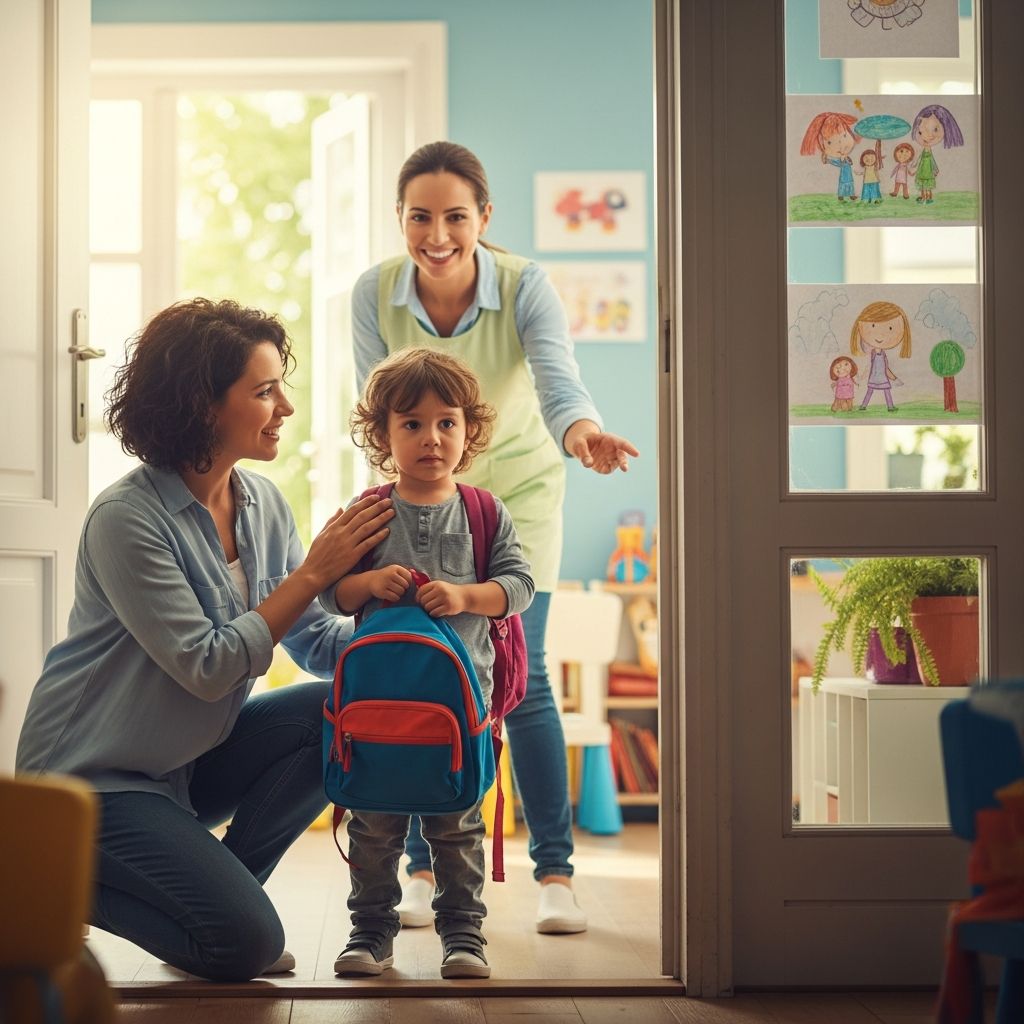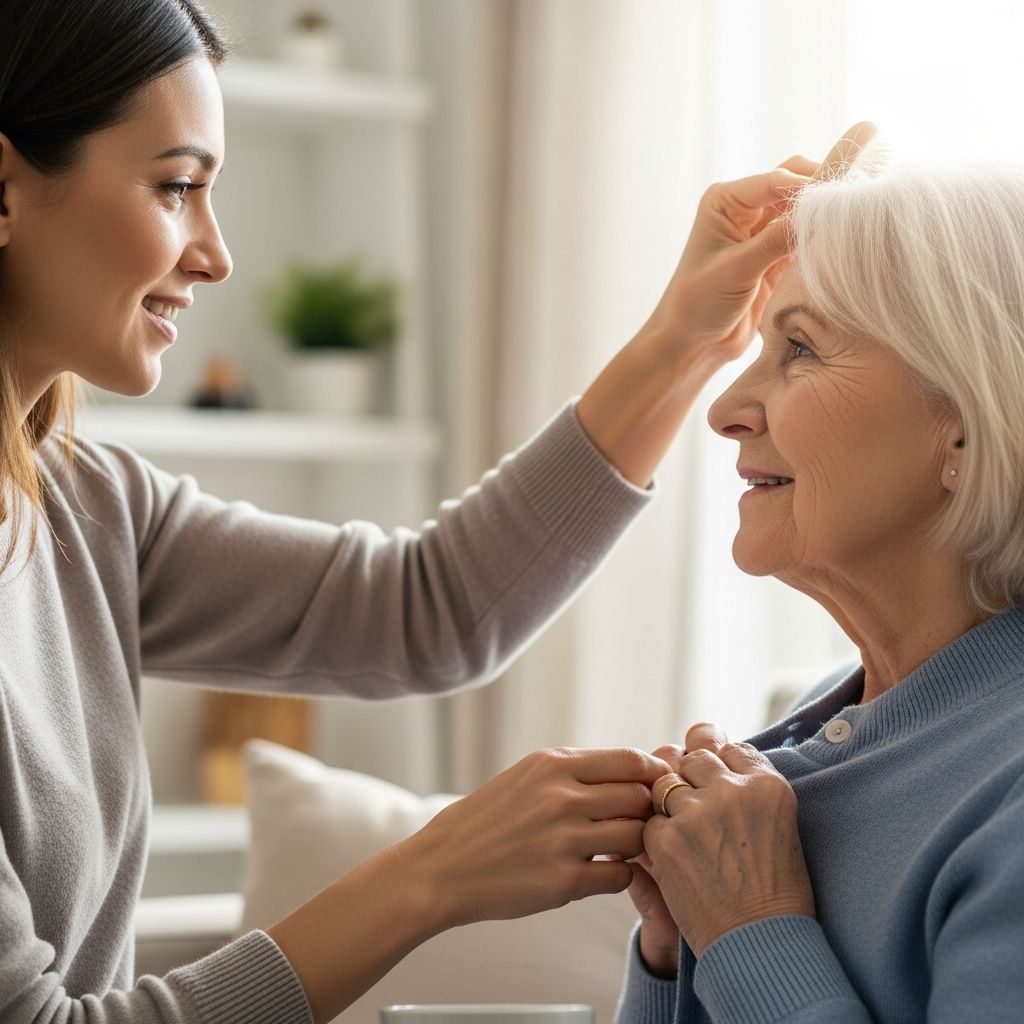
The relationship between mothers and daughters often evolves into one of profound caregiving as parents age. This shift brings a mix of deep affection, inherited responsibilities, and unique challenges that test familial ties.
The Natural Progression of Family Roles
From childhood, daughters frequently develop close emotional connections with their mothers, laying the groundwork for future caregiving roles. As parents enter their later years, these bonds transform, with daughters stepping up to provide daily support, medical oversight, and emotional companionship. Research highlights how long-standing parent-child dynamics directly influence the quality and experience of this care.
This progression is not merely logistical but deeply psychological. Daughters often report a sense of fulfillment in reciprocating the nurturing they once received, yet this role reversal can unearth unresolved emotions from earlier life stages.
Gender Dynamics in Eldercare Responsibilities
Statistics reveal stark gender disparities in caregiving. Daughters contribute significantly more time to elderly parent care, averaging 12.3 hours per month compared to sons’ 5.6 hours. This pattern persists regardless of daughters’ own commitments like employment or child-rearing, while sons’ involvement hinges more on the availability of other helpers.
Such imbalances stem from societal expectations and traditional family norms, placing daughters at the forefront of hands-on care. This dedication, while commendable, amplifies risks of physical exhaustion and emotional strain for women already juggling multiple roles.
| Gender | Average Monthly Care Hours | Influencing Factors |
|---|---|---|
| Daughters | 12.3 | Employment, childcare constraints |
| Sons | 5.6 | Presence of sisters or spouse |
This table underscores the uneven distribution, emphasizing the need for broader family and societal support systems.
Psychological Independence and Care Quality
The degree of psychological independence between parent and child significantly shapes caregiving outcomes. Strong, reliable relationships foster positive attitudes like active understanding, while over-dependence can lead to resignation or resistance. For daughters caring for mothers, lower individuation often correlates with autopilot caregiving modes, increasing burden.
- Reliable bonds enhance proactive care approaches.
- Individuation promotes flexible responses and resource utilization.
- Resistance in acceptance heightens emotional load, particularly in mother-daughter pairs.
These elements create a framework where past relational health predicts current care efficacy and caregiver well-being.
Navigating Emotional Complexities
Caregiving reopens old wounds or strengthens healed ones. Daughters may grapple with forgiveness for past parenting shortcomings, recognizing no parent is flawless. Yet, this process allows for boundary-setting and mutual respect, transforming strained ties into functional support systems.
In cases of dysfunctional histories, minimal direct interaction—focusing on practical tasks like errands or appointments—preserves emotional equilibrium. Literature and memoirs illustrate how unresolved childhood issues surface, demanding daughters balance obligation with self-preservation.
Balancing Care with Personal Life
Entering the ‘sandwich generation’ means daughters often care for aging parents while raising their own children and maintaining careers. This dual demand risks burnout, resentment, and neglected family priorities. Experts advocate for clear boundaries: respect parents without sacrificing one’s household or health.
Strategies include delegating tasks to siblings, hiring professional help, or opting for facility-based care when home demands overwhelm. The goal is sustainable support that honors love without total life upheaval.
Health Impacts and Long-Term Effects
Caregivers, predominantly daughters, face heightened health risks from chronic stress, including depression, weakened immunity, and financial strain. Mother-daughter dyads show amplified effects, with resistance and autopilot modes directly elevating burden levels.
Conversely, positive dynamics yield rewards like strengthened bonds and personal growth. Reconciling at life’s end, as depicted in personal narratives, can bring closure and unexpected tenderness.
Practical Strategies for Effective Caregiving
- Assess Needs Objectively: Evaluate parent’s requirements versus capabilities to avoid overcommitment.
- Build a Support Network: Involve family, friends, and community services to share loads.
- Prioritize Self-Care: Schedule respite, exercise, and therapy to sustain resilience.
- Communicate Openly: Discuss expectations early to align on boundaries and roles.
- Seek Professional Guidance: Consult geriatric care managers or counselors for tailored advice.
Implementing these steps fosters a caregiving journey marked by empowerment rather than exhaustion.
Frequently Asked Questions (FAQs)
What drives daughters to provide more eldercare than sons?
Societal norms and personal constraints lead daughters to maximize efforts despite their schedules, while sons contribute minimally unless others are unavailable.
How does past parent-child rapport affect caregiving?
Reliable bonds promote positive care attitudes; poor individuation increases burden and autopilot behaviors.
Is it obligatory to care for a difficult parent?
Respect is due where earned, but not at the expense of your family’s welfare—boundaries and alternatives like professional care are valid.
What are signs of caregiver burnout?
Watch for chronic fatigue, irritability, withdrawal, health decline, or resentment toward the care recipient.
Can caregiving heal old family rifts?
Yes, it offers reconciliation opportunities, though success depends on mutual willingness and professional support.
Redefining Nurturing Across Generations
Motherhood transcends biology—it’s sustained nurturing. Daughters embodying this through caregiving honor that legacy while carving their paths. By addressing gender inequities, emotional layers, and practical hurdles, families can cultivate resilient, loving support systems.
This evolution demands societal shifts: policy support for caregivers, equitable family roles, and recognition of daughters’ outsized contributions. Ultimately, healthy mother-daughter caregiving enriches both generations, blending duty with profound connection.
References
- How Does Parent-Child Relationship Affect Care… — PMC/NCBI. 2019-11-01. https://pmc.ncbi.nlm.nih.gov/articles/PMC6846809/
- Daughters Provide as Much Elderly Parent Care as They Can, Sons Do as Little as Possible — American Sociological Association. 2017-08-11. https://www.asanet.org/daughters-provide-much-elderly-parent-care-they-can-sons-do-little-possible/
- How Caregiving Can Help Us Rethink the Meaning of Motherhood — AgingCare.com. 2023-01-15. https://www.agingcare.com/articles/caregiving-true-meaning-of-motherhood-168241.htm
- Mother-Daughter Caregiving At the End of Life — Mary Lee MacDonald. 2022-05-20. https://maryleemacdonald.org/mother-daughter-caregiving/
- The love and responsibility of caregiving for parents — Motherly. 2024-06-10. https://www.mother.ly/life/mama-daughter-the-love-and-responsibility-of-caregiving-for-kids-and-parents/