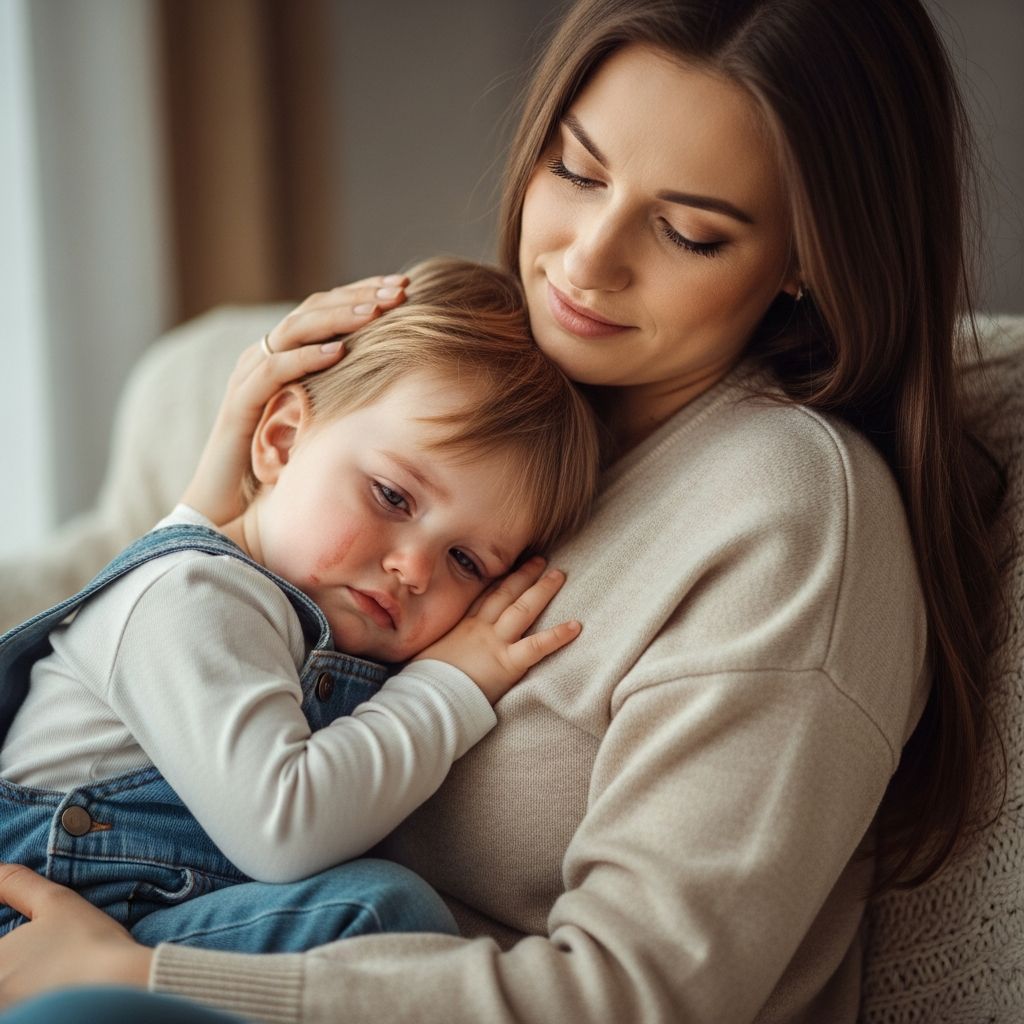
The mother-daughter connection stands as one of the most influential relationships in a woman’s life, shaping self-perception, emotional resilience, and future interactions. Expressing genuine appreciation to daughters not only acknowledges their unique contributions but also reinforces a cycle of positivity that benefits both generations. Research indicates that warm, supportive maternal bonds from early childhood correlate with higher self-esteem, better emotional regulation, and success in various life domains.
The Foundations of a Nurturing Mother-Daughter Connection
From infancy, the interactions between mothers and daughters lay the groundwork for secure emotional attachments. Studies reveal that positive early relationships buffer against adversities like poverty and foster secure attachment styles, enabling daughters to manage emotions effectively and form healthy future relationships. This bond influences brain development, promoting neural patterns that enhance empathy and mutual understanding later in life.
Historically, this dyad has served as a cornerstone in family structures across cultures, providing emotional security and shared wisdom. Unlike other parent-child dynamics, the mother-daughter tie often exhibits synchronized brain activity during relational reflections, deepening intuitive connections.
Key Benefits Emerging from Strong Maternal Ties
A robust mother-daughter relationship yields measurable advantages across psychological, social, and academic spheres. Here’s a breakdown:
- Enhanced Self-Esteem: Daughters with affirming maternal relationships report higher self-worth and adequacy, critical for navigating life’s challenges.
- Academic and Professional Success: Positive bonds correlate with better educational outcomes and overall achievement.
- Emotional Regulation: Secure attachments equip daughters with tools for emotional control, reducing anxiety and depression risks.
- Social Skills: Improved interpersonal competence stems from modeled healthy interactions.
- Mental Health Resilience: Strong ties act as protective factors against stress, bolstering well-being.
Programs like BOND demonstrate these effects empirically: participants experienced improved relationships, mental health, and social support after structured bonding activities.
Navigating Common Hurdles in Mother-Daughter Dynamics
Despite its strengths, this relationship can encounter tensions due to generational patterns, societal pressures, or differing expectations. Research notes that unresolved relational wounds from prior generations—such as perfectionism or emotional guardedness—may perpetuate cycles. Adolescence often amplifies conflicts, yet these can spur growth if handled constructively.
| Challenge | Potential Impact | Research Insight |
|---|---|---|
| Generational Trauma | Emotional distance or repeated patterns | Cycles passed from grandmother to mother to daughter |
| Adolescent Conflict | Temporary ambivalence | Beneficial for long-term development |
| Boundary Issues | Resentment or enmeshment | Healthy limits promote autonomy |
| Communication Gaps | Misunderstandings | Open dialogue fosters empathy |
Addressing these requires intentionality. Therapy can unpack complexities, helping both parties break negative cycles.
Practical Strategies for Mothers to Cultivate Gratitude and Closeness
Mothers play a pivotal role in fostering gratitude-filled bonds. Start by modeling vulnerability and appreciation daily.
- Practice Active Listening: Give full attention, reflect back what you hear to validate feelings.
- Offer Specific Praise: Highlight unique qualities and efforts, like “I appreciate how your kindness lights up our home.”
- Set Clear Boundaries: Consistent rules with empathy teach respect and security.
- Prioritize Quality Time: Engage in shared activities, from cooking to walks, building memories.
- Demonstrate Dependability: Be reliably present, showing daughters they can count on you.
Research from Johns Hopkins underscores how such interventions enhance well-being for both.
Empowering Daughters to Strengthen the Bond
Daughters, too, contribute actively, especially as they mature. Expressing thanks reciprocates the cycle.
- Voice Appreciation: Regularly thank your mother for guidance and sacrifices.
- Include Her in Your World: Share life updates and invite participation in events.
- Maintain Traditions: Cherish rituals like family dinners to sustain connection.
- Practice Patience: Understand her perspective, fostering empathy.
This mutual effort transforms the relationship into a bidirectional support system.
Long-Term Impacts: From Childhood to Adulthood
As daughters grow, the bond evolves into a profound friendship. Adult daughters with positive maternal histories exhibit greater confidence and mental health. Openness in adulthood predicts closer ties, with mothers who assert themselves modeling resilience. Neural synchrony persists, aiding empathy in shared life stages.
Community programs highlight potential for health promotion via this dyad, suggesting upward information flow from daughters to mothers on modern topics.
Frequently Asked Questions (FAQs)
What makes the mother-daughter bond uniquely powerful?
It features neural synchrony and deep empathy, influencing self-esteem and relationships more than other ties.
How can early bonding affect a daughter’s future?
Secure attachments from warm maternal love promote emotional control, social skills, and resilience against hardships.
What if our relationship has conflicts?
Conflicts, especially in adolescence, aid development; use empathy, boundaries, and therapy to resolve.
Are there programs to improve this bond?
Yes, like BOND, which boosts well-being and relationships through structured activities.
How does gratitude play a role?
Expressing thanks reinforces positivity, breaks negative cycles, and deepens mutual support.
Core Principles for Thriving Together
To encapsulate, thriving mother-daughter relationships hinge on communication, empathy, acceptance, and boundaries. Cultivate these through daily practices:
- Open, age-appropriate dialogue.
- Empathetic responses during disagreements.
- Acceptance of individual differences.
- Consistent quality time and play.
Psychoanalytic views affirm this intimacy’s superiority for sensitive discussions, positioning it as a health promotion asset. By prioritizing gratitude, mothers and daughters co-create legacies of strength.
References
- Why Daughter Love Is Important: Effects Of Mothers’ Parenting On … — BetterHelp. 2023. https://www.betterhelp.com/advice/love/why-daughter-love-is-important/
- The Value of Mother-Daughter Bonding — Johns Hopkins American Health. 2023. https://americanhealth.jhu.edu/news/value-mother-daughter-bonding
- Why the mother-daughter bond is important — Rooted Way Counseling. 2023. https://www.rootedwaycounseling.com/blog/why-the-mother-daughter-bond-is-important
- Building Healthy Mother-Daughter Relationships — St. Elizabeth. 2023. https://www.stelizabeth.com/building-healthy-mother-daughter-relationships/
- The Beauty and Complexities of Mother-Daughter Relationships — Lisa Locke MFT. 2023. https://www.lisalockemft.com/the-beauty-and-complexities-of-mother-daughter-relationships-coping-and-thriving/
- The Mother–Daughter Relationship: What Is Its Potential as a Locus … — PMC (National Library of Medicine). 2011-12-08. https://pmc.ncbi.nlm.nih.gov/articles/PMC3248691/