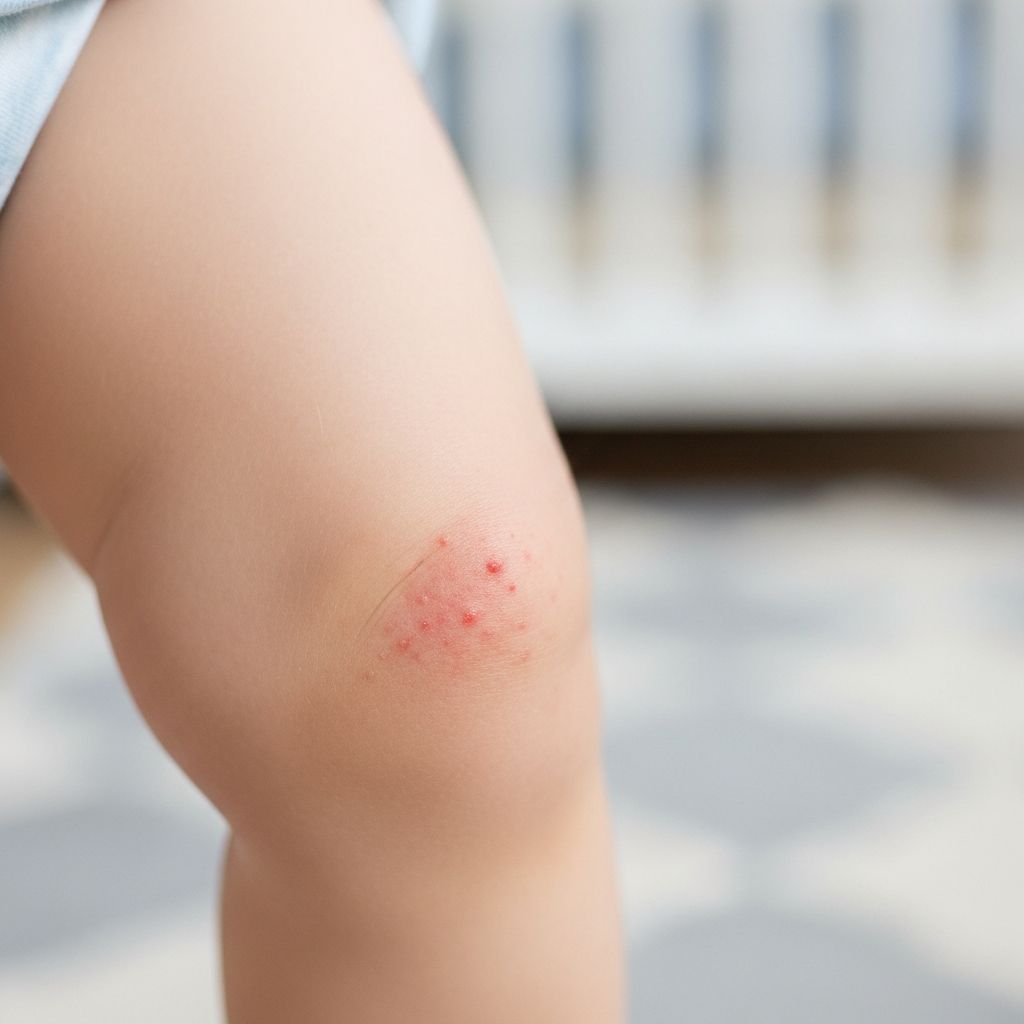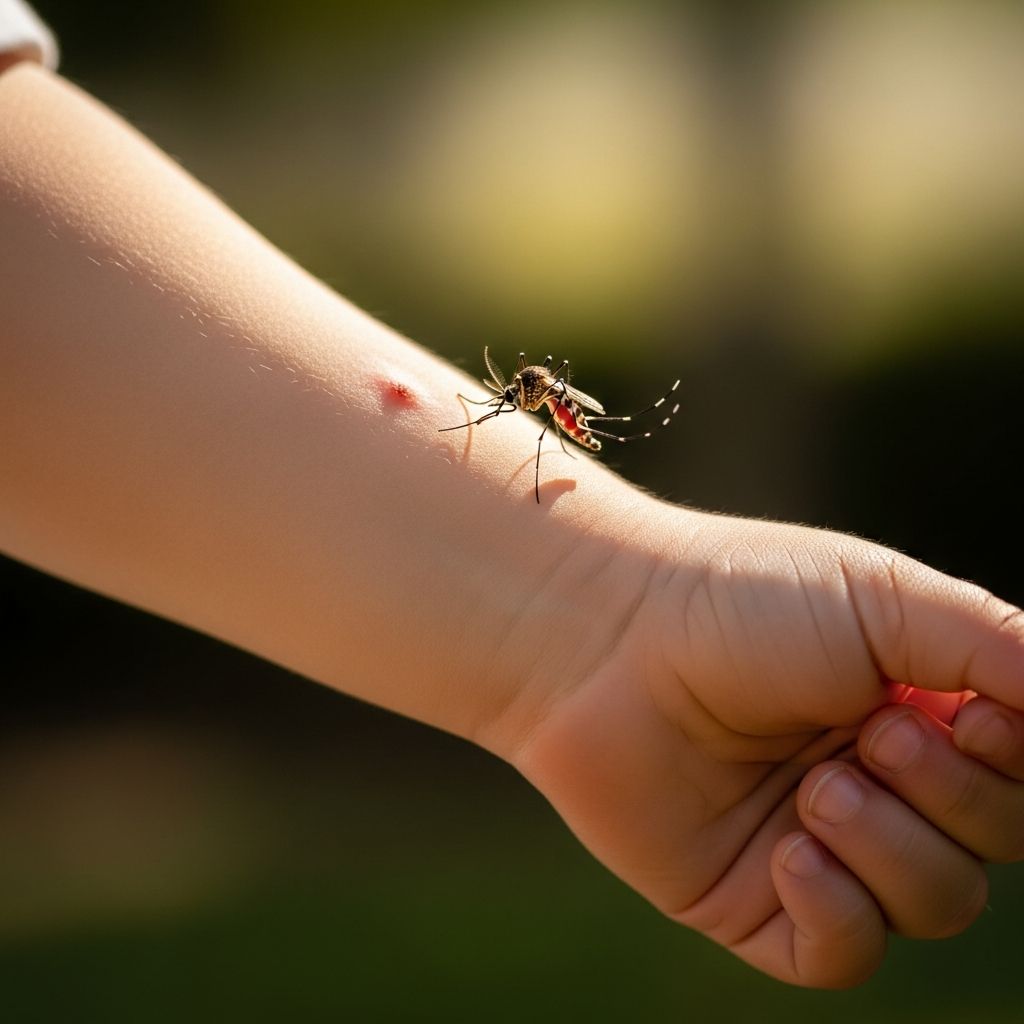
Mosquitoes are small insects, but the infections they can carry pose serious health risks, especially for babies and children. This guide explains how mosquito-borne diseases spread, which illnesses parents should know about, how to recognize symptoms, and practical ways to protect kids every day and when traveling.
How Mosquitoes Spread Germs
Not every mosquito carries germs, but some species can pick up viruses or parasites when they bite an infected person or animal and then pass those germs on with later bites. The mosquito itself does not become visibly ill, so there is no way to tell by looking at it whether it can spread disease.
When a mosquito bites, it pierces the skin with a thin mouthpart and injects saliva that helps it feed. If the mosquito is infected, that saliva can contain viruses or parasites that enter the bloodstream. In children, these germs may cause anything from a mild fever to life-threatening complications, depending on the disease and the child’s overall health.
- Only certain mosquito species spread human disease.
- Many infections begin with general symptoms like fever, headache, or tiredness.
- Serious complications may involve the brain, liver, blood, joints, or pregnancy outcomes in teens and adults.
Major Mosquito-Borne Diseases Affecting Children
Different parts of the world have different types of mosquito-borne illnesses. Some are common in tropical or subtropical regions, while others appear mainly in certain regions of North America, South America, Asia, or Africa. Before travel, parents should ask a healthcare professional which diseases are a concern in the destination area.
Dengue Fever
Dengue is a viral illness spread mainly by Aedes mosquitoes, which often live near people and bite during the day. In many children, dengue causes high fever and flu-like symptoms, but some develop a severe form that affects blood vessels and can lead to bleeding or shock.
- Typical signs include high fever, bad headache, eye pain, muscle and joint aches, and sometimes a rash.
- Severe dengue may involve intense stomach pain, repeated vomiting, bleeding from the nose or gums, or extreme tiredness.
- Prompt medical evaluation is crucial if a child with dengue-like illness seems to worsen after the fever starts to improve.
Malaria
Malaria is caused by parasites, not viruses, and is transmitted by Anopheles mosquitoes. It is common in many tropical regions of Africa, Asia, and Latin America. Children are especially vulnerable to serious malaria, which can damage vital organs if not treated quickly.
- Symptoms often include fever, chills, sweats, headache, fatigue, and sometimes nausea, vomiting, or diarrhea.
- Some forms of malaria can lead to anemia, seizures, breathing problems, or coma.
- Certain medicines can prevent malaria; these may be recommended for children traveling to high-risk areas.
Zika Virus Infection
Zika virus is also spread mainly by Aedes mosquitoes and gained attention because of its impact on unborn babies when pregnant people become infected. Children and adults who are not pregnant usually have mild illness or no symptoms, but infection in pregnancy can cause serious birth defects.
- Common symptoms include low-grade fever, rash, joint pain, and red eyes.
- Many infections are so mild that they may go unnoticed.
- Because of the risk to a developing baby, teens or adults who could become pregnant should follow travel and prevention advice very carefully in areas where Zika is or has been present.
West Nile Virus
West Nile virus circulates in many regions and is typically spread by mosquitoes that become infected after biting birds. Many children with West Nile virus infection either have no symptoms or experience a mild, flu-like illness.
- Mild infection may cause fever, headache, body aches, and sometimes rash or swollen lymph nodes.
- In rare cases, the virus affects the brain and spinal cord, leading to confusion, neck stiffness, seizures, or weakness.
- If a child shows signs of severe headache, confusion, or difficulty moving, urgent medical care is needed.
Chikungunya
Chikungunya is another viral disease spread by Aedes mosquitoes in many tropical and subtropical regions. While it rarely causes death, the joint pain it triggers can be severe and sometimes lasts for weeks or months, even in otherwise healthy children.
- Symptoms usually include sudden fever, strong joint pain, headache, muscle aches, and rash.
- Joint pain often affects hands and feet and may make it hard for children to walk or hold objects.
- Rest, fluids, and pain control are important while the child recovers.
Other Regional Infections
Depending on where a family lives or travels, additional mosquito-borne illnesses may be a concern. These include yellow fever in parts of Africa and South America and various types of encephalitis (brain inflammation) in some regions.
- Some of these diseases have vaccines recommended for travelers or residents.
- Local health departments and travel clinics can advise families about current risks and recommended protections.
Common Signs and Symptoms to Watch For
Mosquito-borne illnesses often start with symptoms that look a lot like a regular viral infection. This overlap can make it hard for parents to know what is happening, especially if there was recent travel to a higher-risk area. Paying attention to timing, travel history, and unusual or severe symptoms can help you decide when to seek care.
| Type of symptom | What parents might notice |
|---|---|
| General | Fever, chills, tiredness, loss of appetite, fussiness, or unusual sleepiness. |
| Head and body | Headache, eye pain, muscle aches, joint pains, backache, or sensitivity to light. |
| Stomach | Nausea, vomiting, stomach pain, or diarrhea. |
| Skin | Rash, small red spots, or unusual bruising or bleeding in serious illness. |
| Brain and nerves | Confusion, irritability, seizures, stiff neck, trouble walking, or weakness. |
Not every child will have all of these symptoms, and some may have none at all. However, any combination of high fever, severe headache, intense body pains, or changes in behavior after mosquito exposure or travel should prompt a call to a healthcare provider.
When Parents Should Seek Medical Care
Calling a healthcare professional early is always appropriate if you are worried about your child after a mosquito bite or trip to an area with mosquito-borne diseases. Provide details about where your child has been, any known outbreaks, and how long it has been since potential exposure.
Urgent Warning Signs
Go to an emergency department or call emergency services right away if a child with recent mosquito exposure has any of the following:
- Difficulty breathing, very fast or labored breaths.
- Seizures, confusion, disorientation, or inability to stay awake.
- Severe or persistent vomiting, especially if the child cannot keep fluids down.
- Extreme stomach pain, unusual sleepiness, or refusal to drink.
- Bleeding from the nose or gums, blood in vomit or stool, or many new bruises.
Call the Doctor Promptly
Contact your child’s healthcare provider the same day if you notice any of the following after mosquito bites, especially during or after travel:
- Fever that lasts more than 24 hours without a clear cause.
- Headache that does not improve with appropriate pain medicine, or pain behind the eyes.
- Widespread rash, joint or muscle pain, or stiffness that limits movement.
- History of travel to a region with malaria, dengue, Zika, or similar illnesses within the past few weeks.
Everyday Mosquito Bite Prevention for Kids
Prevention is the most powerful tool parents have. Simple habits at home and on outings can dramatically reduce the risk of bites. Combining several strategies works better than relying on just one method.
Protective Clothing and Habits
- Dress children in long sleeves, long pants, and socks when mosquitoes are active, especially at dawn and dusk.
- Choose light-colored clothing, which tends to attract fewer mosquitoes than dark colors.
- Encourage children to avoid standing water, tall grass, and heavily wooded areas where mosquitoes are common.
- Use fans on porches or patios, because moving air makes it harder for mosquitoes to land.
Using Insect Repellent Safely
Insect repellents designed for use on skin can be safe and effective when used correctly. Always follow product label instructions and talk with a healthcare professional if you have questions about options for very young children.
- Choose a repellent that is appropriate for your child’s age and the level of mosquito activity.
- Apply repellent to your own hands first, then gently rub it on the child’s exposed skin, avoiding eyes, mouth, and hands.
- Use just enough to cover exposed skin; more does not work better.
- Wash treated skin with soap and water once your child comes indoors and no longer needs protection.
Protecting Infants and Strollers
- Cover strollers, car seats, and baby carriers with fine mesh netting when outdoors where mosquitoes are active.
- Use mosquito nets over cribs or playpens in areas with high mosquito populations, especially if windows lack screens.
- Keep babies indoors in well-screened or air-conditioned areas during peak mosquito hours when possible.
Making Your Home Less Mosquito-Friendly
Mosquitoes need still water to lay eggs and complete their life cycle. By removing places where water collects, families can reduce the number of mosquitoes around their homes. This step is especially important in warm months when mosquito populations grow quickly.
Eliminate Standing Water
- Empty water from buckets, toys, flowerpot saucers, and other containers at least once a week.
- Clean birdbaths and pet water bowls frequently so they do not become breeding sites.
- Check gutters for clogs that allow water to collect and remove any debris.
- Store items like wheelbarrows or boats upside down or under cover so they do not fill with rain.
Improve Barriers and Screens
- Repair holes in window and door screens to help keep mosquitoes outside.
- Use well-fitted screens on vents and chimneys to reduce entry points.
- Close doors promptly and encourage children not to prop them open during mosquito season.
Yard and Community Measures
- Trim tall grass and bushes where adult mosquitoes may rest during the day.
- Work with neighbors to remove standing water in shared areas, such as alleys and vacant lots.
- Stay informed about any local mosquito control programs and follow guidance from local health authorities.
Traveling with Children to Mosquito-Risk Areas
Travel can expose families to diseases that are rare or absent at home. Planning ahead allows parents to minimize risks while still enjoying trips. Many travel-related illnesses can be prevented with a mix of vaccines, medicines, and careful bite protection.
Before You Travel
- Schedule a visit with a travel or family health clinic at least several weeks before departure.
- Ask which mosquito-borne diseases are present at your destination and whether vaccines or preventive medicines are recommended.
- Pack enough insect repellent, protective clothing, and mosquito nets for the entire trip.
- Review safe sleeping arrangements to ensure your child can sleep in screened or air-conditioned rooms or under nets.
During and After Your Trip
- Use mosquito precautions consistently, even if you do not see many mosquitoes.
- Give any prescribed preventive medicines exactly as directed, including doses that may be needed after returning home.
- Watch for fever or other symptoms for several weeks after travel, and inform your child’s doctor about where you visited.
Helping Kids Cope with Mosquito Bites
Most mosquito bites only cause itching and mild discomfort. Reducing scratching and irritation lowers the chance of skin infection and makes children more comfortable. Teaching kids not to scratch and offering simple relief measures can make mosquito season easier.
- Wash bites gently with soap and water to keep the skin clean.
- Use cool compresses or a cold pack wrapped in a cloth to reduce swelling and itching.
- Ask a healthcare professional about age-appropriate anti-itch creams or oral medicines if bites are very bothersome.
- Keep a child’s fingernails short to limit skin damage from scratching.
Frequently Asked Questions (FAQs)
1. Are all mosquito bites dangerous for children?
No. Most mosquito bites only cause temporary itching and redness. However, in regions where mosquito-borne diseases are present, any bite has the potential, even if small, to transmit infection. That is why broad prevention strategies are recommended during mosquito season and when traveling to higher-risk areas.
2. How can I tell if my child’s fever is from a mosquito-borne disease?
It is usually not possible for parents to tell just by looking. A fever after mosquito exposure or travel could be due to many causes. If your child has a fever and has been in an area where dengue, malaria, Zika, or similar illnesses occur, contact a healthcare professional, who may order tests or ask about specific symptoms to guide diagnosis.
3. Is it safe to use insect repellent on babies and toddlers?
Many repellents can be used safely on young children when applied correctly, but age limits and instructions vary by product. Always read the label, avoid spraying directly on the face or hands, and ask a healthcare professional about options for infants. Other measures, such as mosquito nets and protective clothing, are especially important for babies.
4. Do vaccines protect against all mosquito-borne diseases?
No single vaccine covers every mosquito-borne infection. Some diseases, such as yellow fever, have vaccines recommended for particular regions or travel situations. Other illnesses, like malaria, are often prevented with medicines rather than vaccines for most travelers. Healthcare professionals and travel clinics can explain which protections are relevant for your family.
5. My child had a mosquito-borne disease before. Can they get it again?
It depends on the specific illness. Some infections may give partial or temporary immunity, while others, like dengue, can occur more than once, and later infections can sometimes be more severe. Because of this, children who previously had a mosquito-borne disease should still follow all prevention measures and seek care promptly if symptoms return.
Key Takeaways for Parents
- Mosquitoes spread infections by carrying viruses or parasites from one bite to another, and children are often more vulnerable to complications.
- Illnesses such as dengue, malaria, West Nile virus, Zika, and chikungunya may begin with fever and body aches but can sometimes become severe.
- Simple steps like removing standing water, using screens and nets, dressing children in protective clothing, and applying insect repellent correctly can greatly reduce risk.
- Travel planning with a healthcare professional is essential for families visiting regions where mosquito-borne diseases are common.
- Any child with high fever, severe pain, confusion, trouble breathing, unusual bleeding, or recent travel to a mosquito-risk area needs prompt medical attention.