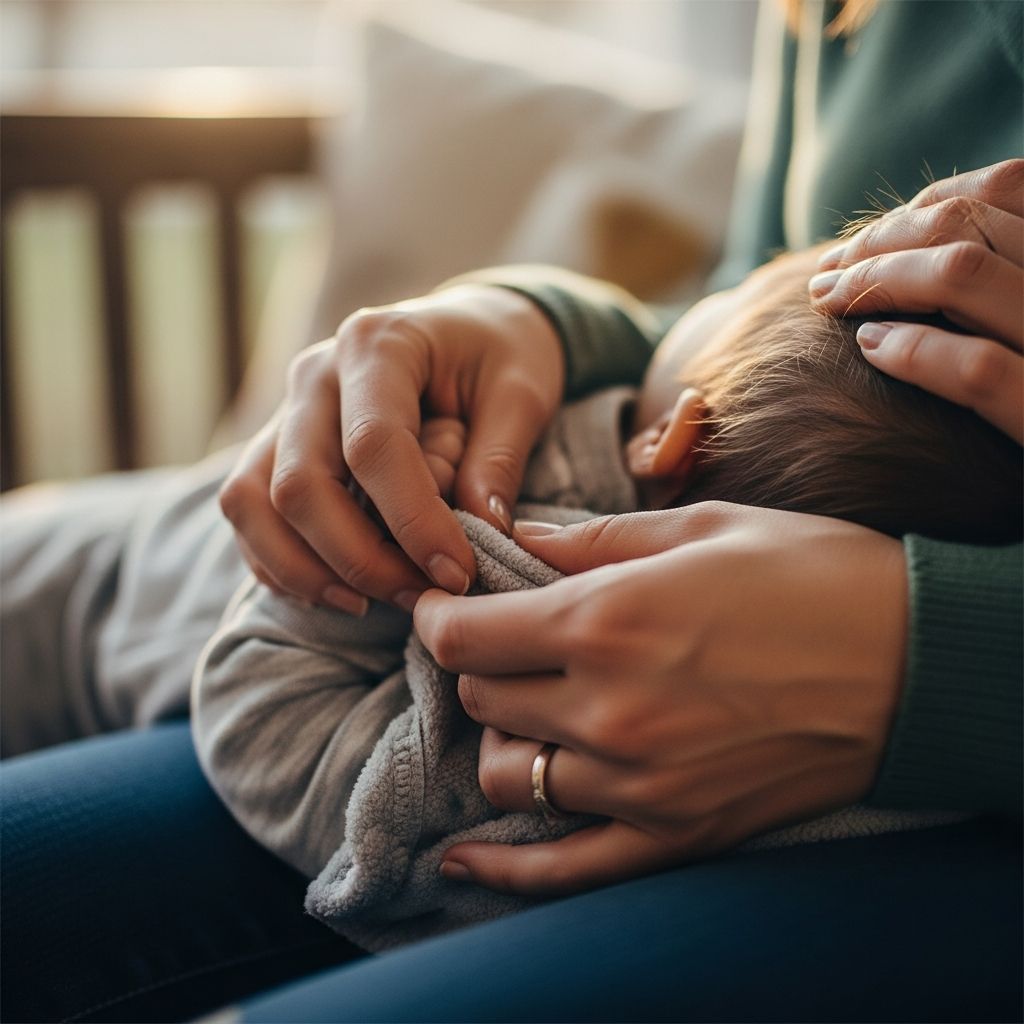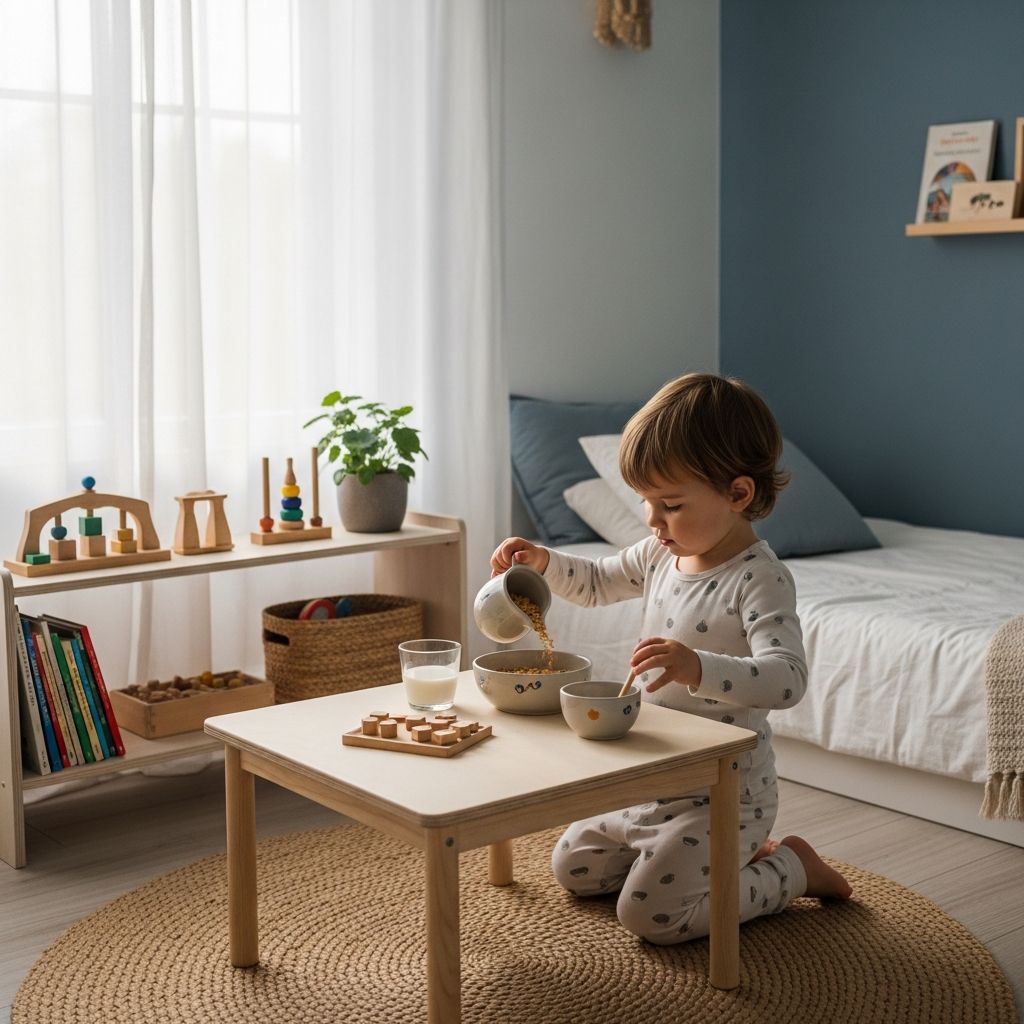
Starting the day with children can often feel overwhelming, but Montessori principles offer a pathway to harmony. By emphasizing independence, order, and respect for the child’s pace, families can establish routines that reduce rushing and build confidence from the first light of day.
Understanding the Montessori Approach to Daily Beginnings
The Montessori method, developed by Dr. Maria Montessori, focuses on preparing the environment to support natural development. In the context of mornings, this means creating spaces and systems where children can take charge of their tasks. Research from educational bodies highlights how structured yet flexible routines enhance executive functioning skills in young children, leading to better focus and emotional regulation throughout the day.
Unlike rigid schedules, Montessori mornings prioritize purposeful movement and choice within limits. Children learn through hands-on experiences, turning potential chaos into predictable flow. Parents report fewer tantrums and more cooperation when these elements are introduced gradually.
Preparing the Evening Before for Seamless Mornings
One foundational step is shifting preparation to the previous night. Lay out clothing options, pack bags, and portion breakfast ingredients. This minimizes decision fatigue when grogginess peaks. For toddlers, place two outfits on a low shelf; for school-age kids, involve them in selecting and arranging items themselves.
- Select weather-appropriate clothes together after dinner.
- Check homework, fill water bottles, and organize school supplies.
- Pre-slice fruits or set cereal boxes at counter height for quick access.
This proactive habit, drawn from Montessori practices, empowers children by giving them ownership early. It also allows more bonding time in the morning rather than scrambling.
Designing Visual Guides for Independent Flow
Visual aids are cornerstones of Montessori learning, translating seamlessly to home routines. Create a sequence of picture cards or a laminated chart depicting steps like waking, dressing, eating, and departing. Place it at eye level near the bed or kitchen.
For preschoolers, use simple icons: a bed for rising, toothbrush for hygiene, bowl for breakfast. Older children can add checklists or drawings. These tools reduce verbal nagging, as kids reference them independently, fostering self-reliance.
| Age Group | Visual Aid Type | Benefits |
|---|---|---|
| Toddlers (2-3) | Picture cards | Reduces confusion, builds sequence memory |
| Preschool (4-5) | Laminated charts | Encourages self-checking, minimizes reminders |
| School-age (6+) | Custom checklists | Promotes accountability, customizable |
Setting Up Self-Serve Breakfast Areas
Transform mealtime into an independence-building activity with child-sized stations. Stock low shelves with nutritious staples: yogurt, fruit bowls, whole-grain toast, and pitchers of milk. Provide small utensils and step stools for reach.
Guide children to pour cereal or spread toppings, starting with supervision. This mirrors Montessori practical life exercises, refining fine motor skills while ensuring they fuel up properly. Simple rules like ‘one fruit, one protein’ guide healthy choices without overwhelming.
- Rotate menu items weekly for variety and excitement.
- Model cleanup: wiping spills, rinsing dishes.
- Eat together at the table to encourage mindful eating.
Fostering Personal Care Autonomy
Hygiene routines thrive under Montessori guidance. Stock bathrooms with accessible sinks, mirrors, and supplies like step stools, soft toothbrushes, and soap dispensers. Encourage slow, deliberate movements: wash face, brush teeth, comb hair.
Begin with joint practice sessions, then step back. For dressing, use elastic waistbands and front-facing clothes initially. Over time, children master buttons and zippers, gaining pride in their abilities.
Incorporating Calm Transitions and Bonding Moments
Rushed exits breed anxiety; instead, build in buffers. Allocate 5-10 minutes for quiet activities like reading or soft music before leaving. This ‘calm-down’ ritual eases the school transition, reducing separation stress.
Prioritize togetherness: cuddle with a story or share dreams over breakfast. These connections motivate cooperation, as children feel secure. Use timers gently to signal phases, respecting natural rhythms.
Making Routines Engaging and Sustainable
Infuse joy to sustain habits. Curate a ‘morning mix’ playlist of upbeat tunes for brushing and dressing. Batch-prep muffins on weekends for grab-and-go ease. Turn packing into a game: ‘Can you zip your bag in under a minute?’
Track progress with stickers on charts, celebrating milestones. Consistency breeds internal clocks, making routines second nature over weeks.
Customizing for Different Ages and Needs
Tailor approaches by developmental stage. Toddlers need heavy supervision but simple tasks; preschoolers handle sequences; older kids manage full prep.
| Age | Key Tasks | Parent Role |
|---|---|---|
| 2-3 years | Pour milk, choose socks | Model, supervise closely |
| 4-5 years | Dress fully, pack snack | Guide, offer choices |
| 6+ years | Full routine, lunch prep | Oversee, encourage |
Adapt for special needs, like sensory preferences, with textured charts or quiet zones.
Frequently Asked Questions (FAQs)
What if my child resists the routine?
Start small, praise efforts, and use visuals. Involve them in creation for buy-in. Patience yields results within 2-4 weeks.
How long to establish a Montessori morning?
Consistency over 21 days builds habits. Wake earlier initially for grace periods.
Can this work for working parents?
Yes—night prep and visuals save time. Batch tasks on weekends.
What about picky eaters at breakfast?
Offer 3-4 healthy options at their level. Involve in prep for interest.
Do I need Montessori materials?
No—household items suffice. Focus on accessibility and order.
Long-Term Benefits of Montessori Mornings
Beyond smooth starts, these routines cultivate lifelong skills: time management, responsibility, and calm under pressure. Children enter school grounded, ready to learn. Parents gain peace, modeling poised parenting.
Expand by integrating afternoon reflections: ‘What went well today?’ This full-circle approach deepens family bonds and child efficacy.
References
- Morning Routines Made Easy the Montessori Way — Southwood Learning. 2025-11-27. https://southwoodlearning.com/2025/11/27/morning-routines-made-easy-the-montessori-way/
- Montessori Routines: Daily Schedule For Preschoolers — Montessori Academy. N/A. https://montessoriacademy.com.au/resources/preschool-daily-routine/
- Montessori Morning Routines: Start the Day Peacefully — Orrchid Montessori House. N/A. https://orrchidmontessorihouse.com/montessori-morning-routines-start-the-day-peacefully/
- 5 Montessori Morning Routine Hacks That Make Mornings Easier — NextGen Montessori. N/A. https://nextgenmontessori.com.au/blogs/5-montessori-morning-routine-hacks-that-make-mornings-easier/
- 7 Montessori-inspired ways to have a smoother morning with your kids — Mother.ly. N/A. https://www.mother.ly/back-to-school/tips-and-tricks/7-montessori-inspired-ways-to-have-a-smoother-morning-with-your-kids/
- Tips for a Smooth Preschool Morning Routine — Montessori Kids Land Academy. N/A. https://www.montessorikidslandacademy.com/tips-for-a-smooth-preschool-morning-routine