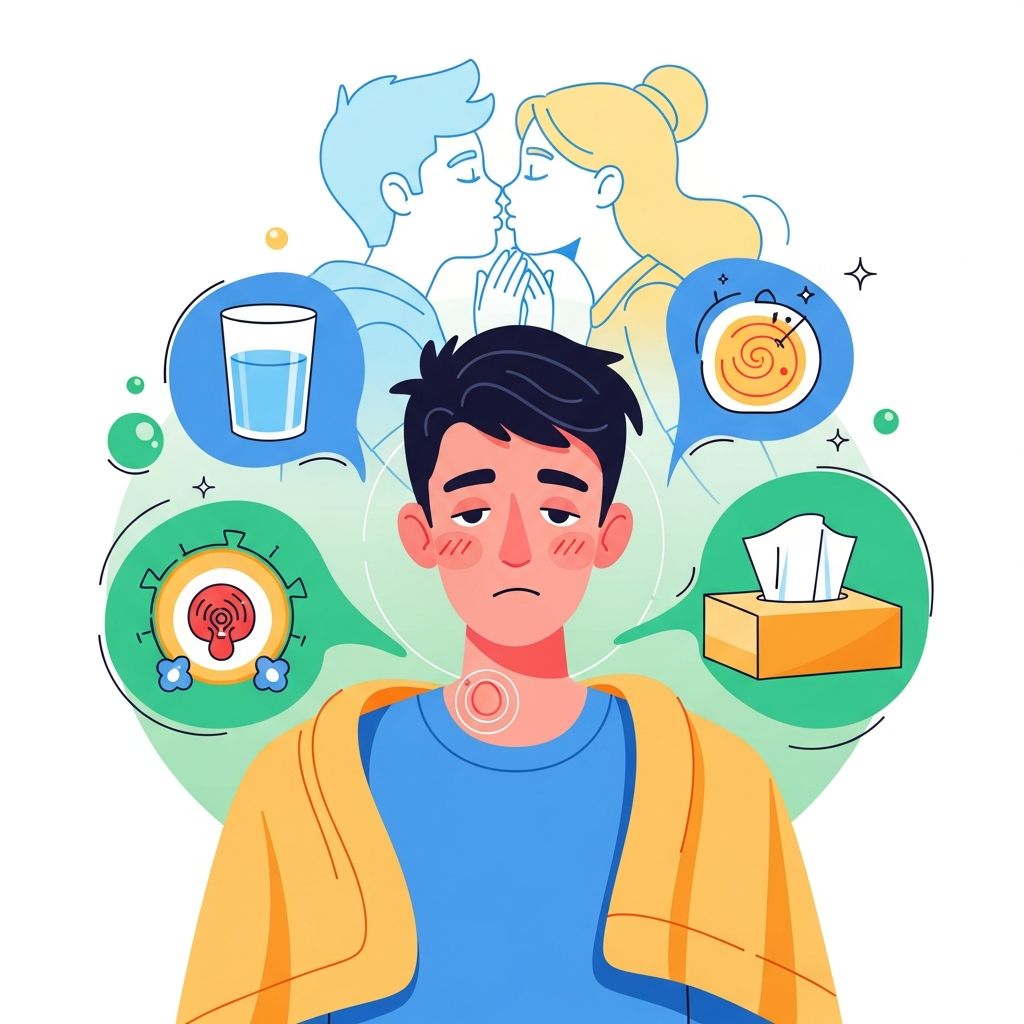
Mononucleosis, often called “mono” or the “kissing disease,” is a common viral infection that especially affects teenagers and young adults. It usually causes extreme tiredness, sore throat, fever, and swollen glands, and can keep you out of school or sports for weeks if you are not careful.
While mono can make you feel miserable, most healthy teens recover fully with time, rest, and good self-care at home. Understanding how it spreads, what symptoms to look for, and how to protect your health makes the illness easier to handle and helps you avoid passing it to friends and family.
What Exactly Is Mononucleosis?
Mononucleosis is usually caused by a virus called Epstein–Barr virus (EBV), a member of the herpesvirus family. Once the virus enters the body, it mainly targets certain white blood cells, which are part of the immune system that fights infections.
- Common nickname: “Kissing disease” because it often spreads through saliva.
- Who gets it most: Teens and young adults, especially in middle school, high school, and college.
- Type of infection: Viral, meaning antibiotics normally do not help.
After a person catches EBV, the virus usually stays in the body for life in a quiet, inactive state. Most people have been exposed by adulthood, even if they never knew they had mono because their symptoms were mild or felt like a regular cold.
How Do Teens Catch Mono?
Mono spreads mainly through saliva, which is why kissing is a well-known way to pass it. However, you can also get it through more everyday activities that involve sharing spit, even if nobody is trying to be gross.
- Sharing drinks, water bottles, or sports bottles
- Using the same fork, spoon, straw, or lip balm as someone else
- Coughing and sneezing at close range without covering the mouth
- Occasionally through sexual contact or blood, though this is less common
Mono is contagious even before someone realizes they are sick, and the virus can continue to be present in saliva for months after major symptoms fade. That means a person can feel fine but still be able to pass the virus to others.
When Do Symptoms Start?
Mono has a relatively long incubation period, which is the time between catching the virus and noticing the first signs of illness. For many teens, symptoms show up several weeks after exposure, rather than immediately.
- Typical incubation time: Roughly 4–6 weeks for many people.
- Gradual onset: Symptoms may start slowly, such as mild tiredness or sore throat that gets worse over days.
- Varied intensity: Some people feel extremely sick, while others only feel a bit run-down.
The delay between exposure and illness makes it hard to know exactly who passed the virus to you, which is why it often feels like it “came out of nowhere.”
Common Symptoms Teens Notice
Mono can look similar to other infections like the flu or strep throat at first. Over time, the combination of symptoms makes mono more recognizable.
- Severe tiredness that does not improve with normal sleep
- Sore throat that may be very painful
- Fever that may come and go
- Swollen lymph nodes (glands) in the neck, armpits, or groin
- Swollen tonsils, sometimes with white or grayish patches
- Headaches and body or muscle aches
- Loss of appetite or general “blah” feeling
- Occasional skin rash
Some teens also develop an enlarged spleen or liver. The spleen is an organ in the upper left part of the abdomen that helps filter blood and support the immune system. When it becomes enlarged, it is more fragile, which is why physical activity restrictions are so important during mono.
Less Common but Possible Symptoms
Not everyone has the exact same mono experience. In some teens, additional or less typical symptoms may appear, especially if the illness is more severe.
- Significant upper left abdominal discomfort (can suggest spleen enlargement)
- Puffy eyelids or facial swelling
- Nausea or discomfort in the upper right abdomen (possible liver involvement)
- Sensitivity to light, bad headaches, or chest discomfort
- Difficulty breathing or extremely painful swallowing (rare but serious)
These less common signs should always be shared with a healthcare professional quickly, especially if pain is intense or breathing feels in any way restricted.
How Doctors Diagnose Mono
Because mono can resemble strep throat, flu, or COVID-19, a proper medical evaluation is important. A doctor or nurse usually starts with a detailed conversation about your symptoms and then performs a physical exam.
- Checking temperature, heart rate, and blood pressure
- Looking at the throat and tonsils for redness, swelling, or patches
- Feeling the neck, armpits, and groin for swollen glands
- Gently pressing the abdomen to see if the spleen or liver seems enlarged
Sometimes, blood tests are ordered. These may include a general blood count to see how white blood cells are responding and specific tests that look for signs of EBV infection. In some cases, another rapid test might be done to rule out strep throat or other infections that can cause similar symptoms.
Treatment: Why Rest Really Matters
Since mono is a viral illness, there is no quick medication that makes it disappear. Treatment focuses on managing symptoms, protecting your organs, and giving your body time to fight off the infection effectively.
- Getting plenty of rest, especially in the first couple of weeks
- Drinking fluids regularly to stay hydrated (water, broths, diluted juice)
- Eating soft, easy-to-swallow foods when the throat is very sore
- Using over-the-counter pain relievers or fever reducers if your doctor says they are safe for you
- Gargling with saltwater or using throat lozenges as recommended for comfort
Antibiotics are not helpful against mono itself because they target bacteria, not viruses. In some situations, antibiotics might be prescribed if there is a separate bacterial infection (like strep) at the same time, but this does not treat the mono virus.
Important Safety Notes About Medications
Some common medications are not recommended for teens with mono. It is essential to follow medical advice rather than taking random over-the-counter products on your own.
- Avoid aspirin: In children and teens, aspirin has been linked to a rare but serious condition called Reye syndrome, which can affect the liver and brain.
- Be careful with certain antibiotics: Some penicillin-type antibiotics, such as ampicillin or amoxicillin, can cause a widespread rash in people who have mono.
- Talk to a professional: Always ask a doctor or pharmacist before taking new medicines for pain, sore throat, or fever.
In very severe cases, such as when tonsils are so swollen that breathing or swallowing is difficult, a doctor may prescribe other treatments. These situations are less common and usually handled by a healthcare provider in a clinic or hospital setting.
Typical Recovery Timeline
One of the most frustrating parts of mono is how long the tiredness can last. Other signs, like fever and severe sore throat, often improve sooner than the fatigue.
| Time Frame | What Often Happens |
|---|---|
| First 1–2 weeks | Worst symptoms such as intense sore throat, fever, swollen glands, and extreme tiredness are usually at their peak. |
| Weeks 3–4 | Fever and throat pain often improve; many teens still feel very drained and need extra rest. |
| Weeks 4–6+ | Energy slowly returns; some mild fatigue may linger, especially after activity or long school days. |
Every person is different. Some teens feel almost normal again after a month, while others notice low energy for several months. Returning to normal routines works best when it is gradual and guided by medical advice.
Sports, PE, and Activity Restrictions
Because the spleen can become enlarged during mono, intense physical activity can be risky. Direct blows to the abdomen or heavy straining could, in rare cases, lead to the spleen tearing, which is a medical emergency.
- Avoid contact sports (such as football, soccer, basketball, martial arts) until a doctor clears you.
- Limit heavy lifting, intense workouts, and exercises that strain your core.
- Ask your healthcare provider when it is safe to return to gym class, practices, and competitions.
- Start with light walking or gentle movement once you feel up to it and your doctor agrees.
Never restart tough training just because you “feel bored” at home. Pushing too hard too soon can extend recovery time and increase the risk of complications.
What Complications Should Teens Watch For?
Most teens with mono improve without any long-term problems. However, serious complications can happen and need fast medical attention. Knowing the warning signs helps you respond quickly.
- Sudden sharp pain in the upper left side of the abdomen
- Feeling lightheaded, faint, or unusually weak
- Trouble breathing or feeling like the throat is closing
- Yellowing of the skin or eyes (possible sign of liver issues)
- Confusion, severe headaches, or stiff neck
If any of these occur, seek emergency care or contact a doctor immediately. Even if it turns out to be nothing serious, it is much safer to get checked than to ignore these symptoms.
Preventing Mono and Protecting Others
There is no vaccine that prevents EBV-related mono at this time, so prevention mainly depends on hygiene habits and smart choices. Even though it is impossible to avoid every virus, you can lower your risk of catching or spreading mono.
- Do not share drinks, eating utensils, lip balms, or toothbrushes.
- Avoid kissing or close face-to-face contact when you or someone else is sick.
- Cover your mouth and nose when coughing or sneezing, and wash hands afterward.
- Stay home from school, sports, and social events when fever and major symptoms are present.
- Let friends know if you have mono so they can make informed choices about contact.
Even with good habits, you cannot always know who is contagious, but these steps dramatically cut down your chances of swapping germs.
Supporting Your Mental Health During Mono
Dealing with mono is not just a physical challenge. Being stuck at home, missing sports, or falling behind at school can be stressful and emotionally draining. It is normal to feel frustrated, worried, or left out.
- Keep in touch with friends through texts or video chats so you do not feel isolated.
- Ask teachers or your school counselor about temporary adjustments, such as extra time for assignments.
- Break schoolwork into small chunks with rest periods in between.
- Talk with a trusted adult, such as a parent, school nurse, or counselor, about how you feel.
Remember that mono is temporary. With time and care, energy returns and normal activities usually become possible again.
Practical Tips for Daily Life With Mono
Day-to-day routines may need adjusting when you are recovering from mono. Listening to your body and setting realistic expectations can make the recovery smoother.
- Sleep: Aim for more than your usual nightly sleep and allow yourself daytime naps if needed.
- Hydration: Sip fluids regularly; carry a water bottle and refill it often.
- Food choices: Choose soft, bland foods such as yogurt, soups, smoothies, or mashed potatoes when your throat hurts.
- Screen time: Take breaks from screens to avoid headaches and eye strain, especially when tired.
- School planning: Work with your family and school to create a plan for catching up without burning out.
It can help to think of recovery as a marathon, not a sprint. A balanced mix of rest, light activity, and good nutrition gives your immune system the best chance to clear the virus.
Frequently Asked Questions About Mono
Can you get mono more than once?
Once someone has mono from EBV, the body usually develops lasting immunity, which makes a second full-blown episode from the same virus unlikely. However, EBV can stay dormant in the body and may rarely reactivate, and other viruses can sometimes cause mono-like illnesses that feel similar.
Is mono always serious?
Mono can be very uncomfortable and disruptive, especially when you feel exhausted and miss activities you enjoy. For most healthy teens, though, it clears on its own without lasting damage as long as activity limits and medical advice are followed.
How long is mono contagious?
Mono is most contagious when symptoms are strongest, such as during the first weeks of illness with fever and severe sore throat. The virus can still be present in saliva for months afterward, which means sharing drinks and utensils remains risky even after you start feeling better.
Will I need to stay in the hospital?
Most teens with mono recover at home and never need hospital care. Hospitalization is usually reserved for rare complications, such as severe breathing problems, dehydration that cannot be treated at home, or suspected rupture of the spleen.
Can I go to school if I have mono?
During the worst phase, staying home helps your body heal and reduces the chance of spreading the virus. Once your fever has ended and your doctor says it is okay, you can usually return to school with a lighter workload and frequent rest breaks.
Is there anything I can do to heal faster?
There is no magic cure or shortcut for mono, but consistent healthy habits make a difference. Getting enough sleep, staying hydrated, eating nourishing foods, managing stress, and following medical instructions give your immune system the support it needs.
Key Takeaways for Teens
- Mononucleosis is a viral illness that commonly affects teens and causes fatigue, sore throat, fever, and swollen glands.
- The infection spreads mostly through saliva, so avoiding sharing drinks, utensils, and close contact when sick reduces risk.
- There is no quick cure, but most teens recover fully with rest, fluids, symptom relief, and temporary limits on physical activity.
- Protecting the spleen by avoiding contact sports and heavy exertion until cleared by a doctor is extremely important.
- Good communication with family, friends, teachers, and healthcare providers helps you manage school, sports, and emotions while you heal.
Knowing the facts about mono helps you recognize symptoms early, make smart choices about rest and activity, and prevent spreading the virus to others. With patience and proper care, nearly all teens with mono return to their usual lives and favorite activities.