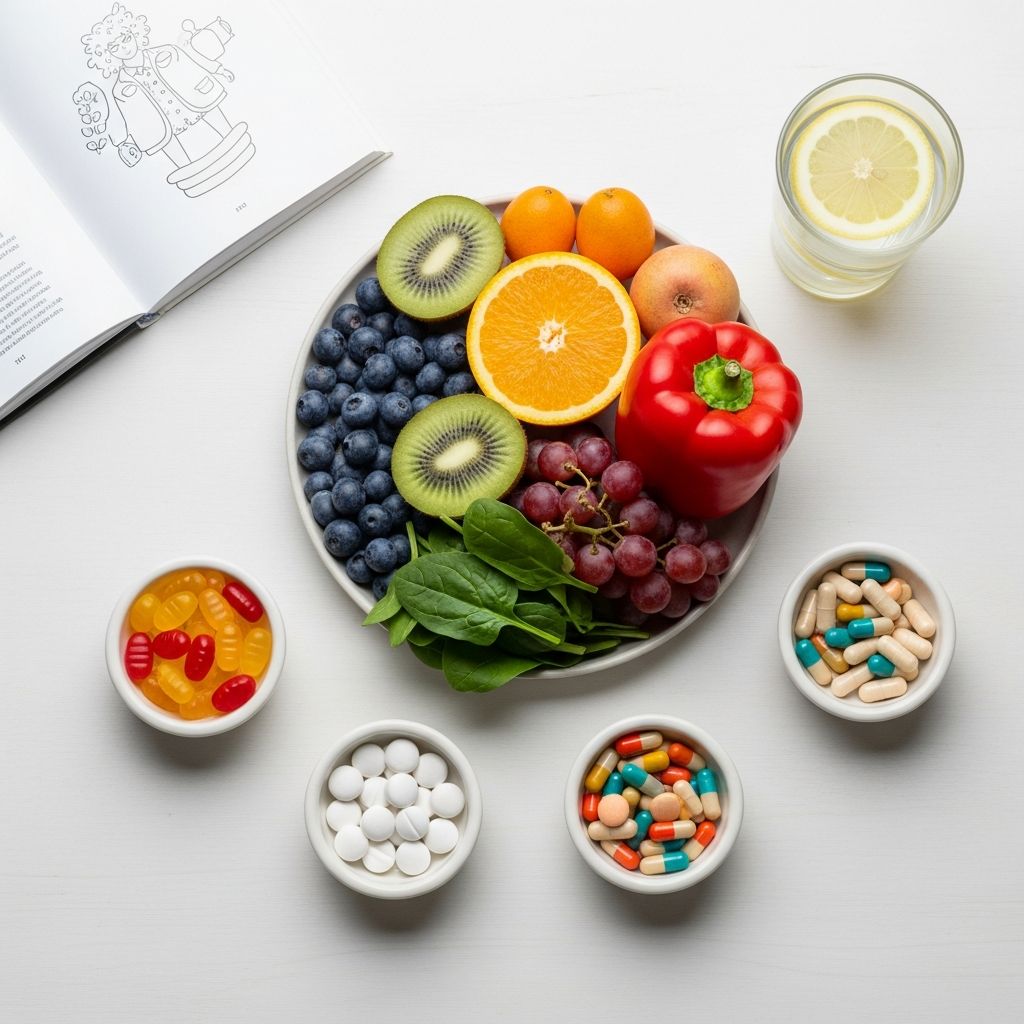
The teen years are a time of intense growth, busy schedules, changing moods, and bigger responsibilities. Your body is building stronger bones, a more powerful brain, and more resilient muscles all at once, and vitamins and minerals are the tiny helpers that make this possible.
This guide explains how these nutrients work, which ones matter most during adolescence, how to get them from everyday foods, and what to know about supplements. It is written in original language for educational purposes and does not reproduce or quote any specific source. It also respects intellectual property and copyright by using external material only as inspiration.
Why Vitamins and Minerals Matter More in Your Teens
Vitamins and minerals are called micronutrients because the body needs them in small amounts, yet their impact is huge. They support growth, keep your immune system ready to fight germs, and help your brain handle long days of school, sports, and social life.
- Growth and development: Nutrients like calcium, vitamin D, and protein help build bone and muscle during growth spurts.
- Brain power: B vitamins, iron, iodine, and omega-3 fats help with focus, memory, and mood balance.
- Energy and performance: Iron, magnesium, and B vitamins help you turn food into usable energy so you can stay active and alert.
- Immune defense: Vitamins A, C, D, E, and minerals like zinc help your body resist infections and recover faster when you get sick.
When the body does not get enough of certain nutrients, problems can show up as tiredness, frequent colds, trouble concentrating, weak nails, or slower athletic recovery. While one day of less-than-perfect eating will not harm you, long-term patterns matter.
How Micronutrients Work Behind the Scenes
Every vitamin and mineral has specific roles, but they rarely work alone. Many of them act like teammates: one helps another get absorbed, stored, or activated, and you feel the benefit only when the whole system is supported.
- Vitamin D makes it easier for your body to absorb calcium from food.
- Vitamin C improves how well you absorb iron from plant-based sources.
- Magnesium helps enzymes that control hundreds of reactions related to energy and muscle function.
- B vitamins help enzymes break down carbohydrates, fats, and proteins into fuel.
Because of this teamwork, patterns of eating matter more than any single “superfood.” A variety of colorful plants, protein sources, and whole grains is the most reliable way to cover your micronutrient bases.
Key Vitamins Teens Should Know
While all vitamins are important, several are especially relevant during the adolescent years. Here are some of the most influential ones and how they support your body.
Vitamin A: Skin, Eyes, and Immunity
Vitamin A helps maintain clear vision, especially in low light, and supports healthy skin and the linings of your nose, lungs, and gut. These protective barriers are part of your first line of defense against germs.
- Helpful for: Vision, immune function, skin health.
- Food ideas: Carrots, sweet potatoes, spinach, kale, red and orange peppers, eggs, and dairy products.
B Vitamins: Everyday Energy Helpers
“B vitamins” is a group name for several related nutrients, including thiamin, riboflavin, niacin, vitamin B6, folate, and vitamin B12. Together, they help the body convert food into energy, build red blood cells, and support brain and nerve function.
- Helpful for: Energy metabolism, nervous system, mood and concentration.
- Food ideas: Whole grains, beans, lentils, nuts, seeds, eggs, poultry, fish, dairy products, and fortified breakfast cereals.
Vitamin C: Defense and Repair
Vitamin C is involved in collagen production, which supports skin, cartilage, and blood vessels. It is also an antioxidant, which means it helps neutralize unstable molecules that can damage cells, especially when the body is under stress or fighting infection.
- Helpful for: Immune support, wound healing, healthy gums and skin.
- Food ideas: Citrus fruits, strawberries, kiwi, bell peppers, broccoli, tomatoes, and potatoes with skin.
Vitamin D: Bone Builder and More
Vitamin D helps your body use calcium to strengthen bones and teeth. Adequate levels are especially important during adolescence, when you are gaining much of your future adult bone mass. Many teens spend long hours indoors or use strong sun protection, which can reduce natural vitamin D production in the skin.
- Helpful for: Bone strength, muscle function, immune health.
- Food ideas: Fortified milk or plant milks, fortified cereals, eggs, and fatty fish such as salmon or sardines.
Vitamin E and Vitamin K: Protection and Clotting
Vitamin E acts mainly as an antioxidant, helping protect cell membranes from damage. Vitamin K plays a key role in normal blood clotting and also helps regulate bone proteins.
- Vitamin E foods: Nuts, seeds, plant oils like sunflower or canola, wheat germ, and some green vegetables.
- Vitamin K foods: Leafy greens (spinach, kale, cabbage), broccoli, certain vegetable oils, and some fermented foods.
Essential Minerals During Adolescence
Minerals are elements that your body cannot produce but must obtain from food and drink. Some are needed in relatively larger amounts, while others are required only in tiny traces yet remain vital to life.
Calcium: Peak Bone Strength
Calcium is the main mineral in bones and teeth. During your teen years, your body is busy stacking up bone mineral density that will help protect you from fractures and bone loss later in life. Falling short on calcium for years can make it harder to reach your full height and bone strength potential.
- Helpful for: Bone and tooth strength, normal muscle contraction, nerve signaling.
- Food ideas: Milk, yogurt, cheese, calcium-fortified plant milks, tofu made with calcium, leafy greens such as collard greens and bok choy, and some canned fish with soft bones.
Iron: Oxygen Carrier and Energy Support
Iron is a core part of hemoglobin, the protein in red blood cells that transports oxygen from your lungs to the rest of your body. Teens who do not get enough iron can feel weak, tired, short of breath during exercise, or have trouble concentrating.
- Higher-risk groups: Teen girls with heavy periods, teens on vegetarian or vegan diets without careful planning, and high-endurance athletes.
- Food ideas: Lean red meat, poultry, fish, beans, lentils, chickpeas, fortified cereals, pumpkin seeds, and dark leafy vegetables eaten with a source of vitamin C.
Zinc: Growth and Immune Function
Zinc is necessary for proper growth, tissue repair, and immune defenses. It also plays a role in taste perception, which partly explains why low zinc status can sometimes affect appetite.
- Helpful for: Wound healing, immune response, normal growth and sexual development.
- Food ideas: Meat, shellfish, beans, nuts, seeds, whole grains, and dairy products.
Magnesium and Iodine: Hidden Workhorses
Magnesium assists in muscle relaxation, energy production, and nerve function. Iodine, on the other hand, is essential for thyroid hormones, which regulate metabolism and help guide normal growth and brain development.
- Magnesium foods: Nuts, seeds, whole grains, dark leafy greens, beans, and some mineral waters.
- Iodine foods: Iodized table salt, seafood, seaweed in moderate amounts, and dairy products in some regions.
Sample Nutrient-Rich Teen Meal Ideas
Putting nutrient knowledge into practice is easier with concrete ideas. You do not need fancy recipes or expensive foods; the focus is on mixing food groups and colors throughout the day.
| Meal | Main Components | Notable Vitamins | Key Minerals |
|---|---|---|---|
| Breakfast wrap | Whole-grain tortilla, scrambled eggs, spinach, salsa, shredded cheese | B vitamins, vitamin A, vitamin C | Iron, calcium, magnesium |
| Snack plate | Greek yogurt, berries, handful of nuts | Vitamin C, B vitamins, vitamin E | Calcium, magnesium, zinc |
| Lunch bowl | Brown rice, black beans, grilled chicken or tofu, mixed veggies | Folate, B vitamins, vitamin A | Iron, zinc, magnesium |
| After-school smoothie | Fortified milk or plant milk, banana, frozen berries, spoonful of oats | Vitamin C, B vitamins | Calcium, potassium, small amounts of iron and magnesium |
| Dinner stir-fry | Mixed vegetables, lean beef or tempeh, garlic, ginger, served over noodles or rice | B vitamins, vitamin C, vitamin K | Iron, zinc, manganese |
Smart Habits to Cover Your Nutrient Needs
It is not realistic to track every vitamin and mineral you eat, but a few daily habits can help you naturally hit your micronutrient targets without obsessing over numbers.
- Build most meals around whole foods such as vegetables, fruits, whole grains, beans, nuts, seeds, and lean proteins.
- Add color to every plate; different colors usually mean different nutrients.
- Include a source of protein at each meal or snack to feel satisfied and support growth.
- Use fortified foods wisely, such as fortified breakfast cereals or plant milks, especially if you avoid dairy or animal products.
- Stay hydrated with water most of the time and keep sugary drinks as occasional treats.
Supplements: When Are They Helpful?
For most healthy teens who eat a varied diet, food can supply enough vitamins and minerals. Supplements are not a replacement for healthy eating, but in certain situations, a doctor or dietitian might recommend them.
- Possible reasons for supplements: Very limited food choices, food allergies, medically restricted diets, vegan diets without planning, or diagnosed deficiencies.
- Supervision matters: High doses of some vitamins and minerals can be harmful, so teens should not start pills or powders without talking to a health professional.
Labels such as “natural,” “mega-strength,” or “immune-boosting” do not automatically mean a product is safe or necessary. The most important “supplement” for everyday health is still a balanced pattern of eating, sleeping well, moving regularly, and managing stress.
Common Vitamin and Mineral Myths
There are many myths around micronutrients, especially on social media. Understanding what is and is not true can help you avoid wasting money or putting your health at risk.
- Myth: More vitamins always mean better health. Reality: Once normal needs are met, megadoses usually do not improve health and can sometimes cause side effects.
- Myth: Supplements can replace meals. Reality: Pills and powders cannot fully match the mix of fiber, healthy fats, plant chemicals, and textures found in whole foods.
- Myth: Only animal foods provide important minerals. Reality: Beans, lentils, nuts, seeds, whole grains, and fortified plant foods can also supply many key nutrients when planned thoughtfully.
FAQs About Teen Vitamins and Minerals
Do I need a daily multivitamin?
Many teens can meet their nutrient needs through food alone if they eat a variety of whole foods and do not skip too many meals. A general multivitamin may be considered in discussion with a health professional if your diet is very restricted, you follow a vegan pattern without guidance, or you have been told you are low in specific nutrients.
Is it possible to get too many vitamins or minerals?
Yes. While it is rare to overdose from food alone, large amounts of single-nutrient supplements can create problems. For example, excessive vitamin A or iron from pills can be toxic. This is why teen use of concentrated supplements should always be guided by a doctor, nurse, or dietitian rather than self-diagnosis.
What if I do not like vegetables?
Start slowly and keep experimenting. Try vegetables in different forms, such as roasted instead of steamed, blended into sauces, or chopped finely into wraps or omelets. Pair new vegetables with foods you already like and aim to add small portions regularly instead of forcing large servings at once.
Are energy drinks a good way to get vitamins?
Many energy drinks contain caffeine and large amounts of sugar or sweeteners, which can interfere with sleep, increase heart rate, or upset your stomach. Even when they include added vitamins, they are not a healthy or necessary way to meet nutrient needs, especially compared with water, milk, smoothies, or balanced snacks.
How can I support my bones if I do not drink milk?
If you avoid dairy, look for plant-based milks that are fortified with calcium and vitamin D, and include other calcium sources like tofu made with calcium, leafy greens, almonds, and canned fish with soft bones if you eat fish. It can also be helpful to discuss your intake with a health professional to ensure you are meeting your targets.
Taking Control of Your Nutrition
Learning about vitamins and minerals is not about chasing perfection but about giving your body what it needs to feel strong, think clearly, and grow into adulthood with confidence. As a teen, you are gaining more control over your choices, from what you grab for breakfast to the snacks you keep in your bag.
Focus on consistent, realistic habits: eating colorful, varied foods, staying active, sleeping enough, and reaching out for guidance when something feels off. Those daily decisions build the foundation for lifelong health far more effectively than any quick fix or trendy supplement.