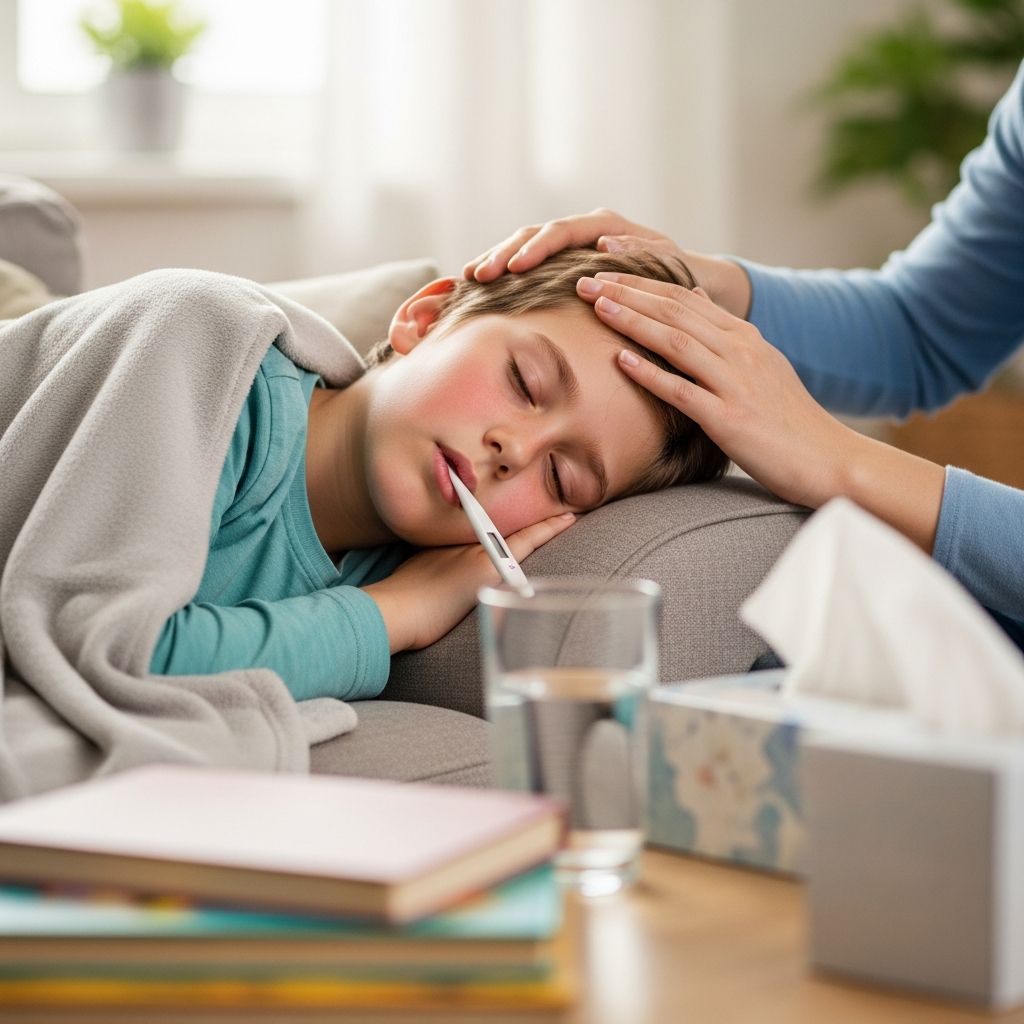
Infectious mononucleosis, commonly called mono or the “kissing disease,” primarily affects children and teenagers. Caused mainly by the Epstein-Barr virus (EBV), it spreads through saliva and leads to symptoms like profound fatigue and sore throat that can disrupt daily life. This article equips parents with knowledge on recognition, management, and safeguarding family health.
What Causes Mononucleosis?
Mono results from viral infections, with EBV being the predominant culprit in over 90% of cases among young people. This herpesvirus family member resides lifelong in the body post-infection, typically dormant but reactivatable under immune stress. Less frequently, cytomegalovirus (CMV) or other viruses mimic mono symptoms.
Transmission occurs via saliva exchange: kissing, sharing utensils, drinks, toothbrushes, or food. Sports involving mouthguards or close contact, like wrestling, heighten risk. Incubation spans 4-6 weeks, explaining asymptomatic spread before illness onset. Most children encounter EBV by adulthood, gaining immunity, yet teens often experience classic symptoms due to robust immune responses.
Recognizing Early Signs in Kids
Symptoms emerge gradually 4-7 weeks post-exposure, varying by age. Young children might show mild fever, appetite loss, and slight fatigue, easily mistaken for a cold. Teens and older kids face more intense manifestations, including extreme tiredness confining them to bed for weeks.
Core indicators include:
- **Profound fatigue**: Overwhelming exhaustion persisting months post-recovery.
- **Sore throat**: Often severe, with swollen tonsils coated in white patches, unresponsive to antibiotics and mimicking strep.
- **Fever**: Moderate, ranging 100-102°F (37.8-38.9°C), lasting 1-2 weeks.
- **Swollen lymph nodes**: Tender enlargement in neck, armpits, and groin.
Additional signs: headache, muscle aches, skin rash (especially post-antibiotics like amoxicillin), enlarged spleen or liver, and puffy eyes. Spleen swelling, felt upper-left abdomen, affects 50% of cases, demanding activity caution to avert rupture.
How Doctors Confirm Mono
Diagnosis starts with physical exams noting swollen tonsils, lymph nodes, or abdominal tenderness signaling organ enlargement. Blood tests verify: monospot detects heterophile antibodies (positive after 1-2 symptom weeks, less reliable in young kids); EBV-specific antibody tests confirm acute vs. past infection. Throat swabs rule out strep, as co-infections occur. Imaging like ultrasound assesses spleen/liver if needed.
Supportive Care at Home
No antiviral cures mono; management emphasizes symptom relief and complication prevention. Recovery spans 2-4 weeks for most, with fatigue lingering longer.
| Symptom | Recommended Relief | Precautions |
|---|---|---|
| Fever/Pain | Acetaminophen or ibuprofen | Avoid aspirin in kids/teens (Reye’s syndrome risk) |
| Sore Throat | Lozenge, warm saltwater gargles, soft foods | Stay hydrated |
| Fatigue | Rest, nap schedule | Gradual activity return |
| Dehydration | Electrolyte fluids, popsicles | Monitor urine output |
Prioritize bed rest during peak symptoms, nutritious meals despite poor appetite, and hydration. Gargling saltwater (1/2 tsp salt in 8 oz warm water) soothes throats. Humidifiers ease breathing; cool compresses reduce fever. Antibiotics treat bacterial overlays like strep, but avoid ampicillin/amoxicillin to prevent rash.
Potential Complications and Monitoring
Usually self-limiting, mono rarely causes issues but spleen rupture (0.1-0.5% risk) is critical—painful left-upper abdomen injury warrants ER visit. Airway obstruction from tonsil swelling may need steroids; hepatitis or anemia occurs seldom. Chronic fatigue affects some months post-infection.
Monitor for worsening: high fever >3 days, breathing difficulty, sharp abdominal pain, jaundice, or confusion. No contact sports/gym for 3-6 weeks or until spleen normalizes via follow-up.
Preventing Spread in Families
Mono spreads easily in households/schools. Isolate infected kids: no sharing items, cover coughs, frequent handwashing. Disinfect high-touch surfaces. Avoid kissing; use utensils solo. Immune individuals (prior EBV) resist reinfection. No vaccine exists, but hygiene curbs outbreaks.
Recovery Timeline and Returning to Normal
Acute phase: 1-3 weeks (fever/throat resolve first). Full energy: 1 month typical, up to 6 for some. Gradually resume school/work, starting half-days. Spleen clearance via ultrasound before sports. Nutrition aids rebound: proteins, vitamins C/B, hydration. Most enjoy lifelong immunity.
Special Considerations for Children
Youngsters (<5 years) often asymptomatic or mild, aiding unnoticed spread. Teens face severity from immune surges. Immunocompromised kids risk prolonged courses—consult specialists. Pregnant mothers: discuss risks with providers.
Frequently Asked Questions
Can mono recur?
Rarely; EBV persists dormant. Reactivation unlikely in healthy kids.
Is mono contagious forever?
Highly during acute phase (weeks); shedding possible months, low risk post-recovery.
When can my child play sports again?
4-6 weeks minimum, doctor-cleared spleen normalcy essential.
Does mono cause long-term issues?
Typically no; rare chronic fatigue or EBV-cancer links (e.g., lymphoma, adults).
Can antibiotics cure mono?
No, viral; used only for bacterial co-infections.
Empowering Parents: Key Takeaways
Mono challenges but passes with rest, hydration, pain relief. Vigilance prevents complications. Educate kids on hygiene; patience aids recovery. Consult pediatricians for tailored advice.
References
- Mononucleosis “MONO” Symptoms & Treatments – Ask A Nurse — YouTube. Accessed 2026. https://www.youtube.com/watch?v=_toyEIAu8sE
- Mononucleosis – Symptoms & causes — Mayo Clinic. 2023-10-15. https://www.mayoclinic.org/diseases-conditions/mononucleosis/symptoms-causes/syc-20350328
- Mononucleosis (Infectious) — Nationwide Children’s Hospital. 2024-05-01. https://www.nationwidechildrens.org/conditions/mononucleosis
- Mono Signs, Causes, & Duration (for Teens) — Nemours KidsHealth. 2023-08-20. https://kidshealth.org/en/teens/mononucleosis.html
- Mononucleosis – Diagnosis & treatment — Mayo Clinic. 2023-10-15. https://www.mayoclinic.org/diseases-conditions/mononucleosis/diagnosis-treatment/drc-20350333
- Mononucleosis (Mono or the Kissing Disease) — Cleveland Clinic. 2024-02-12. https://my.clevelandclinic.org/health/diseases/13974-mononucleosis
- Infectious Mononucleosis — MedlinePlus (NIH). 2024-07-10. https://medlineplus.gov/infectiousmononucleosis.html
- About Infectious Mononucleosis (Mono) — CDC. 2024-09-05. https://www.cdc.gov/epstein-barr/about/mononucleosis.html