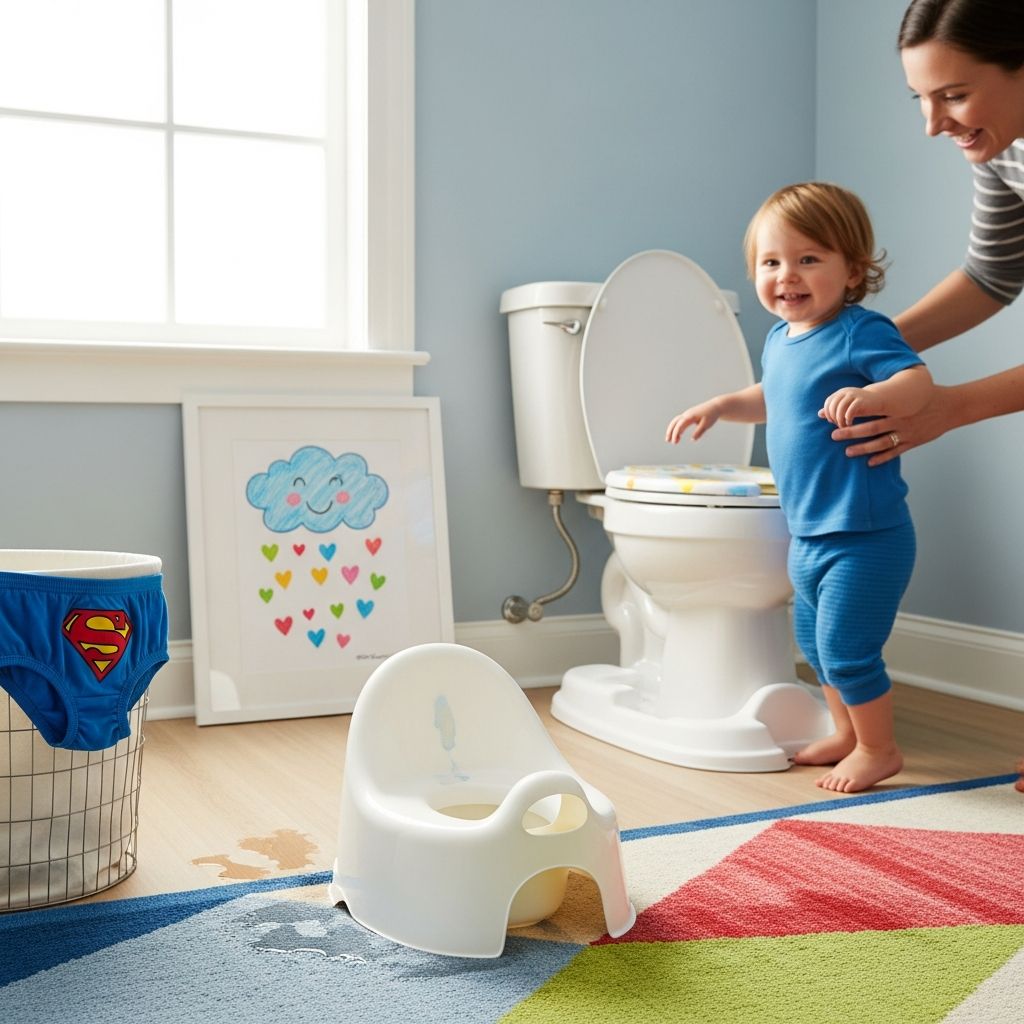
Many parents feel confused or worried when a fully potty-trained 3-year-old suddenly starts having frequent pee accidents or small urine leaks. The good news is that this situation is common, usually fixable, and rarely your child’s fault. With a mix of medical awareness, practical routines, and emotional support, most children return to consistent dryness.
Why Potty Accidents Happen After a Child Is “Trained”
Toilet learning is not a single moment but an ongoing developmental process. Even when a child has been dry for months, many factors can temporarily disrupt that success. Understanding the most common causes helps you respond calmly instead of reacting with frustration or shame.
Typical Reasons for New or Increased Pee Accidents
- Physical issues such as constipation or urinary tract infections (UTIs) affecting bladder control.
- Developmental immaturity of bladder capacity or muscle coordination, which is still evolving in preschool years.
- Stress and life changes that trigger regression in previously mastered skills.
- Busy or distracted play, where your child waits too long to go.
- Toilet environment issues (fear of the bathroom, loud flushes, unfamiliar toilets at daycare, etc.).
Occasional accidents are normal; consistent, frequent accidents or constant dampness between voids deserve closer attention.
Step One: Rule Out Medical Causes
Before assuming your child is “being lazy” or “testing limits,” it is important to consider their health. Certain medical issues can make staying dry nearly impossible, even for a motivated child.
Constipation and Its Effect on Bladder Control
Constipation is one of the most common—but often overlooked—reasons for daytime pee accidents in otherwise potty-trained children. When the rectum is full of stool, it presses on the bladder and surrounding nerves, leading to:
- Frequent urges to pee or sudden urgency.
- Small, frequent leaks of urine.
- Daytime and sometimes nighttime wetting.
Constipation in kids may not look like what adults expect. A child can poop daily and still be backed up. Watch for:
- Very large, hard, or painful stools.
- Skid marks or stool smears in underwear.
- Stool withholding (crossed legs, stiff posture, hiding when needing to go).
If you suspect constipation, consult your child’s healthcare provider. They may recommend dietary changes (more fiber, adequate fluids), stool softeners, or other treatment to fully clear the bowel and relieve pressure on the bladder.
Urinary Tract Infections (UTIs)
UTIs can cause sudden changes in peeing patterns, including frequent accidents in a child who was previously dry. Seek medical evaluation if you notice:
- Pain, burning, or crying with urination.
- Foul-smelling or cloudy urine.
- Fever without an obvious cause.
- Needing to pee very often or urgently but passing only small amounts.
Your pediatrician may test a urine sample and, if needed, prescribe antibiotics. When the infection resolves, accidents often improve.
Other Conditions to Mention to the Doctor
- Anatomical or neurological issues that affect bladder control (rare, but your doctor will consider them based on your child’s history).
- Giggle incontinence (uncontrolled leaking only when laughing hard).
- Skin irritation or inflammation from bubble baths or harsh soaps around the urethra, which can make urination uncomfortable and lead to avoidance.
If your child was reliably dry and suddenly starts leaking or having many accidents, most pediatric sources recommend a medical check first to rule out underlying problems.
Emotional and Environmental Triggers
Once medical causes have been ruled out or treated, look next at your child’s emotional world and daily environment. Many regressions are your child’s way of signaling stress, change, or a need for more connection.
Big Transitions and Stress
Toilet training regression is frequently linked to stressful events or changes in routine. Examples include:
- Starting daycare or preschool.
- Welcoming a new sibling.
- Moving homes or changing caregivers.
- Parental conflict, separation, or other family stress.
Young children may not have the words to explain their feelings, so their bodies “speak” instead—through sleep disruptions, clinginess, or toilet regressions.
Fear or Discomfort Around the Toilet
Some children are genuinely frightened by aspects of the bathroom: the flush sound, automatic toilets, the size of an adult toilet, or the sensation of letting go. Others avoid unfamiliar bathrooms (like at school) or find them overstimulating or not clean.
Signs your child may be anxious about the toilet include:
- Refusing to sit on the toilet despite needing to go.
- Insisting on using only one specific bathroom.
- Accidents mainly at school, daycare, or outside the home.
Power Struggles and Control
Toileting is one of the few areas of life where a toddler can exert total control. If the child senses that parents are highly invested, anxious, or angry about pee, they may dig in their heels and resist or hold, sometimes resulting in both constipation and pee accidents.
Creating a Supportive Bathroom Routine
Whether the cause is physical, emotional, or both, a gentle routine around toileting helps your child feel safe and successful again.
Make Scheduled Potty Trips the Norm
Rather than asking “Do you need to go?” (to which most busy 3-year-olds say no), build regular bathroom breaks into the day.
- Invite your child to try every 2–3 hours, and before going out, before naps, and before bed.
- Frame it as a neutral habit: “It’s bathroom time,” not a test of success.
- Use a visual schedule or simple chart if your child enjoys routines.
Optimize Posture and Physical Setup
Good physical support makes it easier for a child to completely empty the bladder and relax the right muscles.
- Use a child-sized potty or a child seat on the big toilet.
- Provide a stable footstool so feet are flat and knees are slightly higher than hips.
- Encourage a slight forward lean with elbows resting on knees.
Research suggests that when a child’s feet dangle without support, they have more difficulty controlling voiding muscles and may not empty effectively, which can contribute to accidents.
Keep Bathroom Time Calm and Engaging
Children with anxiety or resistance may benefit from short, positive “practice sits.”
- Start with 30–60 seconds on the potty, fully clothed if needed.
- Read a short book, sing, or chat to keep them company.
- Gradually shift to bare-bottom sits and slightly longer times, but avoid forcing.
Never punish or shame accidents. Evidence suggests that scolding and pressure can increase withholding, constipation, and toilet refusal.
Parent Responses That Help (and Those That Don’t)
Your reaction strongly shapes how your child feels about their body and their progress. Calm, nonjudgmental support encourages cooperation and confidence.
Helpful Responses
- Stay neutral about wet clothes. Use a matter-of-fact tone: “Your pants are wet, let’s get you cleaned up.”
- Offer empathy. “Accidents happen. Learning to listen to your body takes time.”
- Reassure your child. Emphasize that their body is not bad or broken, and you believe they can do this.
- Use positive reinforcement. Notice effort: sitting on the toilet, telling you they need to go, trying again after an accident.
- Give choices to increase autonomy. Let them pick which bathroom, which underwear, or which book they want to read on the potty.
Responses That Can Make Things Worse
- Shaming or blaming. Comments like “You’re too big for this” or “Why are you doing this to me?” can raise anxiety and worsen accidents.
- Threats and punishment. These may push the child to hide accidents or withhold stool and urine, increasing health risks.
- Excessive focus on accidents. Constant reminders, checking, or criticism can turn toileting into a battleground.
Sample Daily Potty-Support Plan
The table below offers an example of a low-pressure daily structure you can adapt to your family:
| Time of Day | Suggested Support |
|---|---|
| Morning (after waking) | Calm bathroom invitation, help with comfortable posture, brief sit even if no pee. |
| Mid-morning | Bathroom break after snack and water; light reminder without pressure. |
| Before leaving the house | “We’ll use the toilet before we go” as part of the departure routine. |
| Before nap/quiet time | Short sit, then books or cuddles; keep it relaxed and predictable. |
| Afternoon play | Set a timer every 2–3 hours; pause play for a quick bathroom visit. |
| Evening (after dinner) | Bathroom break, including time to fully empty bladder before bedtime routine. |
When Is Urine Leakage a Concern?
Many leaks are harmless signs that a child needs more time and support, but some patterns warrant further assessment. Contact your child’s healthcare provider if you notice:
- Constant dampness in underwear between full pees.
- Frequent accidents after months of consistent dryness.
- Regression combined with pain, fever, or changes in thirst or energy.
- Bedwetting that suddenly starts alongside daytime accidents and other stress signs.
Bring practical details to the appointment:
- How often your child pees and drinks.
- Any constipation signs and bowel patterns.
- When and where accidents tend to happen (home vs. school, during play, etc.).
Practical Lifestyle Tips to Support Better Bladder Habits
In addition to routines and emotional support, small daily habits can ease strain on your child’s bladder and bowel.
- Hydration: Offer water regularly throughout the day rather than large amounts at once. Avoid over-relying on sugary drinks.
- Fiber-rich foods: Include fruits, vegetables, whole grains, and beans to reduce constipation risk.
- Active play: Movement and outdoor time can support healthy bowel motility and overall regulation.
- Toilet-friendly clothing: Choose elastic waistbands that your child can quickly pull down, reducing last-second accidents.
- Limit long holding: Gently redirect a child who tends to hold pee for long periods because they are absorbed in play.
Frequently Asked Questions (FAQs)
My 3-year-old leaks a little pee several times a day but rarely has a full accident. Is this normal?
Small, frequent leaks can be related to habits (waiting too long, not relaxing fully on the toilet) or physical factors like constipation putting pressure on the bladder. It is worth discussing with your pediatrician, especially if it is new or persistent, to rule out medical causes before focusing on routine and behavioral changes.
Should I put my child back in diapers if they keep having accidents?
Temporary use of training pants or diapers may reduce laundry stress, but going fully “backwards” can sometimes feel confusing or shaming for a child. Many experts recommend maintaining toilet access and routine while using protective underwear in specific situations (like long outings or daycare) and emphasizing that their body is still learning.
How long does potty regression usually last?
If there is no medical issue and you respond with calm support, many regressions improve over a few weeks. However, if accidents are frequent, worsening, or persist beyond a month despite supportive strategies, consult your child’s healthcare provider for a more detailed assessment.
Is it my fault that my child is having accidents?
Potty accidents are rarely a result of a single parenting choice. They reflect a mix of your child’s biology, development, emotions, and environment. What matters most now is how you respond: with patience, curiosity, and willingness to adjust routines and seek medical support when needed.
How can I talk to daycare or preschool about the accidents?
Share that your child is working on staying dry and that you are coordinating with a healthcare provider if appropriate. Ask staff to offer regular bathroom opportunities, help your child feel safe using the toilet at school, and report patterns they notice. A non-shaming, team approach creates consistency for your child and often speeds improvement.
References
- Potty Training Regression — American Academy of Pediatrics / HealthyChildren.org. 2022-04-01. https://www.healthychildren.org/English/ages-stages/toddler/toilet-training/Pages/Regression.aspx
- What To Do When Your Potty Trained Child Suddenly Isn’t — Cleveland Clinic Health Essentials. 2023-05-19. https://health.clevelandclinic.org/what-to-do-when-your-potty-trained-child-suddenly-isnt
- Potty Training Problems and Solutions: An Evidence-Based Guide — Parenting Science (G. G. Privette / Gwen Dewar, Ph.D.). 2023-01-10. https://parentingscience.com/potty-training-problems-prevention/
- Potty Training Problems? 5 Strategies to Help your Child Avoid Accidents — BDI Playhouse Children’s Therapy. 2022-09-15. https://bdiplayhouse.com/potty-training-strategies/
- The Truth About Bedwetting and Accidents: Why Constipation May Be the Real Culprit — Positive Parenting Solutions (with pediatric urology research summary). 2020-08-01. https://www.positiveparentingsolutions.com/bedwetting-accidents-potty-training/