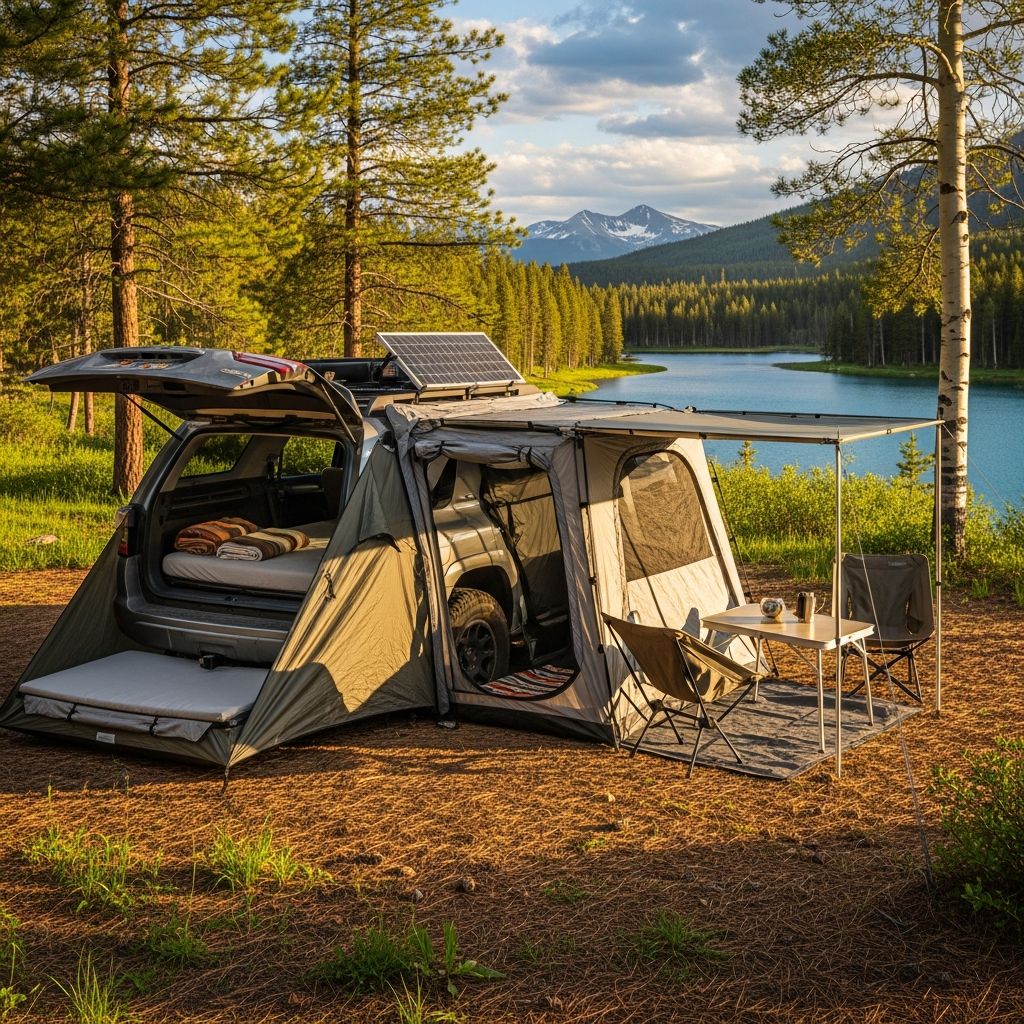
Rethinking Your Vehicle Camping Setup with Modular Tent Technology
Traditional car camping often forces adventurers to choose between the convenience of sleeping in their vehicle and the spaciousness of a proper tent. Modern modular tent systems have emerged as an innovative solution that bridges this gap, allowing travelers to create customized outdoor sleeping arrangements that complement their vehicle setup perfectly. Unlike rigid tent designs that serve a single purpose, modular systems enable campers to expand, reconfigure, and adapt their shelter based on group size, weather conditions, and the specific demands of each trip.
The evolution of portable shelter technology has transformed how families and solo travelers approach outdoor recreation. Where previous generations relied on heavy canvas tents requiring substantial setup time, today’s interconnected tent systems leverage lightweight materials, intuitive connection points, and intelligent design to deliver flexible camping solutions that respond to real-world outdoor challenges.
Understanding Modular Tent Architecture and Design
At its core, a modular tent system functions as a collection of interconnected components that work together as a unified shelter. Each section attaches to adjacent units through engineered fastening systems, allowing users to add or remove elements without compromising structural integrity. This architectural approach fundamentally differs from traditional tents, which are designed as complete, immobile units.
The fundamental strength of modular design lies in its flexibility. Campers can begin with a single sleeping tent module and progressively add ventilation sections, gear storage areas, or covered entry passages as needs evolve. Some advanced systems even allow users to create multi-chambered configurations where separate units serve specialized functions—one section for sleeping, another for changing clothes or storing equipment, and a third providing sheltered cooking or dining space.
Material Composition and Weather Resistance
Quality modular tent systems employ high-strength aluminum alloy frameworks combined with PVC-coated fabric materials. This combination provides several advantages over traditional tent construction. Aluminum frames resist rust and corrosion while remaining lightweight enough for easy transport and setup, whereas PVC-coated fabrics offer superior water resistance and durability compared to standard canvas or nylon materials. The integration of these materials creates shelters capable of withstanding challenging environmental conditions throughout multiple seasons.
Modern modular systems also incorporate ventilation-optimized designs featuring high-quality mesh panels and intelligent airflow pathways. These features prove essential for maintaining comfort in varied climates—allowing moisture to escape during humid conditions while preventing heat loss during cooler nights.
Key Advantages of Interconnected Tent Systems for Vehicle Camping
Rapid Deployment for Time-Sensitive Situations
One of the most compelling benefits of modular tent architecture is deployment speed. While conventional tents typically require 10 to 30 minutes for complete assembly, quality modular systems achieve full setup in under three minutes using quick-connect fasteners and engineered connection points. For vehicle campers planning multiple stops across a road trip, this efficiency dramatically reduces setup fatigue and maximizes time spent enjoying natural surroundings.
Quick-connect fastening mechanisms simplify the assembly process by eliminating complicated pole configurations and intricate fabric threading that characterizes traditional tent setup. Instead, sections align through intuitive connection points, allowing even novice campers to construct sophisticated shelters with minimal instruction.
Scalability That Grows with Your Needs
Vehicle camping often accommodates changing group sizes—solo trips one season, family adventures the next, or group expeditions with extended social circles. Modular systems address this variable reality by growing alongside your camping requirements. A base configuration serving two people can expand to accommodate four, six, or more individuals by adding additional sleeping modules. This scalability eliminates the need to purchase entirely new tent systems as your camping circumstances evolve.
The ability to customize spatial configurations transforms how campers approach trip planning. Rather than accepting the inherent limitations of fixed-size shelters, modular users design layouts responding to their specific situation—expanding to maximize sleeping area on cold nights, reconfiguring to create privacy on multi-family trips, or isolating sleeping zones from common areas used for cooking and socializing.
Customizable Sidewall Options for Various Environments
Modular tent systems typically feature interchangeable sidewall components including plain panels, window sections, entrance flaps, and boot storage areas. This customization flexibility allows campers to optimize their shelter configuration for specific environmental conditions and activities. A summer camping trip might utilize predominantly window panels to maximize ventilation and visual connection with the landscape, while autumn adventures benefit from solid panels that block wind and retain warmth.
Practical Applications Beyond Basic Shelter
Creating Multifunctional Base Camps
Experienced vehicle campers understand that efficient base camps require more than just sleeping quarters. Modular systems enable the creation of sophisticated campground layouts where separate modules serve distinct purposes. One section functions as a sleeping area with climate control, another provides changing room privacy away from public view, and additional modules establish covered cooking zones or gear storage facilities protected from insects and weather.
This multifunctional approach proves particularly valuable for extended trips where comfort and organization directly impact the quality of the overall experience. Families with children benefit from designated sleeping areas separated from common spaces, reducing disruptions when younger members sleep earlier than adults. Couples appreciate changing room privacy without needing to retreat to vehicle interiors.
Weather Adaptation and Year-Round Deployment
Modern modular tent systems withstand diverse weather conditions through premium material construction and intelligent design features. Double-insulated roofs, waterproof fabrics, and optional heating elements accommodate seasonal variations while maintaining interior comfort. Some advanced configurations incorporate ventilation systems that operate in cold weather without creating condensation buildup—a persistent challenge in traditional tent camping.
Year-round versatility transforms modular systems from seasonal camping gear into reliable shelter solutions for extended adventures. Winter camping becomes feasible with proper insulation and weatherproofing, while summer trips benefit from enhanced ventilation preventing heat accumulation and humidity issues.
Comparing Setup Approaches
| Feature | Modular Tent Systems | Traditional Tents | Roof Tent Installation |
|---|---|---|---|
| Setup Time | Under 3 minutes | 15-30 minutes | 2-3 minutes |
| Flexibility/Scalability | Highly customizable | Fixed configuration | Single size |
| Storage Requirements | Vehicle space needed | Compact pack size | Permanent roof mounting |
| Weather Resistance | Excellent | Variable | Excellent |
| Cost Entry Point | Mid-range | Budget-friendly | Premium pricing |
| Customization Options | Multiple configurations | Limited | Minimal |
Maximizing Your Vehicle Camping Experience
Strategic Location Selection
Modular tent systems perform optimally when deployed on level ground providing adequate drainage. Unlike roof tents mounted on vehicle structures, ground-based modular systems benefit from careful site selection emphasizing proper surface preparation. Clear vegetation, locate away from dead branches overhead, and ensure water runs away from your setup rather than toward it.
Gear Organization Within Your System
The modular design’s greatest strength lies in its accommodation of specialized zones. Designate one module exclusively for sleeping gear and bedding to minimize disruption when people retire early or wake at different times. Reserve adjacent modules for clothing, toiletries, and personal items, maintaining separation from sleeping areas. Create a distinct cooking and dining zone, ideally positioned downwind from sleeping quarters to minimize smoke and cooking odor impact.
Ventilation Management
Proper airflow management extends comfort across temperature ranges. During warm weather, maximize ventilation by opening mesh windows and creating cross-ventilation pathways. In cooler conditions, balance the need for fresh air against heat retention by opening only necessary ventilation points. Modern modular systems design these considerations into their mesh panel placement, streamlining the process significantly.
Advantages for Families and Group Camping
Family camping presents unique challenges requiring sufficient space for multiple people while maintaining functional organization. Modular tent systems address these requirements by allowing parents to create private sleeping areas while establishing common spaces where the family gathers for meals and activities. Children appreciate having designated personal space within the larger shelter, while parents benefit from the ability to monitor younger members without sacrificing privacy.
Group camping scenarios similarly benefit from modular flexibility. Small social groups can create intimate configurations emphasizing shared space, while larger gatherings expand into more extensive layouts serving multiple functional purposes. The modularity ensures that whether you’re camping with your immediate family or organizing an extended friend group excursion, your shelter adapts accordingly.
Maintenance and Longevity Considerations
Care and Cleaning
Preserving your modular tent system’s performance requires regular maintenance. After each camping trip, allow materials to air-dry completely before storage to prevent mildew development. Clean PVC-coated fabrics with mild soap and soft brushes, avoiding abrasive materials that damage protective coatings. Inspect aluminum fastening components for corrosion, addressing any oxidation promptly with appropriate cleaning solutions.
Storage Best Practices
Proper storage extends the lifespan of modular tent components significantly. Store in cool, dry locations away from direct sunlight, which degrades fabric coatings over time. Keep fastening components organized and accounted for—missing quick-connect elements compromise the integrity of your system. Consider labeling individual modules to streamline future assembly and prevent confusion during setup.
Cost-Effectiveness Over Multiple Seasons
While modular tent systems represent a moderate initial investment compared to basic tents, their value proposition improves substantially over extended use. The durability of quality aluminum and PVC-coated materials means these systems remain functional and reliable across many seasons of use. Unlike cheaper tents requiring replacement after several years of regular use, properly maintained modular systems function reliably for decades. When calculating total cost of ownership across five or more years of annual camping trips, modular systems often prove more economical than repeatedly replacing inferior equipment.
Frequently Asked Questions About Modular Tent Systems
Can modular tent systems accommodate solo travelers, or are they designed only for groups?
Modular systems excel for solo camping because you configure them to your exact needs. A single-person setup requires only one or two modules, providing comfortable sleeping quarters without unnecessary bulk. As your camping habits evolve, adding modules allows your system to grow alongside your requirements.
How do modular tent systems perform in extreme weather conditions?
Quality modular systems with aluminum frames and PVC-coated fabrics withstand challenging environmental conditions including strong winds, heavy rain, and temperature extremes. The structural engineering of modular frames distributes stress across connection points, while quality materials resist water penetration and UV degradation. However, proper site selection and secure anchoring remain essential for optimal performance in severe weather.
What distinguishes modular tent systems from standard vehicle camping setups?
While vehicle camping typically relies on sleeping platforms inside vehicles combined with external tarps or simple shelters, modular tent systems provide integrated, engineered shelter solutions with customizable configurations and rapid deployment. They offer significantly more spacious sleeping areas and flexible functionality compared to vehicle-based arrangements.
Are replacement components readily available if a module becomes damaged?
Reputable modular tent manufacturers offer replacement components including sidewalls, fasteners, and frame sections. This availability ensures that minor damage doesn’t necessitate replacing the entire system, further supporting the long-term cost-effectiveness of quality modular solutions.
How much storage space does a modular tent system require in a vehicle?
Storage requirements vary based on system size and configuration, but modular components pack relatively compactly compared to traditional tents. A two-to-four person modular system typically fits within standard vehicle storage areas or roof carriers, similar to conventional tent packing. Consider your vehicle’s cargo capacity when selecting an appropriately scaled system.
Conclusion: Evolving Your Outdoor Adventure Approach
Modular tent systems represent a meaningful evolution in portable shelter technology, addressing limitations inherent in both traditional tents and vehicle-based camping arrangements. By combining rapid deployment, customizable configurations, superior durability, and weather resistance, these interconnected systems enable vehicle campers to create sophisticated base camps supporting extended adventures across diverse environments and seasons. Whether you’re planning solo expeditions, family road trips, or multi-family camping adventures, modular tent technology provides the flexibility, comfort, and reliability that modern outdoor enthusiasts increasingly demand.
References
- How Modular Tents Work for Flexible Outdoor Solutions — Lingtong Structures. 2024. https://www.lingtong-structures.com/How-Modular-Tents-Work-for-Flexible-Outdoor-Solutions.html
- What Is a Car Roof Tent? The Complete Guide to Roof Tent Camping — Escapade 4×4. 2024. https://www.escapade4x4.co.uk/blogs/news/what-is-a-car-roof-tent-the-complete-guide-to-roof-tent-camping
- Car Camping vs. Roof Tents: Pros, Cons, and Costs — Camp N Car. 2024. https://campncar.com/blogs/blog/car-camping-vs-roof-tents-pros-cons-and-costs
- Why You Should Try Car Camping — Hele Outdoors. 2024. https://heleoutdoors.com/blogs/car-camping-guide/why-you-should-try-car-camping