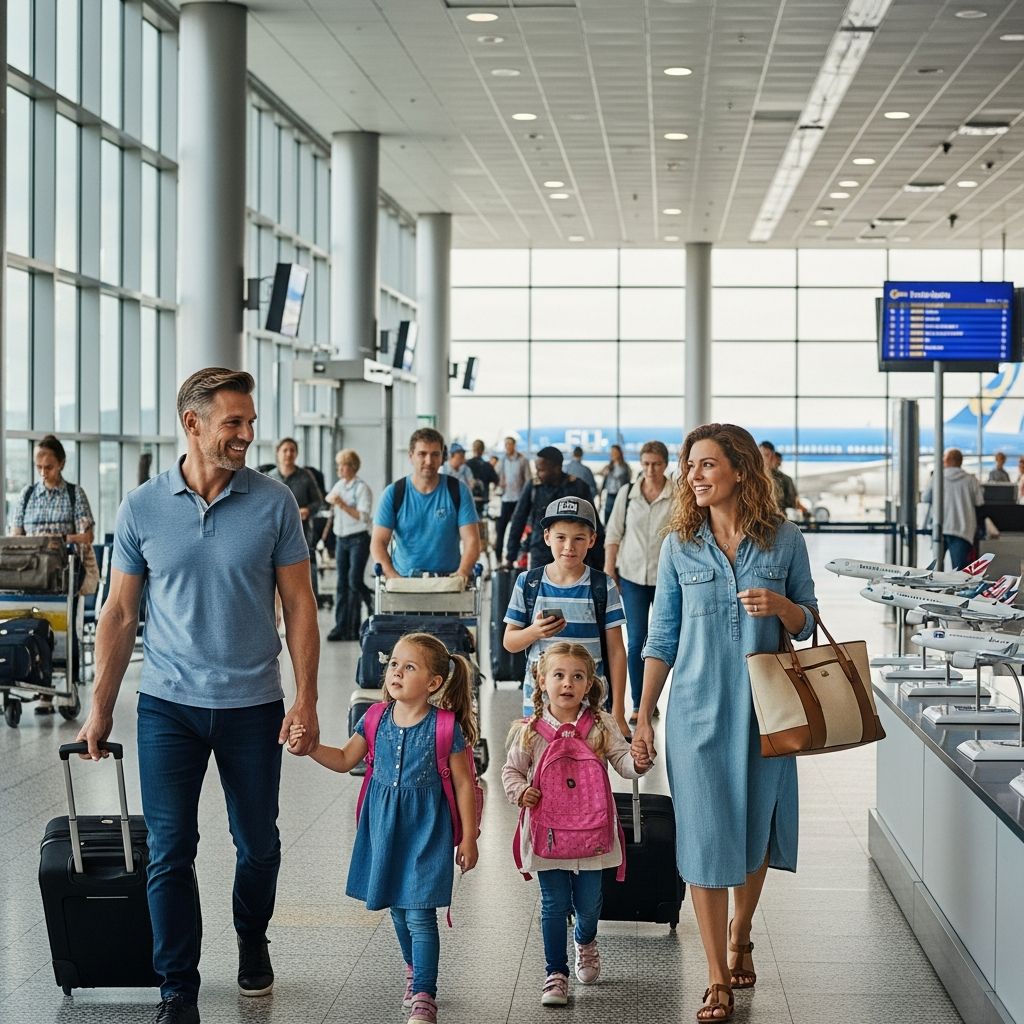
Modern fatherhood has evolved dramatically, moving beyond the outdated image of distant providers to embrace fully engaged co-parenting roles. Fathers today actively share childcare, household duties, and emotional labor, creating balanced family dynamics that benefit everyone involved.
The Evolution of Fatherhood Roles
Historically, societal norms positioned fathers primarily as financial supporters, with mothers handling most nurturing tasks. This division persisted through much of the 20th century, but cultural shifts, dual-income necessities, and evolving gender expectations have redefined these roles. Contemporary fathers participate in everything from prenatal care to daily routines, reflecting a commitment to equity.
Key drivers include workplace flexibility, paternity leave policies, and a growing recognition of paternal influence on child outcomes. Millennial and Gen Z dads, in particular, prioritize presence, challenging stereotypes of masculinity that emphasize stoicism over involvement.
- Increased prenatal engagement: Attending ultrasounds and classes builds early bonds.
- Daily involvement: Handling feedings, bedtime, and playtime as routine responsibilities.
- Shared decision-making: Collaborating on education, health, and discipline strategies.
Why Partnership Trumps ‘Helping’
Viewing fathers as ‘helpers’ undermines their essential role, implying parenting is primarily a maternal duty. True partnership means equal investment, where both parents contribute uniquely without one ‘assisting’ the other. This mindset fosters mutual respect and prevents burnout.
Fathers parenting solo aren’t ‘babysitting’; they are fulfilling their core duties. Comments like ‘He’s such a good helper’ inadvertently reinforce imbalances, even if well-meaning. Reframing language to ‘He’s parenting alongside me’ affirms equality.
| Outdated View | Modern Partnership |
|---|---|
| Father as ‘helper’ or ‘babysitter’ | Father as co-parent and decision-maker |
| Mother bears primary load | Shared responsibilities and emotional labor |
| Limited paternal influence seen | Recognized impact on family well-being |
Benefits for Children: Building Strong Foundations
Active father involvement profoundly shapes child development. Research links paternal engagement to enhanced cognitive skills, emotional regulation, and social competence. Children with involved dads exhibit higher self-esteem, better academic performance, and reduced behavioral issues.
Dads often bring distinct parenting styles—playful, adventurous, patient—that complement maternal approaches, offering diverse role models. This exposure dismantles gender stereotypes early, promoting empathy and flexibility in kids.
- Emotional security: Dual parental presence creates stability and belonging.
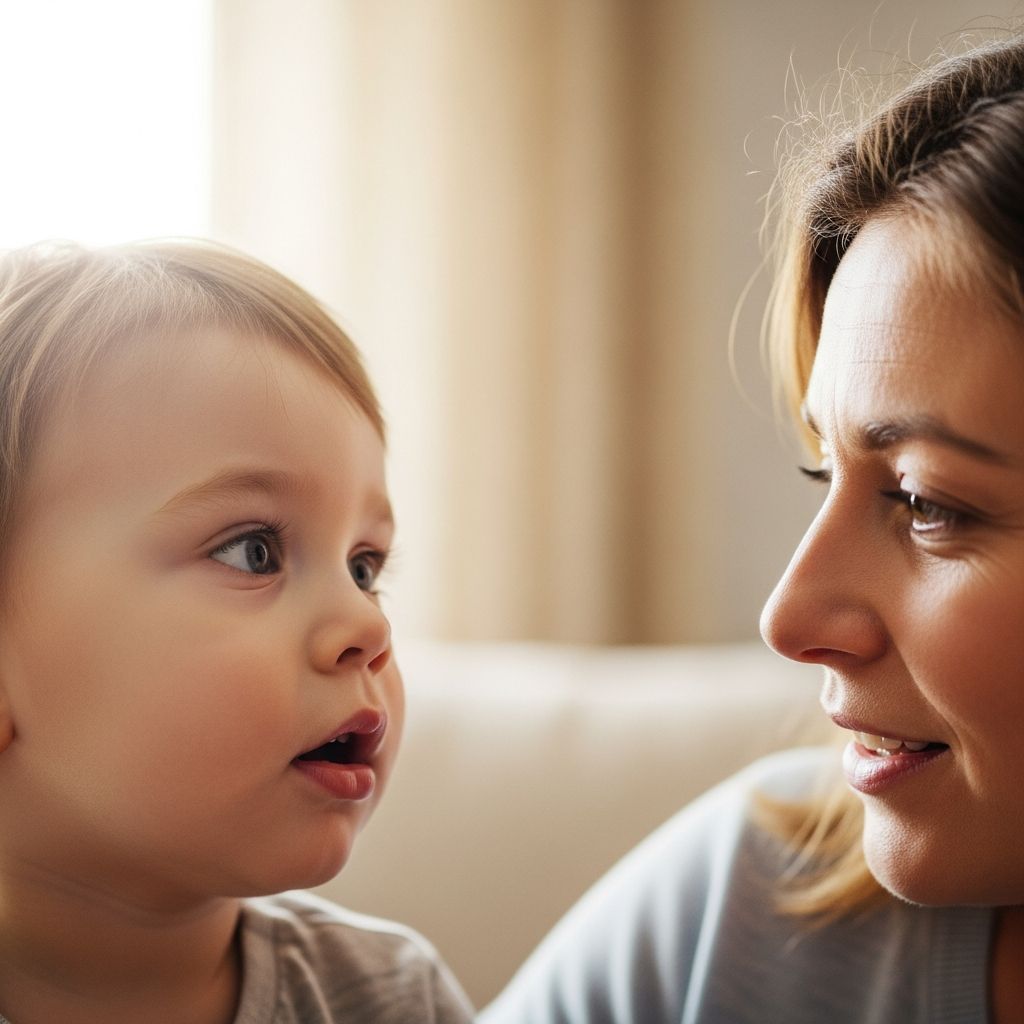
- Cognitive gains: Joint activities boost language and problem-solving abilities.
- Social skills: Modeling healthy relationships teaches conflict resolution.
Long-term, these children grow into resilient adults with strong interpersonal bonds and ambitious goals.
Support for Mothers: Easing the Load
When fathers partner equally, mothers gain breathing room, reducing stress and postpartum challenges. Shared chores and childcare allow time for self-care, career pursuits, and rest, combating the ‘mental load’ of constant planning.
This collaboration strengthens marital satisfaction, as partners feel valued rather than overburdened. Moms report higher well-being when dads take initiative without prompting, creating a team-oriented home.
Gains for Fathers: Deeper Connections and Growth
Involvement enriches fathers’ lives too. Hands-on parenting deepens child bonds, heightens appreciation for caregiving challenges, and boosts personal fulfillment. Dads who engage early report greater life satisfaction and empathy.
Breaking barriers around ‘masculine’ nurturing allows vulnerability, fostering emotional intelligence. Many find joy in primary caregiving roles, whether full-time or shared.
Overcoming Challenges in Co-Parenting
Transitioning to equal partnership isn’t seamless. Common hurdles include ingrained habits, work demands, and unsolicited ‘advice’ from partners. Strategies for success:
- Communicate openly: Discuss expectations and divide tasks equitably.
- Trust the process: Avoid micromanaging; let dads develop their styles.
- Seek support: Use paternity leave, family networks, or counseling.
- Model equality: Challenge stereotypes in daily interactions.
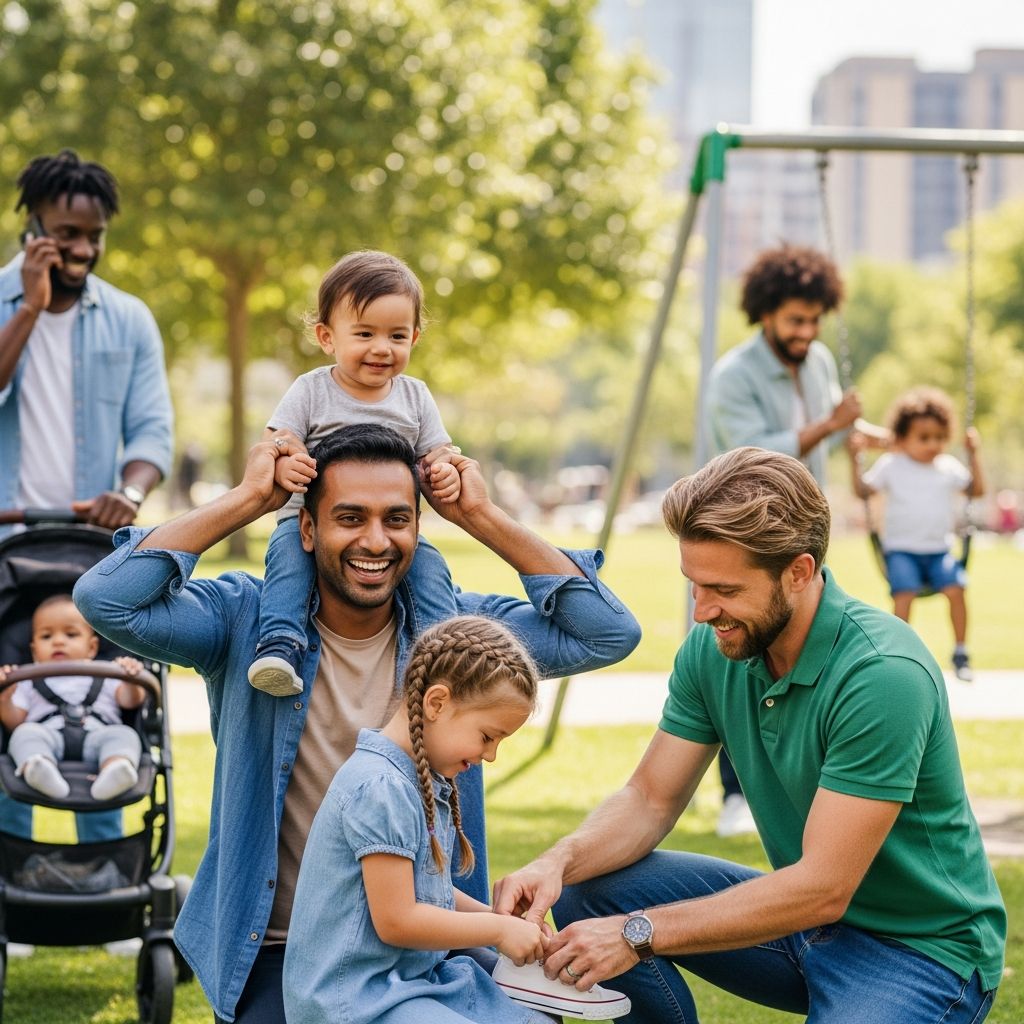
Couples who navigate these build resilient families. Diverse structures—single dads, step-parents, same-sex couples—thrive with the same principles.
Frequently Asked Questions
How does father involvement affect child development?
Studies show involved fathers contribute to better emotional health, academic success, and self-confidence in children, providing complementary nurturing.
Why avoid calling dads ‘helpers’?
It implies secondary status; dads are equal parents investing in family growth, not assisting a primary caregiver.
What if work limits dad’s time?
Quality over quantity: Focused engagement in routines and decisions maximizes impact, supported by flexible policies.
Can all family types benefit?
Yes, from traditional to non-traditional setups, shared parenting enhances outcomes across structures.
How to encourage reluctant partners?
Start small, affirm efforts, and highlight mutual benefits to build confidence gradually.
Building a Legacy of Equality
Today’s fathers are pioneers, crafting inclusive family models that ripple outward. By embracing partnership, they nurture healthier children, empowered mothers, and fulfilled selves, setting precedents for generations. This shift promises broader societal gains: equitable workplaces, empathetic leaders, and compassionate communities.
Families thrive when both parents are seen—and see themselves—as indispensable team members. Celebrate these dads not for ‘helping,’ but for leading alongside.
References
- The Power of Partnership: How the Role of Fathers Promotes Well-Being for the Entire Family System — Kaiser Permanente Northern California. 2023. https://mentalhealthtraining-ncal.kaiserpermanente.org/the-power-of-partnership-how-the-role-of-fathers-promotes-well-being-for-the-entire-family-system/
- When Dads Are More Involved With Their Families, Everyone Wins — Mom.com. 2022-10-15. https://mom.com/momlife/when-dads-are-more-involved-with-their-families-everyone-wins
- Dads are partners—not just ‘helpers’ — Mother.ly. 2023. https://www.mother.ly/life/dads-are-partnersnot-just-helpers/