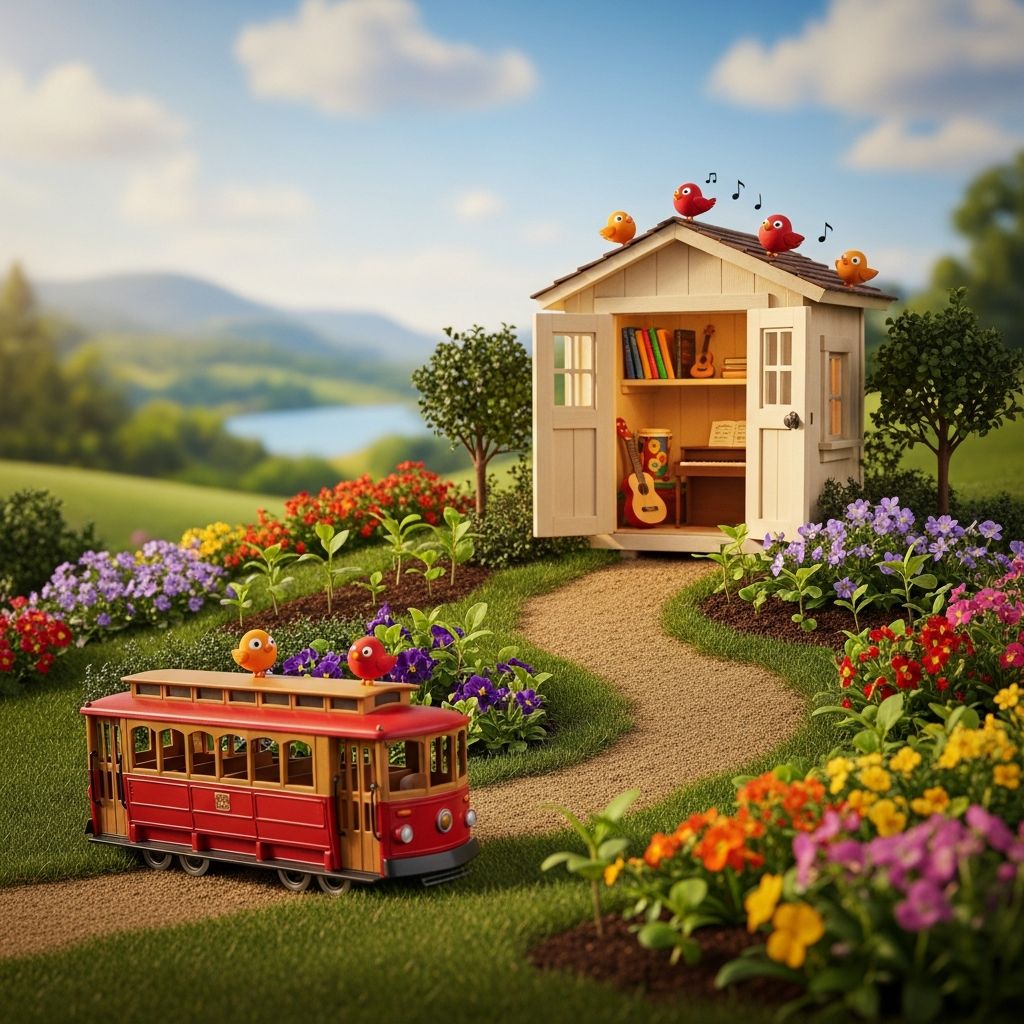
For many families, the magic of Mister Rogers does not begin with the opening credits of his show. It begins with the songs: simple melodies, steady rhythms, and lyrics that quietly teach children how to understand themselves and others. Decades after the first episode of Mister Rogers’ Neighborhood aired, Fred Rogers’ music still offers parents a gentle toolkit for talking about feelings, kindness, and everyday struggles.
Unlike much modern children’s entertainment, Fred Rogers wrote nearly all of his own songs, blending his training as a composer with his background in child development. The result is a catalog of music that feels as calm and trustworthy as the man himself. This article explores several of his most beloved songs, what they are really teaching beneath the surface, and how parents can use them today.
Why Fred Rogers’ Songs Still Matter
Fred Rogers believed that children’s feelings were real, valid, and worthy of respect. His songs were written to help young viewers:
- Recognize and name their emotions, especially anger, fear, and sadness.
- Feel safe and secure in loving relationships with caregivers.
- Learn that honesty and kindness are possible even during hard moments.
- Understand that they are loved exactly as they are.
These goals reflect ideas from developmental psychology: helping children label emotions and feel securely attached to caregivers supports healthier mental health and social skills later in life. Research on early childhood media suggests that thoughtfully designed programs can improve children’s social and emotional understanding, especially when parents watch and discuss together.
The Emotional Themes Behind Mister Rogers’ Music
Across the many recordings of Mister Rogers’ Neighborhood songs, several core themes appear again and again. Understanding these themes makes it easier to use particular songs with children at the right moment.
| Core Theme | What Children Learn | Typical Song Examples |
|---|---|---|
| Big Feelings Are Manageable | Emotions like anger or fear are normal and can be handled safely. | “What Do You Do With the Mad That You Feel” and similar songs about frustration. |
| Unconditional Worth | They are valuable and lovable just by being themselves. | Affirming songs like “You Are Special” and others that emphasize self-worth. |
| Trust and Care | Adults can keep them safe and help when life feels confusing. | Comforting songs such as “I’m Taking Care of You” and similar lullaby-style pieces. |
| Honesty and Integrity | Telling the truth and facing mistakes can lead to freedom and closeness. | Songs themed around truthfulness, like “The Truth Will Make Me Free.” |
| Everyday Joy | Small moments can be filled with delight, gratitude, and neighborliness. | Signature pieces such as “It’s Such a Good Feeling” and “Won’t You Be My Neighbor?.” |
Key Mister Rogers Songs and What They Offer Families
Fred Rogers wrote and recorded dozens of songs across albums and television episodes. Below are several standout songs often remembered by adults and still powerful for today’s children. Titles are used here to discuss themes; lyrics are paraphrased to respect copyright.
1. A Theme of Welcome: “Won’t You Be My Neighbor”
The song best known as the show’s opening theme is more than a catchy invitation. It is a ritual of welcome. Each time he sings, Mister Rogers:
- Names the day as a good one for being together.
- Expresses a desire to have a neighbor “just like you,” reinforcing each child’s value.
- Invites the viewer into a shared space where they are expected and wanted.
Psychologists often highlight predictable routines and rituals as a foundation of emotional security for children. Hearing this song regularly can signal to kids that they are entering a safe, calm environment where their feelings will be honored.
How parents can use it now:
- Play or sing a short welcome song at the start of family time or bedtime reading.
- Use similar words: “I’m glad you’re here. I like being your neighbor in this family.”
- Let children help create their own “family theme song” about what they love at home.
2. The Power of Ending Well: “It’s Such a Good Feeling”
Often used near the end of an episode, this song celebrates the good feeling that comes from being together, learning, and simply being alive. The lyrics affirm that even when Mister Rogers is not physically present, the child can carry that good feeling inside.
From an emotional perspective, this teaches two important ideas:
- Goodbyes can be warm and reassuring, not abrupt or frightening.
- Positive experiences can be remembered and drawn upon later for comfort.
How parents can use it now:
- Create a short goodbye or bedtime phrase that you repeat consistently.
- After special family outings, ask, “What good feeling do you want to remember from today?”
- Normalize separations by reminding children that your care goes with them, even when you are apart.
3. Naming Anger Safely: Songs About “Mad” Feelings
One of Fred Rogers’ most influential songs explores the question, what do you do when you feel very, very mad? Instead of shaming anger, he acknowledges that strong feelings happen and offers safe ways to handle them, such as:
- Using words to talk about what is wrong.
- Finding physical outlets that are not hurtful, like running or pounding clay.
- Taking time to cool down and then returning to the problem.
Child development experts emphasize that when adults calmly validate children’s emotions and offer coping strategies, kids are more likely to develop healthy emotion regulation skills.
How parents can use it now:
- Instead of saying, “Don’t be mad,” try, “It’s okay to feel mad. Let’s figure out what to do with that mad.”
- Brainstorm a family list of safe “angry activities”—like squeezing a pillow or jumping in place.
- After everyone is calm, revisit the conflict and help your child practice problem-solving words.
4. Being Loved As You Are: Songs About Being “Special”
Across albums and episodes, Fred Rogers returned again and again to a core message: you are special simply because you are you. These songs do not praise children for achievements or appearance; instead, they affirm the value of:
- Their feelings, even when they are mixed or hard to understand.
- Their bodies, no matter what they look like or can do.
- Their unique combination of interests, fears, and hopes.
This idea echoes the concept of “unconditional positive regard” in psychology—the experience of being cared for without having to earn that care through performance.
How parents can use it now:
- Offer specific, non-comparative affirmations: “I love the way you think about stories,” rather than “You’re the smartest.”
- During tough days, gently remind children that their worth does not change when they make mistakes.
- Sing or hum a short line about liking them “just the way they are” during daily routines.
5. Comfort in Care: “I’m Taking Care of You” and Similar Songs
Several Mister Rogers songs function almost like lullabies, reassuring children that a trusted adult is watching over them. These songs are particularly valuable for kids who:
- Struggle with separation anxiety.
- Worry about changes like a new sibling or a move.
- Have experienced illness, hospitalization, or other disruptions.
Feeling that an adult is reliably present and emotionally available is a cornerstone of secure attachment in early childhood.
How parents can use it now:
- Adopt a short, repeatable “I’m taking care of you” phrase or melody at bedtime.
- Before a stressful event (like a doctor visit), remind the child: “I’ll be with you, and we’ll get through it together.”
- Invite them to draw a picture of who takes care of them when they feel scared or lonely.
6. Truth, Mistakes, and Making Things Right
Fred Rogers did not shy away from uncomfortable topics like lying, guilt, or making poor choices. Songs centered around truthfulness suggest that:
- Honesty can be difficult but ultimately brings relief and connection.
- Everyone makes mistakes, including adults.
- Being truthful opens the door to forgiveness and growth.
These messages align with research showing that honest, warm conversations about wrongdoing can help children internalize moral values rather than simply obeying out of fear.
How parents can use it now:
- Model admitting your own mistakes in simple ways: “I was wrong to snap at you. I’m sorry.”
- When your child lies, focus on guiding them back to the truth with curiosity: “I wonder what made it hard to tell me what happened.”
- Celebrate moments of honesty, especially when it was difficult for them.
7. Bodies, Differences, and Feeling “Fancy”
Some Mister Rogers songs celebrate bodies and differences in ways that were ahead of their time. He invited children to notice how everyone is unique—sizes, shapes, and abilities—and to see that variety as interesting and good.
Modern conversations about body positivity and inclusion echo these themes, emphasizing that all children deserve to feel comfortable and respected in their bodies.
How parents can use it now:
- Use neutral, kind language about bodies—your own and your child’s.
- Point out and celebrate differences in a matter-of-fact way: “Isn’t it wonderful that people come in so many colors and sizes?”
- Redirect teasing or self-criticism toward appreciation and empathy.
Using Mister Rogers Songs in Everyday Family Life
Even if your child has never seen an episode of Mister Rogers’ Neighborhood, the songs can become part of your family’s shared language.
Practical Ideas for Parents
- Song Rituals: Choose one “welcome” song and one “goodbye” or “goodnight” song and use them consistently.
- Feelings Playlist: Build a playlist of gentle songs (Mister Rogers and others) you use when a child is overwhelmed or sad.
- Conversation Starters: After listening together, ask questions like “What part of that song did you like best?” or “Have you ever felt that way?”
- Creative Response: Invite children to draw or act out what a song makes them think about.
- Parent Reflection: Notice which songs stir up your own childhood memories, and consider sharing those stories with your kids.
FAQs About Mister Rogers’ Music and Kids
Are Mister Rogers songs still helpful for children who watch newer shows?
Yes. The emotional topics—anger, fear, friendship, self-worth—are timeless. While modern shows often move faster, Fred Rogers’ slower pace and simple melodies can provide a calming counterbalance and an easy way to start deeper conversations about feelings.
At what age can children start benefiting from these songs?
Toddlers can enjoy the gentle melodies and repetitive phrases, even if they do not grasp every idea. Preschool and early elementary children typically understand more of the emotional content and can begin to apply it to their own experiences.
Do I need to play the original recordings, or can I just sing my own versions?
You do not need to sound like Fred Rogers to be effective. Children primarily need your voice and your presence. You can sing pieces of songs, hum, or even adapt the words to fit your family’s life, as long as the underlying message of acceptance and safety remains.
How often should we use songs to talk about big feelings?
There is no perfect frequency. Some families sing daily; others use songs during specific moments, like after school or before bed. The key is consistency and sincerity—using music as one tool among many for staying connected.
Are Mister Rogers songs backed by any expert input on child development?
Yes. Fred Rogers studied child development and worked closely with experts, including child psychologist Margaret McFarland, to shape both his storytelling and his music. His songs reflect well-established ideas about emotional regulation, attachment, and the importance of treating children’s feelings with respect.
References
- Mister Rogers Songs — Fred Rogers Productions / The Fred Rogers Company. 2023-01-01. https://misterrogers.org/video-playlist/mister-rogers-songs/
- Fred Rogers — Encyclopedia Britannica. 2024-01-15. https://www.britannica.com/biography/Fred-Rogers
- The Power of Educational Media for Children — U.S. Department of Education / Office of Educational Technology. 2021-05-10. https://tech.ed.gov/earlylearning/edtech/
- Fred Rogers (Fred McFeely Rogers) — Saint Vincent College Fred Rogers Center. 2020-09-01. https://www.fredrogerscenter.org/what-we-do/fred-rogers
- 21 Favorite Songs From Mister Rogers’ Neighborhood — The Neighborhood Archive. 2019-06-01. https://www.neighborhoodarchive.com/music/media/21_favorites/index.html
- Back In The Neighborhood: The Best Of Mister Rogers, Volume 2 — Omnivore Recordings. 2017-10-01. https://omnivorerecordings.com/shop/back-in-the-neighborhood/
- Mister Rogers — Spotify Artist Page. 2023-11-01. https://open.spotify.com/artist/6xC5Ps0Iv2UP4mYJv3nBq4