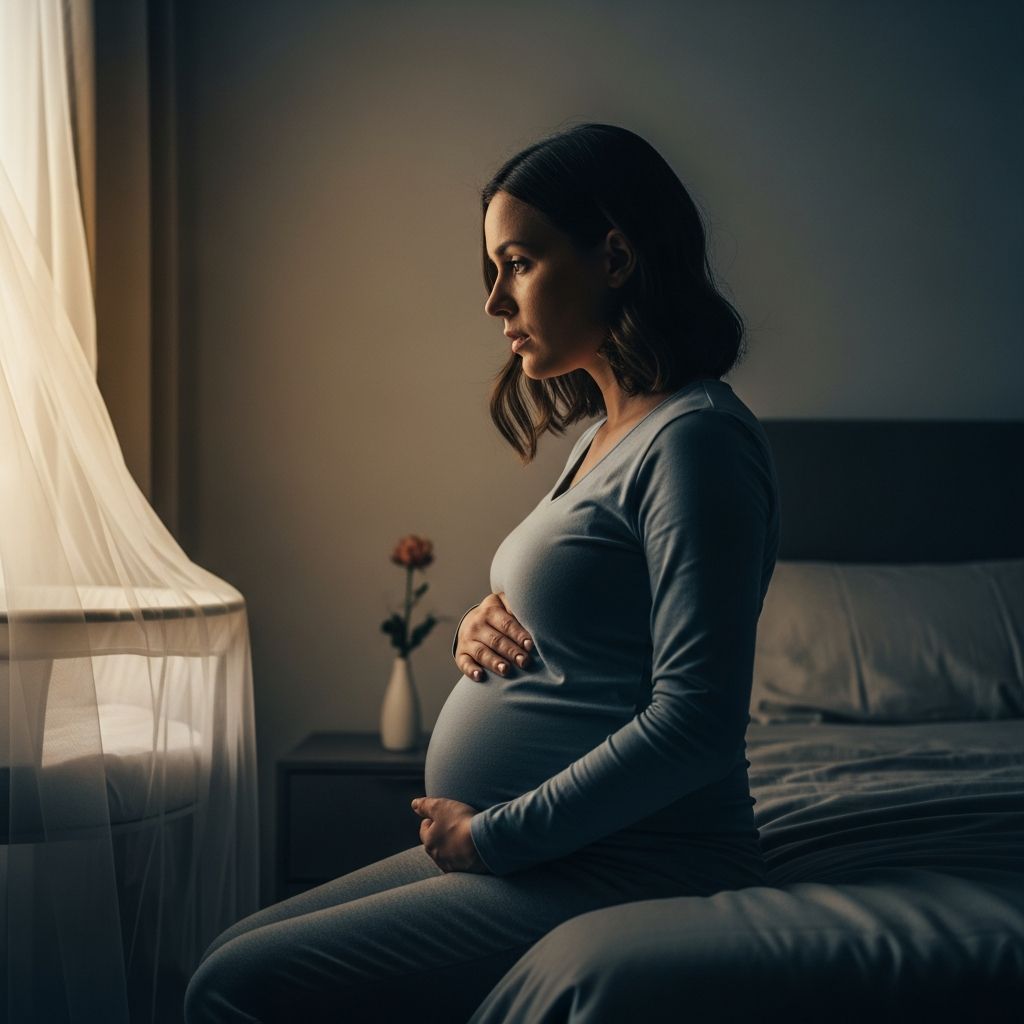
Miscarriage, defined as the spontaneous loss of a pregnancy before 20 weeks, affects 10% to 20% of known pregnancies, often leaving individuals grappling with profound grief and uncertainty. This article explores the medical underpinnings, physical manifestations, emotional toll, and pathways to healing, drawing from personal narratives and expert guidance to provide clarity and compassion.
Defining Pregnancy Loss: What Constitutes a Miscarriage
A miscarriage occurs when a pregnancy ends naturally before the fetus reaches viability, typically prior to 20 weeks gestation. Early losses in the first trimester account for the majority, while later ones may involve different dynamics. Distinguishing this from other pregnancy complications is crucial: losses after 20 weeks are termed stillbirths, and very early biochemical pregnancies may go unnoticed except via hormone tests.
Types include threatened miscarriage (bleeding with a viable pregnancy), inevitable (cervix dilation begins), incomplete (partial expulsion), complete (full expulsion), and missed (fetus dies undetected). Understanding these distinctions aids in processing the event and seeking appropriate care.
Primary Causes Behind Pregnancy Loss
The leading culprit in most first-trimester miscarriages is chromosomal anomalies, affecting 50% to 70% of cases, where the embryo has extra or missing chromosomes, rendering development impossible. These random errors during egg or sperm formation increase with maternal age.
Other contributors include:
- Uterine or cervical issues: Fibroids, polyps, or incompetent cervix (weak cervix opening prematurely).
- Hormonal imbalances: Conditions like polycystic ovary syndrome (PCOS) or luteal phase defects disrupt pregnancy maintenance.
- Infections: Cytomegalovirus (CMV), parvovirus B19, listeria, or STIs can harm the fetus.
- Maternal health conditions: Uncontrolled diabetes, thyroid disorders, obesity (BMI ≥30), autoimmune diseases like lupus, or clotting disorders.
- Lifestyle factors: Smoking, alcohol, drugs, or exposure to toxins elevate risks.
Late miscarriages (second trimester) often stem from structural problems like cervical insufficiency or placental issues rather than genetics. Notably, a single miscarriage rarely signals infertility; most individuals conceive successfully afterward.
Recognizing the Signs: Symptoms to Watch For
Symptoms vary but commonly feature vaginal bleeding (spotting to heavy with clots), cramping akin to menstrual pain, or severe backache. Some experience fluid leakage or tissue passage. Silent signs include stalled growth on ultrasound or dropping hCG levels, indicating a missed miscarriage.
| Symptom | Description | Urgency Level |
|---|---|---|
| Bleeding | Light spotting or heavy flow with clots | Monitor to immediate medical attention |
| Cramping | Mild to intense abdominal pain | Consult if persistent |
| Tissue Passage | Grape-like or sac-like material | Seek emergency care |
| No Symptoms (Missed) | Detected via ultrasound/hormones | Follow-up required |
Any bleeding warrants prompt medical evaluation to confirm viability and rule out ectopic pregnancy.
The Physical Process: What Happens During a Miscarriage
The body naturally expels pregnancy tissue, mimicking intense period-like bleeding lasting days to weeks. Medical options include expectant management (waiting), medication (misoprostol to induce expulsion), or D&C surgery for complete removal and tissue analysis.
Pain management involves NSAIDs, heating pads, and rest. Follow-up ultrasounds verify completion, preventing infection risks like retained tissue. Recovery physically takes 1-2 weeks, with fertility often returning swiftly.
Emotional Impact: Navigating Grief After Loss
Beyond physical pain lies intense emotional turmoil—shock, denial, guilt, anger, and profound sadness are common, regardless of pregnancy stage. Feelings of isolation amplify if society minimizes early losses. Partners, too, grieve differently, sometimes leading to relational strain.
Personal stories illuminate this: One individual described the ultrasound confirming no heartbeat as a “heart-shattering silence,” followed by weeks of numbness.[Inspired by source themes] Another shared bleeding at work, fearing judgment while hiding pain. These accounts underscore validating all grief, urging support networks and professional counseling.
Coping strategies include:
- Journaling emotions
- Joining support groups like Share Pregnancy & Infant Loss
- Memorial rituals, such as planting a tree
- Therapy focused on perinatal loss
Medical Care and Testing: What to Expect Post-Loss
Healthcare providers assess via ultrasound, blood tests, and history review. Recurrent losses (3+) prompt investigations: genetic counseling, bloodwork for clotting/hormones, uterine imaging. Treatments may address underlying issues like progesterone supplements or cerclage for cervical weakness.
Steps Toward Future Pregnancies: Hope and Preparation
Most achieve healthy pregnancies post-miscarriage, with risks not significantly elevated after one loss. Preconception care involves optimizing health: balanced diet, folic acid, BMI management, avoiding toxins, and managing chronic conditions.
Early prenatal monitoring reassures. Emotional readiness varies; some try soon, others wait. Patience and positivity pave the way.
Frequently Asked Questions (FAQs)
Can lifestyle changes prevent miscarriage?
While not all are preventable, quitting smoking, moderating alcohol/caffeine, maintaining healthy weight, and controlling conditions like diabetes reduce risks.
Is miscarriage my fault?
No—most stem from unavoidable genetic issues, not parental actions.
How long to wait before trying again?
Physically, after one normal cycle; emotionally, when ready. Consult your doctor.
What if I have recurrent miscarriages?
Testing for causes like clotting disorders or uterine issues can guide interventions.
Does age increase miscarriage risk?
Yes, chromosomal errors rise with maternal age over 35.
References
- Miscarriage: MedlinePlus Medical Encyclopedia — MedlinePlus. 2023. https://medlineplus.gov/ency/article/001488.htm
- Miscarriage Causes, Symptoms, and Treatments — UPMC. 2024. https://www.upmc.com/services/womens-health/conditions/miscarriage
- Miscarriage: Symptoms and Causes — Tampa General Hospital. 2023. https://www.tgh.org/institutes-and-services/conditions/miscarriage
- Causes of Miscarriage: List of Possible Causes — Ada Health. 2024. https://ada.com/causes-of-miscarriage/
- Miscarriage – Symptoms and causes — Mayo Clinic. 2025-01-10. https://www.mayoclinic.org/diseases-conditions/pregnancy-loss-miscarriage/symptoms-causes/syc-20354298
- Causes: Miscarriage — NHS. 2024. https://www.nhs.uk/conditions/miscarriage/causes/
- Early Pregnancy Loss — ACOG. 2023. https://www.acog.org/womens-health/faqs/early-pregnancy-loss