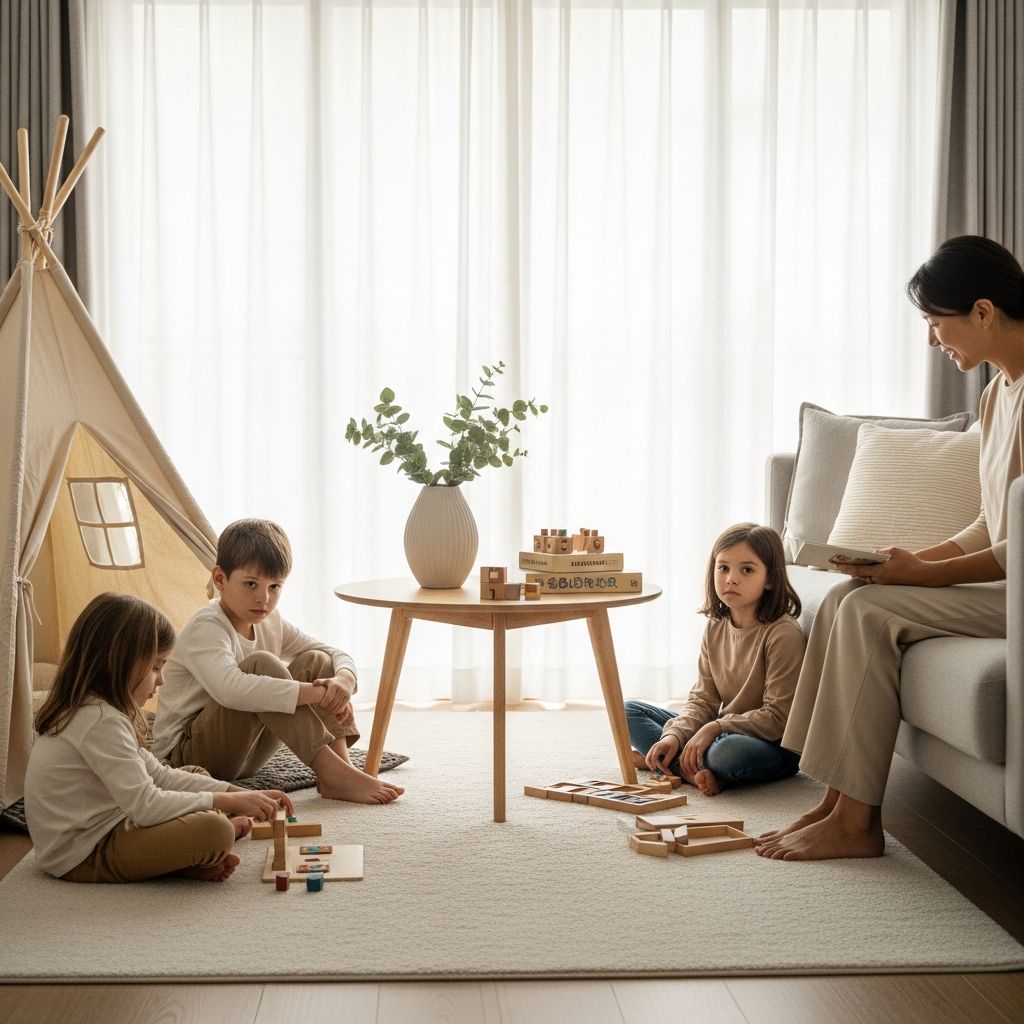
Embracing a minimalist approach in a household with children who adore collecting items presents unique challenges but offers profound rewards. Parents often find themselves navigating a sea of toys, clothes, and gadgets while yearning for a calmer, more intentional space. This guide explores effective methods to introduce simplicity without battles, drawing on proven strategies that prioritize family harmony and child development.
Understanding the Pull of Possessions in Young Minds
Children naturally gravitate toward accumulating objects as a way to explore their world and assert independence. This hoarding tendency stems from developmental stages where items represent security and creativity. However, excess belongings can overwhelm play areas, leading to frustration and disorganization. By recognizing this as a normal phase rather than defiance, parents can approach simplification with empathy.
Minimalism here isn’t about stark emptiness but curating environments that spark genuine engagement. Fewer items mean children engage more deeply with what’s available, boosting imagination and reducing decision fatigue during playtime.
Lead by Example: Parents Declutter First
The most influential step begins with adults modeling the behavior. Before tackling a child’s collection, pare down your own wardrobe, gadgets, and paperwork. This demonstrates that minimalism enhances life rather than restricts it, making kids more receptive.
Start small: Clear out one drawer or shelf visibly. Share how it feels liberating—more time for family activities instead of tidying. Children learn through observation, and seeing parents thrive without excess removes hypocrisy accusations.
- Sort personal items into keep, donate, and discard piles.
- Involve kids in watching the process to normalize it.
- Highlight benefits like quicker mornings or extra playtime.
Creating Designated Spaces for Belongings
Every item needs a clear home to prevent chaos. Assign specific spots for toys, books, and clothes using low shelves, bins, and hooks accessible to children. This ‘everything has a place’ rule teaches responsibility and makes cleanup a habit.
For younger kids, visual labels with pictures aid independence. Limit each category to what fits comfortably, enforcing natural boundaries. Wall hooks for outfits beat hangers for tiny hands, keeping floors clear.
| Item Category | Recommended Storage | Capacity Limit |
|---|---|---|
| Toys | Open bins on low shelves | What fits in 4 bins |
| Books | Bookcase with baskets | 20-30 favorites |
| Clothes | Drawers with dividers, hooks | One week’s outfits |
| Art Supplies | Portable caddy | Essentials only |
This setup not only organizes but reveals duplicates, prompting natural weeding out.
Strategic Toy Rotation and Observation Techniques
Instead of abrupt purges, observe play patterns. Box up unused toys for a month; if unmissed, donate them quietly. This data-driven method avoids resistance since kids retain ownership illusion.
Rotate a core set of 10-15 toys weekly, introducing variety to reignite interest. Household items like pots or blankets often become favorites, slashing toy purchases. Emphasize quality over quantity for sustained joy.
- Track which toys see daily use.
- Store rotations out of sight to build anticipation.
- Donate unnoticed items to charities, framing it positively.
Empowering Kids Through Choice and Boundaries
Hand over decision-making gently. Set a container like a single shelf: ‘Choose what fits and brings joy.’ This teaches prioritization without force. For older children, discuss benefits like space for new interests.
Frame decluttering as generosity: ‘These toys will delight another child.’ Positive motivation shifts focus from loss to gain, fostering empathy.
Maximalist kids paired with minimalist parents succeed when boundaries feel fair. Consistent enforcement builds lifelong skills in discernment.
Beyond Stuff: Decluttering Schedules and Commitments
Minimalism extends to time. Overpacked calendars exhaust families, mirroring physical clutter. Prioritize one extracurricular per season, safeguarding downtime for unstructured play and rest.
Blank evenings enable spontaneous family bonding—board games, walks, or shared chores. This ‘white space’ nurtures relationships and reduces stress.
- Review weekly schedules quarterly.
- Say no to non-essentials gracefully.
- Plan ‘nothing days’ intentionally.
Fostering Creativity and Family Connections
Less clutter amplifies imagination. With fewer options, kids invent games from sticks or boxes, echoing Montessori principles. Parents report deeper bonds from joint play rather than constant entertainment hunts.
Togetherness thrives in simple routines: reading aloud, cooking as a team. Minimalism frees energy for presence over perfection. Financial perks include debt freedom and more parental time off.
Practical Tips to Avoid Impulse Buys
Combat consumerism traps like buying toys for tantrums. Implement a 48-hour wait rule for non-essentials. Repurpose household goods first—cold veggies soothe teething better than plastic gadgets.
Teach needs versus wants through family discussions. Kids in minimal homes learn belongings don’t equate happiness long-term.
Navigating Resistance and Building Habits
Expect pushback; patience is key. Start with one room, celebrate wins like a tidier play area. Consistency over time normalizes simplicity, turning reluctant hoarders into stewards of their space.
Reassess seasonally, adjusting as interests evolve. Minimalism evolves with family, always aiming for more joy, less stuff.
Frequently Asked Questions
What age is best to start minimalism with kids?
Any age works, but begin modeling early. Toddlers respond to rotation; school-age kids handle choices well.
Will fewer toys make my child bored?
Quite the opposite—limited options spark creativity. Rotate and use household items for variety.
How do I convince a teen to declutter?
Lead by example, offer closet space incentives, and discuss real-world benefits like easier moves.
Does minimalism mean no fun or gifts?
No—focus on meaningful, high-quality items. Experiences often outshine things.
What if my partner isn’t on board?
Declutter your shared and personal areas first, demonstrating value through actions.
References
- How to Become Minimalist with Children — Becoming Minimalist. 2019-05-12. https://www.becomingminimalist.com/how-to-become-minimalist-with-children/
- One. Two. (There is No Three). What’s Up With the Minimalist Parenting Trend — Urban Infant. 2023-08-15. https://urbaninfant.com/blogs/raising/one-two-there-is-no-three-what-s-up-with-the-minimalist-parenting-trend-can-less-really-be-more
- A Helpful Guide to Minimalism With Kids — Simply + Fiercely. 2022-11-20. https://www.simplyfiercely.com/minimalism-with-kids/
- Raising Children in a Minimal Life — Zero Waste Family. 2021-03-10. https://zerowastefamily.com/raising-children-minimal-life
- Minimalism & Kids: Simple tips for happy kids (and parents!) — YouTube (Transcript). 2020-07-22. https://www.youtube.com/watch?v=00Mad9ajY6s
- Five Tips for Minimalist Parenting of Young Children — Ballard Advisory. 2024-01-05. https://www.ballardadvisory.com/insights/five-tips-for-minimalist-parenting-of-young-children