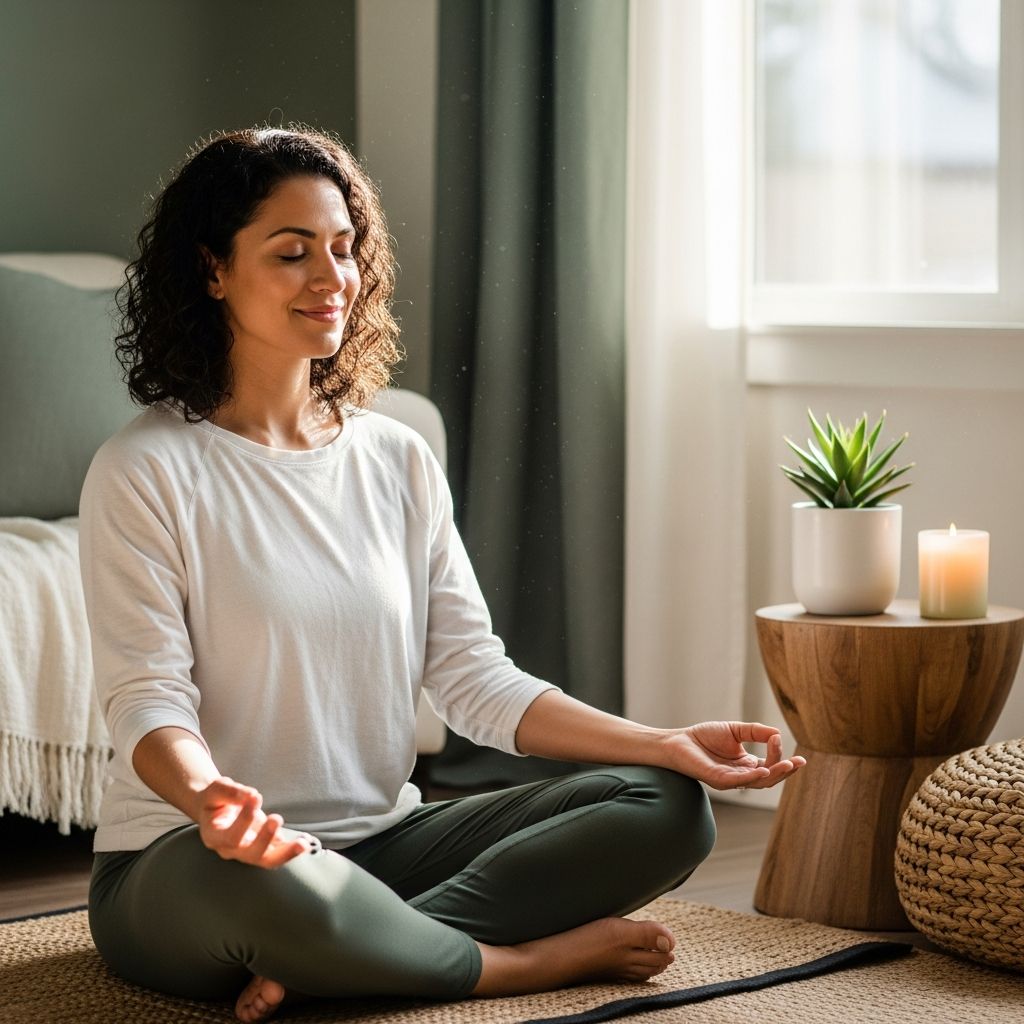
Parenting brings immense joy, but it also triggers intense emotions like anger, often called “mom rage.” This explosive frustration arises from sleep deprivation, endless demands, and hormonal shifts, pushing many mothers to their limits. Mindfulness offers a rapid, effective path to interrupt these cycles, turning reactive outbursts into intentional responses. By cultivating present-moment awareness, parents can rewire neural pathways for greater calm and resilience.
Understanding the Roots of Parental Anger
Mom rage isn’t a personal failing; it’s a neurobiological response amplified by motherhood’s unique stresses. Pregnancy and postpartum periods alter brain structure, reducing prefrontal cortex activity—the region governing impulse control—while heightening amygdala responses to threats. Chronic exhaustion and overstimulation compound this, making minor irritations feel catastrophic.
Research shows anger serves as a signal, highlighting unmet needs like rest or support. Without tools to decode it, rage escalates into yelling or withdrawal, eroding self-esteem and family bonds. Recognizing this as a physiological event demystifies it, opening doors to intervention.
The Science Behind Mindfulness and Emotional Control
Mindfulness practices strengthen the prefrontal cortex, enhancing emotional regulation. Studies demonstrate that regular mindfulness rewires the brain, increasing gray matter in areas linked to attention and calm. For parents, this means measurable shifts from reactivity to responsiveness within weeks.
Key mechanism: When anger surges, the sympathetic nervous system activates fight-or-flight. Mindfulness activates the parasympathetic system via breath and awareness, lowering cortisol and restoring clarity. This isn’t suppression; it’s skillful navigation, transforming anger’s energy into purposeful action.
Quick-Start Techniques to Pause the Rage Cycle
Immediate relief is possible in seconds. Here’s how to deploy mindfulness amid chaos:
- Breath Anchor: Inhale for 4 counts, hold for 4, exhale for 6. This signals safety to your nervous system, dropping heart rate instantly.
- Body Scan: Notice tension—clenched jaw, tight shoulders—and consciously release. Shake limbs gently to discharge energy.
- Label It: Silently say, “Anger is here.” Naming diffuses intensity, engaging higher brain functions.
These micro-interventions create a vital pause, preventing escalation. Practice preemptively during calm to build habit.
Building a Daily Mindfulness Routine for Lasting Change
Consistency compounds benefits. Integrate these 5-10 minute practices:
| Time of Day | Practice | Benefits |
|---|---|---|
| Morning | 3-minute breath meditation | Sets calm tone, reduces anticipatory stress |
| Midday | Body check-in during lunch | Releases accumulated tension |
| Evening | Gratitude scan before bed | Counters negativity bias |
| Anytime | Mindful walking | Combines movement with awareness |
| Bedtime | Progressive muscle relaxation | Promotes deeper sleep |
Apps or guided audios enhance accessibility. Track progress in a journal to note reduced rage frequency.
Self-Compassion: The Antidote to Shame
Post-rage guilt spirals amplify future triggers. Counter with self-compassion: Place a hand on your heart, whisper, “This is hard, and I’m doing my best.” This activates oxytocin, fostering kindness over criticism.
Reframe slip-ups as learning: “I yelled, but next time I’ll breathe first.” Modeling this teaches children emotional intelligence, creating a virtuous cycle.
Physical Outlets to Release Pent-Up Energy
Mindfulness pairs powerfully with movement. Safe outlets include:
- Screaming into a pillow or car vents.
- Lion’s breath: Inhale deeply, exhale with tongue out, roaring softly.
- Dancing vigorously to upbeat music.
- Quick yoga flows like child’s pose or warrior sequences.
These discharge adrenaline without harm, signaling the body danger has passed.
Modeling Calm: Teaching Kids Through Example
Children mirror parents’ regulation. Verbalize your process: “I’m feeling upset, so I’m taking a deep breath.” Kids as young as four adopt this, normalizing emotions.
Co-regulation—staying calm near a tantruming child—helps them self-soothe faster. Over time, family dynamics shift toward mutual understanding.
Advanced Practices for Deep Emotional Rewiring
Once basics stick, explore:
- R.A.I.N. Method: Recognize anger, Allow it to be, Investigate bodily sensations, Nurture with compassion.
- Loving-Kindness Meditation: Direct phrases like “May I be well” to self, then child, building empathy.
- Anger Inquiry: Ask, “What need is unmet?” Often reveals boundaries or support gaps.
Commit to 10 minutes daily; neuroplasticity ensures lasting change.
Overcoming Common Mindfulness Roadblocks
New practitioners face doubts: “It doesn’t work instantly” or “I forget in heat.” Start tiny— one breath per hour. Accept imperfection; progress is nonlinear.
If trauma underlies rage, pair with therapy. Mindfulness amplifies professional gains.
Frequently Asked Questions (FAQs)
Can mindfulness really stop mom rage in seconds?
Yes, techniques like breath anchoring create an immediate pause, preventing outbursts. Consistency builds long-term resilience.
What if I snap before remembering to breathe?
Practice in calm moments and use triggers like a phone reminder. Self-forgive and recommit—no one’s perfect.
Is mom rage hormonal or just bad parenting?
It’s largely neurobiological from motherhood changes, not character flaws. Mindfulness addresses root physiology.
How do I involve my partner or family?
Share practices, model them, and communicate needs openly. Collective calm amplifies effects.
Are there apps for busy moms?
Yes, Calm, Headspace offer parent-specific short sessions.
Long-Term Benefits for Family Well-Being
Mindfulness reduces rage frequency by 50% in studies, improving sleep, relationships, and joy. Children gain emotional tools, breaking intergenerational patterns.
Empowered parents report higher life satisfaction, proving investment yields profound returns.
References
- The Science of Mom Rage and How to Use Mindfulness — Dr. Sarah Bren. 2023. https://drsarahbren.com/204-the-science-of-mom-rage-and-how-to-use-mindfulness-as-a-tool-for-being-less-reactive-with-diana-winston
- The Trick to Turn Mom Rage into Calm — Slow[ish] Parenting (YouTube). 2023. https://www.youtube.com/watch?v=y9UamDJhSGI
- 11 Ways to Deal with Mom Rage — Calm Blog. 2024-05-15. https://www.calm.com/blog/mom-rage
- Mindfulness for Mommy Rage — Momwell. 2023-08-20. https://www.momwell.com/blog/mindfulness-for-mommy-rage
- How to Use Mindfulness to Calm Your Anger — Headspace. 2023. https://www.headspace.com/content/podcast/how-to-use-mindfulness-to-calm-your-anger-before-it-takes-over/11072