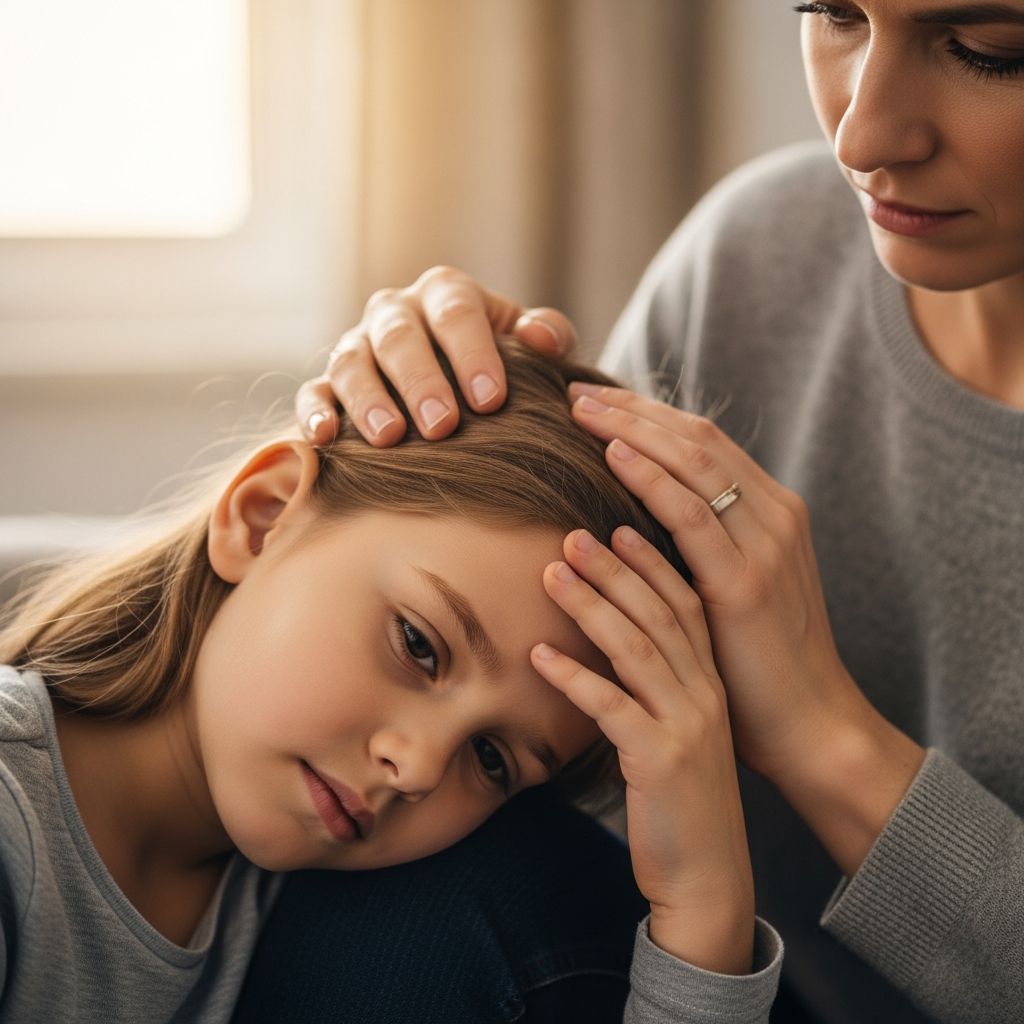
Migraines in children are intense neurological events characterized by throbbing head pain often accompanied by nausea, vomiting, and sensitivity to light and sound, affecting daily activities and school performance.
Understanding Migraines in Young Ones
Unlike typical headaches, migraines in kids involve complex brain chemistry imbalances, possibly involving serotonin and nerve pathways, with a strong genetic component as they frequently run in families. Children as young as infants can experience them, though symptoms differ from adults—episodes may be shorter, lasting less than four hours, and kids might struggle to articulate the pain.
These episodes disrupt a child’s routine, causing withdrawal to dark, quiet spaces due to sensory overload. Early recognition empowers parents to intervene effectively, reducing frequency and severity.
Key Signs and Symptoms to Spot Early
Parents should watch for hallmark indicators that distinguish migraines from ordinary headaches:
- Throbbing or pulsing pain: Often one-sided but can affect both, worsening with movement.
- Gastrointestinal distress: Nausea, vomiting, or belly pain that prevents eating.
- Sensory sensitivities: Extreme discomfort from light (photophobia), sound (phonophobia), or smells.
- Aura phases: Visual disturbances like flashing lights or zigzags in some cases, preceding the headache.
- Behavioral shifts: Irritability, pallor, rocking, or crying in younger children unable to verbalize.
Infants might show unexplained fussiness or head-banging. Track patterns using a headache diary noting duration, intensity, and accompaniments to aid diagnosis.
Common Triggers: What Sets Off Episodes in Kids
Migraine triggers vary but often combine lifestyle, environmental, and emotional factors. Identifying personal culprits through observation is key to prevention.
Lifestyle and Dietary Culprits
| Trigger | Description | Prevention Tips |
|---|---|---|
| Dehydration & Skipped Meals | Low blood sugar or fluid loss from busy days heightens risk. | Regular snacks, water bottles at school, balanced breakfasts. |
| Sleep Irregularities | Inconsistent schedules, oversleeping, or poor quality disrupt circadian rhythms. | Fixed bed/wake times, screen-free wind-downs. |
| Problematic Foods | Caffeine in sodas, aged cheeses (tyramine), citrus, chocolate. | Food diary, limit processed items, steady meals. |
Environmental and Sensory Factors
- Bright/flashing lights, screens, fluorescent bulbs.
- Strong odors from perfumes or cleaners.
- Weather shifts: barometric pressure, humidity, temperature extremes.
Emotional and Physical Stressors
School pressures, peer issues, family changes spark anxiety-linked attacks. Intense exercise without prep or hormonal puberty shifts (especially girls) also contribute. Moderate activity helps, but overexertion risks flares.
Diagnosis: Steps to Confirm It’s a Migraine
Consult a pediatrician if headaches strike weekly, impair activities, or include nausea/sensitivities worsening over time. Diagnosis involves:
- Medical history and family patterns review.
- Symptom diary analysis for triggers.
- Physical/neurological exams ruling out infections, trauma, or rare brain issues.
- Possible imaging or tests if red flags like vision changes appear.
Rarely, migraines mimic serious conditions, so prompt evaluation ensures safety.
Treatment Options: From Home Remedies to Medical Interventions
Management blends acute relief and prevention, tailored to frequency and severity.
Immediate Relief Strategies
- Rest in a dark, quiet room; cool compresses on forehead.
- Hydration and light snacks if tolerated.
- Over-the-counter pain relievers like ibuprofen or acetaminophen at onset (age-appropriate doses).
Prescription and Advanced Therapies
For frequent attacks, doctors may prescribe triptans (migraine-specific), anti-nausea meds, or preventives like beta-blockers. Behavioral therapies address stress. Emerging options include CGRP inhibitors for chronic cases, per recent guidelines.
| Treatment Type | Best For | Examples |
|---|---|---|
| Acute | Mild-moderate episodes | NSAIDs, rest, hydration. |
| Preventive | Frequent migraines | Topiramate, propranolol, lifestyle changes. |
| Adjunct | With nausea/stress | Antiemetics, CBT. |
Prevention: Building a Migraine-Resistant Lifestyle
Proactive steps reduce occurrences by 50% in many kids:
- Consistent routines: Sleep 9-11 hours/night, regular meals.
- Dietary discipline: Avoid triggers via elimination trials.
- Stress management: Mindfulness, yoga, adequate downtime.
- Screen limits: 1-2 hours/day, blue-light filters.
- Exercise balance: 60 minutes moderate activity daily.
Family involvement fosters adherence; pediatric neurologists guide personalized plans.
When to Seek Urgent Medical Attention
Red flags warrant immediate care:
- Sudden severe pain or first-ever migraine.
- Accompanied by fever, stiff neck, seizures, confusion (meningitis risk).
- Persistent vomiting, vision loss, weakness.
- Worsening despite treatment.
Frequently Asked Questions (FAQs)
Can young children get migraines?
Yes, even infants can experience migraines, often shown through crying or irritability rather than verbal complaints.
Do migraines mean something is seriously wrong?
Usually not, but consult a doctor to exclude rare issues like infections or tumors; most are benign with proper management.
How can I help my child during an attack?
Provide a calm, dark environment, fluids, and OTC pain relief; comfort without overstimulation.
Are migraines hereditary?
Strongly—family history increases risk significantly.
Can diet alone prevent migraines?
Not always, but avoiding triggers like caffeine and ensuring regular meals helps many children.
Long-Term Outlook and Support
With intervention, most children see improvement; some outgrow migraines by adulthood. Support groups and apps for tracking empower families. Regular pediatric check-ins monitor progress. Educating schools about accommodations like quiet spaces aids success.
By staying vigilant on triggers and treatments, parents can restore normalcy, minimizing disruptions.
References
- What Triggers Migraines in Children? 5 Common Causes to Watch For — Capital Area Pediatrics. 2023-06-15. https://www.capitalareapediatrics.com/blog/what-triggers-migraines-in-children-5-common-causes-to-watch-for
- Understanding Pediatric Migraines: Causes, Triggers & Treatments — KidsVille Pediatrics. 2024-02-20. https://www.kidsvillepeds.com/blog/1239714-the-truth-about-pediatric-migraine-are-you-missing-these-warning-signs/
- Headaches in children – Symptoms & causes — Mayo Clinic. 2025-01-10. https://www.mayoclinic.org/diseases-conditions/headaches-in-children/symptoms-causes/syc-20352099
- Pediatric Migraines – Conditions and Treatments — Children’s National Hospital. 2024-05-05. https://www.childrensnational.org/get-care/health-library/migraines
- Migraine Headaches in Kids: Signs, Triggers & Treatment Options — American Academy of Pediatrics (HealthyChildren.org). 2024-11-12. https://www.healthychildren.org/English/health-issues/conditions/head-neck-nervous-system/Pages/Migraine-Headaches-in-Children.aspx
- Common Migraine Triggers for Kids — AMS Neurology. 2023-09-28. https://www.amsneurology.com/post/common-migraine-triggers-for-kids
- Migraine — Child Neurology Foundation. 2024-03-18. https://www.childneurologyfoundation.org/disorder/migraine/