The Middle School Journey: Understanding Adolescent Transformation
The middle school years represent one of the most transformative periods in a young person’s life. Typically spanning ages 10 to 15, this developmental stage encompasses dramatic biological, psychological, and social shifts that reshape a child’s sense of self and their relationship with the world. Unlike any other period in childhood, the middle school years bring simultaneous changes across every dimension of development—physical growth, intellectual capacity, emotional regulation, and social relationships all evolve rapidly and often unpredictably.
Parents, educators, and caregivers frequently describe this period with a mixture of wonder and bewilderment. The same young person who demonstrates remarkable maturity and insight one moment may regress to childish behavior the next. Understanding these developmental patterns is essential for supporting adolescents through what can feel like a chaotic but ultimately crucial transition into adulthood.
Physical Development: Navigating the Body’s Rapid Transformation
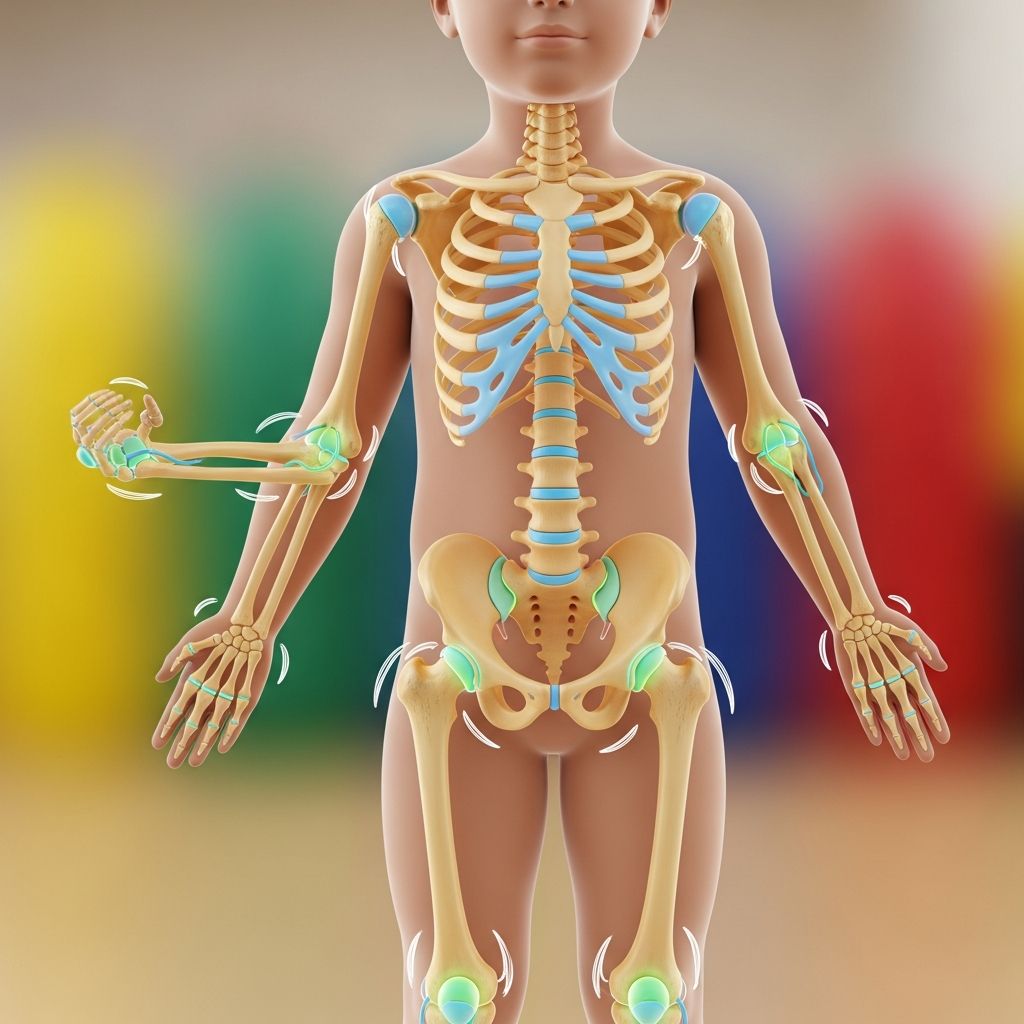
Perhaps the most visible change during middle school is the onset of puberty and its accompanying physical transformations. Growth spurts become the norm rather than the exception, with young adolescents gaining height, weight, and strength at accelerated rates. However, this growth rarely follows a predictable or uniform pattern.
Girls typically experience physical development earlier than boys, sometimes by two or more years. This developmental gap can create noticeable differences in physical maturity within the same grade level—some students may appear nearly adult-like while their classmates still resemble elementary school children. This disparity often contributes to self-consciousness and social anxiety among adolescents.
As physical dimensions change rapidly, coordination and body awareness frequently lag behind. Young adolescents often describe feeling awkward or clumsy, struggling with a body that suddenly seems unfamiliar. They may excel at a sport one season, then feel uncoordinated the next as their proportions shift. This phenomenon—where height and weight increase faster than the nervous system’s ability to integrate these changes—is entirely normal and typically resolves within a year or two.
Common Physical Changes by Grade Level
- Sixth Grade (Ages 11-12): Vast appetite for food and physical activity; early growth spurts particularly in girls; increased hygiene needs; noticeable fatigue and increased sleep requirements
- Seventh Grade (Ages 12-13): Continued physical growth; emerging skin problems including acne; significant changes in eating patterns; widening gender differences in physical development
- Eighth Grade (Ages 13-14): Girls approaching 95% of mature height; boys experiencing voice changes and upper-body strength development; coordination challenges; heightened concern about physical appearance
The Emotional Landscape: Intense Feelings and Fluctuating Moods
While physical changes are obvious to observers, the emotional transformations happening internally may be even more significant. Middle schoolers experience emotions with remarkable intensity. What might seem like a minor social slight to an adult can trigger profound emotional reactions in an adolescent—ranging from complete devastation to exuberant joy within hours.
This emotional volatility stems from both hormonal changes and cognitive development. The brain regions responsible for emotional regulation are still maturing, while hormonal fluctuations amplify emotional responses. Additionally, middle schoolers’ developing abstract thinking abilities allow them to imagine worst-case scenarios and contemplate complex social dynamics in ways they previously could not.
Sensitivity to perceived slights or exclusion runs particularly high during these years. A student might internalize a casual comment from a peer and ruminate on it for weeks. Friendships, which become increasingly important during middle school, can shift dramatically. Best friends can become sources of conflict or hurt feelings suddenly, and reconciliation may take considerable time.
Despite these challenges, middle schoolers also begin developing emotional resilience and self-awareness. They start recognizing their own emotional patterns and, with guidance, can begin implementing strategies for managing their feelings. This emerging capacity for self-assessment marks an important developmental milestone.
Social Development: The Peer Group Takes Center Stage
During middle school, the social landscape undergoes seismic shifts. The family, which served as the primary social universe during elementary school, diminishes in importance as the peer group takes on increasing significance. This transition is developmentally appropriate and necessary, though it often distresses parents who feel their influence waning.
Cliques and social groups become organizing structures of the middle school experience. Inclusion and exclusion within these groups generate considerable emotional energy. Adolescents become acutely aware of social hierarchies, fashion trends, and unwritten social codes. The desire for belonging becomes almost overwhelming, sometimes driving behavior that contradicts their actual values or interests.
Friendships during this period fluctuate more than at any other time. The intensity of middle school friendships—characterized by deep bonding and equally deep conflicts—reflects adolescents’ emerging capacity for complex social understanding. They begin grasping concepts like loyalty, betrayal, and social power dynamics in ways they previously could not.
Peer vocabulary, including slang and specialized communication styles, becomes increasingly important. Young adolescents use language as a social tool to signal group membership and identity. Parents and educators often perceive this language shift as a loss of sophistication, when actually it represents growing linguistic flexibility and social awareness.
Social and Emotional Development Across the Middle School Years
| Grade Level | Social Focus | Emotional Characteristics | Relationship with Family |
|---|---|---|---|
| Sixth Grade | Seeking social acceptance; height of cliques and inclusion/exclusion dynamics | Extremes in emotion; alternating between high expectations and poor self-concept; occasional regression to childish behavior when stressed | Less obvious affection toward parents; occasional rudeness; beginning to reduce shared school experiences |
| Seventh Grade | Identity exploration through appearance and behavior; importance of cross-gender friendships | Moodiness and lethargy alternating with enthusiasm; strong need to feel understood; unique emotional experience | Complaints about parental interference with independence; more independent but still craving safety and protection |
| Eighth Grade | Peer pressure and “coolness” become dominant concerns; establishing more mature social roles | Emerging adult personality; embarrassment about parents; critical stance toward authority figures | Public embarrassment if seen with parents; criticism of parental habits and ideas; private need for connection |
Cognitive Development: The Emergence of Abstract Thinking
The cognitive changes occurring during middle school are equally profound as physical and emotional shifts. Young adolescents begin developing the capacity for abstract reasoning—the ability to think about concepts that have no direct physical representation. This cognitive milestone fundamentally alters how they understand themselves and their world.
With emerging abstract thinking comes the ability to question established ideas and think critically about information. Middle schoolers no longer accept statements at face value; they want to understand the “why” behind rules and explanations. This intellectual development, while sometimes frustrating for adults, represents significant cognitive growth. These young people become interested in global issues, moral dilemmas, and complex social problems in ways they previously could not contemplate.
Problem-solving abilities expand dramatically. Middle schoolers develop greater capacity for organizing information, planning multi-step projects, and adjusting their approaches when initial strategies prove ineffective. They begin understanding concepts like power, influence, and systems thinking. However, they simultaneously maintain concrete thinking patterns, meaning they often learn best through hands-on, real-world applications rather than purely abstract instruction.
Despite these intellectual advances, middle schoolers typically maintain short-term thinking patterns. They focus heavily on the present moment and struggle to connect current actions to distant future consequences. This developmental characteristic explains much adolescent risk-taking behavior—the connection between today’s choices and tomorrow’s outcomes remains abstract and unconvincing.
Cognitive Milestones in Middle School
- Abstract Reasoning Development: Capacity to think about non-concrete concepts; ability to imagine hypothetical scenarios; understanding of symbolic meaning
- Critical Thinking Emergence: Questioning established information; analyzing from multiple perspectives; evaluating evidence and arguments
- Memory and Organization: Improved ability to memorize information; developing executive functioning skills; challenges with sustained organization despite capacity for it
- Future Orientation: Beginning to think about future consequences; developing basic worldview and value system; interest in contributing meaningfully to society
- Intellectual Engagement: Growing enjoyment of discussing complex topics; wrestling with moral issues; desire to understand how systems work
Technology, Communication, and Identity Formation
In contemporary middle schools, technology profoundly shapes development and identity formation. Most middle schoolers are technologically savvy, comfortable navigating digital platforms, and deeply invested in online social connections. For many, maintaining connectivity through text messages, social media, and instant communication feels urgent and essential to their social well-being.
This technology immersion creates new developmental challenges and opportunities. While digital communication facilitates friendship maintenance and identity exploration, it also introduces new arenas for conflict, cyberbullying, and social anxiety. The permanence of digital communication contrasts sharply with the fluid, forgiving nature of in-person adolescent friendships.
Young adolescents experiment with identity through their online presence—trying out different personas, exploring interests, and presenting versions of themselves to different audiences. This experimentation serves important developmental functions, allowing teenagers to test out identities in relatively low-risk environments before integrating them into their core sense of self.
Supporting Your Adolescent Through These Changes
Understanding middle school development provides the foundation for supportive parenting and education. Several key strategies help adults navigate this complex period:
- Maintain Realistic Expectations: Recognize that volatility, moodiness, and pushback are developmentally normal responses, not character flaws or defiance
- Balance Independence with Structure: Young adolescents need increasing independence while still benefiting from clear boundaries and parental guidance
- Take Their Concerns Seriously: When middle schoolers share worries that seem trivial to adults, responding with humor or dismissal damages trust. Matching their concern level demonstrates respect
- Facilitate Meaningful Engagement: Adolescents want adults who participate in their interests and have fun with them, while simultaneously being authentic and real
- Encourage Critical Thinking: Rather than providing surface-level answers, engage with their developing intellectual abilities through discussion and debate
- Model Technology Balance: Set reasonable limits around device use while recognizing that digital connection holds genuine importance for peer relationships
Common Questions About Middle School Development
Why does my sixth grader seem so clumsy all of a sudden?
Rapid growth spurts cause temporary coordination challenges as the body grows faster than the nervous system can integrate these changes. This awkwardness typically resolves within a year or two as physical proportions stabilize.
Is it normal for my middle schooler to want less family time?
Yes, completely normal. The peer group becomes increasingly important during these years as adolescents develop independence and identity separate from family. This shift, while sometimes hurtful to parents, represents healthy developmental progress.
My eighth grader seems to take everything personally. Is something wrong?
Heightened sensitivity to perceived slights is a hallmark of middle school development. Combined with emerging abstract thinking that allows catastrophizing, this sensitivity is developmentally typical rather than indicative of emotional problems.
How can I set limits on technology use without creating conflict?
Middle schoolers respond better when they understand the reasoning behind limits. Explain how you’re helping them develop healthy habits while acknowledging that peer connection matters to them. Involve them in setting reasonable boundaries rather than imposing restrictions unilaterally.
When should I be concerned about emotional changes?
While mood fluctuations are normal, persistent depression, anxiety, social withdrawal, or significant changes in eating or sleeping patterns warrant professional consultation. Trust your instincts and consult your child’s healthcare provider if concerns persist.
Conclusion: Embracing the Adolescent Adventure
The middle school years represent a genuinely remarkable period of human development. The physical growth, cognitive expansion, emotional depth, and social complexity emerging during these years will not be duplicated again in a person’s lifetime. This reality—that middle school marks an unrepeatable developmental window—helps contextualize why these years feel so intense and consequential to adolescents themselves.
By understanding the developmental foundations underlying typical middle school behavior, adults can respond with greater patience, insight, and support. Young adolescents need mentors who recognize both their remarkable capabilities and their continuing need for guidance, who take their emerging concerns seriously while maintaining perspective, and who understand that the volatile, contradictory middle schooler is exactly who they’re supposed to be at this moment in their development.
References
- Typical Characteristics and Behaviors of Middle Schoolers — El Dorado County Office of Education. https://sms.egusd.net/documents/Typical_Middle_School_Characteristics.pdf
- What to Expect During Middle School Years — Bedford Public Schools. https://www.bedfordps.org/middle-school/guidance/pages/what-expect-during-middle-school-years
- Developmental Milestones for Typical Middle-Schoolers — Understood.org. https://www.understood.org/en/articles/developmental-milestones-for-typical-middle-schoolers
- 7 Undeniable Characteristics of Middle Schoolers Parents Should Know — The Parent Cue. https://theparentcue.org/7-undeniable-characteristics-of-middle-schoolers-parents-should-know/
- Young Adolescent Development — Association for Middle Level Education (AMLE). https://www.amle.org/young-adolescent-development/
- Introduction – Development During Middle Childhood — National Center for Biotechnology Information (NCBI). https://www.ncbi.nlm.nih.gov/books/NBK216770/