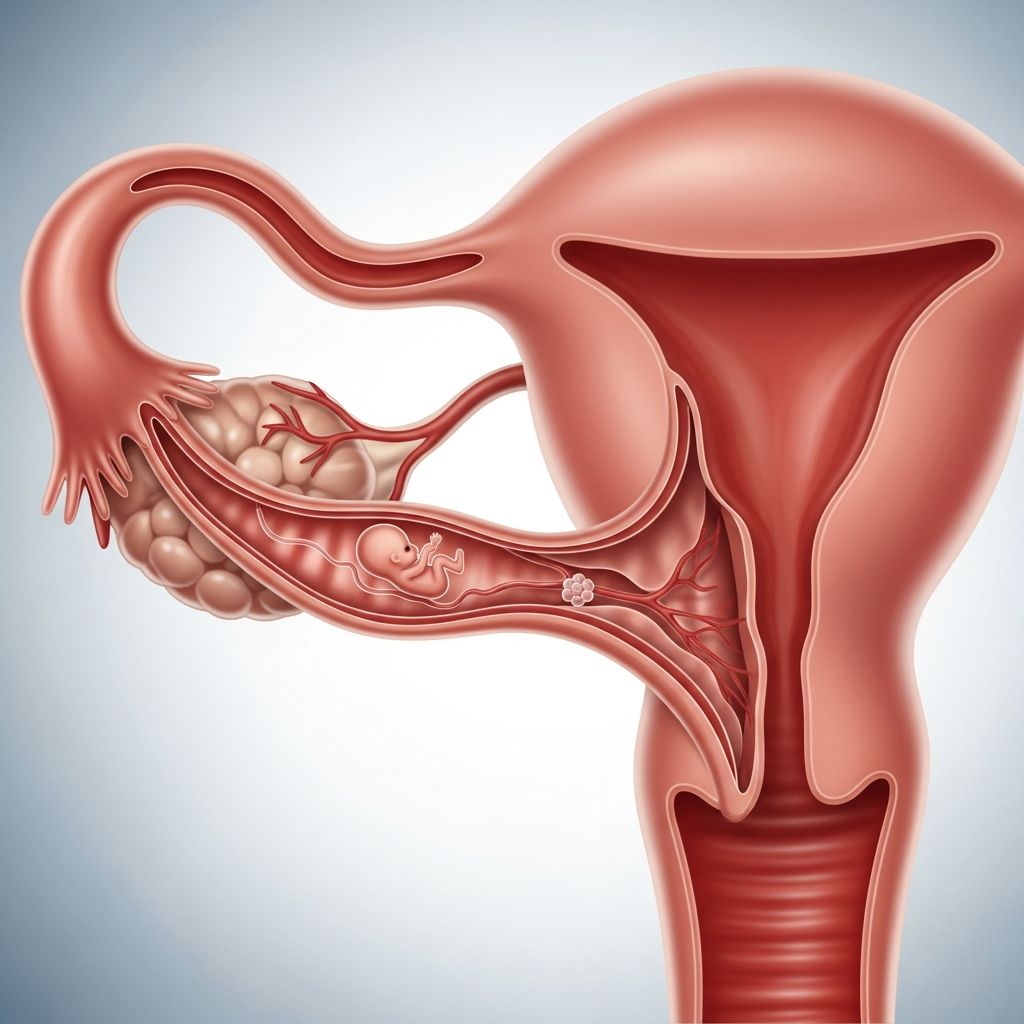
Pregnancy brings a cascade of bodily changes, including unexpected shifts in how foods and drinks taste. Dysgeusia, a condition characterized by distorted taste perception, often manifests as a persistent metallic, sour, or bitter flavor in the mouth, even without eating. This common first-trimester symptom stems primarily from hormonal fluctuations and typically resolves as pregnancy advances.
Understanding Dysgeusia: A Common Yet Overlooked Pregnancy Symptom
Dysgeusia refers to any alteration in the sense of taste, ranging from reduced sensitivity to intense, unpleasant flavors. During pregnancy, it frequently presents as a metallic taste that can linger throughout the day, making mealtimes challenging. This phenomenon affects a notable portion of expectant mothers, particularly in early pregnancy when hormone levels spike dramatically.
The taste distortion can influence appetite, leading to nutritional challenges at a time when balanced intake is crucial for fetal development. Unlike morning sickness, which may cause nausea, dysgeusia directly alters flavor profiles, turning favorite foods unpalatable or introducing off-notes to neutral items like water.
Hormonal Shifts: The Primary Driver of Taste Distortion
At the heart of dysgeusia lies the surge in pregnancy hormones such as estrogen, progesterone, and human chorionic gonadotropin (hCG). These chemicals heighten sensitivity in taste buds and olfactory receptors, amplifying perceptions and sometimes creating phantom flavors.
Estrogen, in particular, plays a key role by influencing gustatory (taste) and olfactory (smell) systems. Increased blood flow to the gums and oral cavity further sensitizes these areas, exacerbating the metallic sensation. Evolutionary theorists suggest this heightened aversion may protect against potentially harmful foods during vulnerable early pregnancy stages.
Timeline of Taste Changes: When Does It Start and End?
Taste alterations often emerge around week 6 of pregnancy, coinciding with peak hCG levels. For many, the intensity peaks in the first trimester before subsiding in the second as hormones stabilize.
- First Trimester (Weeks 1-12): Most common onset, with up to daily metallic taste episodes.
- Second Trimester (Weeks 13-26): Symptoms fade for 70-80% of women as nausea diminishes.
- Third Trimester (Weeks 27+): Rare persistence; resolves post-delivery for nearly all cases.
Individual variation is significant—some experience it briefly, while others note lingering effects until birth. Postpartum, taste buds typically normalize within days to weeks.
Beyond Hormones: Other Potential Contributors
While hormones dominate, additional factors can contribute or mimic dysgeusia:
| Factor | Description | Prevalence in Pregnancy |
|---|---|---|
| Prenatal Vitamins | Iron and mineral supplements often trigger metallic aftertaste due to poor absorption. | Common |
| Oral Health Issues | Gum inflammation (pregnancy gingivitis) or infections alter taste. | Frequent |
| Medications | Antibiotics or antacids prescribed during pregnancy. | Occasional |
| Underlying Conditions | GI reflux, sinus infections, or rarely, metabolic disorders like diabetes. | Rare |
Addressing these through dental checkups or vitamin adjustments can provide relief.
Practical Strategies to Combat Unpleasant Tastes
Managing dysgeusia involves simple, safe interventions to restore enjoyment in eating. Here are evidence-based tips:
- Switch Prenatal Vitamins: Opt for chewable, flavored, or delayed-release formulas to minimize metallic residue. Consult your provider first.
- Enhance Oral Hygiene: Brush twice daily with baking soda toothpaste, scrape the tongue, and rinse with saltwater (1 tsp salt in 8 oz warm water) to neutralize flavors.
- Dietary Adjustments: Favor citrus fruits, ginger chews, or mints to override metallic notes. Eat small, frequent meals with strong herbs like basil or cinnamon.
- Hydration Hacks: Sip lemon-infused water or herbal teas; avoid plain water if it tastes off.
- Cooling Techniques: Consume cold foods/drinks, as temperature dulls taste distortions.
These steps not only alleviate symptoms but support nutrition amid aversions.
Nutritional Impacts and How to Maintain Balance
Dysgeusia can lead to food avoidance, risking deficiencies in iron, folate, and protein. To counter:
- Prioritize nutrient-dense smoothies blending fruits, yogurt, and spinach.
- Incorporate taste-masking pairings: pineapple with meat, applesauce with veggies.
- Track intake via apps; aim for 300 extra daily calories in second/third trimesters.
Registered dietitians recommend focusing on tolerated foods while supplementing as needed.
When to Consult a Healthcare Provider
Dysgeusia alone rarely signals danger, but persistent or worsening symptoms warrant evaluation:
- Accompanied by severe nausea, weight loss, or dehydration.
- Lasts beyond second trimester without improvement.
- Paired with oral sores, bleeding gums, or fever (possible infection).
Your OB-GYN or dentist can rule out complications like gestational diabetes or oral pathology. Routine prenatal visits provide ideal check-in opportunities.
Real Experiences: Voices from Expectant Mothers
Many women share similar stories: “Everything tasted like pennies for weeks—switching vitamins was a game-changer,” notes one forum contributor. Another recounts, “Citrus saved my meals; by 14 weeks, it vanished.” These anecdotes underscore the transient nature and manageability of symptoms.
Frequently Asked Questions About Dysgeusia in Pregnancy
Is dysgeusia harmful to my baby?
No, it poses no direct risk. Focus on hydration and nutrition to support fetal growth.
Can dysgeusia occur in every pregnancy?
Not necessarily; hormone sensitivity varies. It may appear in one pregnancy but not others.
How long does the metallic taste last?
Typically first trimester; full resolution post-delivery for most.
Are there safe home remedies?
Yes: saltwater rinses, citrus, and vitamin changes are low-risk and effective.
Does dysgeusia affect smell too?
Often yes, due to shared hormone influences on sensory systems.
Long-Term Outlook and Postpartum Recovery
As delivery approaches, lingering dysgeusia fades rapidly with placental expulsion and hormone normalization. Breastfeeding mothers occasionally note mild persistence, resolving within weeks. Maintaining oral health postpartum prevents recurrence in future pregnancies.
Embracing dysgeusia as a temporary badge of pregnancy’s wonders can ease frustration. With proactive strategies, women navigate this quirk effectively, ensuring a nourished journey to motherhood.
References
- Metallic Taste in Mouth Pregnancy: Dysgeusia Pregnancy — The Bump. 2023. https://www.thebump.com/a/metallic-taste-in-mouth-during-pregnancy
- Dysgeusia while Pregnant: What it Means for Oral Health — Hawaii Family Dental. 2023. https://hawaiifamilydental.com/news/dysgeusia-in-pregnancy/
- What is that Metallic Taste? Taste Changes During Pregnancy — WFMC Health. 2024. https://wfmchealth.org/maternity-health-care/taste-changes-during-pregnancy/
- 5 weird pregnancy symptoms you might not know about — UT Southwestern Medical Center. 2023-05-01. https://utswmed.org/medblog/weird-pregnancy-symptoms/
- Dysgeusia Symptoms and Remedies — American Pregnancy Association. 2023. https://americanpregnancy.org/healthy-pregnancy/health-nutrition/dysgeusia-symptoms-and-remedies/
- Weird pregnancy symptoms: 9 unexpected signs — Partum Health. 2024. https://www.partumhealth.com/resources/weird-pregnancy-symptoms
- Dysgeusia (Altered Taste): Causes & Treatment — Cleveland Clinic. 2023-12-07. https://my.clevelandclinic.org/health/diseases/22047-dysgeusia