The menstrual cycle is a finely tuned process that prepares the body for potential pregnancy each month. Typically spanning 21 to 35 days, it involves four distinct phases driven by hormones like follicle-stimulating hormone (FSH), luteinizing hormone (LH), estrogen, and progesterone. Understanding these phases helps individuals track fertility, manage symptoms, and address irregularities.
Core Components of the Menstrual Cycle
Every cycle consists of two parallel processes: the ovarian cycle, where follicles develop and eggs are released, and the uterine cycle, where the endometrium prepares and sheds. These are regulated by the hypothalamus, pituitary gland, and ovaries. A standard cycle is 28 days, but variations are normal.
- Ovarian Cycle Phases: Follicular (egg maturation), ovulation (egg release), luteal (post-ovulation preparation).
- Uterine Cycle Phases: Menstrual (shedding), proliferative (lining growth), secretory (maintenance).
Phase 1: The Menstrual Phase
This phase begins on the first day of bleeding and lasts 3 to 7 days. If no pregnancy occurs, the thickened uterine lining (endometrium) sheds, causing menstrual flow. Progesterone and estrogen levels drop sharply, triggering contractions in the uterus.
Common symptoms include cramps, fatigue, and mood changes due to prostaglandin release. Flow is heaviest in the first two days. Tracking flow volume and duration provides baseline cycle data.
| Symptom | Cause | Duration |
|---|---|---|
| Cramps | Uterine contractions | 1-3 days |
| Fatigue | Hormone drop | Throughout phase |
| Bloating | Fluid retention | 2-5 days |
Phase 2: Follicular Phase and Uterine Rebuilding
Starting on day 1 and overlapping with menstruation, this phase ends at ovulation, typically lasting 10 to 16 days. FSH from the pituitary stimulates 5 to 20 ovarian follicles to grow, with one becoming dominant. Estrogen rises, prompting the endometrium to thicken (proliferative phase).
Energy levels often increase as estrogen peaks, enhancing mood and focus. Folliculogenesis involves recruitment (days 1-4), selection, and dominance stages. This preparation sets the stage for egg release.
- Follicle growth: Multiple start, one matures.
- Endometrium: Thickens to 2-3 times pre-menstrual size.
- Hormones: Rising estrogen suppresses FSH to select dominant follicle.
Phase 3: Ovulation – The Fertility Window
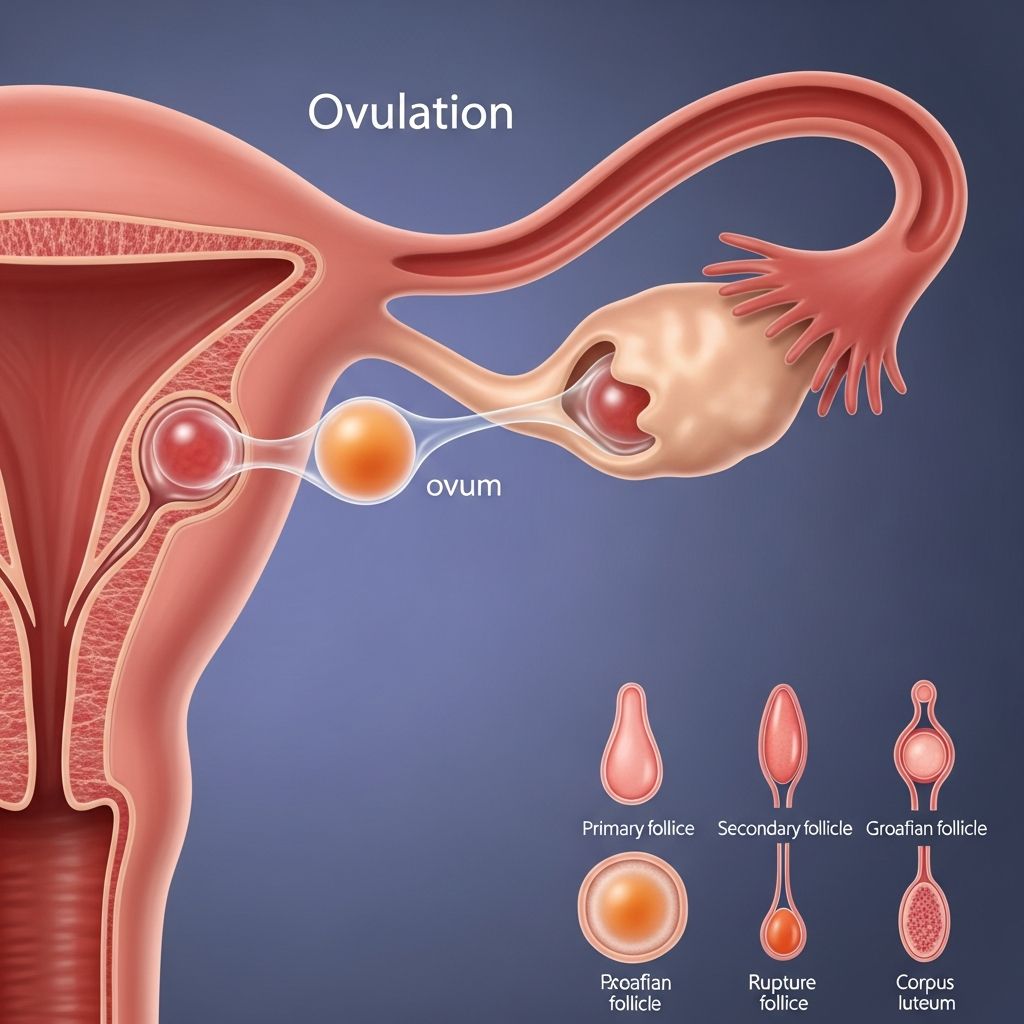
Lasting 12 to 48 hours around mid-cycle (day 14 in a 28-day cycle), ovulation occurs when a surge in LH (triggered by estrogen peak) causes the dominant follicle to rupture, releasing the egg into the fallopian tube. The egg survives 12-24 hours; sperm can live 3-5 days, creating a 5-6 day fertile window.
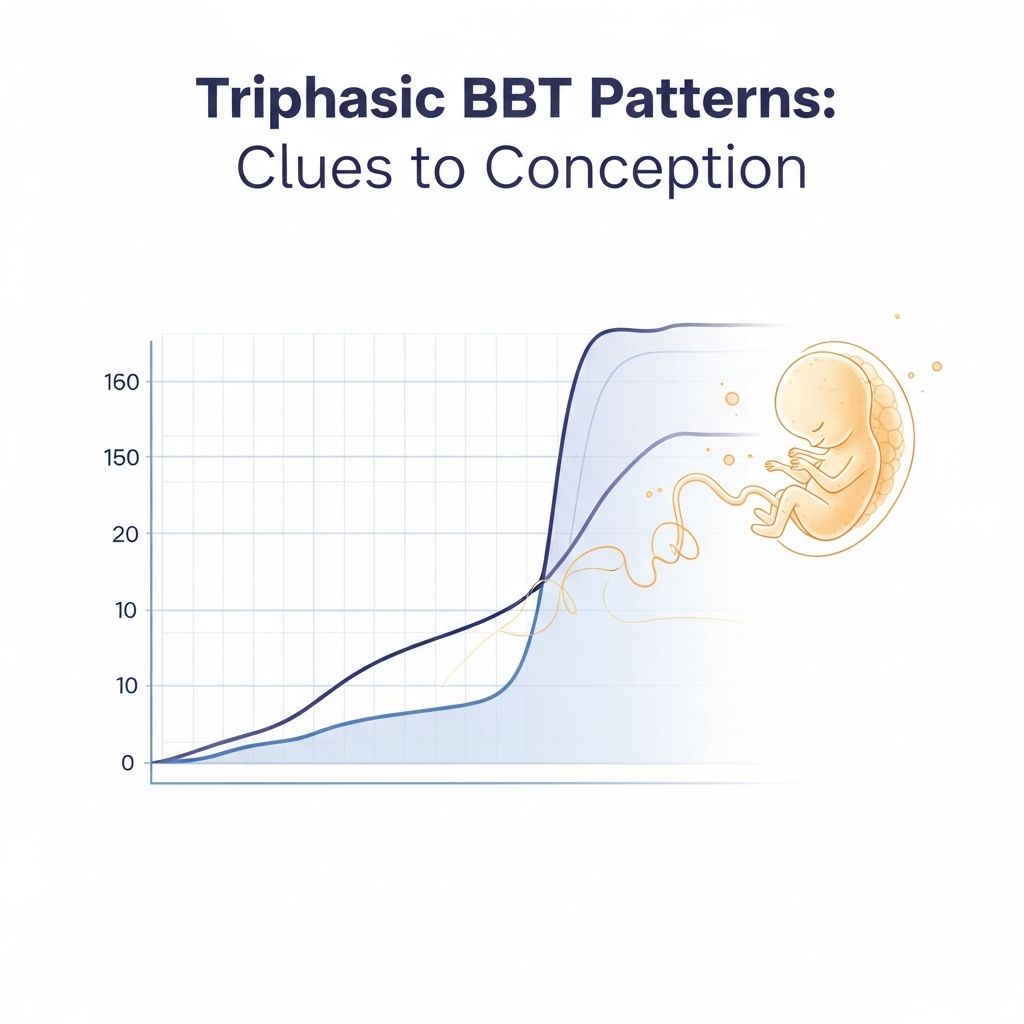
Signs include mittelschmerz (ovarian pain), increased cervical mucus (clear, stretchy), slight basal body temperature rise (0.5-1°F), and heightened libido. Predicting this phase is key for conception.
Phase 4: Luteal Phase and Pregnancy Preparation
From ovulation to the next period (9-16 days, often 14), the ruptured follicle forms the corpus luteum, secreting progesterone and estrogen to maintain the endometrium (secretory phase). If no implantation, the corpus luteum degenerates, hormones drop, and menstruation begins.
Progesterone peaks mid-phase, supporting implantation. Symptoms like breast tenderness, PMS, or mood swings are common. Short luteal phases (<10 days) may indicate issues like luteal phase defect.
| Hormone | Peak Phase | Role |
|---|---|---|
| FSH | Follicular | Follicle stimulation |
| LH | Ovulation | Egg release trigger |
| Estrogen | Follicular/Ovulation | Lining growth, LH surge |
| Progesterone | Luteal | Endometrium maintenance |
Why Cycles Vary and Feel Unpredictable
Not all cycles are textbook 28 days. Stress, weight changes, exercise, illness, thyroid issues, or PCOS can alter lengths. Teens and perimenopausal women experience more irregularity. The luteal phase is relatively fixed (14 days), while follicular varies.
Apps, ovulation kits (detect LH surge), BBT charting, and cervical mucus observation aid prediction. Cycle-syncing lifestyles—tailoring diet/exercise to phases—can ease symptoms.
Tracking Tools and Techniques
Modern fertility awareness methods (FAM) combine symptoms for 99% accuracy with proper use.
- Calendar Method: Average cycle lengths to estimate ovulation.
- BBT: Daily morning temperature; post-ovulation rise confirms.
- OPKs: Urine tests for LH surge 24-36 hours before ovulation.
- Cervical Mucus: Fertile types are slippery/egg-white.
- Apps: Log data for patterns (e.g., Clue app tracks feelings/pain).
Health Implications and When to Seek Help
Absent periods (amenorrhea), cycles <21 or >35 days, severe pain, or spotting warrant medical advice. Conditions like endometriosis or fibroids disrupt cycles. For fertility, consult if no conception after 12 months (under 35) or 6 months (over 35).
Balanced nutrition, moderate exercise, and stress management support regularity. Hormonal contraceptives suppress natural cycles but don’t eliminate ovulation risks.
Frequently Asked Questions
Can stress really change my cycle length?
Yes, stress elevates cortisol, disrupting FSH/LH balance and delaying ovulation, shortening or lengthening cycles.
How accurate are ovulation predictor kits?
OPKs detect 97% of surges but confirm ovulation less reliably without BBT confirmation.
Is a 35-day cycle normal?
Yes, normal range is 21-35 days; longer follicular phases are common.
Does exercise affect ovulation?
Excessive high-intensity can suppress hormones; moderate supports regularity.
What if my luteal phase is short?
Under 10 days may hinder implantation; progesterone supplements or lifestyle changes help under medical guidance.
Empowering Your Cycle Knowledge
Grasping ovulation dynamics transforms confusion into confidence. Regular tracking reveals personal patterns, aiding family planning or symptom relief. Consult healthcare providers for personalized advice, especially with irregularities.
References
- Understanding the Phases of the Menstrual Cycle — Clue. Accessed 2026. https://helloclue.com/articles/cycle-a-z/the-menstrual-cycle-more-than-just-the-period
- Understanding the Menstrual Cycle: A Breakdown of Its Four Phases — Raleigh OB. Accessed 2026. https://www.raleighob.com/phases-of-the-menstrual-cycle/
- Stages of Menstrual Cycle: Menstruation, Ovulation, Hormones — Healthline. Accessed 2026. https://www.healthline.com/health/womens-health/stages-of-menstrual-cycle
- Ovulation Made Simple: A Four Phase Review — Intermountain Healthcare. Accessed 2026. https://intermountainhealthcare.org/blogs/article/ovulation-made-simple-a-four-phase-review
- The Normal Menstrual Cycle and the Control of Ovulation — NCBI/NIH. 2026 (authoritative medical reference). https://www.ncbi.nlm.nih.gov/books/NBK279054/
- Cycle Syncing: How to Understand Your Menstrual Cycle — NYP Health Matters. Accessed 2026. https://healthmatters.nyp.org/cycle-syncing-how-to-understand-your-menstrual-cycle-to-reduce-period-symptoms/