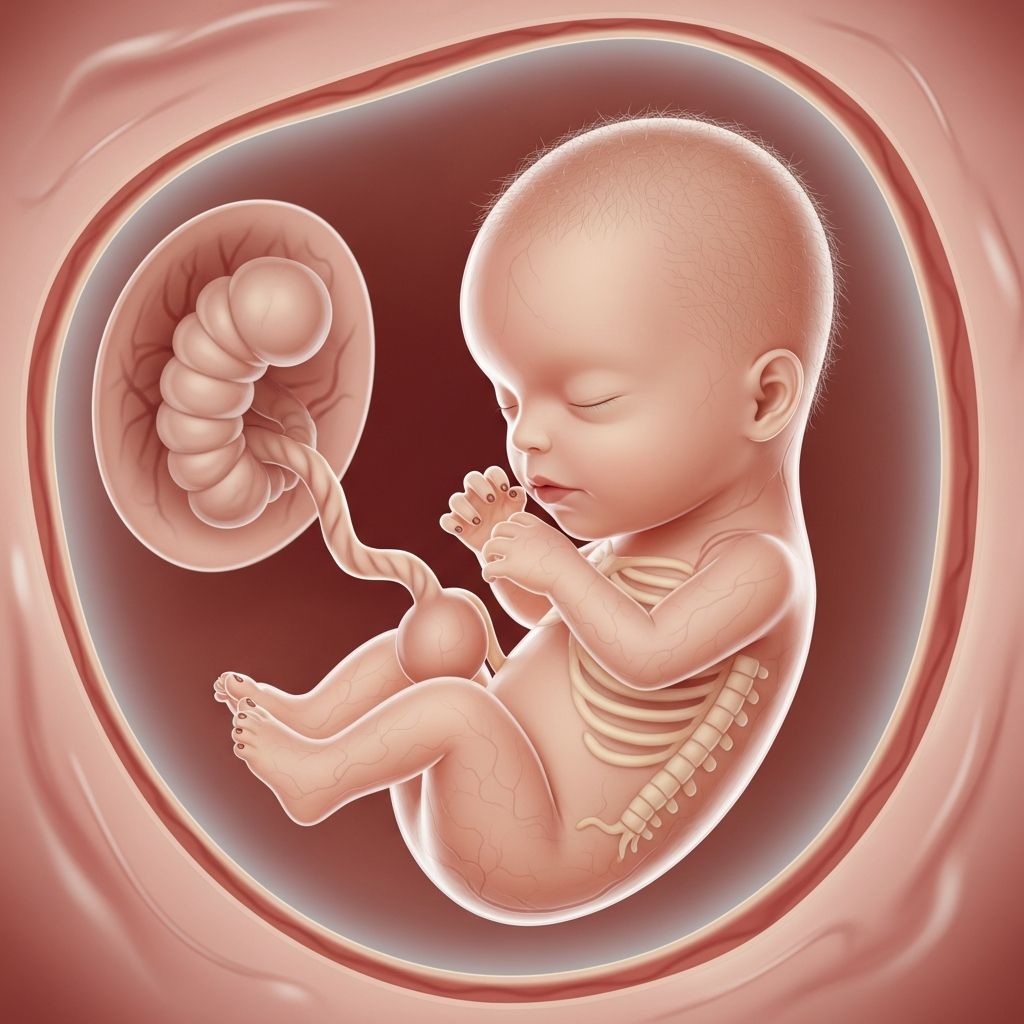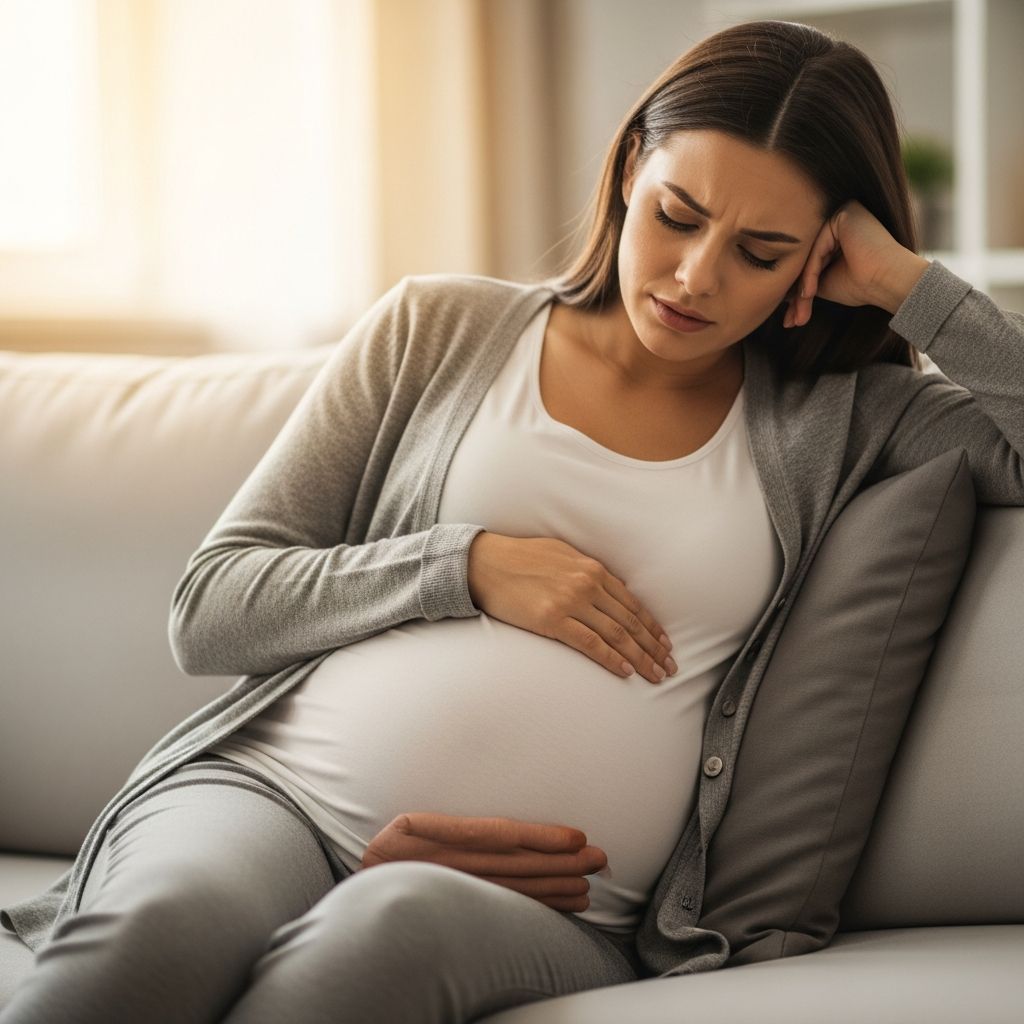
Pregnancy can transform your skin in surprising ways. Some changes are expected, like a healthy glow or a dark line on your belly. Others, such as sudden brown patches on your face or a red, bumpy rash across your cheeks, can be confusing and worrying. Two of the most common and easily mixed-up conditions are melasma and rosacea, both of which can flare or appear for the first time in pregnancy.
This guide explains how hormones and other triggers affect your skin while you are expecting, what separates melasma from rosacea, and which treatments and habits are considered safer in pregnancy.
Why Pregnancy Changes Your Skin
During pregnancy, levels of hormones such as estrogen, progesterone, and melanocyte-stimulating hormone rise significantly. These shifts alter blood flow, oil production, and pigment production in the skin, leading to a wide range of visible changes.
- Increased pigmentation: Hormones stimulate melanocytes (the cells that make melanin), causing darkening of nipples, genitals, the midline of the abdomen, and sometimes the face (melasma).
- More sensitive blood vessels: Greater blood volume and vessel reactivity can increase facial flushing and redness, contributing to rosacea flares in those predisposed.
- Altered immune response: Pregnancy shifts the immune system, which can worsen some inflammatory skin conditions while improving others.
- Heightened sun sensitivity: UV exposure more easily triggers pigmentation and redness during pregnancy, even in people who previously tanned without issue.
Most pregnancy-related skin changes are medically harmless, but they can be distressing, especially when they occur on the face. Differentiating melasma from rosacea is the first step toward choosing the right care.
Melasma in Pregnancy: The “Mask” of Hormones
Melasma is a form of hyperpigmentation that often appears or worsens in pregnancy because of hormonal changes combined with sunlight exposure. When it occurs in pregnancy, it is sometimes called chloasma or the “mask of pregnancy.”
What Melasma Looks and Feels Like
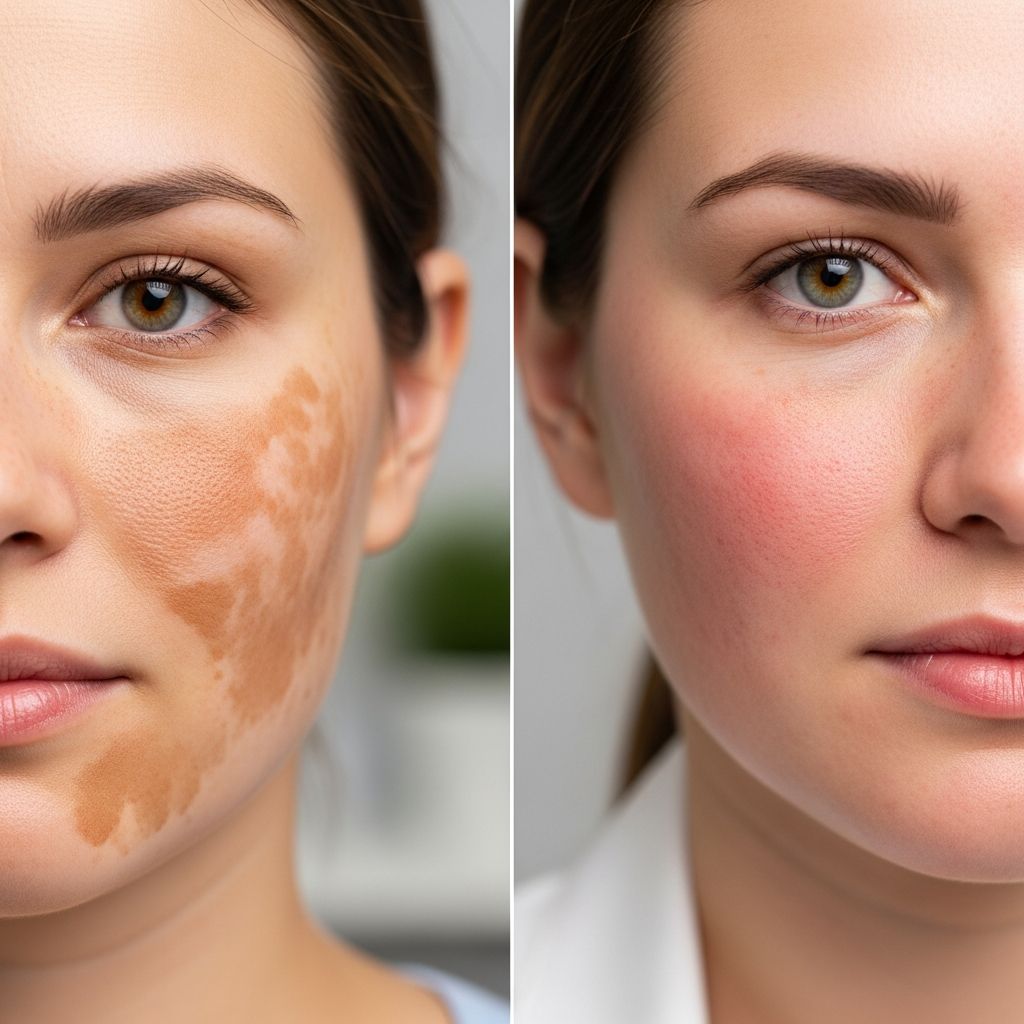
- Color: Tan, brown, or gray-brown flat patches.
- Texture: Skin usually feels smooth, not bumpy or itchy.
- Borders: Edges are often well defined but may look irregular or map-like.
- Location: Common on the cheeks, forehead, nose, upper lip, and sometimes other sun-exposed areas like the forearms.
- Symptoms: Typically no pain or burning; mainly a cosmetic concern.
| Feature | Melasma |
|---|---|
| Main change | Color changes (brown/gray patches) |
| Skin surface | Flat, smooth, non-scaly |
| Usual cause in pregnancy | Hormones + sunlight stimulating melanin production |
| Discomfort | Typically none |
Why Melasma Appears in Pregnancy
- Hormonal surges: High levels of estrogen and progesterone stimulate pigment production in melanocytes, which can create uneven darkening on the face and other exposed areas.
- Melanocyte-stimulating hormone: Levels of this hormone rise in pregnancy and further drive pigment changes.
- UV exposure: Ultraviolet light from the sun activates melanocytes, deepening existing patches and sparking new ones. Sunlight is one of the strongest triggers for melasma.
- Genetic and skin tone factors: People with medium to darker complexions, or a family history of melasma, are more prone to develop it.
Dermatology references note that facial melasma affects a large proportion of pregnant women, especially in the second half of pregnancy, and is more frequent in those with darker skin tones.
Will Melasma Go Away After Pregnancy?
- Melasma often lightens gradually in the months after birth once hormone levels fall and breastfeeding hormones eventually stabilize.
- In many people, some faint discoloration may persist and can flare with sun exposure or hormonal contraceptives.
- Because melasma is usually harmless, treatment decisions often focus on emotional impact and cosmetic concerns.
Rosacea in Pregnancy: Redness, Bumps, and Flares
Rosacea is a chronic inflammatory condition of the facial skin characterized by redness, flushing, visible small blood vessels, and sometimes acne-like bumps. Pregnancy does not cause rosacea in everyone, but hormonal and vascular changes can trigger a first episode or worsen existing rosacea.
How Rosacea Typically Appears
- Redness: Persistent flushing or diffuse redness across the cheeks, nose, chin, and central forehead.
- Bumps and pimples: Small red bumps or pus-filled spots that resemble acne but usually occur without blackheads.
- Burning or stinging: Skin may feel hot, irritated, or sensitive to products.
- Visible veins: Fine, thread-like blood vessels (telangiectasias) may be apparent on the surface.
- Triggers: Heat, spicy foods, sun, emotional stress, and some skincare products can provoke flares.
| Feature | Rosacea |
|---|---|
| Main change | Redness, flushing, bumps, possible pus-filled spots |
| Skin surface | Often bumpy, inflamed, sometimes burning |
| Usual cause | Chronic inflammatory and vascular condition with environmental and genetic triggers |
| Discomfort | Commonly burning, stinging, and sensitivity |
Why Rosacea Can Flare in Pregnancy
- Greater blood flow to the skin: Pregnancy increases overall blood volume and can accentuate facial flushing.
- Hormonal influence: Shifts in estrogen and progesterone may interact with immune and vascular pathways involved in rosacea, though research is still evolving.
- Heat sensitivity: Many pregnant people feel warmer overall, and heat is a well-known rosacea trigger.
- Emotional stress: Stress around pregnancy and birth can worsen inflammatory skin conditions.
Melasma vs. Rosacea: How to Tell Them Apart
Although they can coexist, melasma and rosacea behave differently. Understanding the contrasts helps guide safe treatment choices.
| Characteristic | Melasma | Rosacea |
|---|---|---|
| Main appearance | Flat brown or gray-brown patches | Redness, flushing, visible vessels, bumps |
| Color change type | Increased pigment (hyperpigmentation) | Increased blood flow/inflammation |
| Texture | Smooth | Often bumpy, sensitive |
| Symptoms | Usually asymptomatic | Burning, stinging, tenderness possible |
| Key triggers | Hormones + UV exposure | Heat, sun, spicy foods, alcohol, stress |
| Common timing in pregnancy | Often starts or worsens mid-to-late pregnancy | May flare at any time, especially with warmth and stress |
If your face is mostly brown patches without irritation, melasma is more likely. If it is very red, hot, and bumpy, rosacea or another inflammatory rash may be the culprit. Because many other conditions can mimic these, such as eczema or pregnancy-specific eruptions, a dermatologist’s opinion is especially valuable when you are pregnant.
Safe Skincare and Lifestyle Strategies in Pregnancy
Whether you are dealing with melasma, rosacea, or both, a gentle, protective routine is key. Always let your obstetric provider know about any prescription or over-the-counter products you use.
Sun Protection: Non-Negotiable for Both Conditions
- Apply a broad-spectrum sunscreen with SPF 30 or higher every morning to all exposed skin, even on cloudy days.
- Choose mineral (physical) filters like zinc oxide or titanium dioxide if you have sensitive or rosacea-prone skin; these are generally considered safe in pregnancy and less irritating.
- Wear a wide-brimmed hat, sunglasses, and seek shade during peak sun hours.
- Remember that windows and brief outdoor trips still contribute to UV exposure and melasma darkening.
Gentle Daily Routine
- Use a mild, fragrance-free cleanser once or twice daily.
- Moisturize with a simple, non-comedogenic lotion or cream to support the skin barrier.
- Avoid harsh scrubs, aggressive exfoliation, and products that sting or burn, as these can worsen rosacea and irritate melasma-prone skin.
Treatment Options for Melasma in Pregnancy
Because many prescription lightening agents lack safety data in pregnancy, management typically focuses on prevention and conservative measures until after delivery. Always confirm specific products with your obstetric clinician.
- Primary strategy: strict sun avoidance and protection to prevent darkening and new patches.
- Camouflage makeup: Non-comedogenic tinted sunscreens and concealers can minimize the visual impact and improve confidence.
- Post-pregnancy options (to be discussed with a dermatologist):
- Topical agents such as azelaic acid, kojic acid, or other pigment-modulating creams.
- Chemical peels or laser treatments performed by experienced professionals for persistent melasma.
Hydroquinone and some other lightening ingredients are commonly deferred during pregnancy due to limited safety data, so do not start them on your own.
Treatment Options for Rosacea in Pregnancy
Rosacea care aims to reduce inflammation and control flares, while avoiding medications that may pose risks to the fetus. Many standard rosacea drugs, such as topical retinoids and some oral antibiotics, are avoided or used only under specialist guidance in pregnancy.
- Trigger management:
- Limit very hot showers, saunas, and spicy foods if you notice they worsen flushing.
- Manage stress with relaxation techniques, gentle exercise (as approved by your obstetric provider), or prenatal yoga.
- Gentle skincare:
- Stick with bland, fragrance-free moisturizers and cleansers formulated for sensitive skin.
- Avoid alcohol-heavy toners, astringents, and exfoliating acids unless cleared by your doctor.
- Medical treatments:
- Some topical therapies and certain oral antibiotics used for severe rosacea may be considered in later pregnancy stages, but only with dermatologist and obstetric input.
- Laser or light-based treatments are usually postponed until after pregnancy and breastfeeding.
When to See a Dermatologist
Many pregnancy skin changes are benign and temporary, but professional evaluation is crucial if anything looks unusual or feels very uncomfortable.
Consult your healthcare provider or a board-certified dermatologist if:
- You develop a sudden, widespread rash that is intensely itchy, painful, or blistering.
- Facial redness and bumps rapidly worsen or involve the eyes (burning, dryness, or vision changes can occur in rosacea-related eye involvement).
- Pigmented spots change shape, color, or size in a way that does not fit typical melasma patterns.
- You are considering any prescription treatment or over-the-counter brightening product while pregnant or breastfeeding.
Specialist input helps distinguish melasma and rosacea from other pregnancy-related skin conditions, such as specific pregnancy dermatoses and serious blistering diseases that require urgent treatment.
Emotional Impact: Feeling Seen in Your Own Skin
Even when doctors reassure you that melasma and rosacea are medically harmless, seeing your face change can feel upsetting. Many pregnant people report lower self-confidence when dark patches or red flares appear on their cheeks or nose. Knowing that these changes are common, hormonally driven, and often improve after pregnancy can help you be gentler with yourself.
- Allow yourself to use makeup or tinted sunscreen if it boosts your comfort.
- Talk with your care team about how much the changes bother you; emotional wellbeing is a valid reason to seek treatment advice.
- Remember that most of these skin shifts are part of a temporary hormonal state, not a permanent reflection of your appearance.
Frequently Asked Questions (FAQs)
Can pregnancy cause rosacea if I never had it before?
Pregnancy can unmask a tendency toward rosacea by increasing blood flow, heat, and hormonal fluctuations, and it can also worsen existing rosacea. Not everyone will develop it, but if you notice new facial redness and bumps that persist, a dermatologist can confirm the diagnosis and help you choose pregnancy-safe care.
Is melasma dangerous for my baby or my health?
Melasma is considered a benign, cosmetic condition. It does not harm the fetus and usually does not affect your overall physical health. The main impact is on appearance and self-esteem. However, any rapidly changing or unusual pigmented lesions should still be checked to rule out other skin problems.
Will my melasma disappear completely after I give birth?
Many people see significant lightening in the months after delivery as hormone levels decline, but some residual discoloration may persist and can darken again with sun exposure or hormonal birth control. Strict sun protection and, when appropriate postpartum, dermatologist-recommended treatments can further fade remaining patches.
Which ingredients should I be cautious about for pigmentation and rosacea in pregnancy?
Commonly, topical retinoids, some oral acne or rosacea medications, and certain strong skin-lightening agents are avoided or used only under specialist guidance in pregnancy due to limited safety data. Always review any new cream or pill with your obstetric provider or dermatologist before use.
Does having melasma or rosacea in this pregnancy mean I will have it again next time?
Having melasma or rosacea once suggests your skin is sensitive to hormonal and environmental triggers, so future pregnancies may bring similar issues. However, going into a later pregnancy with a strong sun-protection routine, early dermatology input, and knowledge of your triggers can help reduce the severity of future flares.
References
- Why your skin changes with pregnancy — Baylor College of Medicine. 2023-08-15. https://blogs.bcm.edu/2023/08/15/why-your-skin-changes-with-pregnancy/
- Skin Changes in Pregnancy: What to Expect — Skindepth. 2023-06-01. https://www.skindepth.com.au/blogs/news/pregnancy-skin
- Brown Patches of Skin During Pregnancy? — Deschutes Dermatology. 2022-05-10. https://deschutesdermatology.com/blog/why-do-i-have-brown-patches-of-skin-during-pregnancy/
- Rosacea & Melasma — Allura Skin, Laser & Wellness Clinic. 2021-09-01. https://alluraclinic.com/areas-of-concern/skin/rosacea/
- Pregnancy Related Skin Conditions — Dermatology of Southeastern Ohio. 2022-03-20. https://www.dermatologyofsoutheasternohio.com/conditions/pregnancy-related-skin-conditions
- Skin changes in pregnancy — DermNet NZ. 2021-04-01. https://dermnetnz.org/topics/skin-changes-in-pregnancy