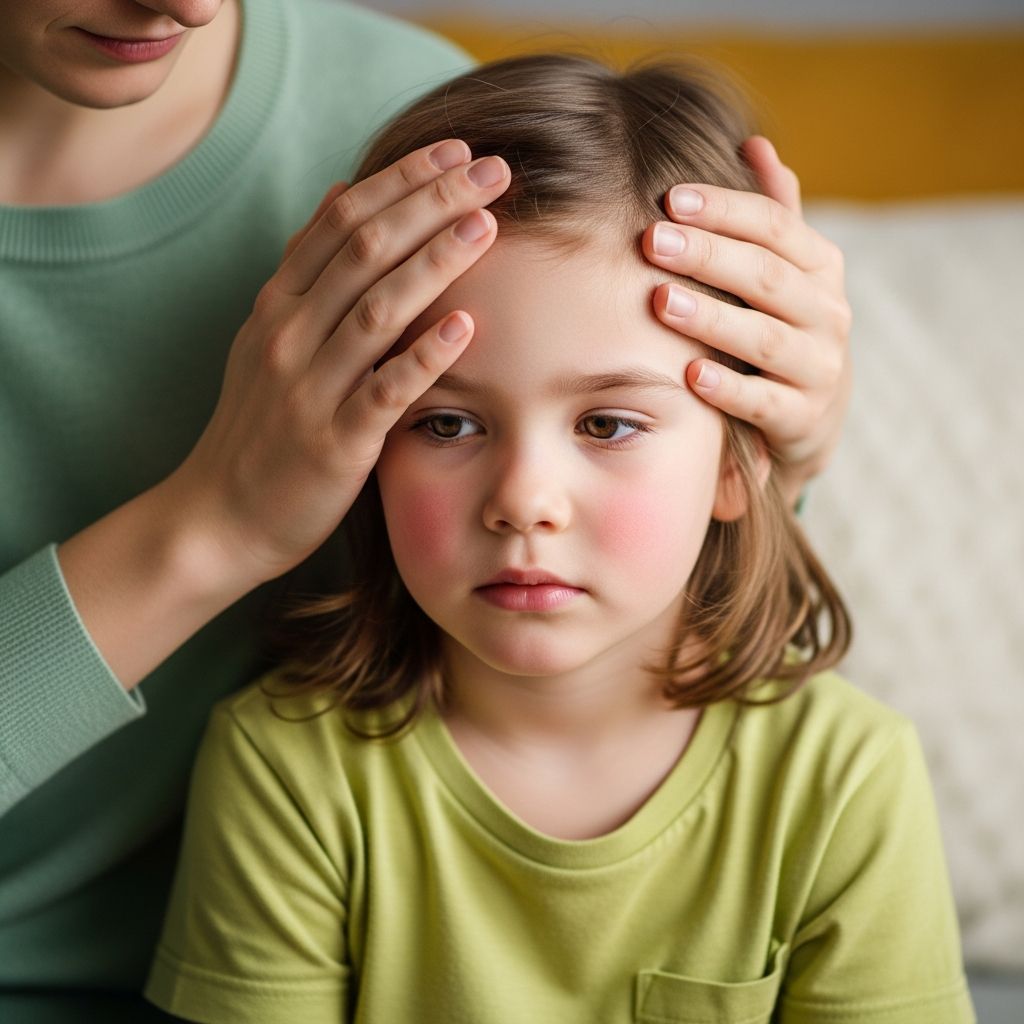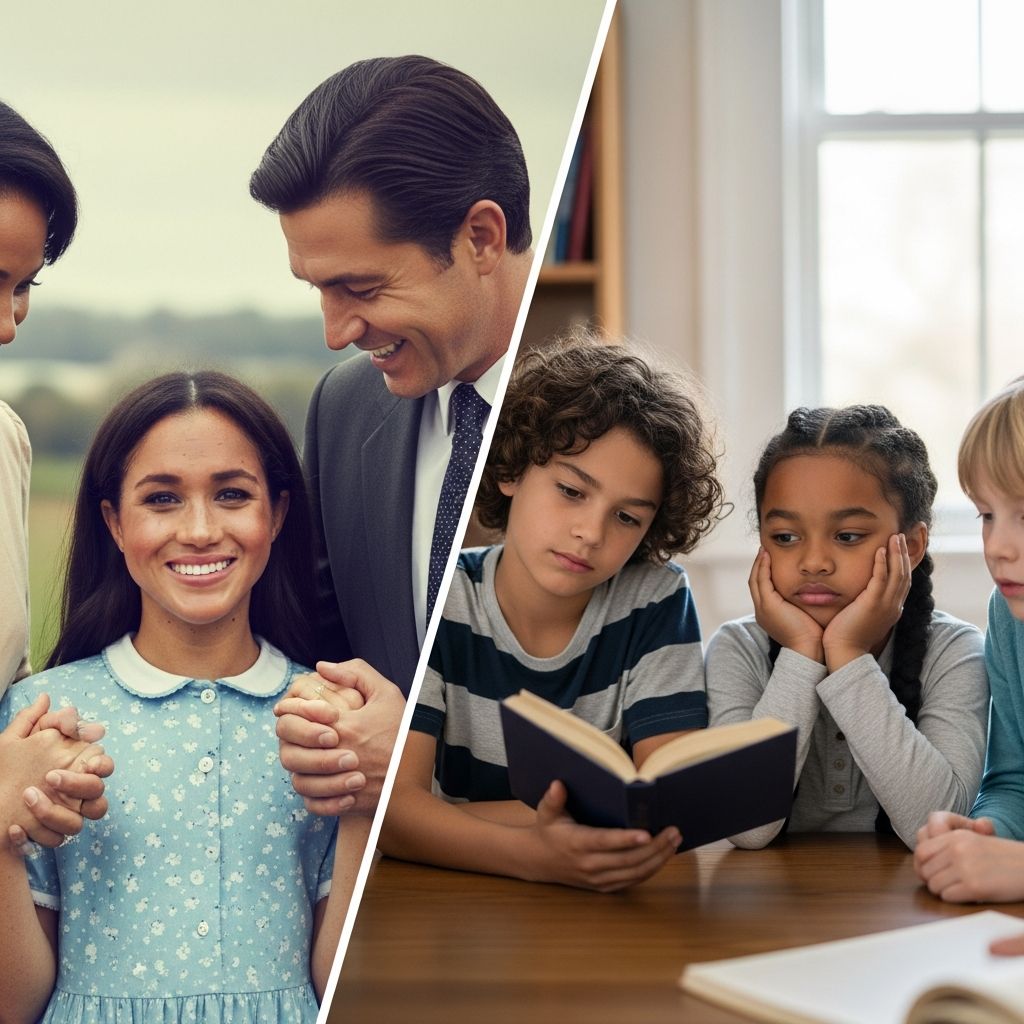
When Meghan Markle shared a poem she wrote at age 12 about living between two homes, many adults who grew up with divorced parents instantly recognized their own childhood in her words.
Background: Meghan Markle as a Child of Divorce
Before she became the Duchess of Sussex, Meghan Markle was a girl navigating life between her mother’s and father’s homes after their separation. Her parents, Doria Ragland and Thomas Markle, divorced when she was young, leaving her to split her time between two households and two routines. In later interviews and documentary footage, she has described how being a “product of divorce” shaped her sense of family, belonging, and stability.
The poem that resurfaced in public conversation was originally written as a school assignment when she was around 12 years old. Rather than focusing on royal life or fame, it captured the ordinary but emotionally complex reality of shuttling between parents, spaces, and expectations.
The Poem’s Core Theme: Two Homes, One Child
Although the exact text of Meghan’s poem is protected by copyright and cannot be reproduced here, its central idea is simple and powerful: one child, two homes. The poem paints a picture of living in a world where almost everything comes in pairs — houses, routines, and sets of rules — but the child remains just one person moving back and forth between them.
Readers have noted that the poem captures several recurring experiences for children of divorce:
- A constant sense of motion: packing bags, switching beds, and adapting to different schedules.
- Emotional whiplash: trying to stay loyal to both parents while hiding sadness or confusion.
- A longing for simplicity: wishing for a single, unified home even when both parents are loving.
Instead of dramatizing conflict, the poem focuses on how even well-managed co-parenting can still feel emotionally heavy for a child.
Nostalgia for the ‘Nuclear Family’ Ideal
One of the most discussed aspects of Meghan’s poem is its reference to a more traditional, “picture-perfect” family setup. She imagines a scenario many children of divorce dream about: one home, two happily married parents, and a sense of unbroken continuity. Rather than being a criticism of her real parents, this kind of image reflects a cultural script children absorb from movies, books, and peers.
For many adults responding online, this part of the poem brought up memories of wanting exactly that: not necessarily different parents, but a different arrangement, one in which they did not have to divide holidays, manage stepfamilies, or worry about which parent might feel left out.
Why So Many Children of Divorce Relate
After the poem was discussed in media coverage and documentary commentary, people with divorced parents began sharing their own reactions. Many said they felt seen and validated by the way Meghan’s younger self described living between two worlds. Others mentioned that they had written similar poems, journal entries, or letters when they were kids, but never imagined a member of the royal family would express such familiar feelings.
Some common themes that came up in these reactions include:
- Feeling like an outsider in both homes, even when loved and welcomed.
- Keeping strong emotions to themselves so they didn’t burden either parent.
- Wanting to protect each parent from hurt, which created pressure to be “okay” all the time.
- Growing up faster emotionally, because they had to manage adult-like concerns about fairness and loyalty.
Emotional Realities Behind the Words
Meghan’s poem resonates because it reflects both sadness and resilience. Beneath the descriptions of two homes lies a deeper loneliness: the feeling that no one else fully understands what it is like to be the person constantly in motion. At the same time, simply putting those feelings into words suggests a child who is observant, articulate, and already trying to process a complicated reality.
For therapists and child-development experts, writings like this can offer valuable clues about how a child is coping. They show that kids often grasp more than adults assume. They may not always have the vocabulary to name every emotion, but they can notice patterns, make comparisons, and express nuanced longings for stability, fairness, and emotional safety.
Common Feelings for Kids With Divorced Parents
Although every family is unique, children of divorce often share a cluster of emotional experiences similar to those reflected in Meghan’s poem. Understanding these feelings can help parents and caregivers respond with empathy instead of defensiveness or guilt.
| Feeling | How It Might Show Up |
|---|---|
| Loyalty conflicts | Hesitating to praise one parent in front of the other or feeling guilty about enjoying time with either household. |
| Chronic sadness | Expressing a wish that the family “could just be together” even when transitions are smooth. |
| Hyper-independence | Acting older than their age, trying not to “cause problems,” and minimizing their own needs. |
| Displacement | Feeling like a guest or visitor instead of fully at home in either place, especially if one parent moves or remarries. |
| Hope for a better future | Imagining or planning a different kind of family life when they grow up, with more stability or communication. |
How Adults Are Reflecting on Their Childhoods
Many adults who commented on Meghan’s poem described it as a mirror they did not know they needed. Looking back, they realized how often they had minimized their own discomfort because their parents “did their best” or because the divorce was considered relatively amicable. Hearing someone else describe similar feelings gave them permission to acknowledge their own unresolved grief.
Some also explained that, as adults, they now see their parents’ choices with more nuance. They can hold two truths at once: that the divorce may have been the healthiest option for the adults involved, and that it still caused real pain and adjustment for the children.
From Childhood Pain to Adult Parenting Choices
Another thread in the public reaction centers on how childhood experiences of divorce influence the way people approach their own relationships and parenting. Meghan herself has spoken about wanting to create a sense of safety, open communication, and emotional warmth for her children. Many adult children of divorce echo this desire to be intentional about the kinds of families they build.
Some adults say their experiences made them more cautious about marriage, while others feel more determined than ever to prioritize healthy communication and conflict resolution. For many, the goal is not perfection but awareness — noticing when patterns from their childhood threaten to repeat and seeking support or counseling when needed.
Supporting Children Through Divorce: Practical Ideas
Meghan’s poem is a reminder that children need more than logistical plans when parents separate; they also need emotional validation. Families and caregivers can help by creating space for kids to talk, draw, write, or otherwise express how the split is affecting them. Kids may not volunteer this information without encouragement, especially if they fear upsetting either parent.
Some practical steps that can ease the emotional load include:
- Keeping routines as consistent as possible across both homes, without insisting everything be identical.
- Encouraging children to share what they like about time with the other parent, and responding with curiosity instead of jealousy.
- Avoiding negative comments about the other parent in front of the child, which can intensify loyalty conflicts.
- Checking in regularly with open-ended questions like, “How does the back-and-forth feel for you these days?”
- Normalizing a range of emotions, from sadness and anger to relief and contentment.
When a Poem Becomes a Conversation Starter
For some families, Meghan Markle’s poem has become more than a story about a celebrity; it has opened doors to conversations with their own children. Parents have used the basic themes of the poem — two homes, complex feelings, and longing for simplicity — as prompts to ask kids what resonates with them and what feels different in their situation.
Teachers, counselors, and youth-group leaders can also use age-appropriate writing prompts to give children of divorce a safe outlet. When kids are invited to write their own poems, stories, or comics about living between homes, adults may get a clearer picture of how to support them.
Key Takeaways for Parents and Caregivers
- Even in low-conflict divorces, children can experience deep sadness and a sense of fragmentation.
- Creative expression, like writing or drawing, can reveal how a child is processing family changes.
- Validating a child’s feelings does not require criticizing the other parent or the divorce itself.
- Over time, many children of divorce develop strong resilience and empathy, especially when adults are emotionally available.
- Stories like Meghan Markle’s can remind children that they are not alone and that complicated feelings are normal.
Frequently Asked Questions
Did Meghan Markle criticize her parents in the poem?
No. The poem reflects the emotional experience of moving between two homes rather than directly criticizing either parent. It highlights the inner world of a child who is trying to adapt to a new family structure while still loving both parents.
Why do so many people relate to Meghan’s poem?
Millions of people grew up with divorced or separated parents, and many of the feelings described — loyalty conflicts, longing for one home, and quiet sadness — are widely shared. Hearing those emotions expressed by someone in the public eye can be validating.
Is it harmful for kids to live in two homes?
Living in two homes is not automatically harmful. What matters most is how the adults manage conflict, communicate, and prioritize the child’s emotional needs. When parents cooperate and remain child-focused, many kids adapt well, even if they sometimes wish for more simplicity.
How can parents tell if their child is struggling with the divorce?
Signs can include changes in sleep or appetite, declining grades, withdrawal from friends, frequent headaches or stomachaches, or sudden anger and irritability. If these patterns persist, consulting a pediatrician or child therapist may be helpful.
What if my child won’t talk about their feelings?
Some children need time and alternative outlets. Offering options like journaling, drawing, or talking to a trusted relative or counselor can ease the pressure. The key is to keep the door open without forcing conversations before the child is ready.
Meghan Markle’s childhood poem does not speak for every child of divorce, but its enduring relevance shows how powerful it can be when young people put their feelings into words. For many adults who grew up between two homes, recognizing their own stories in her experience is a reminder that their younger selves deserved compassion — and that today’s children do too.