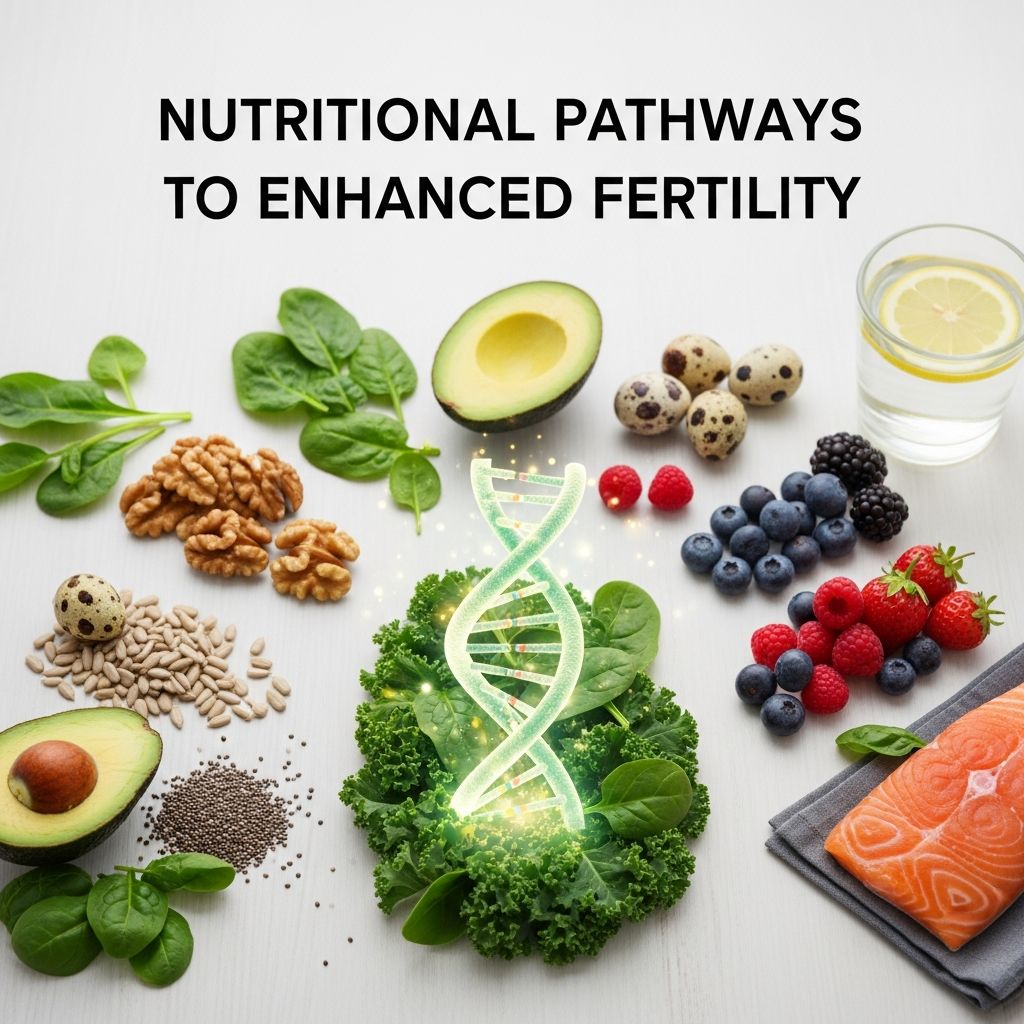
Understanding Dietary Influence on Reproductive Function
The relationship between what we eat and our ability to conceive represents one of the most accessible interventions for couples seeking to improve their fertility prospects. Growing scientific evidence demonstrates that specific dietary patterns can meaningfully influence reproductive outcomes for both men and women. Among various nutritional approaches, eating patterns centered on Mediterranean traditions have emerged as particularly promising for supporting conception and reproductive health.
The foundation of this dietary approach draws from the traditional eating patterns of communities bordering the Mediterranean Sea, where populations have historically demonstrated exceptional health outcomes across numerous metrics. This eating pattern emphasizes whole, unprocessed foods delivered in balanced proportions, creating an environment conducive to optimal hormonal function and reproductive capacity.
The Core Components of Mediterranean Eating Patterns
Mediterranean nutrition is fundamentally plant-forward in its architecture, though not exclusively vegetarian. The diet centers on several foundational food categories that work synergistically to support fertility:
- Abundant vegetables and fruits, with an emphasis on deeply colored varieties like berries, leafy greens, and cruciferous vegetables
- Whole grain products that provide sustained energy and stabilize blood glucose patterns
- Legumes including beans, lentils, chickpeas, and peas as primary protein sources
- Extra virgin olive oil as the predominant source of dietary fat
- Fish and seafood consumed regularly as lean protein sources rich in specific micronutrients
- Moderate consumption of eggs, yogurt, and cheese
- Limited quantities of poultry and minimal red meat intake
- Herbs and spices used extensively for flavoring rather than processed seasonings
This configuration creates a nutritional profile distinctly different from typical Western dietary patterns, which tend toward processed foods, refined carbohydrates, and excess saturated fat consumption. The Mediterranean approach prioritizes nutrient density over caloric intensity, meaning each serving delivers meaningful micronutrient contributions essential for reproductive function.
Mechanisms of Reproductive Enhancement
Reducing Oxidative Cellular Damage
One of the primary mechanisms through which Mediterranean eating patterns support fertility involves combating oxidative stress at the cellular level. Oxidative stress occurs when harmful molecules called reactive oxygen species accumulate faster than the body can neutralize them, potentially damaging reproductive cells and reducing conception likelihood. The Mediterranean diet’s high antioxidant profile—delivered through abundant fruits, vegetables, and olive oil—provides the micronutrients necessary to neutralize these harmful molecules before they compromise reproductive function.
The antioxidant compounds found in Mediterranean foods include vitamins C and E, selenium, and specialized plant compounds called flavonoids. These work together to protect the delicate structures within reproductive cells from oxidative damage, thereby supporting both egg and sperm quality. Research suggests that couples consuming diets high in these protective compounds achieve conception more readily than those with lower antioxidant intake.
Managing Systemic Inflammation
Chronic inflammation throughout the body creates a biological environment hostile to successful conception. The Mediterranean dietary pattern specifically targets inflammation reduction through its emphasis on anti-inflammatory foods. Fatty fish provide omega-3 fatty acids that actively reduce inflammatory signaling, while olive oil contains compounds that suppress inflammatory pathways. Leafy greens, berries, and other plant foods deliver polyphenols and flavonoids that further dampen inflammatory responses.
For both men and women, reducing chronic inflammation creates more favorable conditions for reproductive function. In women, excessive inflammation can interfere with ovulation patterns, endometrial development, and embryo implantation. In men, inflammation compromises sperm production and function. By systematically reducing inflammatory drivers through dietary choices, couples establish a more receptive biological environment for conception.
Hormonal Regulation and Balance
Successful conception requires precise orchestration of reproductive hormones across the menstrual cycle. The Mediterranean diet supports hormonal balance through multiple nutritional pathways. Folate and vitamin B6, abundantly present in leafy greens, legumes, and whole grains, facilitate the metabolic processes necessary for proper hormone synthesis and metabolism. These B vitamins help the body efficiently process and utilize reproductive hormones like estrogen and progesterone.
Additionally, the stable blood sugar regulation promoted by the diet’s emphasis on whole grains and legumes prevents the hormonal disruptions that occur with rapid glucose fluctuations. When blood sugar remains stable, insulin levels stay controlled, reducing the hormonal imbalances that can contribute to ovulatory dysfunction and reduced fertility.
Fertility Benefits for Women
Supporting Ovulation and Egg Quality
Women seeking conception benefit substantially from Mediterranean eating patterns through improvements in ovulation consistency and egg quality. The diet’s rich folate content—found in broccoli, asparagus, Brussels sprouts, and other cruciferous vegetables—supports the cellular processes necessary for proper egg development. Folate deficiency has been associated with ovulatory dysfunction and increased miscarriage risk, making adequate intake particularly important for women planning pregnancy.
The Mediterranean diet also delivers substantial quantities of iron from plant sources like legumes and leafy greens. Iron sufficiency supports the hormone production necessary for regular ovulation and prevents the anemia that can compromise reproductive function. Combined with the diet’s antioxidant richness, these nutritional contributions help produce eggs with enhanced developmental potential.
Menstrual Cycle Regulation
Irregular menstrual cycles often indicate underlying hormonal or metabolic dysfunction that can impair fertility. The Mediterranean dietary pattern addresses multiple factors contributing to cycle irregularity. The stable blood sugar promoted by whole grain consumption prevents the insulin fluctuations that disrupt reproductive hormones. The anti-inflammatory effects reduce the systemic conditions that interfere with ovulation timing. The nutrient density supplies the micronutrients necessary for consistent hormone production across the cycle.
Women who transition to Mediterranean eating patterns often report improved cycle regularity within several months, reflecting the diet’s ability to normalize the hormonal and metabolic conditions governing menstruation.
Enhanced Assisted Reproduction Outcomes
For women pursuing fertility treatment through assisted reproductive technologies, Mediterranean dietary adherence demonstrates striking benefits. Research indicates that women with greater adherence to Mediterranean patterns produce more viable embryos during ovarian stimulation cycles. This occurs through multiple mechanisms: improved egg quality reduces chromosomal abnormalities, supporting more normal embryo development; enhanced endometrial receptivity improves implantation success; and optimized hormonal conditions reduce the complications that can interrupt embryo development.
The diet’s ability to improve ovarian response to stimulation medications means women can achieve desired embryo quantities with potentially lower medication doses, reducing side effects and improving comfort during treatment cycles.
Reproductive Advantages for Men
Semen Quality and Sperm Function
Male fertility depends critically on semen parameters including sperm concentration, motility, and morphology. Mediterranean dietary patterns significantly improve these markers through specific nutrient contributions. Omega-3 fatty acids from fish support the cellular membranes comprising sperm structure, improving both the physical form and functional capacity of sperm cells. Zinc from legumes, nuts, and seeds plays a direct role in sperm production and testosterone synthesis.
The antioxidant richness of the Mediterranean diet particularly benefits sperm, which are especially vulnerable to oxidative damage due to their high metabolic activity. Studies demonstrate that men following Mediterranean eating patterns achieve higher sperm concentrations, greater total sperm counts, and improved sperm motility compared to men consuming typical Western dietary patterns.
Testosterone Support and Reproductive Hormones
Adequate testosterone production requires specific micronutrients present abundantly in Mediterranean foods. Vitamin D, synthesized through sun exposure but enhanced through consumption of egg yolks and fatty fish, supports testosterone synthesis and maintains reproductive hormone balance. Zinc, selenium, and other trace minerals present in nuts, seeds, and legumes directly contribute to testosterone production and maintenance.
By ensuring adequate micronutrient intake through diverse, nutrient-dense foods, the Mediterranean approach supports the hormonal foundation necessary for robust male reproductive function.
Specific Nutrient Contributions to Reproductive Health
| Nutrient | Primary Food Sources | Reproductive Function Support |
|---|---|---|
| Folate | Leafy greens, legumes, asparagus, broccoli | DNA synthesis, prevents embryonic defects, supports ovulation |
| Omega-3 Fatty Acids | Fatty fish, walnuts, flaxseeds | Supports sperm health, embryo development, reduces inflammation |
| Antioxidants (Vitamins C & E) | Berries, citrus fruits, nuts, olive oil | Protects reproductive cells from oxidative damage |
| Iron | Legumes, leafy greens, nuts | Supports hormone production, prevents ovulatory dysfunction |
| Zinc | Legumes, nuts, seeds, whole grains | Essential for sperm production and testosterone synthesis |
| Vitamin D | Fatty fish, egg yolks, sun exposure | Regulates calcium metabolism, supports reproductive hormones |
| Polyphenols | Olive oil, berries, dark leafy greens | Reduce inflammation, support blood flow to reproductive organs |
Practical Implementation for Conception Planning
Prioritized Foods for Maximum Benefit
To optimize fertility through Mediterranean eating, couples should emphasize particular foods with especially high concentrations of fertility-supporting nutrients:
- Dark leafy greens—spinach, kale, and Swiss chard provide exceptional folate, iron, and magnesium concentrations
- Berries—strawberries, raspberries, and blueberries deliver concentrated antioxidants in minimal calorie packages
- Fatty fish—salmon, sardines, and mackerel provide omega-3 fatty acids crucial for both egg and sperm quality
- Legumes—beans, lentils, and chickpeas offer plant-based protein with fiber for sustained satiety and blood sugar stability
- Extra virgin olive oil—provides anti-inflammatory compounds and fat-soluble vitamin absorption
- Nuts and seeds—almonds, walnuts, and pumpkin seeds deliver zinc, selenium, and additional antioxidants
- Whole grains—quinoa, farro, and brown rice provide sustained energy and B vitamin cofactors
Foods to Minimize
While emphasizing fertility-supporting foods, couples should simultaneously reduce consumption of dietary patterns that compromise reproductive function. Trans fats found in processed foods and refined carbohydrates cause inflammation and metabolic disruption that reduces fertility. Added sugars promote rapid blood glucose fluctuations that destabilize reproductive hormones. Excessive red meat consumption increases inflammatory markers. Processed foods typically lack the micronutrient density necessary for optimal reproductive function.
Timeline and Expectations
Couples implementing Mediterranean eating patterns should understand that reproductive benefits develop gradually as the body restores optimal nutritional status. Blood work improvements typically appear within 4-6 weeks of consistent adherence. Menstrual cycle improvements in women frequently become apparent within 2-3 months. Sperm quality improvements in men require approximately 3 months to manifest, reflecting the biological timeline of sperm production. For maximum benefit, couples should maintain consistent Mediterranean dietary adherence for at least 3-6 months before assessing reproductive outcomes.
Integration with Comprehensive Fertility Support
While Mediterranean eating patterns represent a powerful intervention for improving fertility, they work most effectively as part of comprehensive lifestyle approaches. Adequate sleep, stress management, appropriate physical activity, and maintenance of healthy body weight all contribute to fertility optimization. Additionally, couples should ensure appropriate preconception medical evaluation including screening for underlying reproductive conditions that require specific clinical intervention beyond dietary modification.
Frequently Asked Questions
How quickly will a Mediterranean diet improve my fertility?
While some metabolic improvements occur within 4-6 weeks, reproductive benefits typically manifest over 3-6 months as the body restores optimal nutritional status. Sperm quality requires approximately 3 months to improve due to the timeline of sperm production, while women may notice menstrual cycle improvements within 2-3 months.
Can the Mediterranean diet help with assisted reproductive technologies like IVF?
Yes, research demonstrates that women adhering to Mediterranean dietary patterns produce more viable embryos during IVF cycles. The diet improves egg quality, enhances ovarian response to stimulation medications, and optimizes endometrial conditions for embryo implantation.
Is the Mediterranean diet expensive to follow?
The Mediterranean diet can be followed at various price points. While some specialty items like premium olive oil carry higher costs, the diet’s emphasis on legumes, seasonal vegetables, and whole grains offers economical protein and nutrient sources compared to processed alternatives.
Do both men and women benefit equally from Mediterranean dietary changes?
While both benefit substantially, the mechanisms differ. Women primarily experience improved ovulation and egg quality, while men experience enhanced sperm production and function. Couples often achieve fastest conception when both partners adopt Mediterranean eating patterns simultaneously.
Can I follow a Mediterranean diet if I have food allergies or dietary restrictions?
Yes, the Mediterranean diet offers flexibility for various dietary needs. Individuals allergic to fish can obtain omega-3 fatty acids from walnuts, flaxseeds, and chia seeds. Those avoiding dairy can use olive oil and plant-based alternatives. The diet’s emphasis on diverse whole foods allows for significant personalization.
Are supplements necessary if I follow a Mediterranean diet for fertility?
A well-planned Mediterranean diet provides most necessary nutrients for fertility support. However, some individuals may benefit from folate supplementation, vitamin D in winter months, or other targeted supplements based on individual blood work assessment. Consultation with a fertility nutritionist can determine personalized supplementation needs.
References
- Mediterranean diet improves embryo yield in IVF — National Center for Biotechnology Information (NCBI). 2019. https://pmc.ncbi.nlm.nih.gov/articles/PMC6720942/
- The Role of the Mediterranean Diet in Assisted Reproduction — National Center for Biotechnology Information (NCBI). 2024. https://pmc.ncbi.nlm.nih.gov/articles/PMC11356935/
- A Mediterranean diet not only boosts health, but also improves fertility — University of South Australia Media Centre. 2022-12-13. https://www.unisa.edu.au/media-centre/Releases/2022/a-mediterranean-diet-not-only-boosts-health–but-also-improves-fertility/
- Mediterranean Diet for Fertility — RMA Network. https://rmanetwork.com/blog/mediterranean-diet-for-fertility/
- Increase Your Chances: Fertility Benefits of The Mediterranean Diet — Audubon Fertility. https://www.audubonfertility.com/post/benefits-of-the-mediterranean-diet
- How the Mediterranean Diet Supports Fertility — Pacific Reproductive Center. https://www.pacificreproductivecenter.com/benefits-of-the-mediterranean-diet-for-fertility/