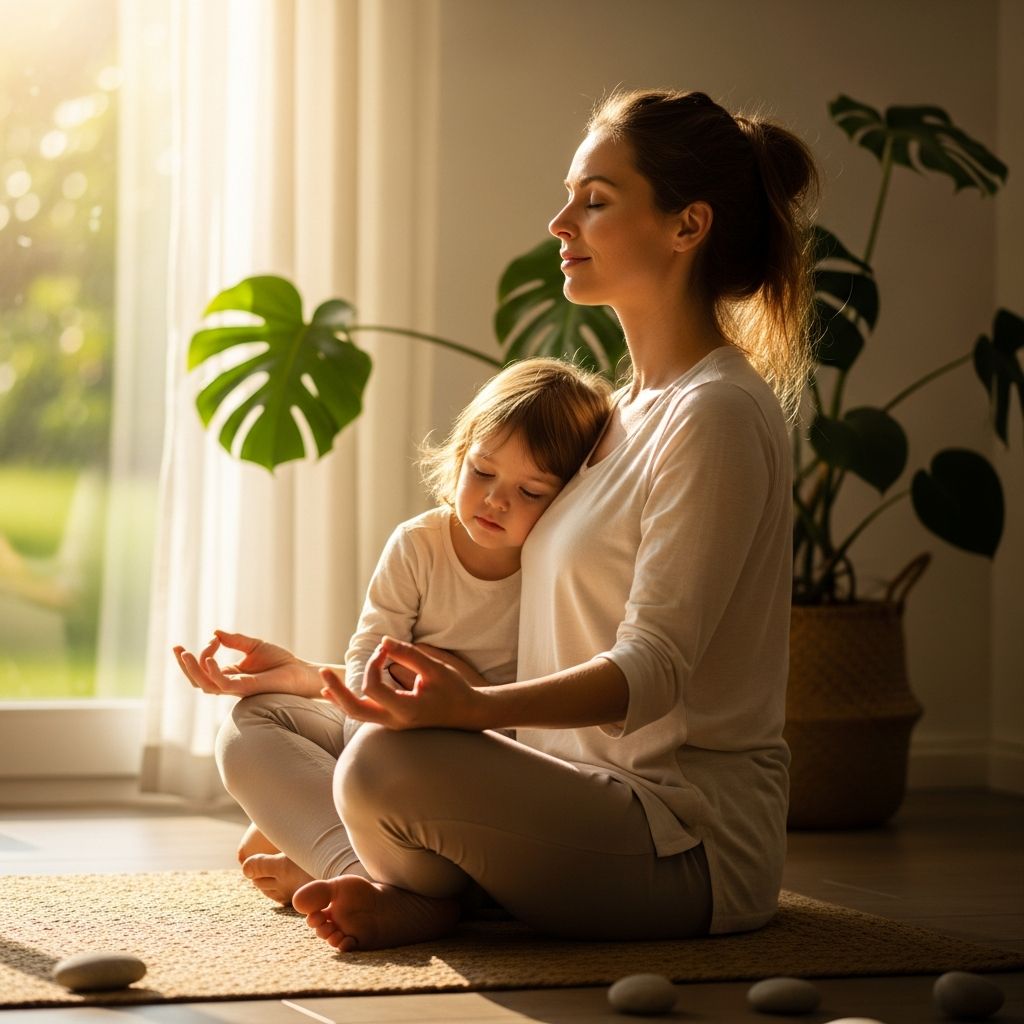
Mothers face an extraordinary array of challenges, from hormonal shifts during pregnancy to the relentless demands of newborn care and family life. Meditation emerges as a powerful, accessible tool to cultivate inner peace, sharpen mental acuity, and nurture emotional strength. By dedicating just minutes daily, mothers can transform overwhelming chaos into manageable harmony, benefiting themselves and their families profoundly.
Why Mothers Need Meditation More Than Ever
The transition into motherhood often amplifies stress, anxiety, and fatigue. Sleepless nights, endless responsibilities, and identity shifts can erode well-being. Meditation counters these by activating the body’s relaxation response, lowering cortisol levels—the primary stress hormone—and promoting neuroplasticity for lasting brain changes that enhance resilience.
Research underscores meditation’s efficacy: mindfulness practices during pregnancy significantly reduce anxiety, depression, and stress, with effects persisting postpartum. For busy moms, even brief sessions yield immediate relief, fostering a calmer mindset amid daily upheavals.
Immediate Relief: Conquering Daily Stressors
One of meditation’s quickest wins is stress reduction. New mothers juggling feedings, diapers, and household tasks often experience heightened cortisol, leading to irritability and exhaustion. Regular practice quiets the mind’s chatter, engaging the parasympathetic nervous system for instant calm.
- Breath Awareness Technique: Sit comfortably, inhale deeply for four counts, hold for four, exhale for four. Repeat for five minutes to dissolve tension.
- Body Scan: Mentally traverse from toes to head, releasing tightness in each area—ideal during nap times.
Harvard studies confirm meditation diminishes amygdala activity, the brain’s fear center, enabling composed responses to tantrums or crises. Mothers report feeling less reactive, creating peaceful home environments.
Building Emotional Fortitude
Motherhood tests emotional limits, from postpartum blues to toddler meltdowns. Meditation bolsters regulation, helping moms observe feelings without being swept away. This detachment cultivates patience and compassion, key for responsive parenting.
Science backs this: mindfulness strengthens prefrontal cortex functions for better impulse control and empathy. Moms practicing daily note reduced anxiety symptoms and heightened joy in mundane moments, like playtime.
| Emotional Challenge | Meditation Benefit | Supporting Evidence |
|---|---|---|
| Postpartum Anxiety | Regulates mood swings | Reduced depression via mindfulness trials |
| Reacting to Kids’ Demands | Increases patience | Lower amygdala response |
| Self-Doubt | Fosters self-compassion | Enhanced emotional resilience |
Sharpening Focus in a Multitasking World
Moms constantly switch between roles—caregiver, chef, planner—leading to mental fog. Meditation rebuilds attention span by training sustained awareness. Vedic styles, for instance, clear neural stress buildup, yielding clarity equivalent to hours of rest.
Daily 10-20 minute sessions improve decision-making and presence. Imagine tackling laundry lists without overwhelm or savoring bedtime stories fully engaged. Studies show gray matter increases in focus-related brain areas post-practice.
Restorative Sleep: A Game-Changer for Exhausted Moms
Sleep deprivation plagues motherhood, exacerbating health issues. Meditation rivals deep sleep’s restoration, lengthening cycles and combating insomnia. Twenty minutes equals 2-3 hours of rest, perfect for night wakings or afternoon slumps.
- Pregnant women gain better sleep quality, reducing in-utero stress.
- Postpartum, it eases breastfeeding and hormone recovery.
Techniques like guided visualizations before bed signal the body to unwind, promoting restorative slumber essential for physical healing and mood stability.
Deepening Bonds: Empathy and Connection
Meditation amplifies maternal intuition, heightening empathy toward children’s cues. Brain changes boost compassion centers, enabling attuned responses that strengthen attachments. Calm moms model emotional intelligence, teaching kids regulation through example.
During pregnancy, it enhances body awareness, tuning into fetal movements for proactive care. Families thrive when moms radiate presence, turning ordinary interactions into profound connections.
Meditation Through Motherhood’s Stages
Pregnancy: A Sanctuary for Body and Mind
Prenatal meditation lowers blood pressure, eases discomfort, and reframes labor fears. It quiets worries about delivery, fostering optimism. Low-risk and empowering, it’s recommended universally.
Postpartum Recovery: Reclaiming Strength
Hormonal crashes heighten vulnerability. Meditation mitigates PPD risks, regulates emotions, and builds resilience. Short sessions amid feedings restore energy without isolation.
Toddler Years: Navigating Chaos with Grace
As energy demands peak, meditation sustains vitality. Noisy environments suit effortless techniques like Vedic, done beside cribs. It curbs reactivity during sibling squabbles, promoting harmony.
Practical Integration: Fitting Meditation into Chaos
Time scarcity is no barrier—micro-practices work wonders.
- Morning Reset: 5 minutes post-wakeup, eyes closed, focusing on breath.
- Nap-Time Recharge: Lie down for guided audio while baby sleeps.
- Evening Wind-Down: Partnered family meditation, kids included for modeling.
- On-the-Go: Mindful walking with stroller, savoring sensations.
Apps offer kid-friendly variants, but consistency trumps perfection. Start small; benefits compound.
Long-Term Gains: A Resilient Maternal Legacy
Consistent practice yields enduring shifts: fortified nervous systems, adaptive mindsets, and self-aware identities. Mothers emerge patient, joyful anchors, passing wellness to generations. Neuroplasticity ensures brief daily investments rewire brains for lifelong calm.
Beyond personal gains, families benefit—less conflict, more unity. Pregnancy meditation even imprints calm on babies, reducing future stress.
Frequently Asked Questions
Can beginners start meditation during pregnancy?
Yes, simple breathwork suits novices, reducing anxiety with low risk.
How long until I notice benefits?
Stress relief hits immediately; sleep and focus improve in weeks.
Does it work with crying babies around?
Absolutely—effortless methods like Vedic ignore distractions.
Is meditation safe postpartum?
Highly; it combats depression without meds.
Can kids join meditation?
Short, fun sessions teach them calm, boosting family bonds.
Embracing Your Mindful Journey
Meditation isn’t indulgence—it’s essential motherhood armor. By prioritizing these pauses, you honor your vitality, modeling self-care. Start today; your calmer, stronger self awaits.
References
- Using Meditation for Motherhood Mental Health and Wellness — Motherhood Wellness Clinic. 2023. https://motherhoodwellnessclinic.com/using-meditation-for-motherhood-mental-health-and-wellness
- Why Vedic Meditation is Perfect for Mothers — Space to Flow. 2023. https://www.spacetoflow.com/journal/why-vedic-meditation-is-perfect-for-mothers
- 5 Life-Changing Benefits of Meditation for Moms — Erin Flavin Parent Coach. 2023. https://www.erinflavinparentcoach.com/blog/the-moms-guide-to-meditation-5-life-changing-benefits-you-need-today-
- Pregnancy Meditation Benefits & Techniques — Honest Company. 2020-01-14. https://www.honest.com/blog/pregnancy/pregnancy-meditation-benefits-and-techniques/202001142.html
- Meditation and Mindfulness in Pregnancy and Postpartum — PubMed (NCBI). 2021-06-24. https://pubmed.ncbi.nlm.nih.gov/34162788/
- 5 Ways Meditation Can Help During Pregnancy — Fetal Health Foundation. 2023. https://www.fetalhealthfoundation.org/blogs/5-ways-meditation-can-help-during-pregnancy/
- Meditation and Motherhood — The Wellbeing Collective. 2023. https://thewellbeingcollective.com/blog/meditation-and-motherhood