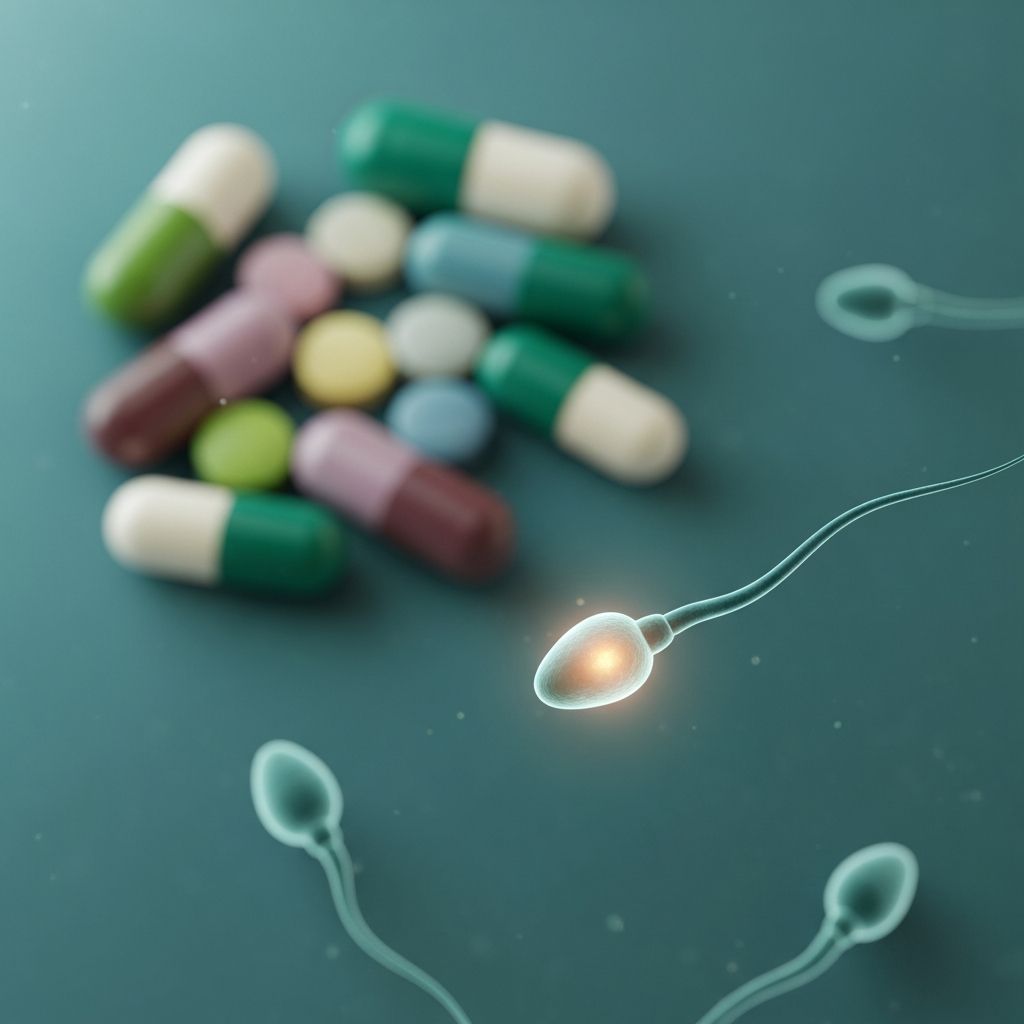
When couples begin their journey toward conception, much of the focus often centers on female fertility and reproductive health. However, a man’s ability to father a child depends significantly on the quality and quantity of his sperm, which can be influenced by numerous factors—including the medications he takes. While many men remain unaware of this connection, certain prescription drugs and over-the-counter medications can substantially impact sperm count, motility, and overall reproductive capacity. Understanding these potential effects allows couples to make informed decisions and work with healthcare providers to find solutions that support both health needs and fertility goals.
The Connection Between Medications and Male Reproductive Health
Male fertility depends on a complex interplay of hormonal signals, healthy sperm production, and proper sexual function. Medications that interfere with any of these systems can potentially affect a man’s ability to conceive. Research examining FDA-approved medications reveals that approximately 65 medications have documented effects on sperm production and maturation. These effects vary widely depending on the medication’s mechanism of action, dosage, duration of use, and individual factors such as age and baseline sperm health.
The good news is that in many cases, the impact of medications on fertility is reversible. When a man stops taking a medication that suppresses sperm production, his reproductive capacity often returns to normal within weeks or months. However, some medications—particularly chemotherapy agents and certain hormonal treatments—may cause more persistent effects. This distinction makes it crucial for men planning to conceive to discuss their current medications with their physicians well before attempting to achieve pregnancy.
Hormone-Based Treatments and Testosterone Replacement
Among all medication categories, hormonal treatments represent the most common culprits in fertility reduction. This might seem counterintuitive—many men assume that taking testosterone would boost fertility—but the reality works differently. When a man takes external testosterone or other male hormones, his body recognizes adequate hormone levels and reduces its natural production. This suppression extends to follicle-stimulating hormone (FSH) and luteinizing hormone (LH), both essential for sperm production.
Testosterone replacement therapy, prescribed to address low testosterone levels, paradoxically decreases sperm output despite improving sexual function and energy levels. The extent of this effect depends on the dose and form of testosterone administration. Men using testosterone patches or gels experience similar fertility impacts as those using injections. The fortunate aspect is that sperm production typically resumes after discontinuing testosterone therapy, though recovery may take several months.
Similarly, anabolic steroids used for muscle building or athletic performance have profound negative effects on male fertility. These synthetic hormones suppress the natural hormone cascade required for spermatogenesis, potentially causing azoospermia (complete absence of sperm) in severe cases.
Antidepressants and Mental Health Medications
Selective serotonin reuptake inhibitors (SSRIs) and tricyclic antidepressants represent another significant medication category affecting fertility. Medications including paroxetine, fluoxetine, sertraline, citalopram, and nortriptyline can reduce sperm count and motility while potentially causing sexual dysfunction such as delayed ejaculation or reduced libido.
The reversible nature of these effects offers some reassurance. Suppression of spermatogenesis caused by antidepressants is typically temporary and resolves once the medication is discontinued. However, men should never abruptly stop taking antidepressants without medical guidance, as doing so can trigger serious withdrawal symptoms or relapse of depression. Instead, those concerned about fertility should schedule a conversation with their prescribing psychiatrist or primary care physician to explore alternative medications that may have less impact on reproductive function. Several antidepressants and other psychiatric medications have minimal effects on fertility, making medication switches feasible for many patients.
Medications for Enlarged Prostate and Hair Loss
Men seeking treatment for benign prostatic hyperplasia (enlarged prostate) or male pattern baldness often encounter medications that affect fertility. The 5-alpha-reductase inhibitors, including finasteride (Propecia) and dutasteride (Avodart), work by reducing conversion of testosterone to dihydrotestosterone. While these medications effectively treat hair loss and prostate symptoms, they can decrease semen volume and reduce total sperm count, particularly when used for prostate conditions.
Alpha-blockers, another class of prostate medications, impact fertility through different mechanisms. Drugs such as tamsulosin and silodosin can cause dramatic reductions in ejaculate volume or inhibit ejaculation entirely, making conception difficult despite normal sperm production. Men taking these medications should discuss fertility concerns with their urologist, as alternative treatments may be available.
The fertility impacts of these medications are usually mild and reversible, meaning sperm production normalizes after discontinuation. However, the timeline for recovery varies among individuals.
Pain Medications and Opioid Therapy
Long-term opioid use, whether prescribed for chronic pain or used recreationally, disrupts the hormonal signals controlling testosterone production. Even at relatively low doses, opioids can decrease sperm motility—the ability of sperm to swim toward and penetrate an egg. Higher doses cause more severe effects, potentially resulting in erectile dysfunction, reduced libido, and substantially decreased sperm count.
The mechanism behind opioid-induced fertility reduction involves suppression of gonadotropin-releasing hormone (GnRH) and downstream hormones essential for spermatogenesis. Men requiring pain management should discuss with their physicians whether alternatives such as non-opioid pain relievers, physical therapy, or other interventions might be feasible. If opioid therapy is necessary, sperm banking before starting long-term treatment represents a practical option for men prioritizing future fertility.
Antibiotics and Anti-Inflammatory Drugs
Certain antibiotics, particularly when used long-term, can impair sperm development and reduce count or motility. Tetracyclines, gentamicin, nitrofurantoin, and erythromycin have documented effects on spermatogenesis. The good news is that these effects are typically reversible once antibiotic therapy concludes. For men requiring short-term antibiotics, fertility impact is minimal and temporary. However, those undergoing extended antibiotic treatment for conditions like chronic prostatitis should discuss this concern with their healthcare provider.
Ketoconazole, an antifungal antibiotic, represents a particular concern because it directly interferes with testosterone synthesis in addition to affecting sperm production. Anti-inflammatory medications, including corticosteroids, affect sperm motility and count in various ways. While some research shows these drugs reduce production of anti-sperm antibodies, they don’t consistently improve conception rates.
Cardiovascular and Blood Pressure Medications
Men managing high blood pressure or heart conditions encounter medication classes with potential fertility implications. Calcium channel blockers such as amlodipine and diltiazem may decrease sperm count and motility. Spironolactone, a potassium-sparing diuretic used for hypertension and fluid retention, reduces testosterone levels and suppresses sperm production. Men taking these medications who are concerned about fertility should consult their cardiologist about fertility-friendly alternatives.
Specialized Medications and Chronic Conditions
Men with specific health conditions may encounter medications with more specialized but significant fertility effects. Those with inflammatory bowel disease taking sulfasalazine should know this medication may interfere with sperm development and function, though mesalamine-based alternatives typically offer comparable symptom relief without fertility concerns.
Gout medications including colchicine and allopurinol have been associated with impaired sperm function and reduced fertilization capacity. Cyclosporine, an immunosuppressant prescribed after organ transplantation, can significantly affect sperm quality. Cimetidine, used for acid reflux and ulcers, has been linked to erectile dysfunction and abnormal sperm characteristics, though alternatives like famotidine generally pose less fertility risk.
Anti-epilepsy drugs represent another medication category that can reduce sperm count or motility. Men with seizure disorders requiring these medications should discuss this potential side effect with their neurologist to understand whether alternative seizure management strategies exist.
Chemotherapy and Cancer Treatments
Among all medications, chemotherapy agents represent the most serious threat to male fertility. These cytotoxic drugs kill rapidly dividing cells, including spermatogonial stem cells responsible for continuous sperm production. Busulfan is considered particularly sterilizing, often causing azoospermia that may be permanent. Other chemotherapy drugs cause temporary or modest reductions in sperm count because they affect only differentiating spermatogonia rather than stem cells.
Men facing cancer treatment should discuss fertility preservation options—particularly sperm banking—with their oncologist before beginning chemotherapy. Banking viable sperm before treatment ensures options for biological parenthood even if chemotherapy affects fertility.
Substance Use and Recreational Drugs
Beyond prescription medications, recreational substances affect fertility. Marijuana and THC have been shown to have detrimental impacts on male sperm, though more research continues to clarify mechanisms. Cocaine alters cell cycles and division, induces cell death, and modifies sperm motility. Men concerned about fertility should be aware that recreational drug use can significantly compromise reproductive capacity.
Having the Conversation with Your Healthcare Provider
The crucial first step for men concerned about medication effects on fertility is honest communication with their healthcare providers. Before attempting conception, men should:
- Review all current medications—prescription, over-the-counter, and supplements—with their physician
- Ask specifically whether each medication might affect fertility or sperm production
- Inquire about alternative medications with less fertility impact if applicable
- Discuss timing for medication changes relative to conception attempts
- Understand that stopping medications abruptly can be dangerous and requires medical oversight
- Consider sperm analysis before making medication changes to establish baseline fertility
Many physicians are unaware of medication effects on male fertility unless specifically prompted. By raising this issue, men actively participate in protecting their reproductive health while maintaining treatment for their underlying conditions.
Recovery Timeline and Fertility Management
When medications affecting fertility are discontinued, sperm production typically recovers over several weeks to months. The complete cycle of sperm production takes approximately 74 days, meaning meaningful changes in sperm parameters may not appear for 2-3 months after stopping an offending medication. This timeline is important for couples planning conception—they should wait at least 2-3 months after medication discontinuation before expecting improved fertility.
Men with ongoing medication needs can explore other options: consulting specialists for alternative medications, considering fertility treatments like medication-assisted sperm production, or pursuing sperm banking before starting medications known to affect fertility.
Frequently Asked Questions
Q: Are all medications that affect sperm permanently damaging?
A: No. Most medication effects on fertility are reversible. Once a man stops taking a medication that suppresses sperm production, his reproductive capacity typically returns to normal within weeks or months. Chemotherapy and some hormonal treatments may have longer-lasting effects, but even these don’t always cause permanent infertility.
Q: Should I stop my medication if I want to conceive?
A: Never stop medications without consulting your physician. Abruptly discontinuing many medications can be dangerous. Instead, discuss your fertility goals with your doctor, who can evaluate whether your specific medication impacts fertility and whether safe alternatives exist.
Q: How long after stopping a medication will sperm production improve?
A: Since sperm production takes approximately 74 days, meaningful improvements in sperm count and quality typically appear 2-3 months after discontinuing an offending medication. However, this timeline varies among individuals.
Q: Can sperm banking help if I need medications that affect fertility?
A: Yes. Men who require medications significantly affecting fertility can bank sperm before starting treatment, preserving options for biological parenthood through assisted reproduction even if the medication impacts natural sperm production.
Q: Do all men taking these medications experience fertility problems?
A: No. Individual responses vary based on dosage, duration of use, age, baseline fertility status, and other health factors. Some men experience noticeable effects while others don’t, which is why personalized medical consultation is important.
References
- Can a father’s medication affect fertility and pregnancy? — UT Southwestern Medical Center. 2024. https://utswmed.org/medblog/fathers-medication-pregnancy/
- FDA-approved medications that impair human spermatogenesis — National Institutes of Health, National Center for Biotechnology Information. 2017. https://pmc.ncbi.nlm.nih.gov/articles/PMC5354694/
- Medications and Supplements That Can Negatively Affect Sperm — Fertility Answers. 2024. https://www.fertilityanswers.com/medications-and-supplements-that-can-negatively-affect-sperm/
- Medications that can impact male fertility: what you need to know — Bastion. 2024. https://www.getbastion.com/health-insights/medications-linked-to-male-infertility
- Can Drugs Lower Sperm Count? — Cleveland Clinic Health Essentials. 2024. https://health.clevelandclinic.org/can-drugs-lower-sperm-count