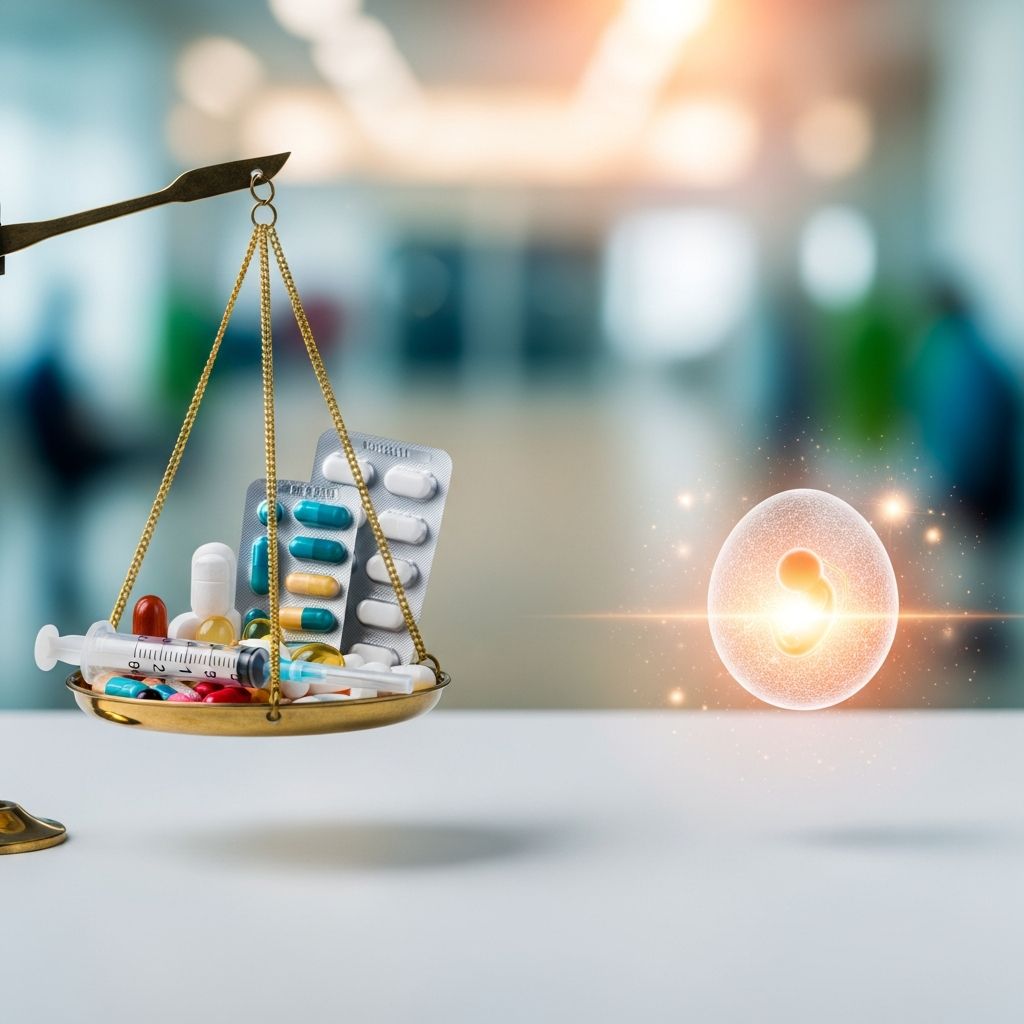
Many individuals and couples embarking on the journey to parenthood overlook a critical factor: the medications they take daily. Whether prescription drugs for chronic conditions, over-the-counter pain relievers, or recreational substances, these can subtly or dramatically alter reproductive capabilities. Understanding these influences empowers proactive steps toward optimizing fertility.
Understanding the Link Between Drugs and Reproductive Health
Fertility involves complex hormonal balances, ovulation in women, sperm production and motility in men, and implantation processes. Medications can disrupt these by interfering with hormone production, ovarian function, or sperm quality. For women, effects often target ovulation or menstrual cycles; for men, they impact spermatogenesis, which takes about 74 days. Both partners should review their regimens preconception.
Research highlights that while some effects are temporary—resolving after discontinuation—others, like those from chemotherapy, may be long-lasting. Always consult healthcare providers before changes, as abrupt stops can harm underlying conditions.
Common Prescription Medications Affecting Women’s Fertility
Several everyday prescriptions pose risks to female reproductive health. Nonsteroidal anti-inflammatory drugs (NSAIDs), like prescription-strength ibuprofen, may disrupt ovulation by affecting prostaglandins, potentially delaying egg transport in fallopian tubes. Though over-the-counter versions show less impact, those trying to conceive should discuss alternatives.
Psychiatric drugs, including antipsychotics like risperidone, can elevate prolactin levels, suppressing ovulation. Antidepressants, particularly SSRIs, may also alter hormonal regulation. Spironolactone, used for acne or hypertension, disrupts menstrual cycles, with fertility often returning within two months of stopping.
Thyroid medications, if improperly dosed, can lead to underactive thyroids affecting prolactin and ovulation. Corticosteroids might prevent necessary hormone releases for ovulation.
Key Risks for Women
- NSAIDs: Potential ovulation disruption
- Antipsychotics/SSRIs: Hormonal interference, elevated prolactin
- Spironolactone: Menstrual irregularities, temporary infertility
- Antiepileptics: Ovulation impacts
Prescription Drugs and Male Fertility Challenges
Men’s fertility is equally vulnerable. Cytotoxic drugs in chemotherapy or for autoimmune diseases like lupus can cause permanent sperm damage, prompting recommendations for sperm banking preconception. 5-Alpha-reductase inhibitors (e.g., finasteride for hair loss) reduce sperm count; alpha blockers impair ejaculation.
Antidepressants like SSRIs cause sexual dysfunction or ejaculation issues. Anabolic steroids drastically lower sperm production. Opioids affect over half of users’ sperm viability. Antiretrovirals and anti-epilepsy drugs also pose risks.
| Medication Type | Effect on Male Fertility | Examples |
|---|---|---|
| Cytotoxic/Chemotherapy | Low count, DNA damage | Methotrexate, Cyclosporine |
| SSRIs/Antidepressants | Sexual dysfunction | Sertraline, Fluoxetine |
| Alpha Blockers | Ejaculation issues | Tamsulosin |
| Anabolic Steroids | Blocked sperm production | Testosterone supplements |
Recreational Substances: Hidden Fertility Threats
Beyond prescriptions, lifestyle choices matter. Tobacco smoking reduces ovarian reserve and hormone levels in women, while decreasing sperm production in men. Cannabis disrupts menstrual cycles, ovulation in women, and sperm motility in men.
Stimulants like cocaine and meth cause miscarriages, hormonal chaos, and reduced sperm. Opioids halt ovulation in women and impair sperm in men. Alcohol exacerbates these when combined.
Comparative Impact Table
| Substance | Female Effect | Male Effect |
|---|---|---|
| Tobacco | Decreased ovarian reserve | Low sperm count |
| Cannabis | Ovulation delay | Reduced motility |
| Opioids | Halts ovulation | Deficient sperm |
| Cocaine/Meth | Miscarriage risk | Hormonal disruption |
Supplements and Herbal Remedies: Proceed with Caution
Herbal supplements marketed for fertility can backfire. Chasteberry, vitex, and black cohosh risk ovarian hyperstimulation. Ashwagandha interacts with thyroid meds; diosgenin alters progesterone in treatments. Avoid CBD, red raspberry leaf during conception attempts.
Weight loss drugs like GLP-1 agonists (e.g., semaglutide) may unexpectedly boost fertility via weight reduction but require monitoring to avoid complications.
Navigating Fertility Treatments Amid Medications
Fertility drugs like clomiphene or letrozole stimulate ovulation, often with hCG triggers for IVF. However, underlying meds must be managed. Immunosuppressants like methotrexate warn of infertility risks.
Couples should plan: review all substances 3+ months preconception, especially for men due to sperm cycle.
Strategies for Protecting Fertility While Managing Health
- Consult Specialists: Discuss with OB-GYN, urologist, or reproductive endocrinologist.
- Fertility Preservation: Bank sperm/eggs before high-risk treatments.
- Lifestyle Audit: Quit smoking, limit alcohol, avoid illicit drugs.
- Monitor Cycles: Track ovulation; adjust meds timely.
- Balanced Alternatives: Explore non-drug options for pain, mental health.
Thyroid optimization improves outcomes; proper dosing is key.
Frequently Asked Questions (FAQs)
Can NSAIDs really prevent pregnancy?
Prescription NSAIDs may disrupt ovulation temporarily; OTC less so. Consult your doctor before conceiving.
Do antidepressants cause permanent infertility?
No, effects like prolactin elevation or sexual issues often reverse post-discontinuation.
How long after stopping spironolactone can I conceive?
Cycles normalize in about 2 months.
Should men stop steroids before trying for a baby?
Yes, steroids block sperm production; allow 74+ days recovery.
Is cannabis safe for fertility?
No, it impairs ovulation and sperm in both sexes.
What about chemotherapy?
Preserve fertility beforehand; effects may be permanent.
Can supplements help or hurt fertility?
Some like vitex risk complications; stick to doctor-recommended.
This comprehensive guide underscores the need for informed decisions. By addressing medications proactively, couples enhance conception chances while prioritizing health.
References
- Which drugs can affect fertility in females? — Medical News Today. 2023-10-12. https://www.medicalnewstoday.com/articles/drugs-that-cause-infertility-in-females
- 12 Medications & Supplements that May Affect Fertility — Future Family Blog. 2024-05-15. https://blog.futurefamily.com/12-medications-supplements-that-may-affect-fertility/
- Can a father’s medication affect fertility and pregnancy? — UT Southwestern Medical Center. 2023-08-22. https://utswmed.org/medblog/fathers-medication-pregnancy/
- Illicit Drugs and Women’s Fertility — The Recovery Village. 2024-02-10. https://www.therecoveryvillage.com/drug-addiction/affects-fertility/
- Weight loss drugs may be affecting fertility — Michigan Medicine. 2024-11-05. https://www.michiganmedicine.org/health-lab/weight-loss-drugs-may-be-affecting-fertility-not-way-you-may-think
- The effects of immunosuppressive and anti-inflammatory medications — PubMed (Fertil Steril). 2000-03-01. https://pubmed.ncbi.nlm.nih.gov/10724046/
- Can Medications And Vitamins Cause Infertility? — Fertile Web. 2023-07-18. https://fertileweb.com/which-medications-cause-infertility/