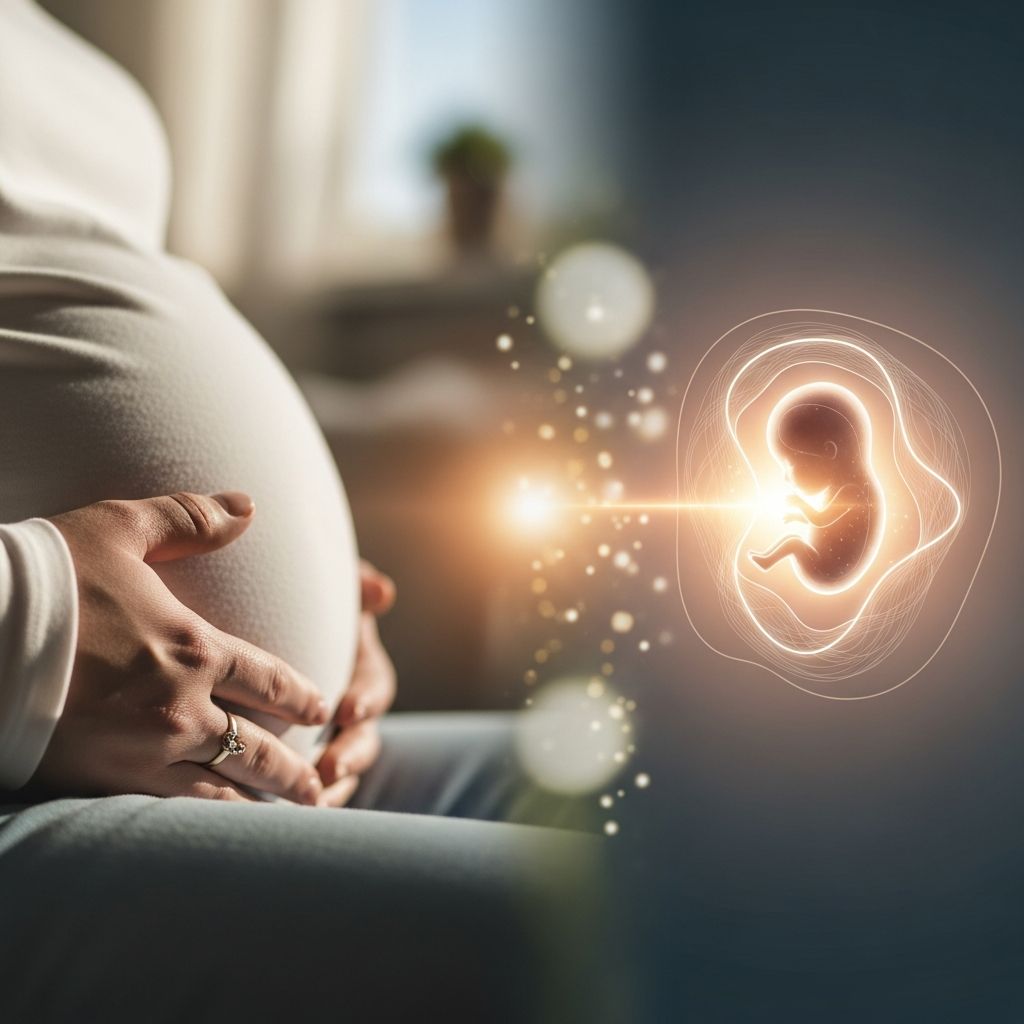
By week 5 of pregnancy, a lot is happening that you cannot see, but these changes lay the groundwork for your baby’s brain, spinal cord, and heart. This is also the time when many people realize they are pregnant and start noticing symptoms as pregnancy hormones rise.
How Far Along Is Week 5?
When your provider says you are 5 weeks pregnant, that usually means it’s been about five weeks since the first day of your last menstrual period. Conception typically occurred about two to three weeks ago, but pregnancy is dated from your last period, not the day you conceived.
At this stage:
- You are in the first trimester.
- The developing baby is called an embryo, not yet a fetus.
- The embryo is only a few millimeters long, smaller than many seeds you see in your kitchen.
Your Baby’s Development at Week 5
Although the embryo is tiny, week 5 is a major construction phase. Several key structures that will shape your baby’s future growth are taking form.
Key Structures Forming Now
- Neural tube: A tube-like structure is forming that will become your baby’s brain, spinal cord, and backbone.
- Early heart: Specialized cells are clustering and beginning to form a simple heart tube that will soon start to pulse.
- Circulation: Primitive blood vessels are developing and early blood flow begins around this time.
- Placenta and chorionic villi: The placenta and its tiny finger-like projections help transfer oxygen and nutrients from you to your baby.
- Arm and leg buds (very early): Buds that will develop into arms and legs begin to appear by about week 5–6.
| Feature | What It Is | Why It Matters at Week 5 |
|---|---|---|
| Neural tube | Primitive structure that will become the brain and spinal cord | Foundation of the nervous system; problems in closure can cause neural tube defects. |
| Heart tube | Early cluster of heart cells that will later form chambers | Begins to pulse around 5–6 weeks, starting circulation for the embryo. |
| Placenta | Organ that connects your blood supply to the embryo | Supplies oxygen and nutrients and removes waste throughout pregnancy. |
| Chorionic villi | Tiny projections from the placenta into the uterine lining | Increase surface area for nutrient and gas exchange between you and your baby. |
What’s Happening in Your Body
Even if you cannot see changes on the outside yet, your hormones and reproductive organs are adapting quickly to the pregnancy.
Rising Hormones
At week 5, levels of several hormones increase significantly:
- Human chorionic gonadotropin (hCG): Produced by the placenta, this hormone tells the ovaries to stop releasing eggs and to keep producing progesterone and estrogen.
- Progesterone: Helps maintain the uterine lining and supports early pregnancy, but can also contribute to fatigue and constipation.
- Estrogen: Supports blood flow to the uterus and helps the placenta grow.
These hormonal changes cause many of the early pregnancy symptoms people notice around week 5.
Common Symptoms at Week 5
- Missed period: For many, this is the first sign that leads to a pregnancy test.
- Breast changes: Breasts may feel fuller, sore, or more sensitive as hormone levels rise.
- Fatigue: Your body is using energy to support the embryo and adjust to changing hormones, leaving you unusually tired.
- Nausea or vomiting: Often called “morning sickness,” but it can happen any time of day. It tends to begin around weeks 5–6 in many pregnancies.
- More frequent urination: Increased blood volume and pregnancy hormones can make you need to pee more often.
- Mood changes: Hormone shifts and stress may cause emotional ups and downs.
- Mild cramping or pulling sensations: Can be due to the uterus growing and stretching. Severe pain or heavy bleeding, however, should be evaluated by a health professional.
Week 5 and the Importance of Folic Acid
Because the neural tube is forming and closing in the first weeks of pregnancy, getting enough folic acid (a B vitamin) at this time is especially important.
Health authorities such as the March of Dimes and many national health agencies recommend:
- A daily supplement with at least 400 micrograms (mcg) of folic acid for people who may become pregnant, starting before conception and continuing through early pregnancy.
- Sometimes higher doses are advised if there is a previous pregnancy affected by a neural tube defect or other specific risk factors (this should be guided by a clinician).
Adequate folic acid intake before and during very early pregnancy helps lower the risk of neural tube defects, such as spina bifida, which arise when the neural tube does not close properly.
Early Prenatal Care: Getting Started
If you have not already done so, week 5 is an ideal time to connect with a prenatal care provider. Early prenatal care is associated with better health outcomes for both pregnant people and babies.
What to Expect at the First Prenatal Visit
Your first appointment may be scheduled anytime in the first trimester. It often includes:
- Review of your medical history, medications, previous pregnancies, and family health conditions.
- Discussion of symptoms and any concerns you already have.
- Physical exam, including blood pressure and weight.
- Blood tests to check your blood type, anemia, certain infections, and other markers as recommended by guidelines.
- Possibly a urine test to confirm pregnancy and screen for infection.
- Information on prenatal vitamins, lifestyle recommendations, and what to expect in the coming months.
An early ultrasound is sometimes done in the first trimester to confirm the pregnancy location and estimate gestational age, but practices vary.
Healthy Habits to Focus on This Week
Your habits at week 5 can support development that is happening right now and set the stage for the rest of pregnancy.
Nutrition Basics
- Take a prenatal vitamin with folic acid each day, or as recommended by your provider.
- Aim for a balanced pattern of eating that includes:
- Fruits and vegetables of different colors
- Whole grains
- Protein sources such as beans, lentils, eggs, fish low in mercury, poultry, or lean meats
- Calcium-rich foods like dairy products or fortified alternatives
- Drink enough water to stay well hydrated, especially if you are vomiting.
Substances to Avoid or Limit
- Alcohol: No safe amount of alcohol use during pregnancy has been established.
- Smoking and nicotine products: Linked to complications such as low birthweight and preterm birth.
- Recreational drugs: Many substances can affect fetal development and should be discussed honestly with a health professional.
- Certain medications and herbal products: Always check with your provider before starting or stopping medicines.
Physical Activity and Rest
- For many healthy people, continuing moderate physical activity such as walking is encouraged in pregnancy, unless a provider advises otherwise.
- Fatigue is common in the first trimester, so prioritize rest and sleep when you can.
- Listen to your body and slow down if you feel dizzy, short of breath, or unwell.
Emotional Health and Relationships
Week 5 can bring a mix of emotions — excitement, anxiety, disbelief, or all of the above. Hormonal changes and the meaning of pregnancy in your life can both influence your mood.
- Share your feelings with a trusted partner, friend, or family member.
- Consider writing down questions for your prenatal visits so you feel more prepared.
- If you notice persistent sadness, hopelessness, or anxiety that interferes with your daily life, reach out to a health professional; mental health support is an important part of prenatal care.
When to Call a Health Professional Right Away
Many symptoms at week 5 are normal, but certain signs should be checked urgently.
- Heavy vaginal bleeding (soaking a pad as you would in a heavy period or more).
- Severe abdominal or one-sided pelvic pain that does not improve.
- Fainting or feeling like you are going to pass out.
- Fever or chills that may suggest infection.
- Strong or sudden shoulder pain combined with abdominal pain or dizziness.
These can be signs of complications such as miscarriage or ectopic pregnancy, which require prompt medical attention. If you are unsure whether something is an emergency, contacting a nurse line or clinic can help you decide your next steps.
Looking Ahead: What Comes After Week 5?
The weeks that follow are a period of rapid growth and organ development.
- By week 6, the embryo’s heart activity is stronger and more regular, limb buds continue to grow, and facial features begin forming.
- By about week 8, most major organs and body systems have started to take shape.
As development continues, your prenatal visits will help track growth, discuss screening options, and answer questions as they arise.
Frequently Asked Questions About Week 5 of Pregnancy
Is it normal to have no symptoms at 5 weeks pregnant?
Yes. Some people feel many changes, while others have very few noticeable symptoms at week 5. The presence or absence of symptoms is not by itself a reliable sign of how the pregnancy is progressing. If you are concerned, a health professional can recommend appropriate testing.
Can an ultrasound show the baby at week 5?
At week 5, an early ultrasound may show a gestational sac in the uterus and sometimes a yolk sac, but a clearly visible embryo and heartbeat are more often seen a bit later, around weeks 6–7. Timing varies, and your provider will decide when an ultrasound is most useful based on your situation.
What if I accidentally drank alcohol before I knew I was pregnant?
Many people drink alcohol before they realize they are pregnant. Once you know you are pregnant or trying to conceive, health organizations recommend avoiding alcohol completely to reduce risks to the baby. Talk with your provider about your specific exposure and any questions you have.
How much weight should I gain at 5 weeks?
Most people gain very little weight in the first few weeks of pregnancy; some even lose a small amount if they have nausea and vomiting. Your overall recommended weight gain will depend on your pre-pregnancy body mass index and other health factors, which you can discuss with your provider during prenatal visits.
Is light spotting always a problem?
Light spotting can sometimes occur in early pregnancy and may not signal a serious problem, but there is no way to know for sure without medical assessment. Any bleeding during pregnancy should be mentioned to your clinician, and heavier bleeding or pain should be evaluated urgently.
References
- Pregnancy Calendar: Week 5 — Nemours KidsHealth. 2022-10-06. https://kidshealth.org/en/parents/week5.html
- Pregnancy at week 5 — Pregnancy, Birth and Baby (Australian Government). 2022-01-20. https://www.pregnancybirthbaby.org.au/pregnancy-at-week-5
- Pregnancy Week by Week — March of Dimes. 2023-06-15. https://www.marchofdimes.org/pregnancy-week-week
- Fetal development: The first trimester — Mayo Clinic. 2023-07-29. https://www.mayoclinic.org/healthy-lifestyle/pregnancy-week-by-week/in-depth/prenatal-care/art-20045302
- Fetal Development: Stages of Growth — Cleveland Clinic. 2023-08-01. https://my.clevelandclinic.org/health/articles/7247-fetal-development-stages-of-growth
- Your Pregnancy: 5 to 8 Weeks — Kaiser Permanente. 2022-09-10. https://healthy.kaiserpermanente.org/health-wellness/maternity/first-trimester/weeks-5-8
- Weeks 5 & 6 of Pregnancy: Key Developments in Early Growth — Amnion Pregnancy Center. 2021-11-02. https://amnionpregnancycenter.com/weeks-5-6-of-pregnancy-key-developments-in-early-growth/