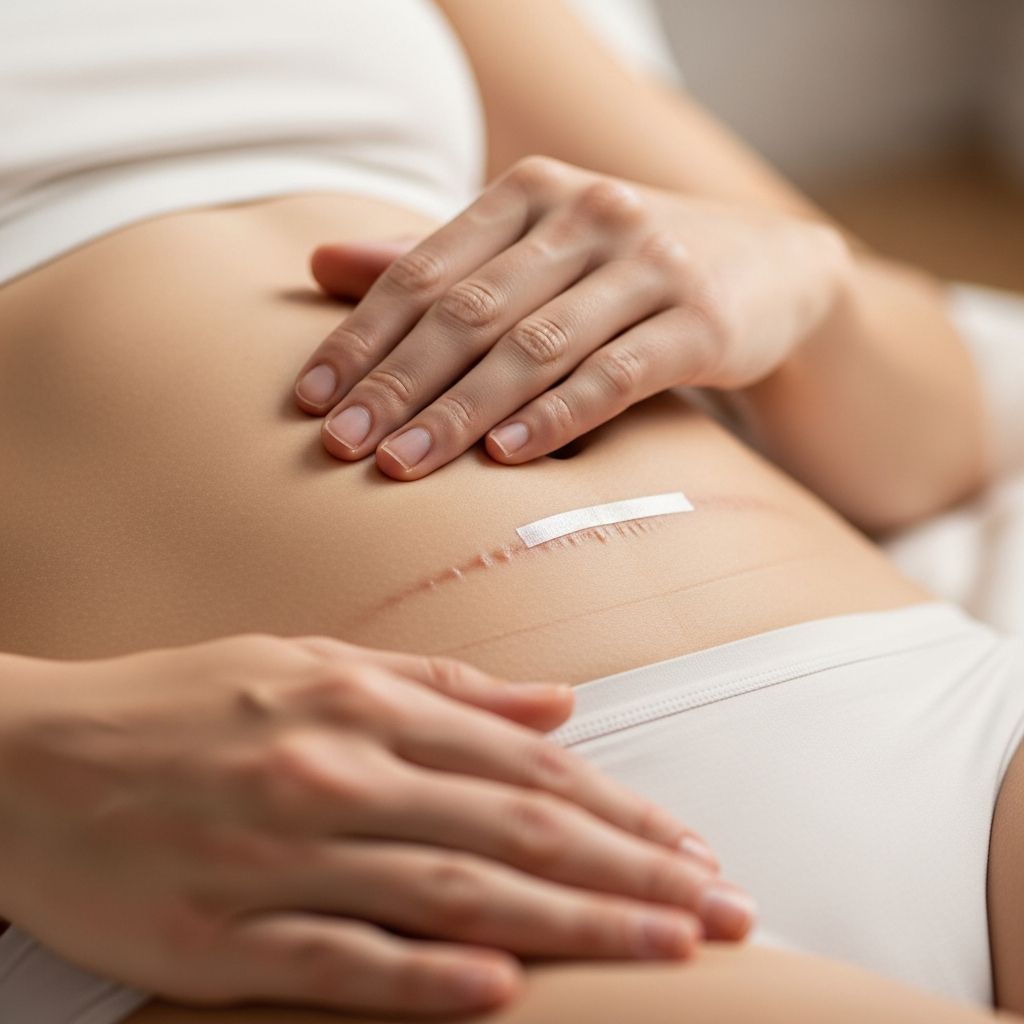
Bringing a baby into the world by cesarean section can be life-saving and medically necessary, but it can also leave a deep emotional imprint that many people never talk about. While postpartum depression (PPD) can happen after any birth, parents who deliver by C-section often face a unique mix of physical pain, emotional shock, and expectations that can make recovery much harder to navigate.
This article offers a compassionate, evidence-informed look at why postpartum depression can feel different after a C-section, how to recognize what is normal and what is not, and what you can do to heal your mind and body together.
Why C-Section Birth Can Feel Emotionally Different
A C-section is major abdominal surgery layered on top of one of the most intense life transitions you will ever experience. That combination can alter how you process the birth and the early weeks of parenting, sometimes raising the risk of postpartum mood struggles.
Some people feel grateful and relieved after their C-section; others feel numb, disconnected, or deeply disappointed. Both reactions, and everything in between, are valid. The emotional story of a surgical birth is shaped by context, expectations, and what happens in the hours and days that follow.
Common Emotional Triggers After a C-Section
Although every birth and recovery is unique, several common themes show up in the stories of parents who struggle with their emotions after a C-section. Recognizing these can help you understand your own reactions and reduce the shame that often keeps people silent.
- Loss of the birth you imagined. If you envisioned a vaginal or unmedicated birth, waking up to surgical lights and monitors can feel like a jarring detour from the story you had written in your head.
- Emergency or unplanned surgery. A rushed trip to the operating room, fears for your baby’s safety, or a sense that decisions were made too quickly can leave behind feelings of helplessness or trauma.
- Limited early contact with your baby. Delays in skin-to-skin contact, breastfeeding, or simple cuddling can fuel anxiety and self-doubt about bonding and attachment.
- Intense physical recovery. Pain, restricted movement, and fatigue can make it harder to care for yourself, your baby, and your basic needs, which may amplify feelings of failure or hopelessness.
- Comments from others. Offhand remarks like “At least the baby is healthy” or “You took the easy way out” can invalidate your experience and deepen emotional wounds.
Baby Blues vs. Postpartum Depression: Knowing the Difference
Many new parents experience a wave of moodiness in the first days after birth often called the “baby blues.” This is driven largely by dramatic hormonal changes and sleep disruption and usually eases within about two weeks.
| Feature | Baby Blues | Postpartum Depression |
|---|---|---|
| Onset | Within a few days after birth | Within weeks or months after birth (sometimes later) |
| Duration | Typically resolves within 2 weeks | Lasts longer than 2 weeks and may worsen without help |
| Intensity | Mild sadness, tearfulness, mood swings | Persistent sadness, despair, or anxiety that interferes with daily life |
| Functioning | You can still care for yourself and your baby, even if you feel fragile | Basic tasks may feel impossible; you may feel disconnected from your baby |
| Support Needs | Reassurance, rest, and practical help often suffice | Professional support, therapy, and sometimes medication |
If intense sadness, numbness, or anxiety linger longer than two weeks or seem to be getting worse, this may be more than hormonal adjustment and is worth taking seriously.
Signs of Postpartum Depression After a C-Section
The emotional signs of PPD after a C-section overlap with those seen after any kind of birth, but the physical realities of surgery can color how they show up day to day. Take note of what you are feeling, not just what you think you “should” be feeling.
- Persistent sadness, emptiness, or frequent crying spells that do not seem to match what is happening around you.
- Deep guilt or shame about the birth, your body, or your perceived ability to parent.
- Feeling detached from your baby or going through the motions without a sense of connection.
- Intense irritability or anger, sometimes directed at your partner, medical staff, or even yourself.
- Racing thoughts, constant worry about your baby’s health, or fear of being alone with the baby.
- Difficulty sleeping even when your baby is resting, or sleeping much more than usual to escape your thoughts.
- Loss of interest in activities or relationships you used to enjoy.
- Thoughts that your family would be better off without you, or intrusive images of harm coming to you or your baby.
These symptoms can be frightening, but they are treatable. Having them does not mean you are weak or that you do not love your child; it means your brain and body need support in recovering from a major event.
How Surgical Recovery Interacts With Mood
Healing from a C-section shapes your mental health in ways that are easy to underestimate. Physical recovery can limit your usual coping skills and magnify existing or emerging depression and anxiety.
- Pain and mobility limitations. Simple tasks like standing, showering, or lifting your baby can be painful at first, triggering frustration, helplessness, or self-criticism.
- Dependence on others. Relying heavily on a partner, family member, or nurse can feel vulnerable, especially if you are used to being independent or in control.
- Interrupted sleep. Newborn schedules are demanding, and pain or discomfort may disrupt the little sleep you manage to get, which can worsen mood symptoms.
- Body image changes. Scars, swelling, and a slower physical recovery can affect how you see yourself, feeding into shame or grief about your body.
When you combine sleep deprivation, surgical pain, and the emotional weight of caring for a newborn, it becomes clear why many C-section parents feel emotionally overwhelmed.
Risk Factors That May Increase Vulnerability
Not everyone who has a C-section will experience postpartum depression, and people who deliver vaginally can also develop PPD. Still, certain factors can increase the likelihood that mood problems will emerge or intensify after surgical birth.
- Past history of depression, anxiety, or another mental health condition.
- Previous traumatic birth or pregnancy loss.
- Unplanned or emergency C-section, especially with moments when you feared for your baby’s or your own safety.
- Lack of emotional or practical support at home.
- Complications in your baby’s health, such as NICU admission.
- Chronic stressors like financial strain, housing insecurity, or relationship conflict.
Knowing your risk factors is not about predicting doom; it is about giving yourself permission to prepare, plan extra support, and ask for help early if you start to struggle.
Talking About the Birth: Rewriting the Story
Postpartum depression after a C-section often grows in the silence between what happened and what you feel you are allowed to say out loud. Many parents feel pressured to focus solely on the baby and to downplay their own experience because “everything worked out.”
Giving yourself space to process the birth can be a powerful step in healing. This might mean talking through the events with your partner, a close friend, a therapist, or a trusted healthcare provider who can fill in gaps and answer questions about what happened and why.
- Ask for a follow-up appointment specifically to discuss the birth and your feelings about it.
- Write a birth narrative in your own words, including parts that feel messy or contradictory.
- Notice any beliefs that feel harsh, such as “My body failed” or “I didn’t really give birth,” and gently challenge them with more compassionate, reality-based perspectives.
Shifting the story from one of failure to one of endurance and care does not erase the hard parts, but it can soften their grip on your sense of self.
Practical Coping Strategies in the Early Weeks
Alongside professional support, small daily actions can help reduce the intensity of postpartum depression and create more emotional breathing room as you recover. These strategies are not quick fixes, but they can form a scaffolding of care around you as you heal.
Focus on Gentle, Realistic Goals
- Lower your standards for what a “productive” day looks like; feeding and comforting your baby and taking basic care of yourself are enough.
- Break tasks into tiny steps, such as “sit up,” “swing legs over bed,” “stand,” rather than expecting yourself to move as you did before surgery.
- Use timers or phone reminders for meals, pain medication, and short rest periods to avoid pushing your body beyond its limits.
Recruit and Accept Support
- Make a simple list of tasks others can do: laundry, dishes, meal prep, holding the baby while you shower, managing visitors.
- Designate a partner or trusted friend as a “gatekeeper” to coordinate help and set boundaries so you do not have to manage everything yourself.
- Consider joining an online or local support group for C-section parents or those experiencing postpartum mood disorders.
Care for Your Body to Support Your Mind
- Take pain relief as prescribed; untreated pain can increase stress and make depressive symptoms worse.
- Ask your healthcare provider which gentle movements or breathing exercises are safe in the first weeks to support circulation and relaxation.
- Keep easy snacks and water near your favorite sitting or feeding spot to reduce the effort of basic nourishment.
When and How to Seek Professional Help
Postpartum depression is a medical condition, not a personal failure. Reaching out for help early can shorten its course and protect both your health and your baby’s wellbeing. If your symptoms are intense, persistent, or involve thoughts of self-harm or harming your baby, prompt professional care is crucial.
Start by speaking with one of the professionals already involved in your care, such as your obstetric provider, midwife, or primary care clinician. You can also seek out a therapist with experience in perinatal mental health or ask for referrals to specialized services in your area.
Treatment Options You Might Be Offered
- Therapy. Approaches such as cognitive-behavioral therapy (CBT), interpersonal therapy, or trauma-focused therapy can help you process the birth, challenge unhelpful thoughts, and build coping skills.
- Medication. Antidepressants are sometimes recommended, especially if symptoms are moderate to severe. Your prescriber can discuss options that are compatible with breastfeeding if that is part of your plan.
- Support programs. Some hospitals, community organizations, or mental health services offer postpartum support groups, home-visiting programs, or peer mentoring for new parents.
The right treatment plan will depend on your history, current symptoms, physical recovery, and personal preferences. It is always acceptable to ask questions, request explanations, and be an active partner in decisions about your care.
The Role of Partners, Family, and Friends
If you love someone who has just had a C-section, your understanding and support can make a profound difference in their recovery. Many new parents hide how much they are struggling because they do not want to burden others or fear being judged.
- Listen without rushing to fix or minimize (“At least…” comments rarely help).
- Offer specific, practical help rather than vague questions like “Let me know if you need anything.”
- Learn about the signs of postpartum depression so you can gently encourage professional help if needed.
- Remind the new parent that their worth is not measured by how they gave birth or how quickly they “bounce back.”
Partners and close family members can also experience their own emotional reactions to a C-section, including fear, helplessness, or guilt. It is important for them to seek support as well if they are struggling.
Reclaiming Your Relationship With Your Body
The scar from a C-section is more than a line on your skin; for many, it becomes a symbol of survival, sacrifice, loss, or all of the above. How you relate to that scar can influence how you feel about yourself in the months and years after birth.
- Give yourself permission to feel conflicted: you can be grateful for the surgery and still grieve the way your body and birth experience changed.
- Consider small, intentional rituals to honor your body, such as gentle massage around (but not on) the scar once it is fully healed, or taking a photo when you feel ready as a way to document your strength.
- Remember that healing is not linear; some days you may feel proud and strong, while other days you may feel tender or vulnerable. Both are part of the process.
Frequently Asked Questions About Post-C-Section Depression
Is postpartum depression more common after a C-section?
Research suggests that people who deliver by C-section may have a slightly higher risk of postpartum depression, especially when the surgery is unplanned or happens in an emergency situation. However, many other factors—such as personal history, support systems, and overall health—also play important roles, and people who deliver vaginally can absolutely experience PPD as well.
Can I still bond with my baby if early contact was delayed?
Yes. Bonding is a process that unfolds over time, not a single moment in the delivery room. Even if you were separated from your baby at first due to surgery, monitoring, or medical needs, repeated small moments of closeness—eye contact, skin-to-skin contact when possible, talking or singing, and responsive caregiving—can build a strong, secure relationship.
Will treatment for postpartum depression affect breastfeeding?
Many people are able to continue breastfeeding while receiving treatment, including some types of antidepressant medication. The safest approach is to work closely with a healthcare provider knowledgeable about perinatal mental health and lactation, who can weigh the benefits and potential risks in your specific situation.
What if I’m embarrassed to talk about how I feel?
Feeling ashamed or afraid of being judged is extremely common among people with postpartum depression, particularly when their birth did not go as planned. Remember that mental health professionals, midwives, and obstetric providers routinely hear about these struggles; you are not the first person to feel this way, and opening up is a sign of courage, not weakness.
Does postpartum depression ever go away on its own?
For some, symptoms may gradually lessen over time, but untreated postpartum depression can persist for months or longer and may interfere with your wellbeing and your baby’s development. Getting help sooner increases the chance of a faster, more complete recovery and can prevent symptoms from becoming ingrained.
Moving Forward With Compassion
Living with postpartum depression after a C-section can feel lonely, but you are far from alone. Your feelings are not a verdict on your ability to parent, your strength, or your love for your child. They are signals that you deserve more care, understanding, and support.
Whether you are only beginning to wonder if what you are feeling is “normal,” or you recognize your experience in many of the signs described here, reaching out—first to yourself with kindness, and then to others for help—is a powerful step toward healing. Your birth story is only one chapter of your life; it does not define your worth or your future.