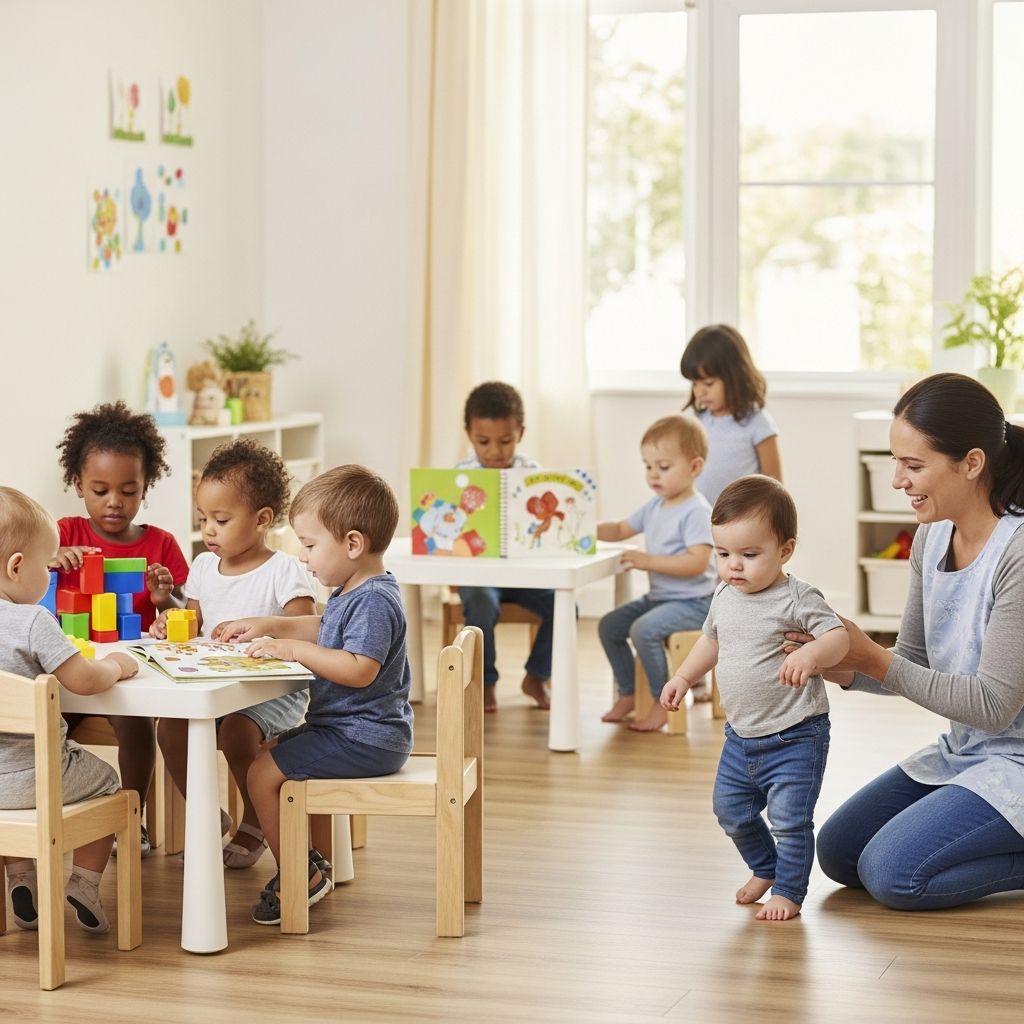
Valentine’s Day offers parents a unique chance to deepen family connections through intentional acts of kindness and emotional awareness. Rather than focusing on commercial pressures, emphasize genuine expressions of care that strengthen bonds and model healthy relationships for children.
Building Emotional Foundations Through Everyday Kindness
Teaching children about love starts with observable actions. Parents can demonstrate empathy by pointing out small acts of caring around them, such as a sibling comforting another after a fall. Verbalizing these moments helps kids recognize and replicate positive behaviors.
- Notice and narrate caring interactions: When one child helps another, describe it aloud to highlight the emotion involved.
- Encourage group discussions on emotions: Ask questions like ‘What helps someone feel better when sad?’ and display responses visually for ongoing reference.
- Model gratitude daily: Share what made each family member happy at dinner, fostering a habit of appreciation.
These practices build emotional intelligence, which research from child development experts links to better social skills and resilience in young children.
Simple Activities to Spark Family Joy
Keep celebrations low-key with activities that promote creativity and connection without overwhelming preparation. Handmade crafts or shared storytelling create lasting memories more effectively than store-bought items.
| Activity | Age Group | Benefits |
|---|---|---|
| Heart chain making or fingerprint art | Toddlers to school-age | Boosts fine motor skills and family bonding |
| Writing notes to loved ones | All ages | Teaches expression of feelings and gratitude |
| Emotion-sharing circle | Preschool and up | Develops empathy and communication |
Focus on presence over perfection; even brief ‘mini moments’ of undivided attention reinforce security and love in children.
Embracing Physical Affection Mindfully
Physical touch is a fundamental way children experience love, but it must respect boundaries. Always seek consent with phrases like ‘Would you like a hug?’ to teach respect for personal space.
- For young kids: Hold hands during walks or offer cuddles during storytime.
- For older children: Use touch to affirm emotions, like a pat on the back after sharing feelings.
- Discuss consent: Explain that love means honoring others’ comfort levels.
This approach not only builds trust but also prepares kids for healthy interactions as they grow.
Navigating Diverse Family Dynamics
Valentine’s Day media often portrays idealized couples, which can feel exclusionary for single parents, divorced families, or non-traditional structures. Use the day to openly discuss varied relationships, normalizing co-parenting or solo parenting successes.
Start conversations with age-appropriate honesty: ‘Families come in all shapes, and love shows up in many ways.’ This reduces stigma and helps children feel secure in their own realities.
Rejecting Unnecessary Holiday Pressures
Being a loving parent doesn’t require themed outfits, elaborate crafts, or class party involvement. Prioritize what brings genuine joy over trends that add stress.
- No need for matching sibling clothes or ‘holiday-specific’ attire—comfortable, weather-appropriate outfits suffice.
- Skip complex DIY projects; praise any child’s artwork sincerely instead.
- Opt out of school events guilt-free; consistent daily love matters more than seasonal extras.
Parents who avoid burnout by simplifying holidays model balance for their kids.
Prioritizing Parental Self-Care
Exhausted parents can’t pour from an empty cup. Valentine’s Day is ideal for self-nurturing practices that recharge energy for family life.
- Mindset shift: Reframe challenges positively, drawing from principles like focusing on uplifting thoughts to guide emotions.
- Alone time: Carve out brief solos for reflection or rest, even if just a quiet walk.
- Gratitude practice: List personal appreciations to cultivate inner peace amid parenting demands.
- Relationship nurture: Plan simple couple time if partnered, or affirm self-love if single.
Self-care enhances resilience, enabling parents to show up fully for their children.
Cultivating Self-Love in Children
Teach kids to value themselves alongside caring for others. Narrate self-care routines like healthy eating, handwashing, or rest as acts of personal love.
- Comment positively: ‘You’re caring for your body by choosing fruit!’
- Encourage routines: Praise sleep and hygiene as ways to stay strong for play.
- Balance with outward focus: Pair self-love lessons with group kindness activities.
This dual emphasis prevents self-neglect while promoting empathy.
Meaningful Gestures Over Material Gifts
Express love through words and actions rather than excess items. Tell children specifically why they matter, like ‘Your smile brightens my day.’
Avoid over-gifting; thoughtful notes or shared experiences create deeper impact. For partners or co-parents, small kindnesses like a heartfelt message sustain connections.
Flexible Celebrations for Real Life
Not every family can celebrate on the 14th. Shift dates to fit schedules, ensuring inclusivity for working parents or those with childcare limits.
- Plan ‘Valentine’s weekends’ for relaxed family time.
- Include kids in couple-focused plans with age-suitable activities.
- Focus on ongoing love, not one-day events.
Frequently Asked Questions
What if my child feels left out on Valentine’s Day?
Reassure them with family-focused activities and discussions about diverse love forms. Emphasize that their family’s love is unique and complete.
Do I need to participate in school Valentine’s events?
No—opt out without guilt. Daily parenting efforts outweigh holiday involvement.
How can busy parents practice self-care?
Incorporate quick mindset shifts, gratitude lists, and short solos to recharge effectively.
Is it okay to move Valentine’s celebrations?
Absolutely—flexibility ensures everyone enjoys meaningful moments without stress.
How do I teach consent through affection?
Always ask first and respect answers, modeling healthy boundaries from a young age.
Wrapping Up Lasting Love Lessons
Valentine’s Day thrives on authenticity: kindness modeled daily, emotions named openly, pressures released, and self-care embraced. These habits extend far beyond February 14th, shaping emotionally healthy families year-round.
References
- I’m a parenting expert, here’s the surprising lesson Valentine’s Day can teach your kids — Netmums. 2023. https://www.netmums.com/valentines-day/im-a-parenting-expert-heres-the-surprising-lesson-valentines-day-can-teach-your-kids
- Five Authentic Ways To Celebrate Valentine’s Day With Young Children — PlaySparkler. 2022-02-09. https://playsparkler.org/2022/02/09/authentic-valentines-day/
- 5 Things You Don’t Have to do to be a good parent this Valentine’s Day — Parent.com. 2022. https://www.parent.com/blogs/conversations/2022-tk-5-things-you-dont-have-to-do-to-be-a-good-parent-this-valentines-day
- Mindful Valentines | Top Tips For Parents — Twinkl (YouTube). 2023. https://www.youtube.com/watch?v=FvuiK3CLWsU
- Valentine’s Day Self-Care Tips for Busy Parents — BrightPath Kids. 2023. https://brightpathkids.com/family-blog/valentines-day-self-care-tips-for-parents