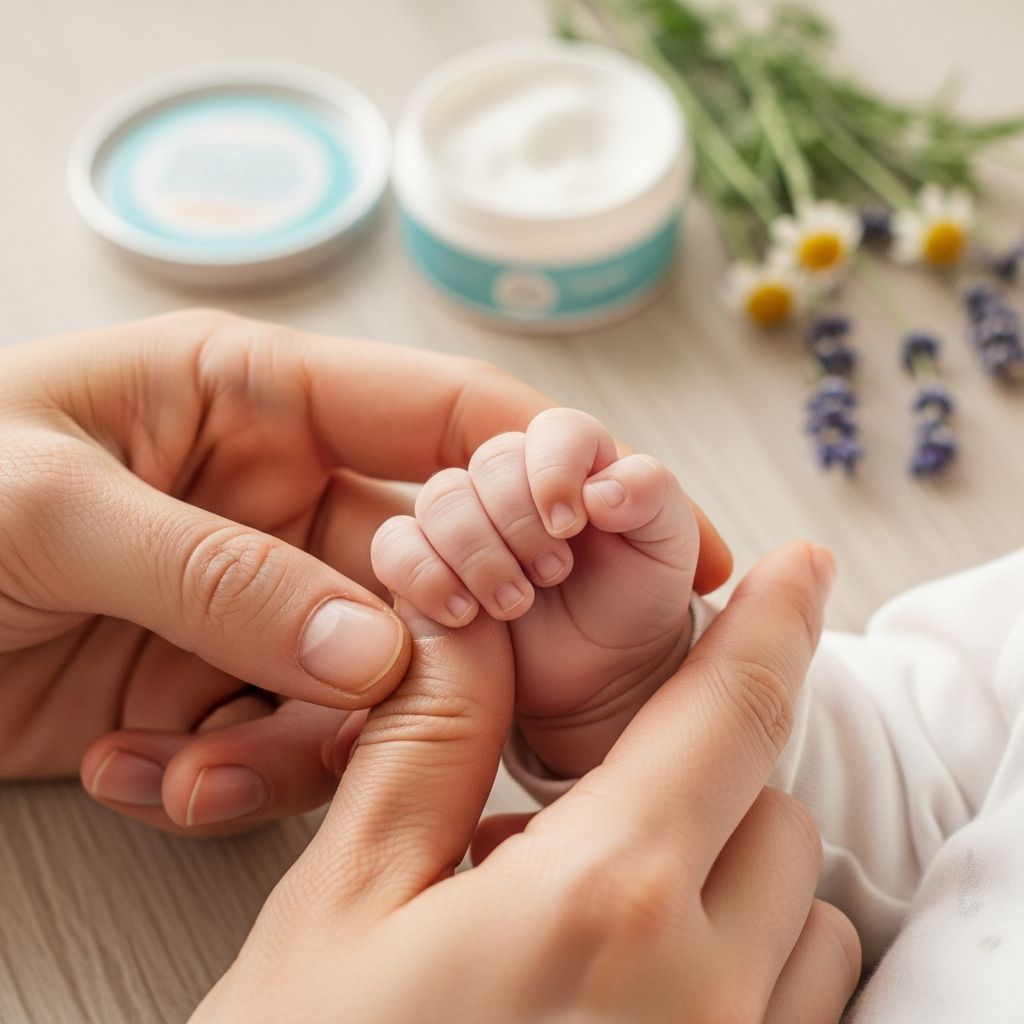
New motherhood puts your hands to work in a way few other seasons of life do: constant washing, cleaning, diaper changes, and contact with soaps and wipes can leave them dry, cracked, and sore. At the same time, every product on your skin feels like a decision that could affect your baby, especially when tiny mouths and cheeks spend all day resting against your hands. This guide explains how to choose gentle, effective hand lotions and routines that help your skin heal while staying comfortable about what your baby might touch.
Why New Moms’ Hands Get So Dry
Many new parents are surprised at how quickly their hands go from “normal” to rough, red, and uncomfortable. Understanding the causes makes it easier to choose solutions that truly work instead of endlessly cycling through random creams.
- Frequent washing: Repeated handwashing before and after diaper changes, feeding, and food prep strips away protective oils that normally keep skin soft.
- Harsh cleansers and sanitizers: Soaps with strong surfactants and alcohol-based hand sanitizers can break down your skin barrier, especially when used many times per day.
- Climate and environment: Cold weather, low humidity, and indoor heating pull moisture from the skin, leaving it more vulnerable to cracking.
- Hormonal shifts: Postpartum hormone changes can make skin more sensitive or prone to irritation, even from products that never bothered you before pregnancy.
Core Principles of Baby-Safe Hand Care
You do not need to buy a product labeled “for babies” to protect your child when choosing a hand lotion. Instead, focus on a few simple principles that respect both your skin and your baby’s developing system.
- Use what you’d trust on baby skin: A helpful rule of thumb is to reach for products you would feel comfortable using directly on your child, especially on areas baby might lick or suck.
- Favor simple formulas: Fewer ingredients usually means fewer potential irritants or allergens. Short, recognizable ingredient lists are often a good sign.
- Limit strong fragrances: Heavy perfumes can bother sensitive newborns, may irritate your own skin, and add unnecessary chemicals to the mix.
- Patch test first: Even “natural” ingredients can cause reactions. Try a new product on a small area of your wrist or forearm before coating your whole hand.
Helpful Ingredients for Overwashed Hands
Baby-safe hand care is not just about what to avoid; it is just as important to know which ingredients actually support healing. Many gentle, time-tested moisturizers work well for both parents and babies when used appropriately.
| Ingredient | Main Benefit | Good For | Notes for New Moms |
|---|---|---|---|
| Shea butter | Rich, long-lasting moisture | Cracked knuckles, rough patches, night treatments | Often well-tolerated; choose unscented or lightly scented options if baby is sensitive. |
| Coconut oil | Softening, occlusive layer to slow water loss | Massage into cuticles, quick daytime hydration | Melts at skin temperature; can feel slightly greasy but easy to wipe off before feeds. |
| Glycerin | Draws water into the outer skin layers | Everyday lotions and creams | Works especially well when applied after washing hands and patting them mostly dry. |
| Oat extract or colloidal oatmeal | Soothing for redness and itch | Chapped, irritated skin or mild eczema | Look for baby and sensitive-skin lines that use oat as a calming agent. |
| Beeswax | Protective barrier over the skin | Shielding skin from water and detergents | Useful in balms and salves; a small amount goes a long way. |
| Plant oils (olive, jojoba, sunflower) | Nourishing lipids and softening effect | General dryness, massage into backs of hands | Great in oil-based balms; apply sparingly and rub in well. |
Ingredients New Moms May Want to Limit
Different families draw the line in different places when it comes to ingredient comfort level. Instead of rigid rules, consider what feels right for you in this season and talk to your pediatrician or dermatologist if you are unsure.
- Strong fragrances and perfumes: Highly scented lotions can bother babies whose noses and skin are more sensitive than adults’. Opt for fragrance-free or naturally mild scents.
- Heavy essential oil blends: While a single drop of lavender may not be an issue for everyone, concentrated essential-oil-heavy products are usually unnecessary on hands that will be near your baby’s face.
- Harsh preservatives or drying alcohols: Short-chain alcohols and aggressive preservatives can sting cracked skin and contribute to ongoing irritation.
- Ingredients tied to known allergies in your family: If you or your partner have nut or seed allergies, be cautious with products containing those oils, especially when baby is very young.
Daytime Hand Care Routine That Fits Into Mom Life
No new mom has time for elaborate spa rituals. What helps most is a realistic, repeatable routine that fits into the rhythm of feedings, naps, and diaper changes. A few consistent habits can make a big difference without adding stress.
- Choose a gentler hand wash: Swap any harsh, heavily fragranced soap for a mild, moisturizing cleanser labeled for sensitive or baby skin. This first step removes one of the biggest sources of irritation.
- Pat, do not scrub, your hands dry: After washing, pat your hands with a soft towel instead of rubbing vigorously, which can worsen micro-cracks.
- Apply lotion within one minute: Keep a pump bottle or tube right next to the sink. Using a pea- to nickel-sized amount while hands are still slightly damp helps seal in water.
- Focus on problem spots: Pay extra attention to knuckles, cuticles, and the backs of hands, which tend to suffer most.
- Wipe or rinse before nursing: If you apply a heavier balm and will be breastfeeding or offering fingers for baby to suck on, lightly rinse or wipe your fingertips and nipples to avoid any flavor or residue transfer.
Nighttime “Repair Mode” for Exhausted Hands
Night is when skin does some of its best healing work, even if your sleep is broken into short stretches. Building a quick nighttime hand ritual can give your skin an extra boost, especially if your hands are cracked or painful.
- Step 1: Clean hands gently before bed. Use lukewarm water and a mild cleanser, then pat them nearly dry.
- Step 2: Layer a rich cream or balm. Apply a thicker formula focused on nourishing butters and oils. Do not be afraid of a slightly greasy texture at night.
- Step 3: Add a barrier. If your hands are very rough, you can add a thin layer of balm or ointment over your cream to trap in moisture on the worst spots.
- Step 4: Use cotton gloves or socks. Pulling lightweight cotton gloves over your hands prevents the product from rubbing off on sheets and boosts absorption. If you do not have gloves, clean cotton socks work in a pinch.
- Step 5: Keep something bedside. A small tube or tin on your nightstand makes it easy to reapply if you wake up or nurse in bed.
Balancing Hand Hygiene and Skin Health
It is natural to worry about germs around a newborn, but extremely frequent use of strong soaps and sanitizers can backfire by damaging the skin’s protective barrier. Healthy skin itself is an important part of the body’s defense system.
- Reserve sanitizer for truly necessary moments: Alcohol-based sanitizers are helpful when you cannot get to a sink, but regular use of gentle soap and water is usually enough in a home environment.
- Rinse thoroughly: Make sure soap is completely rinsed off your hands; any residue can cause more dryness and itch.
- Moisturize every time after washing: Think of lotion as the final step of washing, not an optional extra. This mindset makes it easier to be consistent.
- Wear gloves for cleaning tasks: When washing bottles, pumping parts, or household surfaces, use dish or cleaning gloves to protect your hands from detergents.
Choosing Between Creams, Lotions, Balms, and Oils
Not all moisturizers behave the same way on hard-working hands. Knowing the differences helps you match the product to how and when you plan to use it around your baby.
- Lotions: Thinner and water-based, they absorb quickly but may not last long on very dry skin. Great for daytime and quick applications after washing.
- Creams: Thicker than lotions, usually providing more lasting comfort. Ideal for moderately dry hands and bedtime routines.
- Balms and ointments: Very rich and occlusive, designed to sit on top of the skin and lock in moisture. Best for targeted cracks, knuckles, and cuticles rather than full-hand coverage during the day.
- Oils: Simple to understand and often composed of a single plant oil or a blend. Useful for massage and cuticles, but may feel too slick on palms unless followed by a light towel blot.
How to Read a Hand Lotion Label Like a Pro
Product labels can feel overwhelming when you are sleep-deprived and scrolling online or dashing through a store. A few quick checks can cut through the marketing noise so you know what you are really buying.
- Scan the first five ingredients: These typically make up the bulk of the formula. Look for water, plant oils, glycerin, and butters rather than long lists of unfamiliar chemicals.
- Look for clear fragrance wording: “Fragrance-free” is different from “unscented.” Fragrance-free means no added perfumes; unscented may still contain masking fragrances.
- Check for sensitive-skin or baby-friendly notes: Products tested for sensitive or baby skin may give additional reassurance, though they are not the only good options.
- Identify potential allergens: If your family has known allergies, check for those ingredients early in the list and avoid them when possible.
Small Lifestyle Tweaks That Protect Your Hands
Lotions are only one part of the puzzle. Small changes in daily habits can dramatically reduce how much damage your hands experience, which means less pain and less need for constant repair.
- Turn down the water temperature: Very hot water strips natural oils faster. Warm water cleans just as well with much less drying.
- Skip nail polish if your nails are peeling: Give nails and cuticles a polish break when they are brittle, focusing on nourishing oils or cream instead.
- Carry a travel-size lotion: A small tube in the diaper bag, stroller basket, or car seat caddy makes it easy to moisturize when you are out.
- Hydrate and nourish from the inside: Drinking enough water and eating balanced meals supports skin health, even if your diet is far from perfect right now.
Sample Baby-Safe Hand Care Plan for a Busy Day
To make all this concrete, here is a simple example of how hand care might realistically fit into a day with a newborn. You can adjust timing and products to match your own routines, but the pattern of gentle cleansing plus quick moisture stays the same.
- Morning: After your first diaper changes, wash with gentle soap and apply a fast-absorbing lotion. Repeat after breakfast dishes with the same lotion.
- Midday: Keep a small tube near the changing area. Add a dab after every few diaper changes, focusing on knuckles and cuticles.
- Late afternoon: Before starting any heavier cleaning or bottle washing, slip on cleaning gloves. Moisturize afterward if your hands feel tight.
- Bedtime: Do a quick, rich treatment with a thicker cream or balm and, if you have the energy, cotton gloves. Even five minutes can help.
Frequently Asked Questions About Hand Lotions and Newborn Safety
1. Is it safe if my baby sucks on my fingers after I use hand lotion?
Most of the time, the small amount of lotion that remains after you rub it in thoroughly is unlikely to cause a problem, especially if you are using a gentle, baby-friendly product. If your baby frequently chews or sucks on your fingers, lean toward fragrance-free formulas with simple ingredient lists and avoid applying very thick, greasy products right before playtime.
2. Should I use the same cream on myself and on my baby?
In many cases, yes. Products designed for baby skin—such as basic baby moisturizers or simple balms—often work beautifully on adult hands too. Using the same product can simplify your routine, cut costs, and reduce the number of different ingredients your baby is exposed to in the early months.
3. How many times a day should I moisturize my hands?
There is no strict number; the goal is to moisturize whenever your skin feels tight or dry, especially after washing. Many new moms find that applying a small amount after most handwashings plus a richer layer before bed keeps their skin comfortable without feeling sticky or high-maintenance.
4. Can I still use alcohol-based sanitizer around my newborn?
Yes, sanitizer is useful when you are out of the house or cannot reach soap and water. To protect your hands, use a pea-sized amount, rub until completely dry, then apply a light lotion afterward whenever practical. When you are at home and have access to a sink, washing with gentle soap and water is often kinder to your skin long term.
5. What if my hands are cracked and bleeding?
If you see deep cracks, bleeding, or signs of infection such as swelling or pus, reach out to a healthcare professional, especially if you are caring for a newborn. In the meantime, protect the area with a richer ointment or balm, cover with a clean bandage if needed, and limit exposure to harsh cleaners and hot water until it begins to heal.
When to Ask for Professional Help
Persistent hand problems are not just a cosmetic issue. Painful skin can make daily care tasks difficult and can even disrupt your ability to hold or feed your baby comfortably. If you notice your hands worsening despite gentle care, or if you suspect eczema, allergies, or infection, a dermatologist or your primary healthcare provider can recommend specific treatments that are compatible with breastfeeding and life with a newborn.
Taking a few moments to care for your hands is not self-indulgent; it is a practical way to protect the tools you use to comfort, feed, and care for your baby all day long. With simple ingredients, realistic routines, and a little consistency, your hands can move from sore and cracked back to soft, strong, and ready for every snuggle.