Valentine’s Day is often framed as a romantic holiday, but for children it can be a powerful opportunity to make them feel seen, cherished, and deeply loved. Instead of focusing only on candy and cards, parents can use the day to create traditions and give gifts that nurture connection, creativity, and confidence.
Why Valentine’s Day Matters for Kids
Children are constantly forming beliefs about what love looks and feels like. Valentine’s Day gives families a yearly ritual to reinforce that love is about showing up, listening, and celebrating who kids are—not just buying things. A carefully chosen gift, no matter how small, can become a tangible reminder of that message.
When gifts are thoughtful rather than flashy, kids learn that love is expressed through time, attention, and intention. This mindset can help them form healthier relationships with peers, siblings, and future partners as they grow.
Principles for Choosing Meaningful Gifts
Before adding anything to your cart, pause and think about what you want your child to feel and remember. A few simple principles can guide your choices and turn even small items into powerful symbols of affection.
- Prioritize connection over clutter: Choose gifts that invite you to play, talk, or create together, instead of toys that will gather dust.
- Honor your child’s personality: A quiet book lover needs something different from a high-energy adventurer. Let their quirks lead the way.
- Think long-term: Look for keepsakes or experiences they might still remember or use a year from now, not just on February 14.
- Balance treats with nourishment: Sweet snacks can be fun, but pair them with gifts that feed imagination, skills, or emotional security.
- Keep it simple and sincere: Kids respond more to genuine attention than elaborate gestures. A small gift with a heartfelt note can mean more than an expensive toy.
Age-by-Age Valentine’s Gift Ideas
Every stage of childhood comes with different needs and developmental milestones. Tailoring Valentine’s gifts by age helps you choose items that feel both exciting and appropriate.
Valentines for Babies and Toddlers
Very young children will not remember a specific Valentine’s Day, but they feel warmth, comfort, and delight in the moment. Focus on sensory experiences, security, and simple routines you can repeat year after year.
- Soft keepsake items: A plush toy, lovey, or small blanket in soft fabrics can become a sleep companion and symbol of comfort.
- Board books about love: Sturdy books with simple sentences and bright illustrations help them associate reading with closeness and affection.
- Heart-themed pajamas: Cozy sleepwear makes bedtime feel special and can become part of a seasonal ritual.
- Gentle music or lullaby playlists: Pair a simple gift with a tradition of singing or slow dancing together before bed.
Valentines for Preschoolers
Preschoolers are just beginning to understand holidays and love rituals. They thrive on hands-on projects, imaginative play, and visible signs that they are special to their grown-ups.
- Craft and sticker sets: Provide heart-themed stickers, foam shapes, and washable markers so they can decorate cards for family members.
- Dress-up accessories: Heart-shaped sunglasses, capes, or costume jewelry turn the day into a playful celebration.
- Personalized storybooks: Books that include your child’s name or likeness help them feel like the star of their own love story.
- Simple baking kits: Premixed dough, cookie cutters, and sprinkles let them participate in Valentine’s treats with pride.
Valentines for Early Elementary Kids
Kids in the early grades are often involved in classroom celebrations and beginning to navigate friendships. Gifts that support creativity, social skills, and emerging interests can be especially impactful.
- Stationery and note sets: Colorful notepads, pens, and mini envelopes encourage them to write kind notes to friends or family.
- STEM or building kits: Small sets that involve constructing, coding, or experimenting show that love includes supporting their curiosity.
- Friendship bracelet supplies: Beads, thread, and charms empower them to express appreciation for classmates and siblings.
- Card games and travel-size board games: Quick, kid-friendly games create moments of family bonding after dinner or on weekends.
Valentines for Tweens
Tweens may act “too cool” for heart confetti, but they still crave reassurance that they are valued and understood. Gifts that respect their growing independence while reinforcing your connection strike the right balance.
- Journals and sketchbooks: A well-made notebook invites them to process emotions, sketch, or plan creative projects.
- Room decor: LED lights, photo clips, or cozy pillows help them build a personal sanctuary that reflects their style.
- Experience vouchers: Print or handwrite coupons for a coffee shop date, bookstore trip, or afternoon doing an activity they choose.
- Interest-based gifts: Sports accessories, art supplies, science kits, or music-related items show that you pay attention to what lights them up.
Valentines for Teens
Teenagers are developing their own ideas about romance and relationships, and they may be acutely aware of social dynamics around Valentine’s Day. Thoughtful gifts from parents can anchor them in the security of unconditional love.
- Quality time experiences: Concert tickets, a favorite restaurant outing, or a one-on-one activity just with you can matter more than anything wrapped.
- Self-care sets: Skincare, candles, bath items, or cozy loungewear promote rest and remind them they deserve kindness from themselves.
- Photo books or prints: Curate snapshots of family memories and trips into a small album they can keep nearby.
- Skill-building courses: Online classes in photography, design, coding, or cooking show belief in their talents and future.
Non-Candy Valentine’s Gifts Kids Love
Candy can absolutely be part of the fun, but relying only on sugar misses chances to nurture creativity, mindfulness, and long-term joy. Non-edible gifts help Valentine’s Day feel less fleeting and more meaningful.
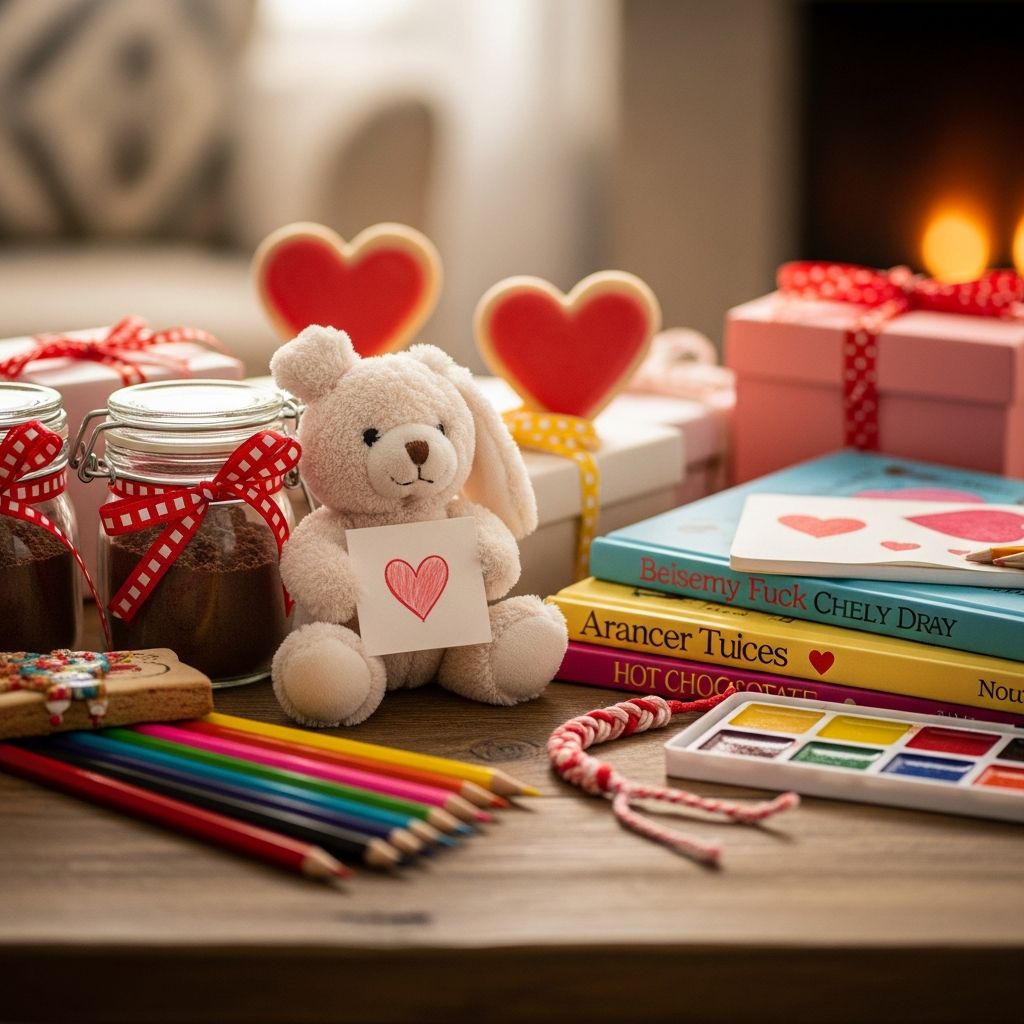
- Art and craft kits: Painting sets, clay, origami paper, or jewelry-making kits keep hands busy and minds focused.
- Books that celebrate love: Age-appropriate stories about friendship, family, pets, or self-acceptance reinforce the holiday’s deeper themes.
- Puzzles and brainteasers: Jigsaw puzzles, tangrams, or logic games support problem-solving and can become quiet family rituals.
- Outdoor toys: Kites, jump ropes, sidewalk chalk, or frisbees turn the holiday into a reason to get moving together when the weather cooperates.
- Music and movement items: Simple instruments, playlists you create together, or dance-party accessories inspire laughter and connection.
Simple Gifts That Feel Luxurious to Kids
Children do not measure value in dollars; they measure it in attention and delight. Small, affordable items can feel luxurious when presented with care and linked to a special moment.
| Gift Type | Example | Why Kids Love It |
|---|---|---|
| Cozy Comfort | Fuzzy socks or a heart-patterned pillow | Makes bedtime or movie nights feel extra special and “grown-up”. |
| Mini Upgrade | Personalized water bottle or lunchbox | Turns everyday routines into a reminder that they are unique and loved. |
| Secret Treasure | Small jewelry box, tin, or keepsake box | Gives them a place to store notes, trinkets, and tiny treasures. |
| Creative Corner | Set of gel pens, markers, or washi tape | Invites journaling, doodling, and decorating school supplies or letters. |
| Nighttime Magic | Star projector or soft night-light | Transforms bedtime into a calming ritual and eases nighttime worries. |
DIY Valentine’s Gifts Kids Can Help Make
One of the most powerful lessons you can offer is that meaningful gifts do not have to be expensive. Involving kids in making valentines for siblings, grandparents, or teachers helps them experience generosity from the giving side.
- Handmade coupons: Encourage children to design “love coupons” promising things like a board-game night, extra chores done for a sibling, or a hug on a tough day.
- Painted picture frames: Let kids decorate inexpensive wooden frames and insert a favorite photo or drawing.
- Gratitude jars: Fill a jar with small notes listing things you love about the recipient; older kids can help write or decorate the slips.
- Decorated treat bags: Even if you include a few chocolates, have children personalize the bags with drawings and messages.
Turning Gifts into Traditions
The object itself matters less than the ritual that grows around it. When you repeat small gestures each year, kids start to anticipate the feelings of safety, belonging, and joy that come with them.
- Valentine breakfast ritual: Serve heart-shaped pancakes, fruit arranged in a heart, or pink smoothies along with a small gift at each place setting.
- Annual love letters: Write your child a note every Valentine’s Day describing what you admire about who they are right now and save the letters in a box for them.
- “Love playlist” tradition: Create a family playlist with one new song added each year that reminds you of your child.
- Reading date: Visit a library or bookstore together and choose a new “love and friendship” book to read that month.
Supporting Emotional Growth Through Gifts
Beyond fun and aesthetics, Valentine’s gifts can quietly reinforce emotional skills. When you choose items that invite conversation, empathy, or self-reflection, you help your child build an inner toolkit they will carry into every relationship.
- Feelings cards and games: Tools that name emotions give children language to express what they experience inside.
- Prompted journals: For older kids, guided pages that ask about highs, lows, and hopes can become a safe outlet.
- Conversation starter decks: Question cards designed for families can turn dinner into a space for learning about each other.
- Mindfulness items: Simple breathing balls, calming jars, or affirmation cards remind kids that caring for themselves is part of love.
Frequently Asked Questions About Valentine’s Gifts for Kids
Do kids really need Valentine’s Day gifts?
No child needs a gift to feel loved, but thoughtful gestures can strengthen your connection and create joyful memories. If budgets are tight, a handwritten note, a special breakfast, or extra one-on-one time can serve as the “gift.”
How much should I spend?
There is no ideal amount. Many families set a small spending limit and focus on one or two meaningful items rather than a pile of things. The story you tell about the gift—that you chose it with their unique personality in mind—often matters more than the price tag.
What if my child’s school doesn’t celebrate Valentine’s Day?
You can still build family traditions at home without classroom exchanges. Plan a mini celebration with a themed dinner, craft time, or movie night and present your gift then.
How can I avoid over-emphasizing candy?
Offer small amounts of sweets alongside more enduring gifts like books, games, or art supplies. Talk about Valentine’s Day as a celebration of kindness and appreciation, not just desserts.
What if I have multiple kids with very different personalities?
Start with one shared tradition (like a Valentine breakfast or movie night) and then personalize each child’s gift. Highlight what makes each of them unique in your notes or conversations so no one feels compared or left out.
Final Thoughts
Valentine’s Day with kids does not have to be elaborate or expensive to be meaningful. By choosing gifts that emphasize connection, creativity, and emotional growth, you transform a candy-centric holiday into a yearly reminder that your love is constant, intentional, and uniquely tailored to the children in your life.