For many families, the first day of May is a chance to welcome spring with color, kindness, and a little mystery. Making and secretly delivering May Day baskets is a simple tradition that blends creativity, generosity, and outdoor fun—perfect for kids and adults alike.
This guide walks you through the story behind May Day baskets, then offers practical, easy-to-follow ideas for crafting your own at home using materials you likely already have.
What Is a May Day Basket?
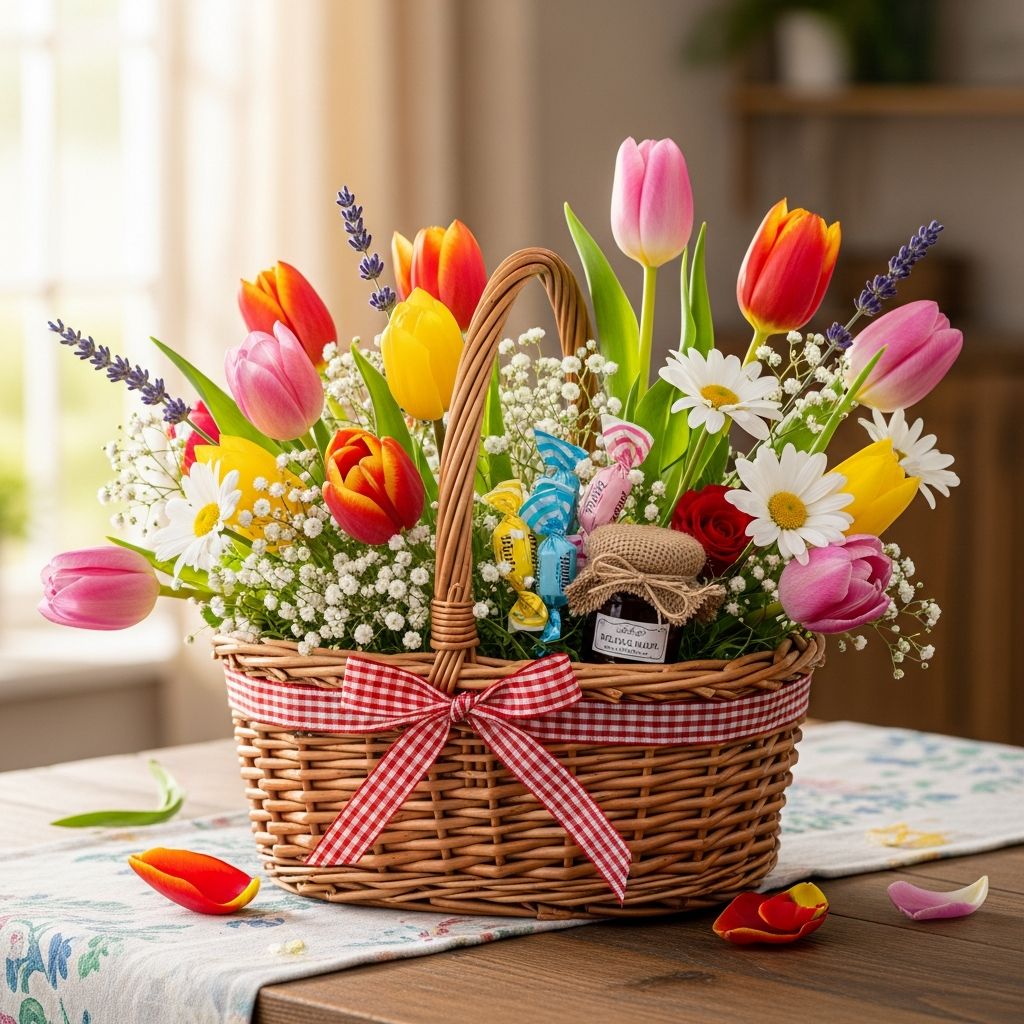
A May Day basket is a small container filled with flowers, treats, or notes of kindness that is left on someone’s door on May 1. Traditionally, the giver rings the bell or knocks and runs away, leaving behind a cheerful surprise.
- When: Delivered on May 1
- Where: Hung on a doorknob, placed on a doorstep, or left at a gate
- What’s inside: Flowers, candy, small toys, or handwritten messages
- Why: To celebrate spring, show kindness, and share a bit of secret fun
Even though the custom has faded in some communities, it is still kept alive by families, schools, and local groups that enjoy simple, handmade celebrations of the seasons.
Where the Tradition Comes From
The idea of celebrating the start of May goes back centuries in Europe, where people marked the return of warmer weather with flowers, dancing, and outdoor festivals.
| Time/Place | What Happened | Connection to Baskets |
|---|---|---|
| Ancient Roman festivals | Spring feasts for the goddess Flora with flowers and dancing | Flowers as a symbol of new life and beauty |
| Medieval & early modern Europe | Maypoles, May Queens, and spring revelry | Giving flowers evolved into small gift offerings |
| 19th–20th century Europe & U.S. | Children left small flower baskets on neighbors’ doors | The anonymous May Day basket tradition took shape |
Historians note that in both Europe and North America, people adapted these older spring celebrations into quieter, family-friendly customs, such as dancing around a maypole and leaving small baskets of flowers or sweets for friends.
Why Make May Day Baskets With Kids?
Turning May Day into a craft-and-kindness project offers several benefits for families and classrooms.
- Encourages creativity: Children design, decorate, and arrange the baskets.
- Teaches generosity: The focus is on giving, not getting.
- Builds fine-motor skills: Cutting, folding, gluing, and tying are great practice for small hands.
- Connects to nature: Gathering flowers or greenery helps kids notice seasonal changes.
- Creates memories: The excitement of “ring and run” deliveries tends to stick with kids for years.
Simple Materials You Can Use
You don’t need fancy supplies to start this tradition. Most May Day baskets can be made from ordinary household or recycling-bin items.
Common Basket Bases
- Colored or white printer paper
- Construction paper or cardstock
- Paper cups or clean yogurt cups
- Empty cardboard tubes (toilet paper or paper towels)
- Small paper bags
- Recycled containers (small boxes, cartons, or tins lined with paper)
Handles and Hangers
- String, yarn, or twine
- Pipe cleaners
- Ribbon or fabric strips
- Paper strips taped or stapled to the sides
Decorative Touches
- Markers, crayons, or colored pencils
- Stickers or washi tape
- Tissue paper or crepe paper
- Scrapbook paper or magazine cutouts
- Buttons, sequins, or craft gems (for older kids)
Three Easy Basket Designs
Below are three beginner-friendly basket ideas that work well for kids of different ages and attention spans.
1. Quick Paper Cone Basket
This fast option is perfect if you have only a short time or want to make many baskets.
- Cut a square of paper. A piece around 8×8 inches works well.
- Roll into a cone. Bring two opposite corners together and overlap the edges until you get a point at the bottom.
- Secure the side. Use tape, glue, or a stapler along the seam.
- Add a handle. Tape or staple a strip of paper, ribbon, or yarn across the top.
- Decorate. Draw patterns, add stickers, or glue on small shapes.
Paper cones are ideal for holding light items like small flowers, wrapped candy, or notes.
2. Cup or Carton Basket
Using small containers gives your basket a sturdier base and keeps it upright on a porch or step.
- Choose a container. A clean paper cup, yogurt cup, or small carton works.
- Cover the outside (optional). Wrap with colored paper or paint the surface; let it dry if painted.
- Punch two holes. Make opposite holes near the rim for the handle.
- Thread a handle. Insert ribbon, yarn, or a pipe cleaner through the holes and secure inside.
- Decorate. Tie bows, add stickers, or glue on paper flowers.
This style can handle slightly heavier treats or potted plants.
3. Folded Paper “Basket Bag”
A folded pouch is a fun introduction to basic paper folding for school-age children.
- Start with a rectangle. Half a sheet of letter-sized paper works well.
- Fold in half. Bring the short sides together to form a smaller rectangle.
- Seal the sides. Tape or staple the left and right edges, leaving the top open.
- Create a handle. Attach ribbon or a paper strip to the top front and back with tape or staples.
- Decorate both sides. Encourage kids to draw spring scenes or write short messages.
This design is flat and lightweight, perfect for door handles that don’t hold a lot of weight.
What to Put in a May Day Basket
You can keep the contents very simple or turn each basket into a tiny themed gift. Choose items based on the age and preferences of the recipient.
Flower Ideas
Historically, May Day baskets have often been filled with fresh flowers, symbolizing the arrival of spring.
- Cut flowers from your garden (with permission and in moderation)
- Wildflowers picked safely from allowed public spaces
- Small potted flowers or herbs that can be replanted
- Paper flowers made from tissue or construction paper
- Pressed flowers glued onto tags or cards
If you use real flowers, line the inside of the basket with a bit of damp paper towel wrapped in plastic or place stems in a tiny jar or vial of water to keep them fresh.
Treats and Trinkets
- Wrapped candies or chocolates
- Homemade cookies in a small bag
- Stickers or temporary tattoos for kids
- Mini crayons, pencils, or erasers
- Seed packets for planting flowers or vegetables
- Tea bags or small coffee packets for adults
Notes of Kindness
Including a written message turns a simple basket into a personal gesture. You might write:
- “Happy May Day! Wishing you a bright and blooming spring.”
- “Thank you for being a wonderful neighbor.”
- “You are loved. Enjoy this little surprise!”
- “Here’s to sunshine, flowers, and new beginnings.”
Planning a May Day Basket Craft Session
To keep things smooth and enjoyable, especially with kids, plan your craft time in a few simple steps.
Set a Goal
- Decide how many baskets you want to make.
- Choose who will receive them: neighbors, grandparents, teachers, or friends.
- Agree on delivery time: morning, afternoon, or early evening on May 1.
Prepare a Craft Area
- Cover the table with newspaper or a reusable cloth.
- Gather scissors, tape, glue, markers, and decorations in small containers.
- Pre-cut paper for younger children to reduce frustration.
Assign Roles
- One child can fold or roll the baskets.
- Another might decorate or draw designs.
- Older kids can write notes or assist with handles and holes.
- Adults supervise cutting, hot glue (if used), and final assembly.
Delivering Your May Day Baskets
The “delivery mission” is often the most exciting part of the tradition for children.
Classic Delivery Style
- Hang the basket gently on the doorknob or place it near the door.
- Knock or ring the bell once.
- Run back to the sidewalk or car and watch from a respectful distance if appropriate.
In older versions of the custom, it was said that if the recipient caught the giver, they could claim a kiss, especially among young adults. Today, most families treat it simply as a fun, anonymous surprise.
Modern Tweaks to the Tradition
You can adapt the delivery style to suit your neighborhood and comfort level.
- Include your name on the note if you want to build community and avoid confusion.
- Text first if the recipient is wary of surprises; you can say a small gift will be left on the porch.
- Drop-off at workplaces or schools when allowed, placing the basket on a desk or in a staff room.
- Doorstep only if doorknobs are hard to access; set the basket where it is visible and stable.
Safety, Courtesy, and Inclusivity Tips
With a few thoughtful choices, May Day baskets can be enjoyable and considerate for everyone.
- Ask about allergies for close friends or family if you plan to include candy, nuts, or scented items.
- Package food safely in clean bags or wrappers and avoid anything that spoils easily outdoors.
- Respect property by staying on walkways and not entering fenced areas without permission.
- Choose recipients thoughtfully, including older neighbors or people who might especially appreciate a friendly gesture.
- Keep noise brief when knocking or ringing, especially early or late in the day.
Extending the Tradition: Learning Opportunities
May Day baskets can be a starting point for simple lessons at home or in the classroom.
History and Culture
- Look at how different countries mark the start of May, from maypoles to local festivals.
- Discuss how customs change over time and why some traditions fade while others are revived.
Nature and Seasons
- Observe which plants and trees are blooming in early May.
- Talk about pollinators such as bees and butterflies and their role in spring gardens.
Values and Emotions
- Ask children how they feel when they give something in secret.
- Brainstorm everyday ways to show kindness to neighbors and classmates.
Frequently Asked Questions (FAQs)
Do May Day baskets have to be anonymous?
No. While older customs emphasized secrecy, many families now sign their names so neighbors know whom to thank. You can choose the approach that feels right for your community.
Is May Day related to Labor Day or workers’ celebrations?
In some countries, May 1 is also International Workers’ Day, focused on labor rights and social issues. The flower-and-basket tradition comes from older spring festivals and is separate, though they share the same date.
Can we make May Day baskets if we don’t have a garden?
Absolutely. You can use store-bought flowers, paper flowers, small treats, or notes of appreciation. The heart of the tradition is kindness, not the specific contents.
What if my neighborhood isn’t used to this tradition?
You can include a short explanation on the note: “This is a May Day basket, a small gift to celebrate the start of spring.” Starting with friends or people you know well can help introduce the custom gently.
How early should we make the baskets?
You can craft the baskets a few days before May 1, but add fresh flowers or perishable treats as close to delivery time as possible so they stay bright and safe.
References
- The Origin of the May Day Flower Baskets Tradition — Paper Mart Blog. 2016-04-XX. https://blog.papermart.com/how-to/where-did-the-tradition-of-sending-may-day-flower-baskets-come-from/
- Mayday, Mayday—The Lost History of May Poles and May Baskets — Darcy Maulsby. 2017-04-30. https://www.darcymaulsby.com/blog/mayday-mayday-the-lost-history-of-may-poles-and-may-baskets/
- Embracing Spring: The History of May Day and Its Floral Traditions — Doris Ione. 2023-04-11. https://www.dorisione.com/doris-diary/2023/4/11/embracing-spring-the-history-of-may-day-and-its-floral-traditions
- May Day — Encyclopedic overview, cultural history. Last updated 2024. https://en.wikipedia.org/wiki/May_Day
- The Tradition of May Baskets — Denver Mom Collective. 2019-04-XX. https://denvermomcollective.com/the-tradition-of-may-baskets/
- May Baskets — The Folklife Center at Crandall Public Library Blog. 2021-04-XX. https://www.folklifecenter.com/post/may-baskets