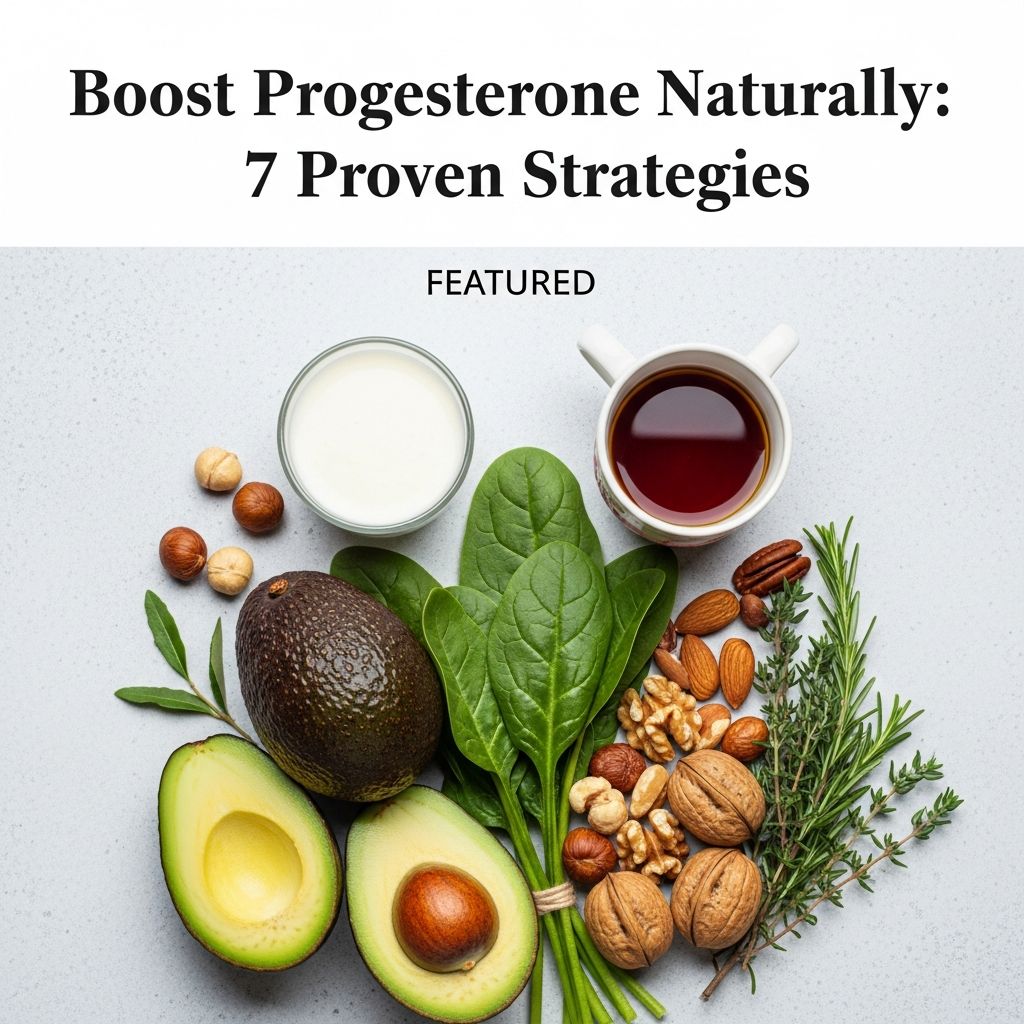
Progesterone is a vital hormone in women’s reproductive health, playing a key role in regulating menstrual cycles, supporting pregnancy, and maintaining overall hormonal equilibrium. Low levels can lead to irregular periods, fertility challenges, and symptoms like mood swings or fatigue. Fortunately, lifestyle adjustments and dietary choices can help optimize progesterone production without relying solely on medical interventions.
Understanding Progesterone’s Role in Your Body
Produced primarily by the ovaries after ovulation, progesterone prepares the uterus for potential pregnancy and counterbalances estrogen. It influences mood, sleep, and bone health. Deficiencies often stem from stress, poor nutrition, or environmental factors disrupting endocrine function.
Maintaining balanced levels is crucial for women trying to conceive, as progesterone supports embryo implantation and prevents miscarriage. Natural strategies focus on supporting the body’s synthesis pathways, which convert cholesterol into progesterone via ovarian and adrenal glands.
Nutrient Powerhouses for Progesterone Support
Certain vitamins and minerals act as cofactors in hormone production. Incorporating them through food maximizes absorption and avoids supplement risks.
Magnesium-Rich Foods to Regulate Hormones
Magnesium aids the pituitary gland in releasing follicle-stimulating hormone (FSH), which stimulates progesterone synthesis. Women aged 19-50 need about 310-320 mg daily.
- Dark leafy greens like spinach: One cup provides 157 mg, plus fiber for estrogen detox.
- Avocados: A medium one delivers 58 mg alongside heart-healthy fats.
- Nuts such as almonds or cashews: 1 oz offers 80+ mg; snack on a handful daily.
- Dark chocolate (70%+ cocoa): 1 oz yields 64 mg with antioxidants.
- Legumes like black beans: 1 cup cooked has 120 mg.
Vitamin B6 for Hormone Regulation
Studies show B6 elevates progesterone while easing PMS by modulating estrogen. Aim for 1.3 mg daily per NIH guidelines.
- Salmon: 6 oz supplies 1.6 mg (over daily needs).
- Eggs: Two large eggs provide 0.17 mg.
- Sweet potatoes: One medium baked offers 0.26 mg.
- Bananas and chickpeas: Versatile additions for steady intake.
Zinc and Vitamin C: Essential Allies
Zinc supports pituitary function for FSH/LH release; target 8 mg daily. Vitamin C boosts progesterone by 77% at 750 mg/day in research.
| Nutrient | Daily Need (Women 19-50) | Top Food Sources | Progesterone Benefit |
|---|---|---|---|
| Zinc | 8 mg | Pumpkin seeds, mushrooms, whole grains | Regulates FSH for ovarian progesterone production |
| Vitamin C | 75 mg | Yellow peppers, oranges, broccoli, kiwi | Increases serum progesterone levels |
Building a Progesterone-Friendly Diet
Prioritize whole foods to fuel hormone synthesis from cholesterol. Limit refined sugars and processed items that spike insulin and disrupt ovaries.
- Cholesterol sources: Eggs, fatty fish for precursor material.
- Fiber boosters: Oats, flaxseeds, quinoa bind excess estrogen, allowing progesterone dominance.
- Healthy fats: Avocados, nuts, olive oil support steroid hormone pathways.
- Avoid xenoestrogens: Choose organic to minimize endocrine disruptors in packaging.
Sample daily meal plan:
- Breakfast: Spinach omelet with avocado (B6, magnesium, zinc).
- Lunch: Salmon salad with quinoa and broccoli (B6, C, fiber).
- Snack: Dark chocolate and pumpkin seeds (magnesium, zinc).
- Dinner: Lentil soup with sweet potatoes (B6, fiber).
Exercise: The Moderate Path to Balance
Regular activity enhances insulin sensitivity and HDL cholesterol, both progesterone precursors. Opt for 150 minutes weekly of moderate exercise.
- Walking or jogging: Improves circulation without cortisol spikes.
- Yoga and swimming: Reduce stress while building strength.
- Strength training: 2-3 sessions/week boosts ovarian function.
Caution: Excessive high-intensity workouts elevate cortisol, competing with progesterone. Balance is key for fertility seekers.
Stress Management Techniques
Chronic stress raises cortisol, which progesterone precursors can convert into instead. Lowering it frees resources for progesterone.
- Meditation: 10 minutes daily reduces cortisol by 20-30% per studies.
- Yoga or deep breathing: Activates parasympathetic response.
- Hobbies and nature walks: Foster relaxation without effort.
Combine with diet and sleep for synergistic effects.
Prioritizing Restorative Sleep
Quality sleep (7-9 hours) regulates the hypothalamic-pituitary-ovarian axis. Poor sleep disrupts ovulation and progesterone surges.
- Consistent schedule: Align with circadian rhythms.
- Melatonin-rich foods: Tart cherries or supplements if deficient.
- Sleep hygiene: Dark room, no screens pre-bedtime.
Avoiding Environmental Disruptors
Endocrine-disrupting chemicals (EDCs) in plastics and pesticides mimic estrogen, suppressing progesterone. Strategies include:
- Glass over plastic for storage.
- Organic produce to cut pesticide exposure.
- Natural cleaning products.
Herbal Supports and When to Seek Help
Herbs like Vitex (chasteberry) may lengthen luteal phase, but evidence varies. Consult a doctor before use, especially if TTC.
Monitor symptoms: If cycles are irregular or spotting occurs, test levels via blood/saliva. Medical options like Prometrium exist for confirmed lows.
Frequently Asked Questions (FAQs)
Can diet alone fix low progesterone?
Diet supports but may not suffice for severe deficiencies; combine with lifestyle and consult a provider.
How long do natural methods take to work?
Improvements in 1-3 months with consistency; track cycles for changes.
Is exercise safe during fertility efforts?
Yes, moderate types; avoid extremes to prevent ovulation disruption.
What if I’m vegan—can I still boost progesterone?
Absolutely: Focus on legumes, seeds, nuts, and fortified foods for key nutrients.
Should I supplement vitamins?
Food-first; supplements if deficient, per doctor advice to avoid excess.
References
- How to Increase Progesterone Naturally & Medically — Parsley Health. 2023. https://www.parsleyhealth.com/blog/how-to-increase-progesterone
- How to Increase Your Progesterone Levels Without Medication — LetsGetChecked. 2023. https://www.letsgetchecked.com/articles/naturally-increase-low-progesterone-levels/
- Six Nutrients That Boost Progesterone — Marion Gluck Clinic. 2022. https://www.mariongluckclinic.com/blog/six-nutrients-boost-progesterone.html
- Low progesterone: Symptoms, food sources, and remedies — Medical News Today. 2023-06-29. https://www.medicalnewstoday.com/articles/321919
- Improve Progesterone Levels Naturally to Support Ovulation — YouTube (Dr. Natalie Crawford). 2023. https://www.youtube.com/watch?v=74TYBWXWltM