Mike Birbiglia’s Netflix special The New One looks like a standard stand-up hour, but underneath the punchlines it is a confession about fear, ambivalence, and what happens when a self-professed non-kid person becomes a parent anyway. It is especially resonant for viewers who feel conflicted about having children, or who already have kids and secretly miss the life they left behind.
Rather than offering sentimental stories about adorable milestones, Birbiglia spends most of the show examining his resistance to parenthood, his complicated marriage, and the sneaky ways that love rearranges your priorities when a baby arrives. At the center of that story is one carefully built extended joke that captures the whole emotional journey in a single, devastating metaphor.
The Special in One Line: A Comedy About Not Wanting Kids
On the surface, The New One is about a guy who does not want a child, then has one, and discovers that his life is both wrecked and remade. From the opening minutes, Birbiglia insists he is not cut out for the job: he loves his quiet, his couch, his naps, his creative freedom, and his wife as she is. A baby threatens all of that.
Yet the show is not anti-child. It is honest about how children affect time, attention, and identity. That tension—loving your kid while grieving your old life—is what gives the hour its emotional weight and makes it stand out in a crowded field of parenting comedy.
The Extended Metaphor That Holds the Show Together
Every great hour of stand-up has a spine: a recurring bit or image the comedian keeps returning to, polishing it until it becomes both funny and profound. In The New One, that spine is an elaborate metaphor Birbiglia uses to describe his life before and after his daughter is born.
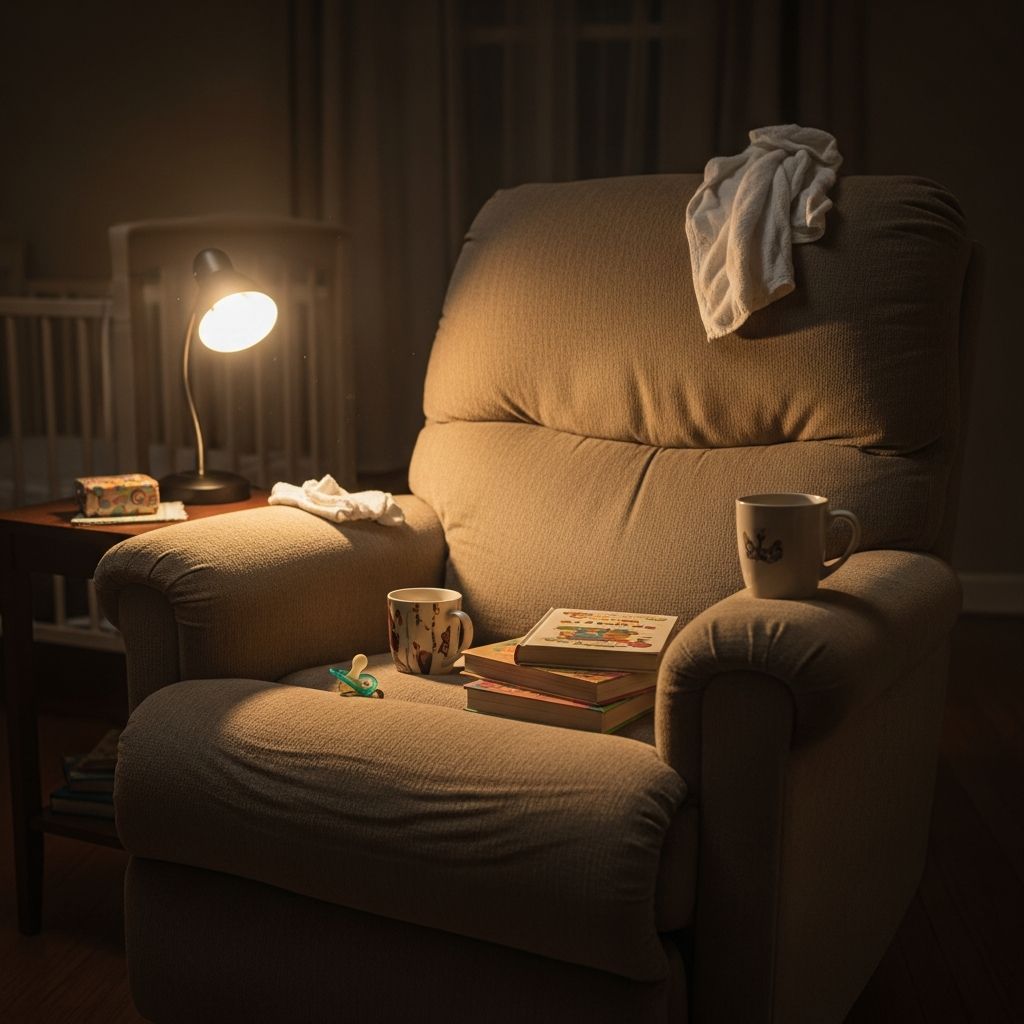
Without repeating the original wording, we can say this: he takes an everyday household object that couples quietly build a relationship around—something worn, comfortable, and taken for granted—and treats it like a full character. Over time, that object becomes his stand-in for the couple’s intimacy, their shared history, and the gradual erosion of space when a child enters the picture.
- Act One: He describes his relationship to this object, turning it into a love story about comfort and inertia.
- Act Two: He shows how the object becomes a problem, a symbol of his resistance to change.
- Act Three: After the baby arrives, the object becomes the battlefield on which attention, energy, and affection are redistributed.
The joke lands because it is simultaneously petty and enormous. He is technically talking about furniture, but he is also describing the painful realization that there may not be enough emotional room for three people in the same small life.
Comedy as a Safe Place for Ugly Feelings
One of the reasons the special has been praised by critics is its emotional honesty. Birbiglia is not shy about sharing thoughts many parents hide, such as:
- Resenting the loss of spontaneity and personal space.
- Feeling replaced in his own marriage.
- Not instantly bonding with his newborn.
- Secretly wondering whether the decision to have a child was a mistake.
Psychologists note that ambivalence around parenthood—holding both positive and negative feelings at once—is common and under-discussed. Comedy becomes a socially acceptable container for those feelings. Audiences can laugh at them, recognize themselves, and feel less alone.
From Solo Guy to Reluctant Co-Parent
The show quietly traces a psychological shift from individual identity to shared responsibility. Early in the hour, Birbiglia presents himself as someone who has carefully architected a small, manageable life: performing, writing, sleeping late, protecting his limited health and energy.
Once his wife’s desire for a child becomes unavoidable, he has to confront several truths:
- His partner’s longing is not going away.
- Staying together may require embracing a life he never wanted.
- There is no guarantee he will be good at or even like parenthood.
Research on couples shows that disagreement about having children is one of the most difficult conflicts to resolve, often tied to identity and long-term life goals rather than simple compromise. Birbiglia transforms that high-stakes relational tension into a slow-burn narrative, letting us feel how reluctant consent hardens into action.
How the Special Speaks to Modern Parenting Anxiety
The New One resonates strongly with a generation already uncertain about whether to have kids. Economic strain, work insecurity, and cultural pressure all play into that anxiety. Birbiglia’s concerns are less about money and more about emotional and physical bandwidth, but the overlap is easy to spot.
| Theme in the Special | Modern Parenting Concern |
|---|---|
| Fear of losing freedom and identity | Worry that children will derail careers, passions, or travel plans |
| Health limitations and exhaustion | Questions about whether one has the physical and mental energy for parenting |
| Relationship strain after baby | Evidence that couple satisfaction often dips in early parenthood |
| Ambivalence about the decision | Growing trend of people feeling unsure about having kids at all |
By articulating these fears out loud—then exaggerating them for humor—Birbiglia offers a kind of cathartic group therapy session disguised as a comedy hour.
Why That One Joke Stays With You
Comedy fans and reviewers often single out the extended metaphor joke as the emotional high point of the special. Several qualities make it stand out:
- Relentless specificity: He describes textures, stains, placements, and tiny domestic rituals, all of which make the image feel lived-in and real.
- Slow escalation: The bit keeps returning, each time revealing a new layer of meaning, turning a mundane object into a full-blown symbol of the relationship.
- Hidden vulnerability: Behind the laughs is an admission that he feels displaced—by the baby, by his wife’s new priorities, by his own limitations.
- A final emotional twist: Near the end, he reframes the metaphor in a way that acknowledges the baby’s place in the family without neatly erasing his resentment.
The result is a joke that is not merely clever but morally complicated. It gives the audience permission to hold multiple truths at once: the love for the child, the pain of losing a previous intimacy, and the uneasy sense that no decision is purely right or wrong.
Birth, Risk, and the Body
The show also touches on the physical and medical realities of pregnancy and birth, including the health risks his wife faces and his own history of medical problems. This is not just narrative color; it deepens the stakes of their decision.
Globally and in the United States, childbirth is associated with measurable health risks for the birthing parent, including complications like hemorrhage, infection, or emergency surgery. Birbiglia’s anxious catalog of worst-case scenarios mirrors real-world statistics, even as he exaggerates them for comic effect.
By acknowledging these dangers on stage, he honors his wife’s sacrifice while also revealing another layer of his fear: not just of the baby, but of losing his partner altogether.
Marriage After the Baby: From Duo to Trio
Relationship researchers have long observed that marital satisfaction often drops in the first years after a child’s birth, as couples adjust to new roles, sleep loss, and time pressure. Birbiglia’s stories of missed connections, logistical conversations, and competing needs map neatly onto those findings.
- Conversations become about schedules instead of feelings.
- Physical affection becomes functional rather than romantic—handing off the baby, sharing chores.
- Small annoyances (like where people sit, or who gets up at night) take on exaggerated significance.
What keeps the special from feeling bleak is his willingness to mock his own pettiness. He repeatedly positions himself as the least sympathetic character—lazy, selfish, and out of step—so when he finally shifts toward genuine care and involvement, it feels earned rather than sentimental.
The Craft Behind the Confession
Beyond content, The New One is a masterclass in structure. Birbiglia is known for shows that play like solo theatre pieces more than loose joke collections, and this special continues that pattern.
Some of the craft choices that stand out include:
- Foreshadowing: Early throwaway lines return later as emotional payoffs.
- Call-backs: Repeated images (including the central metaphor) deepen rather than merely repeat earlier jokes.
- Tonal shifts: He moves smoothly from light observations to confessional monologue, then back to jokes before the mood breaks completely.
- Stage design: The simple visual on stage subtly supports the metaphor at the heart of the show, without becoming a gimmick.
This theatrical framing allows him to smuggle some very raw admissions into what is still, at its core, a comedy special designed to be streamed after bedtime.
Why Parents (and Non-Parents) Connect With It
Even people who never plan to have children find something to hold onto in The New One. At its core, the show is about any life change that reorders your priorities—whether that is a career shift, caring for an aging parent, or a serious illness.
Some universal threads include:
- Fear of change: Worrying that any big step will permanently ruin something you love.
- Selfishness vs. responsibility: Trying to reconcile personal desires with obligations to others.
- Intimacy under pressure: Learning how a relationship bends—or breaks—when a third element is added.
- Unexpected tenderness: Discovering feelings you did not plan for only after you have already taken the risk.
Birbiglia’s genius lies in making these heavy themes feel light enough to laugh at, without trivializing the stakes for the people living them.
Practical Takeaways for Viewers
Although the special is not a parenting guide, many viewers walk away with insights that apply to real life:
- Talk honestly about ambivalence: It is possible to love your child and still mourn your previous life; acknowledging both can reduce shame.
- Respect different timelines: Partners may come to major decisions—like having children—at different speeds, and rushing can create long-term resentment.
- Expect your relationship to change: Research and lived experience show that adding a child reshapes couple dynamics; building in support and communication helps.
- Use humor as a coping tool: Laughing about sleeplessness, lost hobbies, and cramped spaces does not solve them, but it can make them feel survivable.
Frequently Asked Questions (FAQs)
Is ‘The New One’ only for parents?
No. While the main storyline follows Birbiglia’s path into fatherhood, the special is fundamentally about ambivalence toward big life changes, so non-parents can still connect with its themes of fear, commitment, and identity.
How is this different from typical baby or dad comedy?
Many parenting sets lean on familiar jokes about diapers and tantrums. The New One focuses more on the decision to have a child, the toll on a marriage, and the narrator’s reluctance, using a long-form story rather than quick, unrelated bits.
Is the special more funny or more emotional?
Viewers and critics describe it as both; the hour blends sharp jokes with unexpectedly serious reflections on health, risk, and love, often shifting tone within the same story.
Do I need to know Mike Birbiglia’s earlier work to enjoy this?
No. The special stands alone. Fans of his previous autobiographical shows may notice recurring themes—health scares, anxiety, and romantic misadventure—but new viewers can jump in without background.
Why do people talk so much about one particular joke from the special?
Because that extended metaphor encapsulates the show’s central conflict: how to fit a child into a life that already feels full. It manages to be very funny while also capturing the sadness, jealousy, and love that swirl around new parenthood.
References
- Mike Birbiglia’s Netflix Special ‘The New One’: This Is The Best Joke — Fatherly. 2019-11-27. https://www.fatherly.com/play/mike-birbiglia-netflix-the-new-one-review-best-joke
- Mike Birbiglia: The New One — Rotten Tomatoes. 2019-11-26. https://www.rottentomatoes.com/m/mike_birbiglia_the_new_one
- Pregnancy, childbirth, postpartum, and newborn care — World Health Organization. 2022-02-17. https://www.who.int/health-topics/maternal-health
- Review: Mike Birbiglia, “The New One” on Netflix — The Comic’s Comic. 2020-07-02. https://thecomicscomic.com/2020/07/02/review-mike-birbiglia-the-new-one-on-netflix/
- Transition to Parenthood — American Psychological Association. 2020-01-01. https://www.apa.org/topics/parenting/transition
- Ambivalent Parenthood: Existential Concerns and Value Conflicts — Journal of Family Issues (via SAGE Journals). 2022-03-10. https://doi.org/10.1177/0192513X221084262
- Couples’ Decisions About Having Children — Pew Research Center. 2021-11-19. https://www.pewresearch.org/social-trends/2021/11/19
- Why fewer U.S. adults are having children than they would like — Pew Research Center. 2021-11-19. https://www.pewresearch.org/short-reads/2021/11/19/why-fewer-us-adults-are-having-children-than-they-would-like/