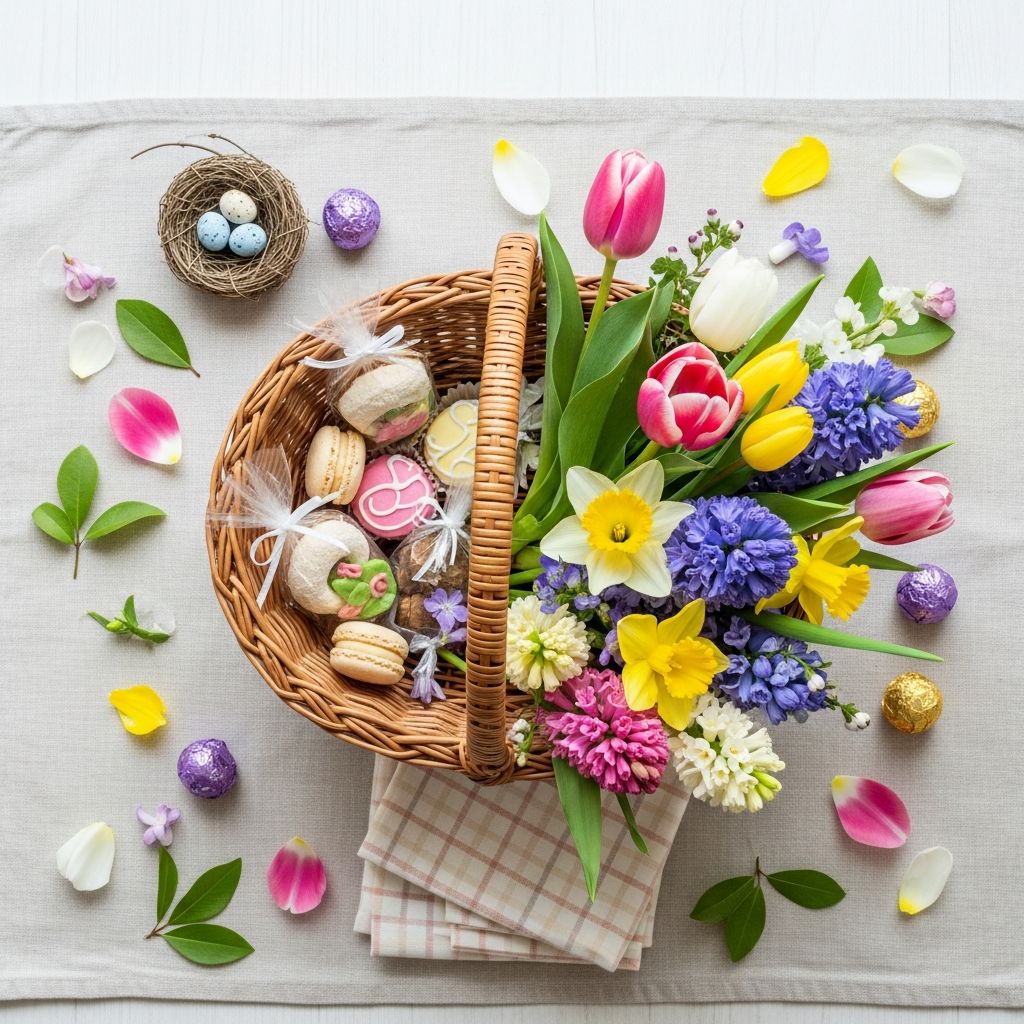
May Day baskets are a charming way to welcome spring, connect with neighbors, and give children a simple, hands-on way to spread kindness. Rooted in older European spring customs and adapted in North America, these small bundles of flowers and treats are left anonymously on doorsteps to mark the first day of May and the return of warmer weather.
Why May Day Baskets Still Matter
In a world full of digital messages and fast-paced routines, making and sharing a small handmade basket is an easy way to slow down and create a real moment of delight. The tradition can be as simple as a single flower in a paper cone or as elaborate as a decorated basket filled with homemade goodies, but the heart of it stays the same: generosity without expecting anything in return.
Because this ritual is flexible and low-cost, it works beautifully for families with young children, classrooms, community groups, or anyone who wants to add something playful and kind to the calendar that is not tied to commercial holidays.
Understanding the May Day Basket Tradition
Historically, May 1 has been connected with marking the arrival of spring, longer daylight, and the hope of a fruitful growing season. In some regions, people once danced around decorated poles, crowned a May queen, or lit bonfires; in others, the custom evolved into giving small baskets of flowers and sweets to friends and neighbors.
Over time, these baskets often became anonymous surprises, especially for children. The classic version involves quietly hanging a basket on a doorknob or placing it on a doorstep, ringing the bell, and then quickly running away, leaving behind only the basket as a cheerful mystery.
Planning Your May Day Basket Project
Good planning makes the activity more relaxed and enjoyable, especially if you are working with children or a group. Decide first how many households or recipients you want to include, then choose a basket style that matches your time, budget, and crafting comfort level.
Think about the ages of your helpers and the people receiving the baskets, any allergies or dietary needs, and whether you will be delivering on foot, by bike, or by car. All of those details will influence the size, sturdiness, and contents of your baskets.
Basic Planning Checklist
- Number of baskets you want to deliver.
- Type of container (paper cones, recycled cups, small boxes, traditional baskets).
- Budget for supplies and treats.
- Time available for crafting and delivery.
- Weather forecast for May 1 and how that may affect fresh flowers.
Materials and Tools You Might Use
There is no single standard design for a May Day basket, which means you can adapt the materials to what you have on hand. Many beautiful versions can be created from items that might otherwise be recycled or thrown away.
Below is a flexible list of supplies to help you get started; you do not need every item. Mix and match based on your style and the age of your crafters.
Common Basket Containers
- Colored cardstock or scrapbook paper for cones.
- Construction paper for kid-made baskets.
- Clean paper cups, yogurt cups, or small cardboard boxes.
- Reusable tins or jars for eco-friendly versions.
- Mini woven or wire baskets if you prefer a classic look.
Decoration Supplies
- Markers, crayons, or colored pencils.
- Stickers, washi tape, or stamps.
- Ribbon, twine, or yarn for handles and bows.
- Scrap fabric or lace for a touch of texture.
- Paper doilies, tissue paper, or gift wrap scraps.
Filling Options
- Fresh flowers from your yard or a market.
- Artificial flowers for allergy-friendly or long-lasting gifts.
- Individually wrapped candies or chocolates.
- Homemade cookies or small baked goods (wrapped).
- Handwritten notes, small drawings, or encouraging messages.
Helpful Tools
- Scissors (safety scissors for younger kids).
- Glue sticks, liquid glue, or double-sided tape.
- Hole punch for attaching handles.
- Ruler or straight edge for folding.
- Optional: stapler for quick, sturdy connections.
Step-by-Step: Making a Simple Paper Cone Basket
The paper cone is one of the easiest and most versatile versions of a May Day basket. It works well for holding small flowers and lightweight treats, and even very young children can help decorate it.
These instructions use basic materials and can be adjusted for different sizes by changing the paper dimensions.
Instructions for a Classic Paper Cone
- Cut your paper base. Use a square or rectangle of sturdy paper; a piece about the size of a standard letter sheet makes a medium basket.
- Decorate first. Lay the paper flat and decorate one side using crayons, markers, stamps, or collage materials. Allow any glue to dry before shaping.
- Form the cone shape. Roll the decorated paper into a cone, overlapping edges until you like the shape. The point should be closed and the top opening wide enough for your fillers.
- Secure the seam. Use tape, glue, or a staple along the seam so the cone holds its shape even when full.
- Add a handle. Cut a strip of paper, ribbon, or yarn. Punch two small holes near the top edge of the cone on opposite sides, thread the handle through, and tie or tape the ends inside.
- Prepare the interior. Add a bit of tissue paper, shredded paper, or fabric inside to cushion the contents and help them sit upright.
- Fill and finish. Gently place flowers, treats, and notes inside. Make sure heavier items rest on the bottom and lighter items are on top.
Alternative Basket Styles for Every Age
If you want to try something beyond the basic cone, there are many ways to customize the containers to fit your available time, materials, and crafting skills. Below are several ideas organized by approximate difficulty level and ideal age group.
| Basket Style | Best For | Approximate Time | Key Benefits |
|---|---|---|---|
| Decorated paper cup | Young kids, classrooms | 10–15 minutes | Very sturdy, minimal cutting, easy to carry. |
| Folded cardstock box | Older kids, teens | 20–30 minutes | More polished look, holds slightly heavier items. |
| Repurposed jar with ribbon | Adults, eco-conscious crafters | 15–25 minutes | Reusable container, excellent for garden flowers. |
| Mini woven paper basket | Crafters who enjoy detail work | 30–45 minutes | Intricate appearance, great for display. |
Decorated Paper Cup Baskets
Paper cups are ideal when you need many baskets in a short time, such as for a classroom, daycare, or neighborhood project. Children can color directly on the cups or apply stickers and tape without needing to handle scissors much.
To turn a cup into a basket, poke two holes near the rim on opposite sides, thread a ribbon or pipe cleaner through to create a handle, and tie knots on the inside. The wide opening makes it simple for small hands to fill and carry.
Repurposed Jars or Tins
Using small jars or tins turns the May Day basket into a gift that keeps on giving. After the flowers fade, the recipient can use the container for pencils, tea lights, or organizing small items.
To dress up a jar, wrap it with ribbon, twine, or a strip of patterned paper, and tie on a tag with a short note. If hanging is important, consider adding a wire or twine hanger securely around the neck of the jar.
What to Put Inside Your May Day Baskets
Choosing what to include is often the most enjoyable part of the process. Try to combine something beautiful to look at, something sweet or useful, and something personal such as a note or drawing.
When planning treats, be mindful of potential allergies, dietary preferences, or pets that may find a basket before the intended person does. When in doubt, non-food items can be just as meaningful.
Flower Ideas
- Cut flowers from your own garden, especially hardy spring blooms.
- Small bunches from a local market, divided between baskets.
- Potted seedlings or herbs that can be planted outdoors later.
- Simple paper or felt flowers for a long-lasting, allergy-friendly option.
Treat and Gift Ideas
- Wrapped candies or chocolates in moderation.
- Mini packets of tea, hot cocoa, or coffee.
- Seed packets for flowers, herbs, or vegetables.
- Small handmade items such as bookmarks, painted rocks, or magnets.
Personal Touches
- A short handwritten note wishing a happy spring.
- A child’s drawing or simple poem.
- A quote about kindness or nature that fits on a small tag.
- The recipient’s name written in decorative lettering.
Delivering Your May Day Baskets
Delivery is where the tradition becomes a playful adventure. Many families and groups enjoy the ritual of quietly approaching a house, hanging or placing the basket, ringing the bell, and then dashing away before being seen.
Safety and courtesy should always come first. Plan your route in daylight or early evening, respect any signs or gates, and make sure children are supervised and staying clear of roads and driveways.
Tips for a Smooth Delivery Day
- Choose comfortable shoes and clothing, especially if you will be walking several blocks.
- Assign each child or helper a group of houses so everyone stays organized.
- Carry baskets in a box or tote bag to prevent them from tipping.
- Consider leaving a small note on the first basket explaining the tradition if you think the recipient may not be familiar with it.
Adapting May Day Baskets for Different Settings
One reason this custom fits so well into modern life is that it can be scaled up or down depending on where you are celebrating. A teacher can turn it into a simple classroom activity, while a community group might organize a neighborhood-wide event.
The same core idea—creating and giving small, cheerful gifts—can be tailored to workplaces, senior centers, apartment buildings, or rural communities with more distance between homes.
Ideas for Schools and Classrooms
- Have each student decorate one basket and exchange them anonymously within the class.
- Deliver baskets to school staff, such as librarians, custodians, or office workers, as a thank-you gesture.
- Connect the activity to lessons about seasons, community, or cultural traditions.
Ideas for Neighborhoods and Communities
- Coordinate with neighbors so every household both gives and receives a basket.
- Focus on older neighbors or those who may be more isolated.
- Create a shared online map or list where people can sign up to participate while still keeping the baskets themselves anonymous.
Eco-Friendly and Budget-Conscious Variations
May Day baskets do not need to be expensive or wasteful to be festive. With a little creativity, you can use mostly items you already have and choose fillers that will be enjoyed for a long time rather than thrown away quickly.
Recycled containers, locally grown flowers, and practical small gifts such as seeds or reusable bags can keep the focus on sustainability while still feeling celebratory.
Low-Cost Ideas
- Use old magazines or newspaper pages as the base for your cones, then paint or color over them.
- Fill baskets with homemade treats, such as a few cookies or a small loaf of bread, wrapped in parchment.
- Create hand-lettered bookmarks or mini art cards as the main gift.
Environmentally Friendly Choices
- Choose reusable containers such as jars, tins, or cloth pouches.
- Skip plastic confetti and use shredded brown paper, fabric scraps, or dried leaves.
- Offer seeds or small plants that can support pollinators in the recipient’s yard or balcony.
Common Mistakes and How to Avoid Them
Even a simple tradition can have a few small pitfalls, from baskets that fall apart en route to flowers that wilt too quickly. A bit of foresight can keep your experience lighthearted and stress-free.
The following tips address frequent issues such as timing, weight, and matching the container to the contents.
- Overloading the basket. Keep items light to avoid tearing paper or breaking handles.
- Forgetting the weather. If the day is hot, avoid chocolate that might melt; if it is cold, choose hardier flowers.
- Ignoring allergies. Include notes about food ingredients or choose non-food gifts when uncertain.
- Rushing the crafting step. Allow glue or paint to dry completely before filling and transporting baskets.
Frequently Asked Questions About May Day Baskets
Is it important to keep the giver anonymous?
Traditionally, the giver would leave the basket without revealing their name, turning the exchange into a playful mystery. However, many modern families choose to sign their names, especially when giving to close neighbors or when children are eager to let friends know who made the gift.
Do May Day baskets have to be delivered exactly on May 1?
Although May 1 is the customary date, schedules and weather do not always cooperate. It is perfectly acceptable to choose the closest convenient day and explain in a note that you are celebrating the spirit of May Day, even if the timing is slightly different.
Can this tradition be adapted for apartment buildings?
Yes, apartment living can actually make delivery easier because many neighbors are close together. Simply hang small, lightweight baskets on door handles or place them neatly by the door, and be mindful of any building rules about leaving items in hallways.
What if my neighbors are not familiar with May Day?
Many people today have never heard of May Day baskets, so including a short note can be helpful. A sentence or two explaining that it is an old spring custom of sharing flowers and treats is usually enough to make the intention clear and avoid confusion.
Are there safe options for people with food allergies?
Absolutely. Instead of edible treats, you can fill baskets with flowers, seeds, small crafts, or practical items like bookmarks and magnets. If you do include food, label it clearly and choose simple, common ingredients whenever possible.
Bringing the Tradition to Life
May Day baskets blend creativity, generosity, and a sense of seasonal change into an activity that works for nearly any age or setting. Each basket is a small story: the hands that made it, the path it traveled, and the smile on the face of the person who opens the door and finds it waiting there.
Whether you craft a single basket for a neighbor or organize a larger neighborhood event, the key is to keep the project joyful rather than perfect. With simple materials, a bit of planning, and a willingness to play, you can help this gentle spring tradition continue to bloom for years to come.