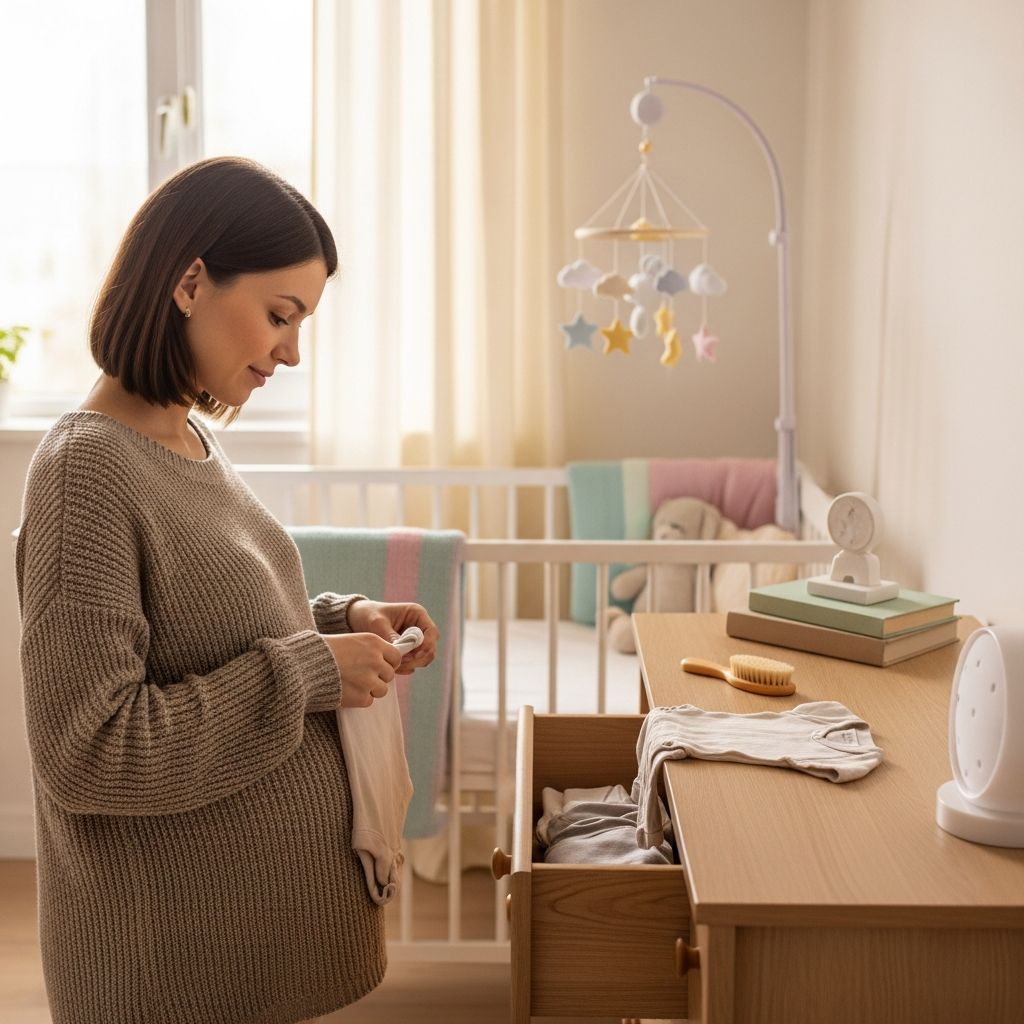
New mothers often step into maternity leave expecting a blissful period of rest and connection with their newborns. Yet, this time brings a complex mix of profound joy, unexpected anxiety, and deep introspection that can reshape a woman’s sense of self.
Understanding the Emotional Spectrum of Early Motherhood
The transition to motherhood triggers intense emotional responses. Hormonal shifts post-delivery, sleep deprivation, and the sudden shift in identity contribute to a rollercoaster of feelings. Research shows that 10-15% of new mothers experience postpartum depression, with risks heightened by stress around childbirth.
Positive emotions like overwhelming love and fulfillment often dominate initial days. However, as weeks progress, many report fleeting sadness or irritability. These are normal responses to the physiological changes, including plummeting estrogen and progesterone levels, which can mimic depressive symptoms.
- Joyful bonding: Skin-to-skin contact releases oxytocin, fostering attachment.
- Unexpected tears: ‘Baby blues’ affect up to 80% of mothers, resolving within two weeks.
- Persistent worry: Anxiety about infant care signals deeper mental health concerns if unrelieved.
Mental Health Benefits Linked to Leave Duration
Generous maternity leave policies correlate with improved mental health outcomes. Studies using difference-in-differences analyses reveal that longer, paid leaves reduce depressive symptoms long-term. For instance, mothers benefiting from extended leave around their first child’s birth showed 0.38 fewer points on the Euro-D depression scale in later life.
In the U.S., data from California’s paid leave program indicates women taking paid leave and staying out beyond 12 weeks had significantly lower CES-D scores, measuring depressive symptoms, compared to those returning early. Shorter leaves under 12 weeks raised odds of postpartum depression, while each additional week lowered risks.
| Leave Duration | Average CES-D Score Impact | Key Finding |
|---|---|---|
| <12 weeks | +0.13 SD higher | Increased depression risk |
| 12+ weeks (paid) | -0.32 SD lower | Better mental health |
| 13+ weeks paid | Significantly reduced distress | Optimal for well-being |
These findings underscore that paid leave beyond 12-13 weeks allows recovery time, breastfeeding establishment, and bonding, all protective against mental health decline.
Common Emotional Challenges During Leave
Isolation emerges as a primary hurdle. Without workplace routines, new mothers may feel disconnected from adult interactions, amplifying loneliness. Social media portrayals of ‘perfect’ motherhood add pressure, fostering inadequacy.
Sleep loss exacerbates irritability and cognitive fog, mimicking depression. Financial strains from unpaid or short leaves compound stress, particularly for low-income families. Research from PRAMS data shows women on unpaid leave report higher pre- and post-birth depression rates than those on paid leave.
Top Emotional Hurdles
- Loss of professional identity and purpose.
- Relationship strains with partners due to uneven childcare loads.
- Fear of career derailment upon return.
- Grief over pre-baby lifestyle freedoms.
Strategies for Emotional Resilience on Leave
Building a support network is crucial. Joining new parent groups combats isolation, providing validation and practical advice. Prioritizing self-care—short walks, nourishing meals, brief naps—replenishes energy reserves.
Mindfulness practices, like guided breathing or journaling, help process emotions. Tracking moods via apps can flag patterns warranting professional help. Partners should share household tasks to prevent burnout.
- Schedule ‘me time’: Even 15 minutes daily for reading or stretching.
- Seek therapy early: Cognitive behavioral techniques address anxiety effectively.
- Leverage community: Online forums or local meetups for shared experiences.
- Communicate openly: Discuss feelings with loved ones without judgment.
Long-Term Impacts on Maternal Well-Being
Maternity leave’s emotional experiences influence decades-later health. Reduced early stress lowers vulnerability to chronic depression. Better mother-infant bonds from extended leave predict positive child outcomes, indirectly boosting maternal satisfaction.
Employment trajectories improve with paid leave, enhancing financial security and self-esteem. Women taking 26-52 weeks total leave report less psychological distress. Policymakers note paid leave as a health justice tool, cutting maternal morbidity costs.
Real-Life Insights from New Mothers
Anecdotal evidence mirrors research. Many describe initial euphoria fading into doubt: ‘I loved my baby but missed my old self.’ Those with 3+ months leave often report smoother adjustments, citing time for routines and healing.
Challenges peak around weeks 6-8, when baby blues should resolve but fatigue lingers. Success stories highlight routines: morning walks, partner nights off, and therapy check-ins.
‘Maternity leave was my emotional boot camp—raw, real, rewarding.’ – Anonymous mother
Frequently Asked Questions
How long should maternity leave be for optimal emotional health?
Research recommends at least 12-13 weeks of paid leave to minimize depression risks and support recovery.
Is postpartum anxiety normal during leave?
Yes, affecting many new moms; it often stems from hormonal changes and sleep disruption but improves with support.
What if emotions don’t improve after two weeks?
Consult a healthcare provider; persistent symptoms may indicate postpartum depression needing intervention.
Does paid leave really make a difference emotionally?
Absolutely—studies show lower depressive scores and better bonding with extended paid time off.
How can partners support emotional well-being on leave?
By handling chores, encouraging rest, and listening actively without fixing.
Advocating for Better Leave Policies
Expanding paid family leave remains vital. With over half of 2020 U.S. births involving some paid leave, yet disparities by income and race persist. Universal policies could save lives by addressing maternal mental health crises.
Employers benefit too: supported mothers return more engaged, reducing turnover. Governments investing in leave see long-term societal gains via healthier families.
References
- The long-run effect of maternity leave benefits on mental health — Avendano M, et al. 2015-04-15. https://pmc.ncbi.nlm.nih.gov/articles/PMC4400242/
- The Interconnection of Paid Family and Medical Leave and Maternal Mental Health — Policy Center for Maternal Mental Health. 2023. https://policycentermmh.org/the-interconnection-of-paid-family-and-medical-leave-and-maternal-mental-health/
- The Effect of Paid Leave on Maternal Mental Health — Washington State University. 2020-08. https://wpcdn.web.wsu.edu/cahnrs/uploads/sites/5/2020/08/PaidLeave_MCHJ.pdf
- Paid Leave: A Health Justice Imperative for Maternal Mental Health — AAMC Health Justice. 2023. https://www.aamchealthjustice.org/news/research/paid-leave
- How Paid Leave Can Address Maternal Mental Health, Save Lives — CLASP. 2023. https://www.clasp.org/blog/how-paid-leave-can-address-maternal-mental-health-save-lives/
- Paid Family Leave: How Much Time Is Enough? — New America. 2019. https://www.newamerica.org/better-life-lab/reports/paid-family-leave-how-much-time-enough/maternal-health-and-wellbeing/
- Paid maternal leave is associated with better language and socioemotional outcomes — Hill Z, et al. 2021-12-01. https://pmc.ncbi.nlm.nih.gov/articles/PMC8684353/