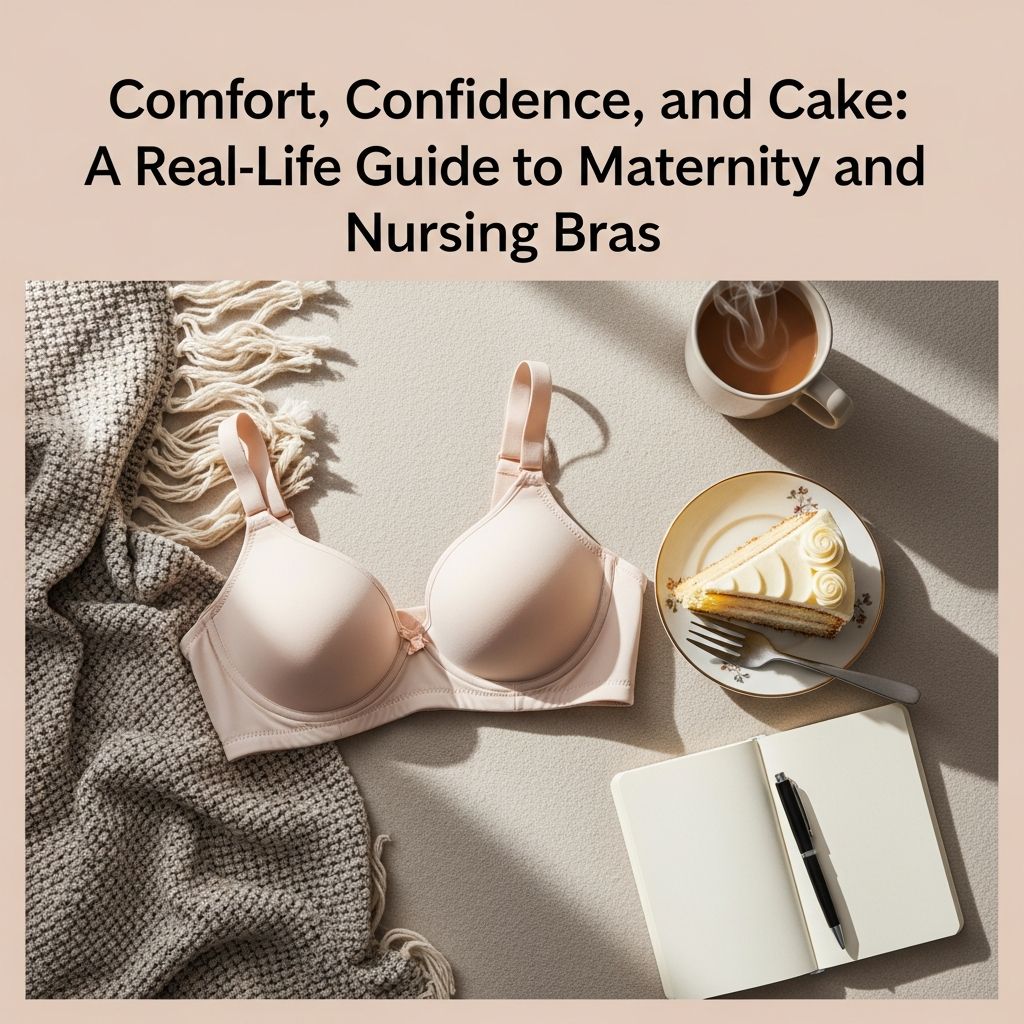
Pregnancy and breastfeeding change your body in powerful ways, and your bra drawer needs to evolve with you. A good maternity or nursing bra is not just a nice-to-have; it is a daily support system that affects your comfort, posture, and even your breastfeeding experience.
Why Your Old Bras Stop Working
Most everyday bras are designed for a fairly stable size and shape, which is the opposite of what happens during pregnancy and breastfeeding. As your ribcage expands, your cup size increases, and your breasts become heavier and more sensitive, the underwires and narrow straps that once felt fine can suddenly feel restrictive or even painful.
Instead of constantly loosening straps and suffering through tight bands, maternity and nursing bras are built to move with you. They typically offer more flexible fabrics, extra hooks on the band, and thoughtful details that prevent digging, chafing, and awkward spillage.
Key Features That Make a Bra “Maternity” or “Nursing”
Maternity and nursing bras share some common design elements that cater to a changing and breastfeeding body. Understanding these features helps you recognize quality and decide what you personally need versus what is just marketing flair.
- Flexible sizing: Wider bands, multiple hook-and-eye options, and stretchy cups accommodate fluctuating sizes.
- Soft, non-irritating fabrics: Smooth linings and tag-free designs help protect sensitive skin and nipples.
- Easy access for feeding: Clips, drop-down cups, pull-aside panels, or crossover fronts allow quick nursing without fully undressing.
- Support without restriction: Wider straps, reinforced side panels, and supportive underbands help lift without compressing breast tissue.
Types of Maternity and Nursing Bras (And When to Use Them)
Not all nursing bras are created for the same moment. Some shine during the chaotic early weeks, while others are perfect when your supply settles and your schedule becomes more predictable.
1. Seamless Everyday Nursing Bras
These are often the workhorses of a nursing wardrobe. Seamless bras are usually wire-free, lightly stretchy, and designed to be worn all day under almost anything, from T-shirts to loungewear.
- Great for the first and third trimesters when your size fluctuates.
- Comfortable enough for work-from-home days and errands.
- Offer light to medium support without stiff seams or lace.
2. Flexible-Wire or Lightly Wired Nursing Bras
Flexible-wire bras use specially shaped, softer underwires that sit around the breast tissue rather than digging into it. Many parents prefer them once their size stabilizes, because they mimic the lift and shape of a favorite pre-pregnancy bra.
- Ideal after the initial postpartum engorgement phase has passed.
- Good match for larger busts that need extra structure.
- Best for days when you want a more tailored silhouette under structured clothing.
3. Sleep and Lounge Nursing Bras
Nighttime bras are soft, lightly supportive, and often wire-free pull-on styles. They keep nursing pads in place to avoid leaks in bed and provide gentle support without feeling like you are “wearing a bra” at all.
- Designed for overnight use, cluster-feeding sessions, and skin-to-skin cuddles.
- Commonly have crossover fronts or stretchy cups you can pull aside one-handed.
- Also handy during the last trimester, when rolling over in bed can be uncomfortable without some chest support.
4. Nursing Sports Bras
If movement and exercise are part of your routine, a standard sports bra can be a nightmare for nursing access. Nursing sports bras combine support with smart openings or clips so you can feed or pump without wrestling your way out of your bra in a locker room or parking lot.
- Offer more compression and bounce control for walking, yoga, or higher-impact workouts, depending on the design.
- Include easy-open panels, zippers, or clips suitable for post-workout feeding.
- Use moisture-wicking, breathable fabrics to handle sweat and milk leaks.
5. Hands-Free Pumping and Hybrid Bras
For parents using breast pumps, hands-free bras are game-changers. They secure pump flanges in place so your hands are actually free to work, text, or drink water while you pump.
- Some are standalone pumping bras with openings or slits to hold flanges.
- Hybrid nursing-and-pumping bras allow you to both pump and nurse from the same bra, simplifying your drawer.
- Excellent for exclusive pumpers and working parents who need efficient breaks.
When to Start Wearing Maternity Bras
There is no universal week when everyone should switch; your body will usually tell you when it is time. If your regular bras feel tight on the loosest hook, your straps dig in by midday, or you find yourself unhooking your bra the moment you get home, you are probably ready.
Many people size up at least once during pregnancy and again shortly after birth. It is completely normal to rotate between a few different sizes over the course of a year, so buying a small collection as you go often makes more sense than trying to predict everything in advance.
How Many Maternity and Nursing Bras Do You Really Need?
The right number depends on your lifestyle, how often you do laundry, and whether you are pumping. You do not need a drawer overflowing with options, but having a small “capsule wardrobe” of bras can prevent a lot of stress during hectic days.
| Type of Bra | Recommended Quantity | Primary Use |
|---|---|---|
| Seamless everyday nursing bra | 2–3 | Daily wear, errands, casual outfits |
| Sleep / lounge nursing bra | 1–2 | Night feeds, early postpartum, rest days |
| Flexible-wire or structured nursing bra | 1–2 | Work, dressier outfits, higher support needs |
| Nursing sports bra | 1–2 | Exercise, walks, active days |
| Hands-free pumping or hybrid bra | 1–2 | Pumping sessions, work, travel |
Think in terms of rotations: one on your body, one in the drawer, and one in the wash. If you are dealing with frequent leaks or spit-up, leaning toward the higher side of each range can save you from emergency late-night laundry sessions.
Finding the Right Size (Even as It Keeps Changing)
Professional fittings are helpful, but not always accessible when you are tired, busy, or caring for other kids. Learning to measure at home gives you a starting point and helps you interpret size charts from different brands.
Step-by-Step Sizing at Home
- Measure your band: Using a soft tape, measure snugly around your ribcage, directly under your breasts, while exhaling gently. Round to the nearest whole number; this is your band size starting point.
- Measure your bust: Measure around the fullest part of your breasts, keeping the tape parallel to the floor and not too tight.
- Calculate your cup: Subtract the band measurement from the bust measurement; the difference helps indicate your cup size (larger differences correspond to larger cups).
Because pregnancy and breastfeeding cause rapid changes, treat this measurement as a snapshot, not a permanent answer. Many find that stretchy, multi-size bras (S, M, L with band and cup ranges) feel more forgiving during the most changeable months.
Fit Checks: Signs Your Nursing Bra Loves You Back
A bra that technically fits by the numbers can still feel wrong in real life. Paying attention to small signs of discomfort can help you correct issues before they turn into clogged ducts or back pain.
- Band: It should sit level around your body and feel snug but breathable on the loosest hook when new.
- Cups: Breast tissue should sit fully inside the cups without overflow at the top or sides.
- Straps: They should rest on your shoulders without digging in or slipping off, providing lift but not carrying all the work.
- Wires or frame: Any underwire or firm edge should sit outside your breast tissue, not pressing into it.
If you feel relief the second you take your bra off, consider that a sign it is time for a size or style adjustment.
Fabric, Breathability, and Skin Sensitivity
Your skin and nipples can be far more sensitive during pregnancy and breastfeeding, especially if you experience dryness, cracking, or thrush. Fabrics and construction matter more than ever during this time.
- Natural fibers: Cotton and bamboo blends can feel soft and breathable, which is helpful in hot weather or if you tend to sweat.
- Performance blends: Moisture-wicking synthetics shine in sports bras and pumping bras, where sweat and milk leaks are more likely.
- Smooth seams: Flat seams, soft thread, and covered elastics can reduce friction on tender areas.
Having at least one ultra-soft bra reserved for flare-ups, cracked nipples, or irritated skin gives you a comfortable fallback option when everything feels overstimulating.
Style and Confidence Still Matter
Comfort is essential, but feeling like yourself matters too. Many modern maternity and nursing bras incorporate lace, prints, and thoughtful colors without sacrificing function, which can be a mental boost during seasons when your body feels unfamiliar.
- Choose at least one bra in a color or style that simply makes you happy.
- Look for low-profile hardware and smooth silhouettes so you can wear fitted tops without visible seams or clips.
- Reserve one “special” bra for date nights, photos, or any moment when you want to feel particularly put together.
Care and Longevity: Making Your Bras Last
Maternity and nursing bras work hard, often being worn and washed far more frequently than regular bras. Gentle care extends their life, saves money, and keeps them comfortable longer.
- Washing: Use cool water and a mild detergent, ideally in a lingerie bag if using a machine.
- Drying: Lay bras flat or hang them by the center gore instead of straps to avoid stretching.
- Rotation: Avoid wearing the same bra multiple days in a row so the elastic can recover between uses.
As soon as bands ride up, straps no longer stay tightened, or cups feel limp, it may be time to retire a well-loved piece and bring in a replacement.
Practical Scenarios and Bra Solutions
Different days call for different solutions. Instead of thinking in terms of one “perfect” bra, it helps to imagine realistic moments and choose styles that match them.
- Early postpartum at home: Soft sleep bras and seamless wire-free bras make round-the-clock feeding more comfortable.
- Returning to work while breastfeeding: Hybrid nursing/pumping bras that look like regular T-shirt bras simplify your morning routine.
- Weekend walks or light workouts: Nursing sports bras provide support so you can move freely and still feed on demand.
- Special events and photos: A flexible-wire or structured nursing bra can provide shape and lift under dresses or tailored tops.
FAQs About Maternity and Nursing Bras
Do I really need a special nursing bra?
You can technically nurse in a regular soft bra by pulling it up or down, but dedicated nursing bras are designed to protect your breast tissue, support changing sizes, and give much easier access. Over months of daily use, those small design differences add up to a big improvement in comfort and convenience.
When should I buy my first maternity or nursing bra?
Buy your first one as soon as your regular bras feel uncomfortable, even if you are only a few weeks pregnant. Many people invest in at least one or two stretchy, non-wired bras early on, then add more structured styles closer to the third trimester or when breastfeeding begins.
Is it safe to wear underwire while breastfeeding?
Underwire itself is not automatically unsafe, but a poor fit can press into breast tissue and contribute to discomfort or clogged ducts. If you choose flexible-wire bras, prioritize proper sizing and make sure the wire sits behind, not on top of, your breast tissue.
Can one bra work for both pregnancy and breastfeeding?
Many modern designs are intentionally made for both stages, with stretchy cups and nursing clips. Choosing a few versatile styles that function during pregnancy, postpartum, and breastfeeding can be more cost-effective than buying separate wardrobes.
What if my size changes again after a few months?
Fluctuations are normal as your milk supply regulates and your body recovers. Adjustable bands, stretchy cups, and multi-size ranges (like S–XL with specific bust ranges) help you ride out those changes without buying new bras every few weeks.
Building a Bra Drawer That Works for Your Real Life
A thoughtful maternity and nursing bra collection is less about following rigid rules and more about being honest about your daily life. Do you mostly work at a desk, chase toddlers at the playground, or commute and pump at the office? Your answers should shape which styles you prioritize.
Start small, observe what you reach for most, and slowly fill gaps as you go. With the right combination of comfort, support, and access, your bras become invisible helpers—quietly supporting you while you focus on what matters most: caring for yourself and your baby.