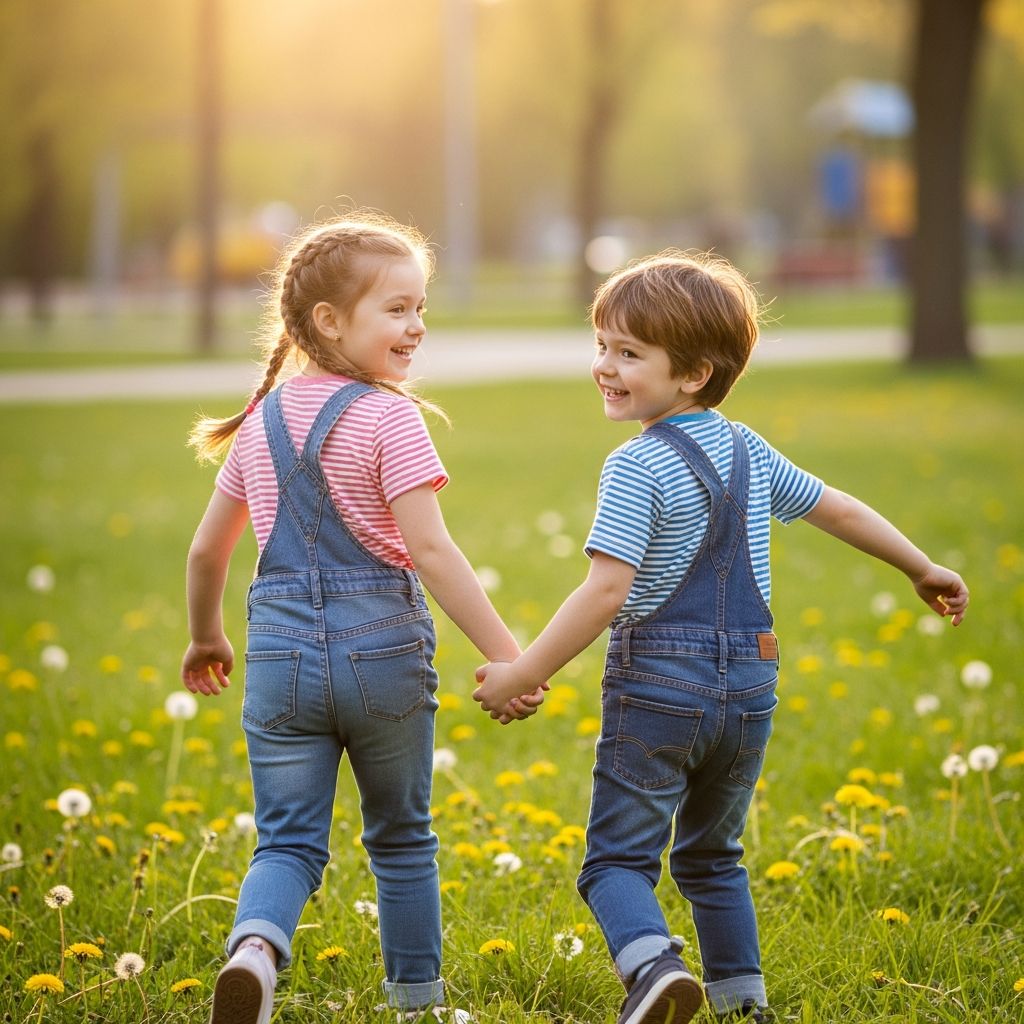
Coordinating outfits for kids has become a playful way for families to express connection, capture beautiful photos and make everyday moments feel a little more special. When done thoughtfully, matching clothes can be fun, practical and comfortable for everyone involved.
This guide walks through the why, when and how of matching outfits for kids, with fresh ideas, outfit formulas, shopping tips and answers to common questions. The goal is not perfection, but easy, joyful style that fits your real life.
Why Matching Outfits Feel So Special
Matching or coordinating outfits appeal to families for both emotional and practical reasons. They combine the fun of dressing up with the ease of having a ready-made look.
- Shared identity: Coordinated outfits highlight sibling or family bonds in a visual way that kids often find exciting.
- Photo-ready looks: Matching ensembles make it easy to get cohesive family photos for holidays, announcements or everyday memories.
- Less morning stress: Planning coordinated sets in advance means fewer arguments about what to wear and less time spent putting outfits together.
Matching vs. Coordinating: What’s the Difference?
Parents often use “matching” as a catch-all term, but there is a helpful difference between perfectly matching and loosely coordinating outfits. Understanding the distinction makes it easier to dress kids with different ages, sizes and preferences.
| Style Approach | What It Means | Best For | Example |
|---|---|---|---|
| Exact Matching | Same print, colors and often the same garment type for each child. | Holiday photos, special events, short wear times. | All siblings in the same plaid dress or identical T-shirts. |
| Coordinated Looks | Shared color palette or print, but different pieces or silhouettes. | Daily wear, comfort-first kids, mixed ages and body types. | Baby in a floral romper, older child in a solid dress pulling colors from the floral print. |
For most families, a coordinated approach is easier to maintain over time. It allows each child to wear pieces that suit their personality while still feeling part of the group.
Popular Types of Matching Kids’ Outfits
There are many ways to play with matching outfits beyond identical sibling sets. Considering different relationship types and occasions helps you choose styles that will get worn more than once.
Siblings and Multiples
Whether you have two siblings or a crew of cousins, sibling sets are the most common form of matching outfits. They can be simple or elaborate, depending on the event and your budget.
- Baby + toddler duos: Look for the same print offered as a romper for baby and a dress, tee or shorts set for the older child.
- Big sister / little sister or brother themes: Coordinated tops with complementary graphics work well when sizes vary.
- Multiples (twins, triplets): Subtle differences, like color-swapped versions of the same outfit, help highlight individuality.
Parent-Child “Mini Me” Looks
Many brands now offer “mommy and me” or “daddy and me” lines that make it easy to share a look with your child. These outfits can be playful for a special occasion or quietly coordinated for everyday wear.
- Match through prints, such as stripes or florals, rather than identical cuts to keep adult outfits practical.
- Use accessories, like hats or sneakers, to echo your child’s outfit if full matching feels too bold.
Whole-Family Outfits
For holidays, milestone photos or trips, matching the entire family can be surprisingly efficient. Planning a shared color scheme first makes shopping more focused and less overwhelming.
- Choose two to three core colors and a neutral, then build each person’s outfit from those shades.
- Mix patterns carefully: one bold pattern (like plaid or big florals) plus smaller, subtle prints or solids.
Outfit Formulas That Always Work
If you struggle to picture what matching outfits should look like in practice, start with simple formulas. Repeating a structure with slight variations helps maintain harmony across kids of different ages.
Formula 1: Shared Print, Different Pieces
Pick a signature print and use it across various silhouettes. This approach is flexible and remains cute even as kids grow out of certain styles.
- Baby: printed onesie or romper.
- Toddler: same print in a dress or short set.
- Older child: coordinating T-shirt or skirt featuring the print in a smaller area (like a pocket or trim).
Formula 2: Color Palette Coordination
Instead of focusing on a specific pattern, choose a palette of two to four colors and dress each child in different combinations of those shades. This method is ideal for kids with strong style preferences.
- Neutral base (white, cream, gray, denim) with two accent colors.
- Each child wears at least one neutral and one accent color.
- Accessories, such as hair bows, socks or hats, can pull the palette together.
Formula 3: Same Theme, Mixed Styles
A single theme can tie together outfits even when the colors and pieces are quite different. This is useful when shopping across different brands or existing wardrobes.
- Seasonal themes like “beach day,” “winter cabin” or “spring garden.”
- Character or interest themes such as animals, sports or space.
- Fabric themes: all denim, all linen, or all cozy knitwear.
Comfort and Practicality First
Matching outfits are only successful if kids actually enjoy wearing them. Prioritizing comfort, durability and ease of care helps each piece earn its place in your child’s closet.
- Soft fabrics: Look for breathable cotton, bamboo blends or jersey knits, especially for babies and toddlers.
- Simple closures: Snaps, zippers and elastic waistbands make dressing easier and faster.
- Washability: Machine-washable, colorfast fabrics are essential, particularly for light colors or dressy pieces.
If your child has sensory sensitivities, pay attention to tags, seams and textures. You may decide to match primarily through color or accessories so that each kid can stick to silhouettes that feel good on their body.
Choosing Colors and Patterns That Age Well
Because children outgrow clothes quickly, it can be tempting to choose whimsical prints that feel very tied to a specific moment. A bit of planning helps ensure your coordinated pieces stay useful beyond a single event.
- Timeless prints: Stripes, polka dots, gingham and small florals tend to look classic in photos years later.
- Flexible color schemes: Neutrals with one or two accent colors will coordinate with more items already in your children’s wardrobes.
- Seasonal touches: A scarf, bow or graphic tee can provide the holiday vibe, while the main pieces remain season-neutral.
Ideas for Every Season
Matching outfits do not have to be reserved for winter holidays. With a few guiding ideas per season, you can coordinate looks whenever you like, without buying a whole new wardrobe each time.
Spring and Summer
Warm-weather outfits benefit from breathable fabrics and simple silhouettes. Light layers also help you adjust to changing temperatures throughout the day.
- Coordinated sundresses and rompers in the same print or palette.
- Graphic tees with matching color shorts for siblings of all ages.
- Family swimwear with complementary patterns, such as stripes for adults and playful prints for kids.
Fall and Winter
Cooler seasons invite cozy textures and layering. Matching outerwear or knitwear can look striking in photos while still being very functional.
- Coordinated sweaters in similar shades, paired with jeans or leggings.
- Matching flannel shirts worn over neutral tees for easy temperature control.
- Holiday pajamas with a shared print across two-piece sets, nightgowns or onesies.
Budget-Friendly Ways to Coordinate
Matching outfits do not need to be expensive. With a bit of planning and creativity, you can achieve a coordinated look while staying within your budget and minimizing waste.
- Shop your closet first: Start by identifying colors or prints you already own, and then fill in gaps with one or two new pieces.
- Choose versatile items: Opt for clothes that can be worn separately later, rather than single-purpose costumes.
- Size up strategically: Slightly larger pieces can be cuffed or layered now and worn again next season.
- Borrow or swap: For one-time events, consider borrowing from friends or organizing a clothing swap within your community.
When Kids Have Different Opinions on Clothes
As children grow, they naturally develop their own tastes, which can clash with the idea of exact matching. Respecting their preferences while finding small ways to coordinate preserves harmony and encourages self-expression.
- Offer a small menu of options within the same color palette or theme, and let each child choose their favorite.
- Give older kids a say in the theme, such as picking the main color or deciding between stripes and plaid.
- Use subtle matching elements—like similar sneakers, hats or hair accessories—when someone strongly dislikes matching clothes.
Open conversation helps here. Framing matching outfits as a team uniform for a special day, rather than an everyday rule, makes kids more likely to cooperate and even get excited about participating.
Practical Planning Tips for Special Events
For photos, weddings, birthdays or vacations, a bit of advance planning saves time and reduces last-minute stress. Thinking through the logistics ensures that the kids look and feel good throughout the event.
- Consider the setting: Choose colors that stand out against the background in photos (for example, avoid green if you will be in a grassy park).
- Test for comfort: Have kids wear the outfits briefly at home before the big day to check for itchiness or fit issues.
- Pack backups: Especially for babies and toddlers, bring an extra coordinated outfit in case of spills or accidents.
Simple Styling Add-Ons That Pull Everything Together
Accessories and small styling choices can turn basic clothes into a coordinated set. These elements are often inexpensive and easy to share or pass down between siblings.
- Matching socks or tights in a signature color.
- Coordinated hair accessories such as bows, headbands or clips.
- Similar sneakers, sandals or boots across siblings, even if the outfits differ.
- Lightweight jackets or cardigans in the same color family for layering.
Frequently Asked Questions About Matching Kids’ Outfits
Are matching outfits okay for everyday wear, or should they be saved for special occasions?
Matching outfits can be worn as often or as rarely as your family likes. Some parents save coordinated looks for photos, holidays or vacations, while others enjoy the ease of grabbing pre-planned sets on busy mornings. If the clothes are comfortable and practical, there is no reason to limit them to special events.
How many matching sets does a family really need?
There is no fixed number, but a small collection is usually enough. One dressy coordinated outfit, one casual everyday set and one set of matching pajamas can cover most situations. Because children grow quickly, it is often better to focus on a few thoughtful combinations than on a closet full of rarely worn pieces.
What if one child refuses to match?
It helps to keep matching optional, not mandatory. Offer the resistant child a compromise, such as wearing the same color but a different style, or just matching through shoes or a hat. When kids feel respected and heard, they are more likely to participate willingly on future occasions.
How can families with a wide age range still coordinate?
A shared color palette is usually the easiest solution when ages range from baby to tween or teen. Teens may prefer more subtle nods to the theme, like a solid-color shirt or jacket that echoes a younger sibling’s patterned outfit. Flexible coordination gives older kids space to express their own style while still belonging to the group visually.
Is it worth investing in custom or personalized matching outfits?
Custom outfits can be meaningful for specific milestones like first birthdays, adoptions or family reunions. However, personalized items are often harder to pass down or resell. If you choose custom pieces, consider designs that will still look charming in photos years later and think about whether they will be worn more than once.
Final Thoughts
Matching outfits for kids are less about perfection and more about connection, creativity and fun. By focusing on comfort, flexibility and your family’s real needs, you can build a small but thoughtful set of coordinated looks that help capture memories without adding stress. Whether you love a full matching moment or prefer subtle coordination, the best outfits are the ones that make your kids feel confident, cozy and part of the team.