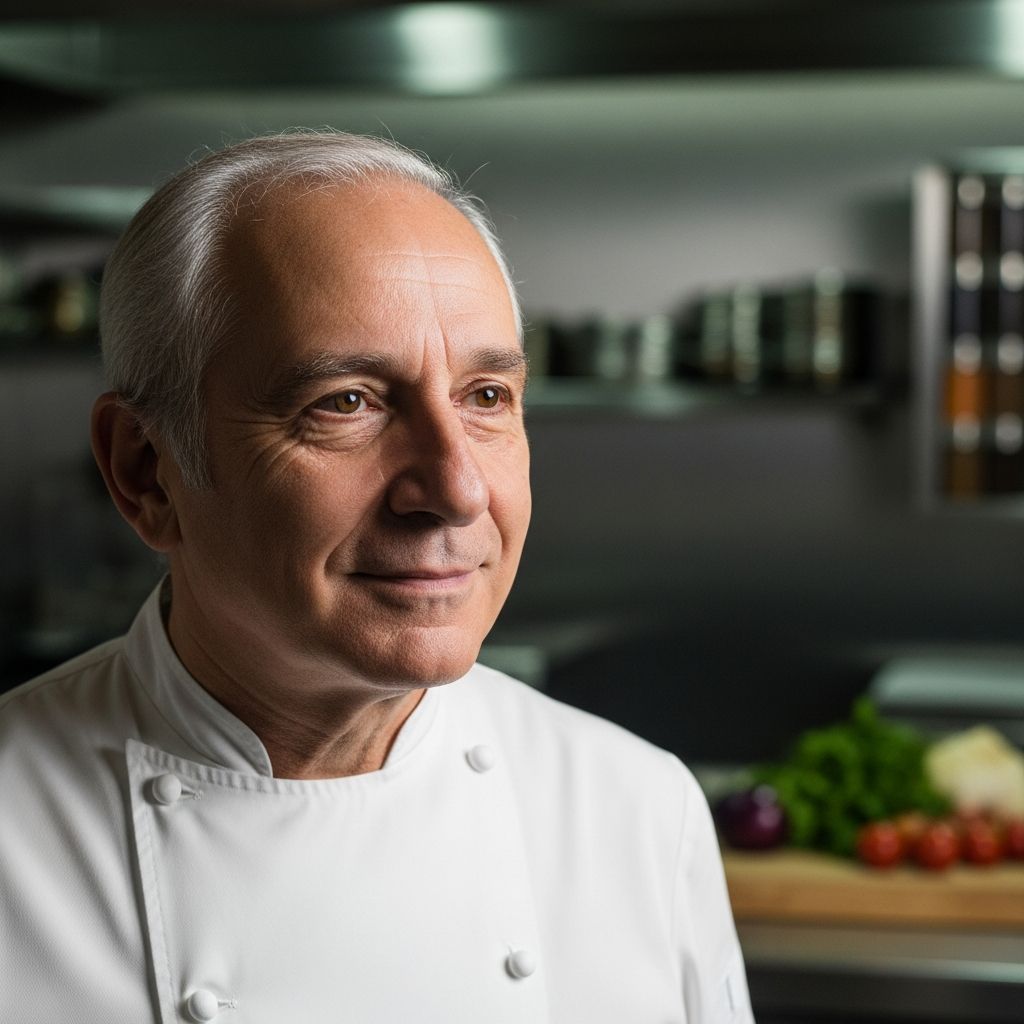
Massimo Bottura is known globally for his three-Michelin-star restaurant Osteria Francescana and his avant-garde approach to Italian cuisine. Yet away from the dining room, he is also a husband and father, navigating the same everyday questions other parents face: how to raise kind kids, how to share values, and how to keep dinner fun. This article explores his approach to family, fatherhood, and food, using his public story as inspiration to imagine what parenting looks like in the home of one of the world’s most creative chefs.
The Chef at Home: More Than Michelin Stars
Before exploring his parenting style, it helps to understand the world Bottura comes from. Born in Modena in 1962, he left law school in the mid-1980s to buy a small trattoria, eventually opening Osteria Francescana in 1995. The restaurant would go on to earn three Michelin stars and be named among the best in the world, praised for its imaginative reinterpretations of traditional Emilian dishes.
That same imagination—the ability to see tradition as something to both honor and challenge—shapes how he thinks about raising children. In interviews, Bottura often talks about growing up under the kitchen table, watching his grandmother roll pasta while he hid from his brothers. Those memories anchor his belief that the kitchen is a place of safety, curiosity, and stories—an ideal backdrop for parenting.
| Professional Life | Family Life (Inferred Themes) |
|---|---|
| Reinvents classic Italian dishes with modern techniques. | Respects tradition at home while inviting kids to question and experiment. |
| Runs globally acclaimed restaurants, including collaborations like Gucci Osteria. | Balances travel and work with intentional family rituals when together. |
| Collaborates with artists, architects, and designers to shape dining experiences. | Uses art, design, and storytelling as tools to spark children’s creativity. |
Turning the Kitchen into a Family Classroom
In a household led by a chef, the kitchen naturally becomes more than a place to cook. It becomes a classroom, a playground, and sometimes a laboratory. Research on family meals shows that eating together is associated with better emotional well-being and healthier eating habits in children. Bottura’s cooking background amplifies that effect: food is a language through which he can talk about culture, memory, and values.
Why Kids Belong in the Kitchen
Inviting children into the kitchen is not about grooming them to become chefs. It is about giving them a sense of competence, belonging, and shared responsibility. Studies suggest that involving children in food preparation is linked to higher vegetable intake and more adventurous eating. In the imagined daily life of the Bottura household, simple tasks might become entry points to bigger lessons:
- Stirring a sauce becomes a lesson in patience and attention.
- Kneading dough turns into a conversation about texture, touch, and time.
- Setting the table opens up reflections on hospitality and caring for others.
Bottura’s own story—learning from his mother, grandmother, and local cooks—suggests that he understands how early exposure to cooking can shape a child’s sense of identity and creativity.
Balancing Discipline and Discovery
Professional kitchens rely on structure: precise timing, respect for tools, and rigorous cleanliness. Those same principles are useful with children, but softened with play. In a family kitchen inspired by Bottura’s, you might see two parallel rules:
- Non-negotiables: knives are handled with care, hands are washed, and waste is minimized.
- Creative freedom: kids can choose herbs, suggest pasta shapes, or invent dish names.
This combination mirrors the way innovative chefs often work—moving freely inside a clearly defined frame. For children, it sends a powerful message: rules are not there to crush imagination but to give it a safe place to grow.
Teaching Values Through Food and Ritual
Food is one of the most concrete ways parents can transmit values. Bottura’s career and social projects show a strong preoccupation with waste reduction and social inclusion—for example, his Refettorio community kitchens, which turn surplus food into meals for people in need. While this article does not describe his private home, it is reasonable to infer that similar concerns shape how he talks about food with his children.
Respect for Ingredients and the Earth
Children often see only the finished plate, not the complex chain of farmers, seasons, and labor behind it. Parents can use cooking to pull back the curtain. Concrete ideas inspired by Bottura’s philosophy might include:
- Explaining where local ingredients come from and why seasons matter.
- Using leftover bread, vegetable stems, or overripe fruit to create new dishes.
- Discussing why throwing food away is not just wasteful but disrespectful.
These small rituals connect children directly to broader themes of sustainability and appreciation. They also echo global recommendations that emphasize reducing food waste and encouraging sustainable diets.
Heritage, Storytelling, and Identity
Bottura often frames his dishes as narratives—memories of childhood, references to art, or tributes to local landscapes. That narrative approach is just as powerful when used with kids. Parents can use family recipes to open up conversations about:
- Family history: Who taught us this dish? Where did they live?
- Cultural identity: How does this food express where we come from?
- Personal meaning: What makes this meal feel like home to you?
In families with mixed cultural backgrounds—like Bottura’s, with Italian roots and international experiences—food can help children feel at home in more than one place at once.
Creativity as a Parenting Tool
Bottura’s professional life shows how far a playful mind can go. He takes iconic recipes and looks at them sideways, asking what stories they tell and how they might be retold. For parents, this type of creativity is not about plating restaurant dishes at home. It is about modeling a mindset where curiosity, experimentation, and resilience are normal.
Seeing Mistakes as Ingredients
Professional cooks know that errors are inevitable: a sauce breaks, a loaf burns, a plan fails. The response matters. Children who see adults handle mistakes calmly are more likely to develop a growth mindset, seeing abilities as improvable rather than fixed. In a home inspired by Bottura’s way of thinking, burned cookies might become:
- A chance to learn about oven temperatures and timing.
- An opportunity to try again, with kids adjusting the timer.
- A story later about “the time we invented extra-crispy cookies.”
Humor and experimentation transform failure into discovery. That message extends beyond cooking into school, friendships, and creative projects.
Encouraging Kids to Think Like Chefs, Not Just Eat Like Them
Thinking like a chef means constantly asking questions: What happens if I add this? Why does this flavor work? How can I surprise someone at the table? Parents can nurture that questioning mindset with simple prompts:
- “If you could change one thing about this dish, what would it be?”
- “What color or texture would you add to make this more interesting?”
- “If this plate were a story, what would the title be?”
These conversations give children agency and help them practice observation, description, and critical thinking—skills that matter far beyond the dining room.
Balancing a Global Career and Local Family Life
Chefs at Bottura’s level often travel for events, collaborations, and new restaurant openings. That reality introduces old challenges in a new setting: how can parents stay emotionally connected when they are physically absent? While each family finds its own answer, a chef’s perspective suggests a few useful strategies.
Intentional Rituals When Together
Because schedules can be unpredictable, consistency comes not from timing but from ritual. Even a world-traveling parent can keep a few sacred practices:
- A weekly “family menu night” where everyone helps design a simple meal.
- A special breakfast tradition whenever the traveling parent returns home.
- Bedtime stories that connect to food, places, or people the parent has encountered.
Research indicates that regular family routines and rituals are linked to stronger family relationships and better child adjustment. For a chef parent, food-centered rituals are a natural fit.
Staying Present from Afar
Digital tools make it easier for traveling parents to stay engaged. A chef might:
- Send photos of markets, farms, or dishes from different countries.
- Record short videos explaining a local ingredient in kid-friendly language.
- Plan a home-cooking session based on a place recently visited.
These small gestures help children feel included in their parent’s world rather than pushed to the margins of a demanding career.
Raising Brave Eaters and Curious Minds
Many parents worry about picky eating. In a household built around culinary exploration, the approach is often softer than force and firmer than endless accommodation. Instead of demanding that children clean their plates, parents can adopt a tasting mindset: try a little, talk about it, and try again another day.
Practical Strategies Inspired by a Chef’s Table
- Small tastes, big praise: Celebrate trying, not liking. Curiosity is the real win.
- Ingredient focus: Talk about one element at a time—”How does the tomato taste today?”—rather than judging the whole dish.
- Visual fun: Arrange food in patterns, colors, or shapes that invite play.
- Family-style plates: Let kids serve themselves to develop autonomy and self-regulation.
These techniques align with broader guidance encouraging repeated exposure, role modeling, and involving children in meal preparation to support healthier eating habits.
When Food Becomes a Language of Love
In the end, the most important thing about food in family life is not presentation but presence. Bottura’s own memories of hiding under the kitchen table while his grandmother cooked are not about flavor details; they are about feeling safe and seen. Many parents will never win culinary prizes, but they can build their own rituals that say the same thing: “You belong here; this is your place.”
Parents inspired by Bottura’s blend of creativity and care might keep a few guiding principles in mind:
- Use food to slow down, not speed up.
- Let kids see you enjoy learning, failing, and trying again.
- Tell the stories behind your recipes, even if they are simple or recent.
- Remember that what children feel at the table will stay with them longer than what they tasted.
Frequently Asked Questions (FAQs)
Do I need to be a good cook to use these ideas with my kids?
No. The core of this approach is not technical skill but presence and curiosity. Even simple dishes—like scrambled eggs or basic pasta—can become chances to involve children, talk about ingredients, and share stories. What matters most is creating a warm, predictable space around meals.
How can I involve very young children safely in the kitchen?
Start with low-risk tasks: washing vegetables, tearing salad leaves, sprinkling herbs, or mixing batter with a spoon. Keep sharp tools and hot surfaces out of reach, and treat safety rules as non-negotiable. Short, positive experiences build confidence and attention over time.
What if my child refuses to try new foods?
Avoid pressure and bribes. Offer very small tastes alongside familiar favorites, and let your child see you enjoying the food yourself. Repeated exposure and involvement in cooking are both linked to more openness over time. If they refuse, stay calm and try again another day.
How can busy parents create meaningful food rituals?
Choose one or two small habits you can realistically maintain, such as a weekly homemade pizza night, a Sunday pancake breakfast, or a nightly “high and low” conversation at dinner. Consistency matters more than complexity. Even 20 minutes of fully present family mealtime can be powerful.
Is it helpful to talk to kids about food waste and sustainability?
Yes. Age-appropriate conversations about where food comes from, why waste matters, and how leftovers can be reused help children develop respect for resources. Small acts—saving bread for croutons, freezing leftovers, or composting scraps—turn abstract values into visible practice.
References
- Bottura Massimo — Bologna Business School. 2021-06-01. https://www.bbs.unibo.it/faculty/bottura-3/
- Massimo Bottura: ricette, piatti famosi e ristoranti dello Chef — Italian Gourmet. 2022-03-15. https://www.italiangourmet.it/protagonisti/massimo-bottura/
- Massimo Bottura | Chef — Reporter Gourmet. 2021-07-10. https://reportergourmet.com/it/chef/172-massimo-bottura
- Massimo Bottura: biografia, ristoranti e ricette — Fine Dining Lovers. 2020-11-20. https://www.finedininglovers.it/experts/massimo-bottura
- Family meals and child health — Harvard T.H. Chan School of Public Health. 2015-09-01. https://www.hsph.harvard.edu/nutritionsource/family-meals/
- Cooking and Child Health: A Review of the Evidence — Public Health Nutrition (Cambridge University Press). 2014-06-01. https://doi.org/10.1017/S1368980013002962
- Food Waste Index Report 2021 — United Nations Environment Programme. 2021-03-04. https://www.unep.org/resources/report/unep-food-waste-index-report-2021
- Brainology: Transforming Students’ Motivation to Learn — Dweck C.S., Education Canada. 2007-01-01. https://www.edcan.ca/articles/mindset-the-new-psychology-of-success/
- Family Routines and Rituals: A Context for Development in the Lives of Young Children — Fiese B.H. et al., Infants & Young Children. 2002-10-01. https://journals.lww.com/iycjournal/Abstract/2002/10000/Family_Routines_and_Rituals__A_Context_for.2.aspx
- Massimo Bottura — Osteria Francescana Official Site. 2019-05-01. https://osteriafrancescana.it/it/massimo-bottura/