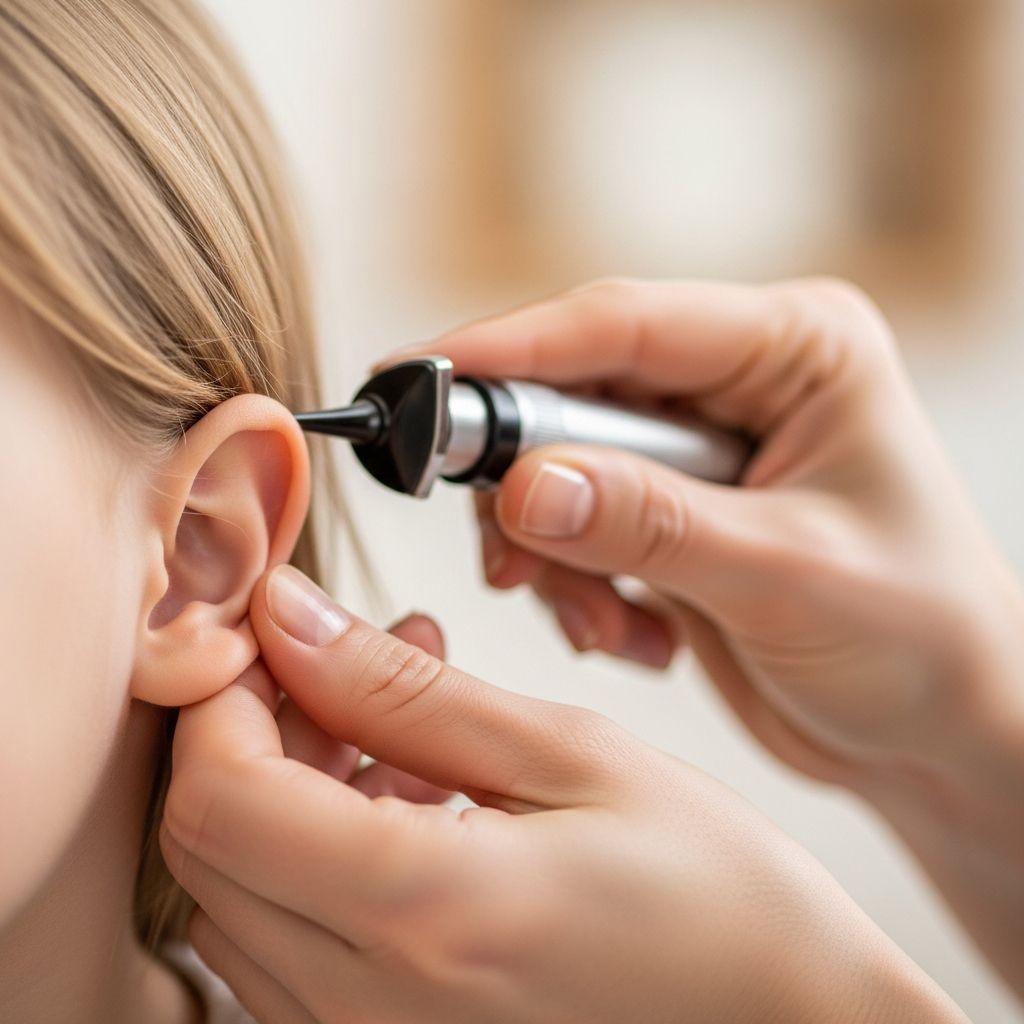
Understanding Ear Health in Young Children
Ear infections represent one of the most common health concerns affecting infants and toddlers worldwide. The susceptibility of young children to these infections stems from the unique anatomical and immunological characteristics of their developing bodies. Unlike older children and adults whose eustachian tubes—the narrow passages connecting the middle ear to the back of the throat—are angled downward to promote fluid drainage, infants and toddlers have eustachian tubes that are positioned more horizontally. This anatomical difference significantly impairs the natural drainage of fluid from the middle ear space, creating an environment where bacteria and viruses can flourish.
Additionally, the immune systems of very young children are still developing and maturing. Their bodies have not yet built up the antibodies and defensive mechanisms necessary to fight off infections as efficiently as older children and adults. This immunological immaturity, combined with the increased likelihood of exposure to viruses through daycare and social interactions, creates a perfect storm for ear infection development. Research indicates that by the time children reach their third birthday, the vast majority will have experienced at least one episode of middle ear infection.
The Foundation: Vaccination as Primary Defense
Immunization stands as one of the most effective tools in the prevention arsenal. The pneumococcal conjugate vaccine (Prevnar 13) and the annual influenza vaccine have demonstrated substantial efficacy in reducing ear infection incidence among vaccinated children. These vaccines work by protecting children against the bacterial and viral pathogens most commonly responsible for triggering respiratory infections that lead to ear problems.
The mechanism is straightforward: when a child develops an upper respiratory infection such as a cold or influenza, the inflammation and fluid accumulation in the nasal passages can travel up the eustachian tubes and into the middle ear. By preventing these initial respiratory infections through vaccination, parents substantially reduce their child’s risk of secondary ear complications. Healthcare providers consistently emphasize that maintaining a child’s vaccination schedule according to the Centers for Disease Control and Prevention recommendations is one of the single most impactful actions families can take.
For children attending daycare or large group settings, where exposure to infectious agents is significantly higher, vaccination becomes even more critical. The protection offered by these vaccines extends beyond ear infections alone, providing broader immunity against serious complications from influenza and pneumococcal disease.
Hygiene Practices: Breaking the Chain of Transmission
The spread of germs that trigger ear infections often begins with contaminated hands. Young children touch numerous surfaces throughout their day—toys, furniture, other children—and then transfer these germs to their faces, noses, and potentially their ears through contact. Establishing rigorous hand hygiene practices throughout the household serves as a fundamental barrier against pathogenic transmission.
Effective hand hygiene extends beyond simply running hands under water. Proper technique involves using soap and warm water, scrubbing for at least 20 seconds, and ensuring all surfaces including between fingers, under fingernails, and wrist areas are thoroughly cleaned. This practice becomes especially critical at specific high-risk times:
- Before meals and snacks
- After diaper changes
- After coughing, sneezing, or nose blowing
- Following bathroom use
- Upon returning home from public spaces
- Before and after caring for a sick child
Parents and caregivers must model these behaviors consistently, as young children learn through observation and imitation. Creating a household culture where everyone, not just children, prioritizes hand hygiene maximizes its protective benefit. Hand sanitizers can serve as supplementary tools when soap and water are unavailable, though they are less effective than washing when hands are visibly soiled.
Feeding Techniques: Proper Positioning and Milk Administration
The mechanics of how infants are fed significantly influences their ear infection risk. When babies consume bottles while lying completely flat, gravity causes formula or breast milk to flow backward from the throat toward the eustachian tubes and middle ear space. This milk accumulation in the middle ear creates an ideal breeding ground for bacteria, substantially increasing infection likelihood.
To prevent this problem, bottle-feeding should always occur with the infant’s head elevated at least 30 degrees above the horizontal plane. Ideally, babies should be held in a semi-upright position that mimics the natural posture of breastfeeding. Maintaining this elevated position for at least 30 minutes following the conclusion of feeding allows gravity to facilitate proper drainage of any fluid that may have entered the eustachian tubes.
Beyond positioning, the practice of propping bottles—leaving a bottle in an infant’s mouth without parental support—should be avoided entirely. This practice not only eliminates the protective positioning but also removes the opportunity for watchful parental observation of feeding progress and the child’s overall wellbeing.
For families able to breastfeed, this feeding method offers significant protective advantages. Breast milk contains numerous antibodies, particularly immunoglobulin A (IgA), which provide direct immune protection to the infant’s developing system. These antibodies help the baby’s immune system recognize and combat pathogens more effectively. Medical organizations including the American Academy of Pediatrics recommend exclusive breastfeeding for at least the first six months of life, with continued breastfeeding alongside solid foods for at least 12 months when feasible.
Environmental Controls and Exposure Management
Secondhand Smoke Elimination
Cigarette smoke exposure represents a modifiable risk factor with documented negative effects on ear health. The chemicals in secondhand smoke irritate the eustachian tubes and the tissues of the middle ear, simultaneously increasing inflammation and impairing the normal fluid drainage mechanisms. Children exposed to household smoking have significantly higher rates of ear infections compared to children in smoke-free homes.
Creating a truly smoke-free environment means more than simply not smoking directly around the child. Smoke residue clings to clothing, hair, furniture, and walls, and children can be exposed through these surfaces. Families should establish a household rule prohibiting smoking indoors and actively encourage visitors to refrain from smoking on the property. Additionally, parents should verify that their child’s daycare facility, school, and other regular environments maintain smoke-free policies.
Managing Group Exposure
While social interaction and exposure to diverse environments provide important developmental benefits, large group settings concentrate infectious pathogens. Parents should be particularly cautious during peak cold and flu seasons, as the density of circulating respiratory viruses is substantially higher. When possible, limiting a child’s exposure to large group settings during months of highest respiratory infection transmission can reduce ear infection incidence. Additionally, when a child is experiencing cold or flu symptoms, keeping them home prevents both the development of secondary ear infections and the transmission of illness to other vulnerable children.
Managing Moisture and Earwax
Excess moisture in the ear canal can create conditions favorable for bacterial and fungal overgrowth. After swimming or bathing, parents should gently dry their child’s ears using a soft towel. For children who spend considerable time in water, using properly fitted ear plugs or a swim cap during water activities can prevent water from entering the ear canal.
A surprising preventive strategy involves leaving earwax alone. Rather than removing earwax, which many parents assume is necessary for cleanliness, the wax serves important protective functions. Earwax has antimicrobial properties that naturally fight bacterial growth and maintains the health of the ear canal’s delicate tissues. Removal of earwax through cotton swabs or other implements actually increases infection risk. Parents should only address earwax if it accumulates excessively and causes hearing difficulties.
Pacifier and Thumb-Sucking Considerations
Research has established a concerning correlation between pacifier use frequency and ear infection incidence. Studies indicate that children who use pacifiers regularly have approximately three times higher risk of developing ear infections compared to non-users. The mechanism appears related to how sucking motion affects eustachian tube function. The muscular contractions associated with pacifier use or thumb sucking can cause the eustachian tube opening to remain abnormally open, allowing bacteria-laden material from the nasopharynx to enter the middle ear space more readily.
If families choose to use pacifiers, several strategies can minimize risk. Limiting pacifier use to bedtime and sleep periods, rather than throughout the day, substantially reduces the frequency of eustachian tube disruption. Many pediatricians recommend weaning children from pacifiers by six months of age or at latest by 12 months to prevent the association with ear infections. Additionally, maintaining pacifier cleanliness by regularly washing and sterilizing them reduces secondary bacterial contamination.
Allergies and Nasal Hygiene
Allergies trigger inflammation throughout the nasal passages and eustachian tubes, leading to edema (swelling) that obstructs normal fluid drainage. This inflammatory environment not only promotes fluid accumulation but also impairs the mucosal clearance mechanisms that normally protect against infection.
Keeping nasal passages clear becomes particularly important following cold infection. Parents can employ several techniques to maintain nasal patency:
- Using saline nasal drops or sprays to flush nasal passages and reduce inflammation
- Applying gentle steam inhalation to loosen secretions
- Using bulb syringes or age-appropriate nasal aspirators to remove excessive mucus
- Ensuring adequate indoor humidity through humidifiers, which prevents drying of nasal tissues
For children with documented allergies, working with healthcare providers to identify triggers and manage allergic symptoms reduces the inflammatory burden on the eustachian tube system, thereby decreasing ear infection risk.
Environmental Humidity and Air Quality
Dry indoor air irritates the nasal passages and eustachian tubes, compromising the protective function of the mucous membrane lining. During winter months or in dry climates, using a cool-mist humidifier in areas where children spend significant time helps maintain moisture levels. This simple environmental modification reduces tissue irritation and supports the body’s natural defense mechanisms against infection.
Additionally, maintaining good air quality by avoiding strong chemical exposures, ensuring adequate ventilation, and preventing mold accumulation supports overall respiratory and ear health.
Monitoring and Early Intervention
Despite implementing all preventive strategies, some children will still develop ear infections, particularly during early childhood. Recognizing warning signs allows for prompt medical evaluation and treatment. Parents should contact their pediatrician if a child exhibits persistent ear pulling, fever, drainage from the ear, balance difficulties, or hearing changes. Early intervention with appropriate treatment—whether that involves watchful waiting with pain management or antibiotics—prevents complications and supports full recovery.
Regular check-ups with the pediatrician create opportunities to discuss ear health, ensure vaccinations remain current, and address individual risk factors specific to each child.
Frequently Asked Questions
At what age do children become less susceptible to ear infections?
While ear infection risk decreases as children grow older and their immune systems mature, susceptibility depends on individual factors. Most children experience declining infection rates after age three as their eustachian tubes develop better drainage angles and immune function strengthens. However, some school-age children continue experiencing infections, particularly if exposed to multiple risk factors.
Can ear infections be prevented entirely?
While implementation of all recommended prevention strategies substantially reduces ear infection risk, complete prevention cannot be guaranteed. The goal is harm reduction—minimizing frequency and severity of infections through modifiable lifestyle and healthcare decisions. Some children, particularly those with specific anatomical factors or severe allergies, may experience infections despite excellent preventive efforts.
Is there a best age to start implementing prevention strategies?
Prevention efforts should begin from birth. Vaccination schedules commence at two months of age, and feeding positioning is critical from the first feeding. Breastfeeding provides protection starting immediately, and eliminating household smoke exposure has immediate benefits. The earlier prevention strategies are implemented, the greater the protective advantage.
How does daycare attendance affect ear infection risk?
Children in daycare face increased exposure to respiratory viruses due to the concentrated population of young children. Research demonstrates that children in large daycare centers experience higher ear infection rates than children cared for in home settings. However, ensuring current vaccinations and teaching caregivers about hygiene practices can mitigate this increased risk.
Are there differences in prevention strategies for formula-fed versus breastfed infants?
Both feeding methods can be done safely with attention to proper positioning. Breastfed infants naturally receive immune protection through breast milk antibodies, reducing infection risk. For formula-fed infants, meticulous attention to upright feeding positioning and bottle handling becomes even more critical. Both groups benefit equally from other prevention measures including vaccination and smoke avoidance.
References
- Ear Infections in Children, Babies & Toddlers — National Institute on Deafness and Other Communication Disorders (NIDCD), National Institutes of Health. 2024. https://www.nidcd.nih.gov/health/ear-infections-children
- How to Prevent Ear Infections in Babies — UnityPoint Health. 2024. https://www.unitypoint.org/news-and-articles/how-to-prevent-ear-infections-in-babies
- Seven Tips to Prevent Ear Infections in Children — South Shore Health. 2024. https://www.southshorehealth.org/wellness/blog/seven-tips-prevent-ear-infections-children
- How to Prevent Ear Infections in Children — Scripps Health. 2024. https://www.scripps.org/news_items/4735-how-to-prevent-ear-infections-in-children
- Ear Infection Questions — Seattle Children’s Hospital. 2024. https://www.seattlechildrens.org/conditions-a-z/ear-infection-questions/
- Treating Earache in Children: Remedies & Tips — Tylenol. 2024. https://www.tylenol.com/children-infants/pain-relief/earache-causes-symptoms-relief