The Magic of Playful Beauty Moments Between Parents and Children
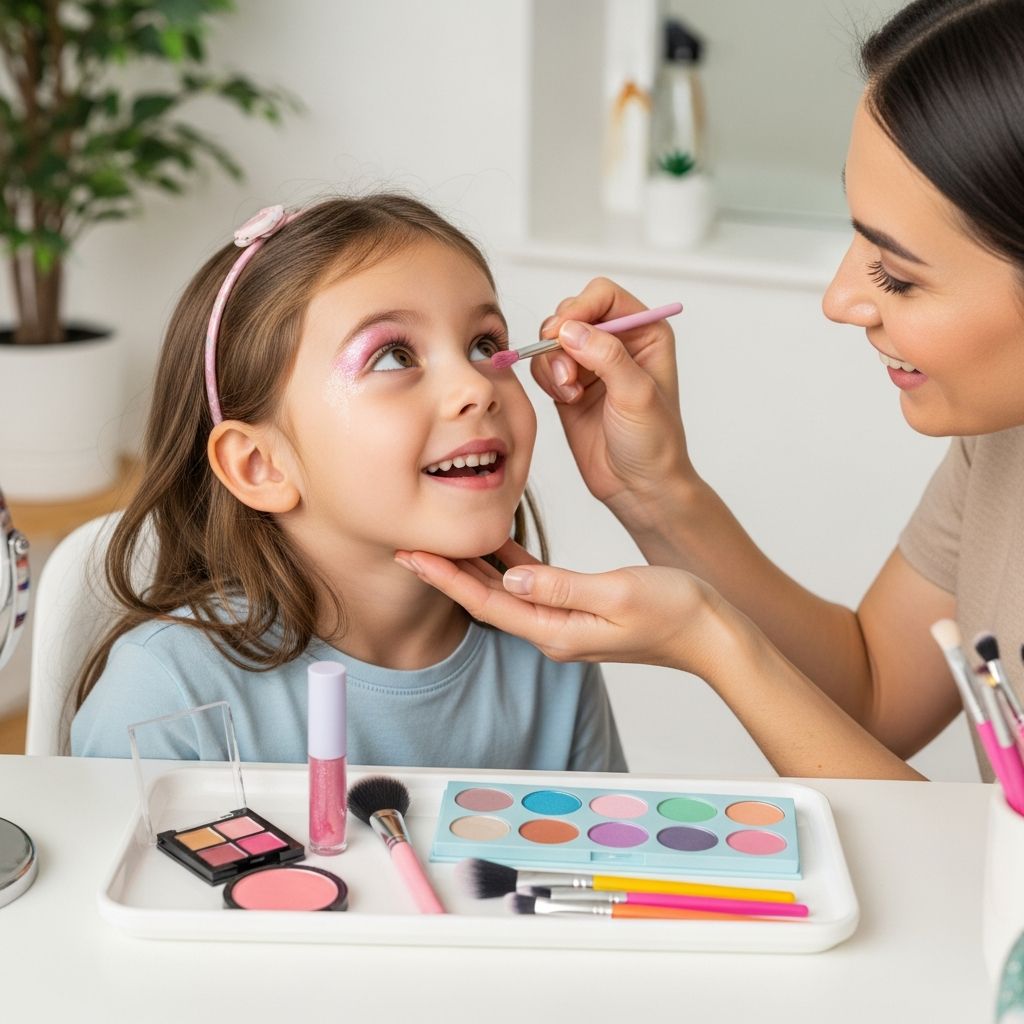
Parenting often involves navigating the delicate balance between maintaining order and allowing spontaneity to flourish. One of the most endearing ways this balance manifests is through creative play activities that transform ordinary afternoons into extraordinary memories. When children engage in imaginative play—particularly activities involving makeup and personal styling—they’re not simply playing with cosmetics; they’re exploring self-expression, testing boundaries, and deepening their connection with their caregivers. These moments, while occasionally resulting in colorful chaos, represent some of the most valuable interactions parents can share with their young ones.
Understanding Why Young Children Are Drawn to Cosmetics and Beauty Play
Young children, particularly those between ages three and six, naturally gravitate toward observing and imitating adult behaviors. Makeup represents a fascinating world of colors, textures, and transformations that captivate developing minds. The act of applying cosmetics involves fine motor skills, color recognition, and creative decision-making—all developmental milestones that children are actively working to master during these formative years. When parents invite their children into this playful exploration, rather than restricting it entirely, they validate the child’s curiosity while simultaneously providing opportunities for skill-building and bonding.
The Developmental Benefits of Creative Play With Cosmetics
Allowing children to experiment with makeup under parental supervision offers numerous developmental advantages that extend far beyond the immediate entertainment value. These activities serve as platforms for multiple forms of learning and growth:
- Fine Motor Skill Development: Holding makeup applicators, learning to apply products with varying degrees of precision, and controlling hand movements all strengthen the small muscles in children’s hands and fingers. These skills directly support future abilities in writing, drawing, and other detailed tasks.
- Color Recognition and Artistic Expression: Exploring different makeup shades and combinations helps children develop color theory understanding while allowing them to make independent aesthetic choices. This freedom of expression builds confidence in their creative decision-making.
- Social and Emotional Learning: Interactive beauty play provides opportunities for children to practice social skills, negotiate creative decisions, take turns, and engage in collaborative problem-solving with their parents or siblings.
- Self-Awareness and Identity Exploration: Experimenting with different looks allows children to explore concepts of identity and self-presentation in a low-stakes, playful environment. This exploration is healthy and developmentally appropriate.
- Confidence Building: When parents enthusiastically participate in children’s creative visions, even when the results appear unconventional, they send powerful messages about acceptance and the value of individual expression.
Establishing Healthy Boundaries While Embracing the Mess
While encouraging creative play is beneficial, parents can establish reasonable parameters that protect both the child’s safety and the household’s cleanliness. The key lies in setting these boundaries collaboratively and clearly before the activity begins, ensuring children understand expectations without feeling restricted or judged.
Effective boundary-setting strategies include designating a specific play area equipped with washable materials, using only products specifically formulated for children or those deemed safe for skin contact, establishing clear rules about which facial areas are acceptable for application, and determining time limits for the activity. Parents might also create a cleanup plan in advance, enlisting children as cleanup partners to teach responsibility while maintaining the fun atmosphere.
Practical Guidelines for Safe and Enjoyable Makeup Play Sessions
| Aspect of Play | Best Practices | Safety Considerations |
|---|---|---|
| Product Selection | Use hypoallergenic, child-safe products or washable makeup specifically designed for children | Avoid products with harsh chemicals; check for dermatologist testing; verify no expired products |
| Application Areas | Focus on cheeks, lips, and forehead; practice with washable markers as alternatives | Keep products away from eyes unless specifically formulated for eye use; never pressure young children to apply products near their own eyes |
| Supervision Level | Maintain active, engaged supervision throughout the activity | Ensure children don’t ingest products; watch for signs of allergic reaction; prevent products from transferring to sensitive areas |
| Duration and Frequency | Keep sessions to 20-30 minutes for optimal engagement and attention spans | Space out activities appropriately; monitor skin condition between sessions |
| Cleanup Process | Use gentle facial washes or cleansing wipes; make cleanup fun and educational | Use only products appropriate for children’s delicate skin; test for irritation beforehand |
Creating Meaningful Memory-Building Moments Through Play
The real value of engaging in makeup play with children extends beyond the immediate activity itself. These sessions create shared experiences and inside jokes that children carry forward into adulthood. Parents who participate enthusiastically in their children’s creative visions, even when the results appear unconventional or comical, communicate profound messages about acceptance, joy, and the importance of play in family life.
Documenting these moments through photographs, with children’s permission, creates lasting records of childhood creativity. Many parents find that reviewing these images years later evokes powerful emotional responses and reminds them of simpler times when their children were younger. Furthermore, these playful interactions build the parent-child relationship in ways that are difficult to achieve through more structured activities.
Navigating Reactions From Others and Maintaining Confidence in Your Parenting Choices
Some parents may encounter judgment from family members, friends, or social media observers regarding their decision to allow children to experiment with makeup. In these moments, it’s helpful to remember that intentional, supervised play with appropriate products poses minimal risk while offering significant developmental and emotional benefits. Parents confident in their choices can respond to criticism by explaining the educational value of the activity and emphasizing the safety measures in place.
It’s also worth noting that childhood is temporary, and the memories created through joyful, slightly messy play often matter far more to children than perfect aesthetics or immaculate households. Research in child development consistently demonstrates that children who feel their creative impulses are welcomed and celebrated develop stronger self-esteem and confidence in expressing themselves throughout their lives.
Alternative Creative Play Activities With Similar Benefits
For parents seeking comparable bonding experiences with similar developmental benefits, numerous alternatives exist that embrace playful creativity:
- Face painting with water-based, hypoallergenic paints designed for children’s skin
- Creating temporary tattoos using washable markers on arms and hands
- Experimenting with washable nail polish or nail art stickers
- Styling hair with colorful clips, temporary dyes, or fun accessories
- Creating homemade face masks using child-safe ingredients like honey and yogurt
- Engaging in costume design and dress-up play that incorporates makeup elements
- Exploring theatrical makeup application for age-appropriate performances or storytelling
The Long-Term Impact of Play-Based Parenting Approaches
Research in developmental psychology demonstrates that children whose parents engage in play-based activities develop stronger emotional bonds, improved social skills, and greater creative confidence. These benefits extend into adolescence and adulthood, influencing how individuals approach problem-solving, express themselves, and maintain relationships. By participating in makeup play and similar creative activities with enthusiasm and genuine interest, parents invest in their children’s emotional well-being and developmental trajectory.
Furthermore, children who experience parental validation of their creative impulses learn to value their own ideas and perspectives. This foundation supports the development of critical thinking skills, artistic confidence, and the ability to think independently—all qualities that serve individuals well throughout their lives.
Frequently Asked Questions About Makeup Play With Young Children
At what age is it appropriate for children to experiment with makeup?
Children as young as three can engage in supervised makeup play with appropriate products. However, individual maturity levels vary, so parents should assess their child’s ability to follow instructions and respect boundaries before participating in these activities.
What products are safest for young children to use?
Look for products specifically labeled as hypoallergenic, dermatologist-tested, and free of harsh chemicals. Washable makeup designed for children is ideal. Alternatively, washable markers, face paints specifically formulated for skin, or homemade natural alternatives offer safe options.
How do I prevent makeup from staining clothing or furniture?
Designate a specific play area, protect surfaces with old sheets or newspapers, have children wear old clothing or aprons, and keep the play session focused and supervised to minimize accidental transfer to inappropriate surfaces.
What should I do if my child wants to apply makeup to their own face independently?
This is developmentally normal and should be encouraged with guidance. Start by demonstrating application techniques, supervise closely to ensure safety, and provide positive feedback. Mistakes are part of learning and exploring.
How can I make cleanup part of the fun rather than a chore?A: Involve children in the cleanup process from the start, making it playful by singing songs, playing music, or turning it into a game. Frame cleanup as the final phase of the activity rather than a separate task.
Q: What if my child has sensitive skin or known allergies?
Consult with your pediatrician or dermatologist before engaging in makeup play. They can recommend appropriate products or suggest alternatives that won’t trigger reactions. Patch testing new products on a small area first is also advisable.
How does makeup play contribute to my child’s development?
Makeup play supports fine motor skill development, color recognition, creative expression, social-emotional learning, and confidence building. It also strengthens the parent-child relationship through shared, joyful experiences.
References
- Play in Early Childhood: From Birth through Age Six — American Academy of Pediatrics. 2023. https://www.healthychildren.org/English/ages-stages/preschool/Pages/
- The Power of Play: A Research Summary on Play and Learning — Zero to Three. 2023. https://www.zerotothree.org/resource/the-power-of-play/
- Fine Motor Skills Development in Early Childhood — Child Development Institute. 2023. https://www.childdevelopmentinfo.com/development/motor_development.htm
- Parenting Young Children: Principles and Practices — University of Minnesota Extension. 2024. https://www.extension.umn.edu/family/parenting-resources
- Cosmetic Product Safety: Information for Consumers — U.S. Food and Drug Administration. 2025. https://www.fda.gov/cosmetics/cosmetics-safety-quality/cosmetic-product-safety