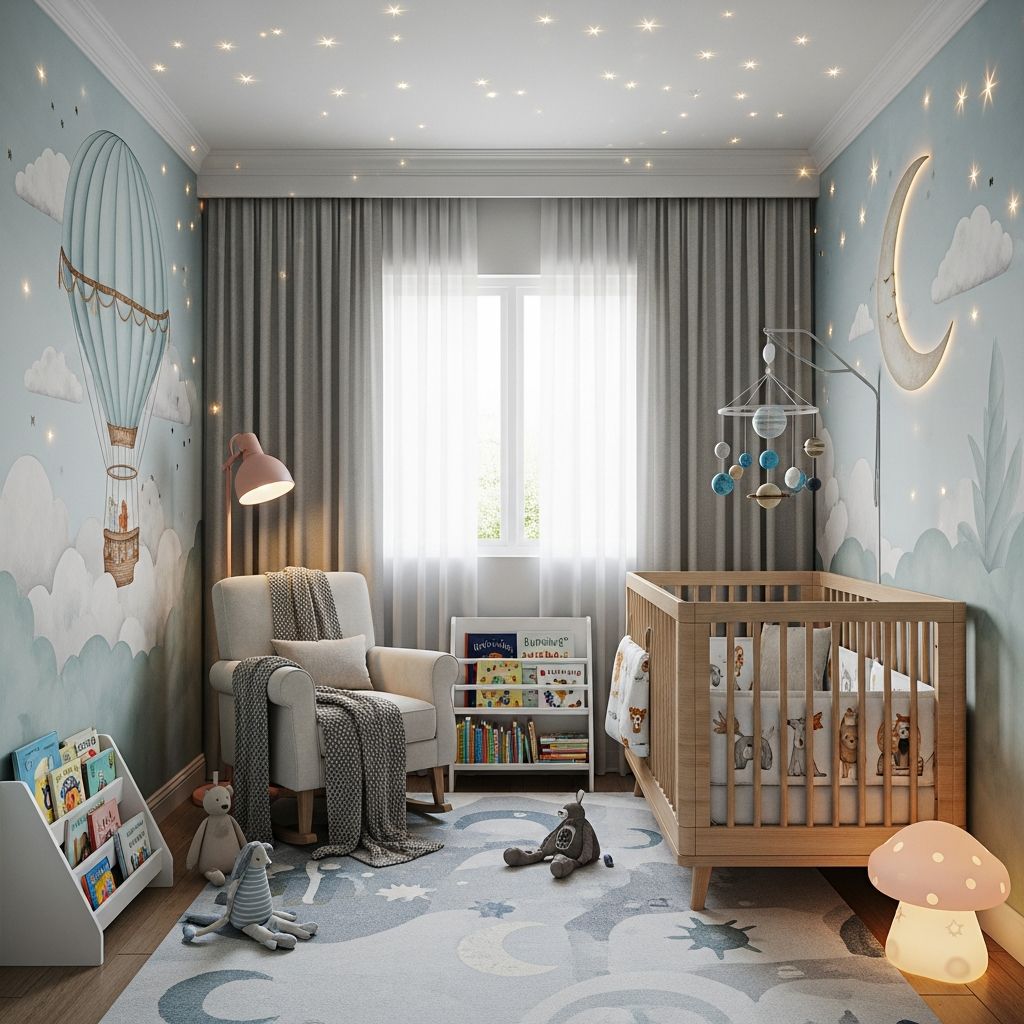
Building a Foundation for Imagination: Understanding Magical Room Design
The nursery serves as more than a sleeping space—it becomes your child’s first personal sanctuary, a place where early memories form and imagination takes root. Creating an environment infused with wonder involves thoughtful planning that balances aesthetic appeal with practical functionality. A well-designed magical nursery combines visual storytelling through decor choices with sensory experiences that engage your child’s developing mind.
The concept of magical design extends beyond simple decoration. It encompasses creating an atmosphere that encourages curiosity, supports emotional development, and provides comfort during important developmental milestones. When parents approach nursery design with intention, they craft spaces that resonate with children’s natural attraction to fantasy, adventure, and beauty.
Selecting Your Design Foundation: Theme and Color Palette
Before adding decorative elements, establishing a cohesive theme provides direction for all subsequent choices. A thematic approach creates visual harmony while making decorating decisions more intuitive. The foundation typically begins with selecting a crib bedding set that anchors the room’s color scheme and introduces the primary design elements.
Color selection significantly impacts the room’s emotional atmosphere. Soft pastels create calming environments conducive to sleep and relaxation, while deeper, more saturated tones can add drama and richness to the space. The most successful magical nurseries often layer multiple colors within a harmonious palette rather than relying on a single dominant hue.
Popular Thematic Directions
- Natural Forest Escapes: Woodland-inspired nurseries incorporate earthy tones, nature imagery, and organic textures that evoke peaceful outdoor settings. These rooms create serene environments that connect children to the natural world from infancy.
- Mystical and Celestial Themes: Moon phases, stars, and ethereal elements inspire designs that feel dreamy and otherworldly, perfect for creating a calming bedtime environment.
- Underwater Adventures: Ocean-themed nurseries utilize blues and aquas with sea creature imagery, transporting children to peaceful aquatic worlds.
- Whimsical Character Narratives: Incorporating beloved storybook characters or fantastical beings like unicorns creates rooms that celebrate imagination and childhood wonder.
Wall Treatments: Creating Visual Storytelling Through Design
Walls provide the largest canvas in a nursery, making them crucial for establishing the room’s magical atmosphere. Rather than painting entire walls in solid colors, consider layering visual elements that tell a cohesive story.
Wall decals offer flexibility and ease of application, allowing parents to create elaborate scenes without the permanence of paint. Quality decals adhere securely while remaining removable, accommodating changing interests as children grow. Strategic placement of decals creates focal points that draw the eye and establish the room’s thematic direction.
Complementing wall decals with framed illustrations adds depth and sophistication. Mixing various frame styles and sizes creates visual interest while allowing for easy updates as your child’s preferences evolve. Consider incorporating both purchased artwork and personal creations for a space that feels authentically connected to your family.
For parents seeking a more substantial visual impact, wall murals transform entire surfaces into immersive environments. Whether hand-painted or professionally installed, murals create backdrop scenery that makes the magical theme tangible and impactful.
Lighting: Crafting Ambiance Through Illumination
Lighting profoundly influences how a space feels and functions. Strategic lighting choices transform a nursery from ordinary to enchanting while serving practical purposes for nighttime caregiving and sleep routines.
String lights, particularly those with warm color temperatures, cast a gentle glow that suggests magic and wonder. Fairy lights can be draped along shelves, wound around canopy frames, or suspended along walls to create focal points of soft illumination. These lights work particularly well for creating bedtime routines that signal transition to sleep.
Specialty lighting fixtures designed around thematic elements—such as star-shaped lamps, moon-phase night lights, or fixtures shaped like forest creatures—enhance the overall aesthetic while providing functional illumination. Dimmer switches enable parents to adjust lighting intensity based on the time of day and the child’s needs.
Golden or brass-toned lighting fixtures complement warm, earthy color palettes and enhance the sense of comfort and luxury. These fixtures age gracefully and coordinate well with multiple design directions, making them practical long-term investments.
Texture Layering: Adding Depth and Sensory Experience
Visual elements gain complexity and appeal through varied textures that invite tactile exploration. Layering different materials creates richness that prevents a room from feeling flat or one-dimensional.
Rugs serve multiple functions—they define spaces, add warmth, and introduce texture underfoot. Soft rugs with subtle patterns or colors that complement the thematic design create comfortable zones for playtime. Faux fur textures suggest mossy pathways or forest floor environments, while nautical-striped rugs reinforce aquatic themes.
Window treatments deserve careful consideration as they significantly impact the room’s overall aesthetic. Sheer curtains allow filtered light while creating an ethereal quality, particularly effective for celestial or fairy tale themes. Heavier curtains with thematic patterns provide light control for sleep while contributing to the room’s design narrative.
Cushions and upholstered elements introduce softness and comfort while allowing for colorful accents. Faux fur cushions or ottoman covers add luxury and coziness, creating inviting spaces for parental reading and bonding moments.
Furniture Selection: Balancing Function with Aesthetic Appeal
Nursery furniture choices should harmonize with the thematic design while prioritizing functionality and safety. Wooden furniture, particularly pieces with rustic finishes, complements woodland and nature-inspired themes beautifully. Natural wood tones echo the forest palette and age gracefully as children grow.
Furniture pieces that double as design elements maximize the impact of thoughtful selection. A ship-shaped bookshelf transforms storage into thematic storytelling, while a rocking chair upholstered in coordinating fabrics becomes a comfortable reading nook that enhances the room’s ambiance.
When selecting furniture, consider how each piece contributes to the overall visual narrative. Rather than filling the space with numerous items, choose fewer, higher-quality pieces that make intentional design statements.
Decorative Accents: Bringing Character and Personality
Thoughtfully selected accessories complete the magical atmosphere while providing opportunities for personalization. Plush toys aligned with the thematic direction—whether forest creatures, sea animals, or celestial characters—create tactile elements that children connect with emotionally.
Mobiles serve both aesthetic and developmental purposes, offering visual interest while supporting sensory development. Mobiles featuring thematic elements like forest creatures or starry skies establish focal points above the crib while maintaining the room’s cohesive design.
Wall-mounted shelving displays favorite books and cherished items while adding vertical interest. Styling shelves with purposeful spacing between objects prevents visual clutter while maintaining an organized, curated appearance.
Creating Cozy Reading Spaces
Every magical nursery benefits from a designated reading corner that encourages storytelling and bonding. A comfortable rocking chair paired with appropriate lighting, nearby storage for books, and soft textiles creates an inviting retreat within the nursery.
Organizing children’s books thematically or by color creates visual appeal while teaching organizational concepts. Display book covers rather than spines to highlight favorite stories and create a gallery-like effect.
Seasonal Flexibility: Evolving Your Design Over Time
A truly magical nursery balances permanence with flexibility, allowing for evolution as your child grows and interests change. Rather than committing entirely to fixed elements, incorporating adjustable components enables gradual transitions.
Removable wall decals can be swapped seasonally or as your child’s preferences develop. Bedding can change while the foundational furniture remains consistent. Accessory pieces like pillows, throws, and artwork rotate easily, keeping the space fresh without complete redesigns.
This approach teaches children that their environment belongs to them while reducing the expense and effort of periodic updates. By designing with flexibility in mind from the beginning, parents create spaces that genuinely grow with their children.
Practical Considerations for Function and Safety
Creating a magical atmosphere never means compromising on safety or practicality. All decorative elements should be securely fastened, and materials should be non-toxic and appropriate for young children.
Cord safety remains paramount when incorporating fairy lights or string decorations. Ensure all cords are positioned beyond reach and secured appropriately. Battery-operated lights eliminate electrical hazards while providing flexibility in placement.
Furniture stability ensures that climbing toddlers and curious children cannot tip over pieces. Heavy items like dressers should be secured to walls according to manufacturer recommendations.
Regular cleaning and maintenance protect both the aesthetic appeal and hygiene of the space. Selecting durable, washable materials where possible ensures that the magical environment can withstand the realities of active childhood.
Frequently Asked Questions About Magical Nursery Design
What is the most budget-friendly way to begin creating a magical nursery?A: Start with quality crib bedding that establishes your color palette and theme, then add complementary wall decals and simple fabric elements like curtains and rugs. DIY elements like handmade artwork or rearranged furniture pieces can significantly reduce costs while adding personal touches that make the space meaningful.
Q: How can I create a magical nursery if my space is small?
Small spaces benefit from vertical design strategies—wall-mounted shelving, hanging mobiles, and elevated storage maximize usable space. Strategic lighting and color choices create the illusion of depth and openness. Choosing fewer, well-coordinated pieces prevents visual clutter while maintaining magical ambiance.
Will a highly themed nursery feel outdated quickly?
Choosing classic themes like woodland or celestial designs resists trends better than character-specific approaches. Incorporating adjustable elements like decals, bedding, and accessories allows the room to evolve without requiring complete redesigns. Neutral foundational colors with thematic accents balance personalization with longevity.
How do I balance a magical theme with a gender-neutral design?
Nature-inspired themes like forest or ocean settings naturally accommodate gender-neutral palettes using greens, blues, and warm neutrals. Focus on design elements rather than color stereotypes—woodland creatures, celestial imagery, or underwater scenes appeal to all children regardless of gender.
What lighting is appropriate for supporting healthy sleep patterns?
Warm-toned lights with color temperatures around 2700K support melatonin production and healthy sleep. Dimmable lights allow gradual transition to darkness during bedtime routines. Consider incorporating a dim night light for safety during nighttime caregiving without disrupting sleep patterns.
How can I involve my child in nursery decorating decisions as they grow?
Allow older toddlers to choose colors or help select artwork for display. Rotating decorations seasonally or making small changes for special occasions involves them in the creative process. As children develop preferences, gradually incorporating their input creates ownership and pride in their personal space.
References
- A Magical Journey: Creating a Fairy Tale Nursery — Levtex Home. Accessed April 2, 2026. https://levtexhome.com/blogs/news/fairy-tale-nursery-ideas
- 21 Enchanted Forest Nursery Ideas for Magical Vibes — Lovely Harbor. Accessed April 2, 2026. https://lovelyharbor.com/enchanted-forest-nursery-ideas/
- Creating a Dreamy Nursery With Magic Touches — Our Kid Things. Accessed April 2, 2026. https://www.ourkidthings.com/creating-a-dreamy-nursery-with-magic-touches/
- 17 Magical Nursery Ideas Full of Wonder — Nursery Design Studio. 2020. https://www.nurserydesignstudio.com/2020/10/27/17-magical-nursery-ideas-full-of-wonder/
- 22 Witchcore Items To Conjure Up A Truly Magical Kid’s Room — Scary Mommy. Accessed April 2, 2026. https://www.scarymommy.com/lifestyle/witchcore-kids-room-items